.jpg)


of the United Kingdom’s capitol city.
Welcome back to The London Brief. This column for Future Commerce is brought to you by retail technology expert, author, and analyst Miya Knights, a Future Commerce Expert Network member.
As London's club floors empty and bar stools stand idle, a quieter revolution is taking root. A feed scroll last week captured it neatly: images of vinyl-playing lounges, low-lit listening rooms, and an altogether calmer and more intentional after-dark scene. It speaks directly to the kind of "analogue revival meets experience economy" shift that Future Commerce has been tracking for years.
But this new era of commerce and community has reached a new saturation point—and it’s playing out in the capital, in real time.
Data, textured field visits, and interviews with folks at three spaces across West, Central, and East London embody the pivot from high-volume nightlife to low-fade-out experiential entertainment.
The Old Guard is Falling
It's no secret that the UK’s late-night, dance-club business is under severe pressure, but the research paints an incredibly stark picture. According to the Night Time Industries Association (NTIA), in partnership with CGA by NIQ, the UK's late-night sector has contracted by ~26.4% since March 2020, versus ~14.2% across the wider hospitality industry. For Greater London alone, that means a drop from 433 late-night venues in March 2020 to 343 at the latest count—a decline of ~20.8%, according to NIQ.
Meanwhile, the capital's pubs are not immune. This summer, a British Beer and Pub Association members survey found that cost increases have forced almost three-quarters of UK venues to operate at or below 85% of required capacity.
The cause is a dynamic combination of rising overheads, staffing and utility costs, real estate rents, and, perhaps most importantly, a consumer base with more constrained disposable income. The effect? Fewer casual "go-out" nights, and more selective, yet meaningful, experience-driven moments.
Finding Meaning in Listening Lounges
Amid the traditional club night’s decline, a new wave of venues is quietly flourishing: listening bars, vinyl-first lounges, and "soft clubbing" spots where the DJ sets aren't so much about dancing until dawn, but rather immersive sound, tactile media (hello, vinyl), curated atmospheres, and longer dwell times.
One headline piece in The Guardian noted that Britain has lost more than half its nightclubs over the past decade, and that the rise of listening bars may be an organic response. Time Out London similarly described how, "no longer the preserve of chin-stroking audiophiles, stacked sound systems and vinyl-friendly interiors are being embraced by the masses".
In visiting some of these venues myself, I discovered this trend isn't purely nostalgic, but rather a re-framing of what "going out" can mean: quality over quantity, slower rhythms, and more intentional social time.
Why Now?
Three overlapping vectors are driving this shift in “nightlife” culture:
- Cost-conscious consumers: With household incomes squeezed and leisure budgets under pressure, fewer people are choosing high-volume club nights with expensive drinks, cabs home, and late-night hassles. Instead, they seek something "different," memorable yet more controlled.
- Operational pressures on venues: Clubs requiring large footfall, late licenses, significant staffing, and security costs are more complex to sustain. The smaller-footprint listening lounge model inherently has lower volume, fewer regulatory burdens, and can often diversify by offering a hybrid of listening spaces that also provide music retail, hi-fi gear, and café/hospitality offerings.
- Analogue revival and tactile media fascination: Vinyl, high-fidelity sound systems, and the physical experience of "listening" rather than dancing provide a counterpoint to the streaming, algorithm-driven lives of many city dwellers.
On the Streets of London: Inside Three Cultural Venues
To bring this alive, I visited three spots across London that typify this trend: one West, one Central, one East. Each has a distinct flavour, but all point to the shift from clubbing to listening.
1. Next Door Records (Shepherd's Bush)
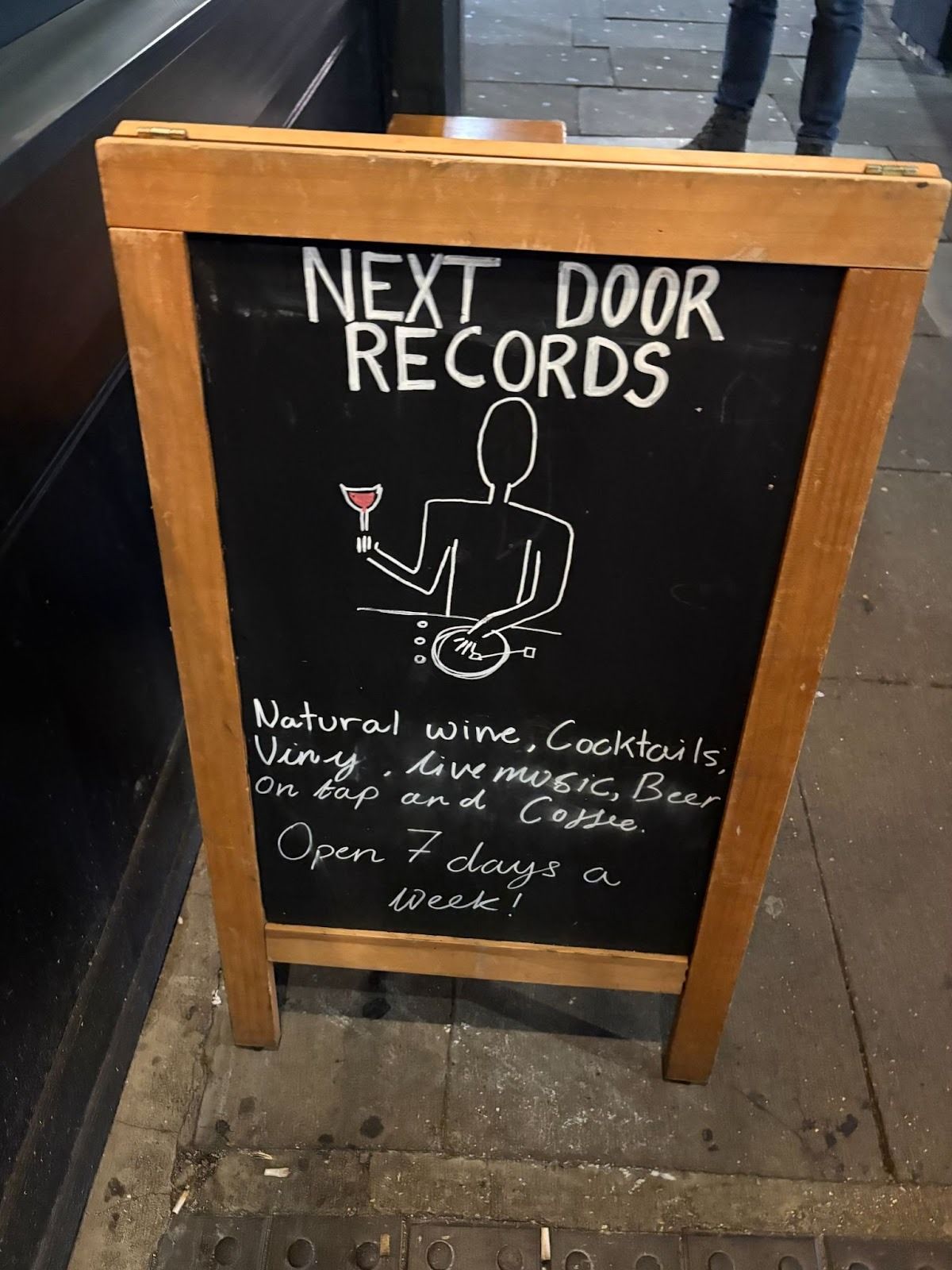
Located in West London, the Shepherd's Bush branch of Next Door Records (which operates two other stores) offers vinyl sales, listening stations, an occasional in-store DJ, and live music sessions.
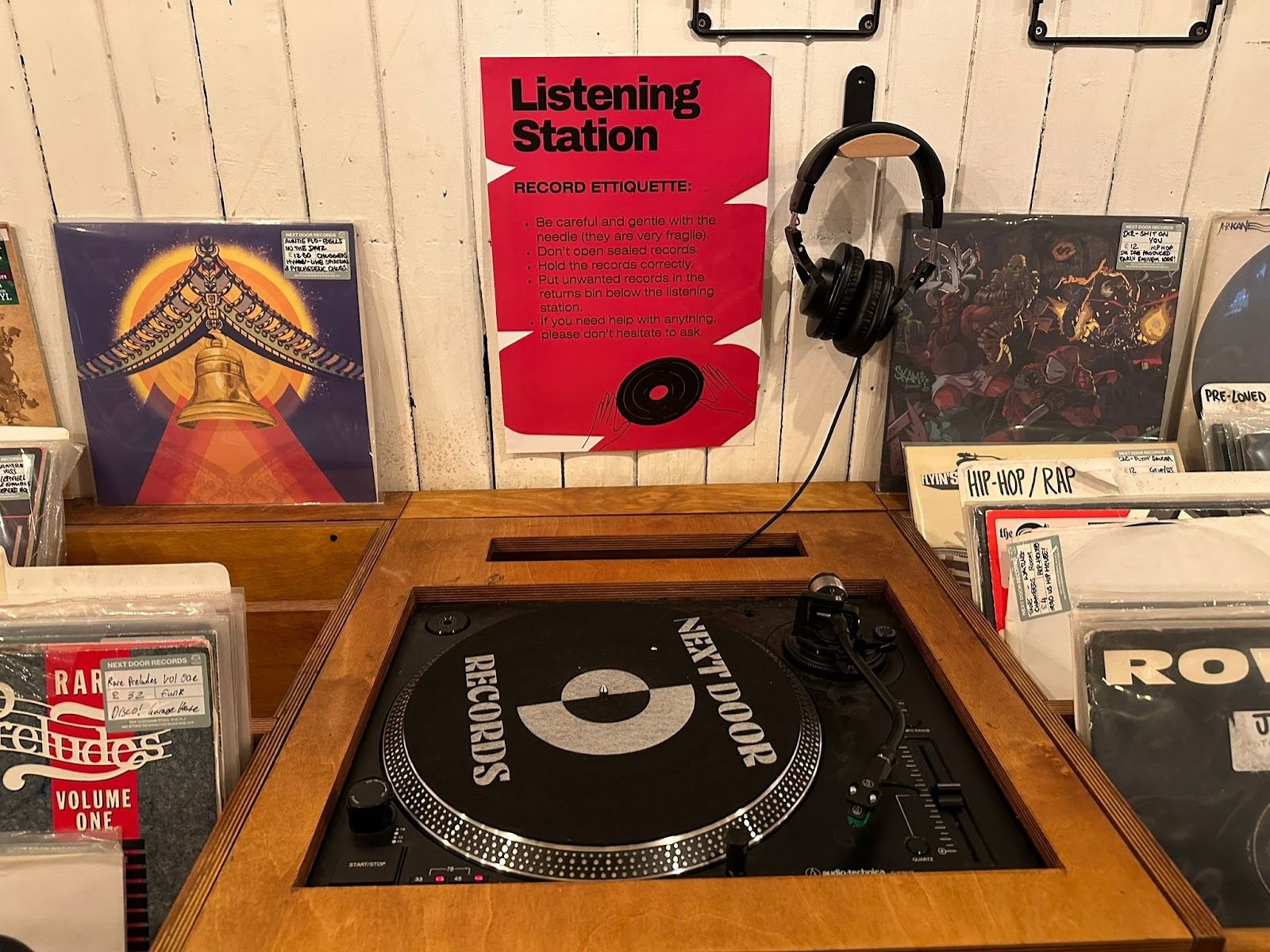
During my visit, I spoke with a co-owner, Tom, who emphasised that the store was deliberately designed for dwell time: "We wanted people to linger, pick up a record, plug in the headphones, maybe grab a coffee, chat." The vibe is casual but intimate. Baskets of new releases, vintage hi-fi gear warming the space, a bookshelf of music critiques beside the records, and some T-shirts and alcohol merch on sale. The effect is less "night out" and more "slow night in, out of home".
Tom expanded upon the vision: "It's not about blasting music so much as giving people a space to connect with sound." The location gives Next Door Records access to a vast clientele. "Shepherd's Bush gives us a diverse audience—locals, travelers, vinyl heads—and we're less expensive than club entry, so [we] invite curiosity."
2. Idle Moments (Columbia Road)
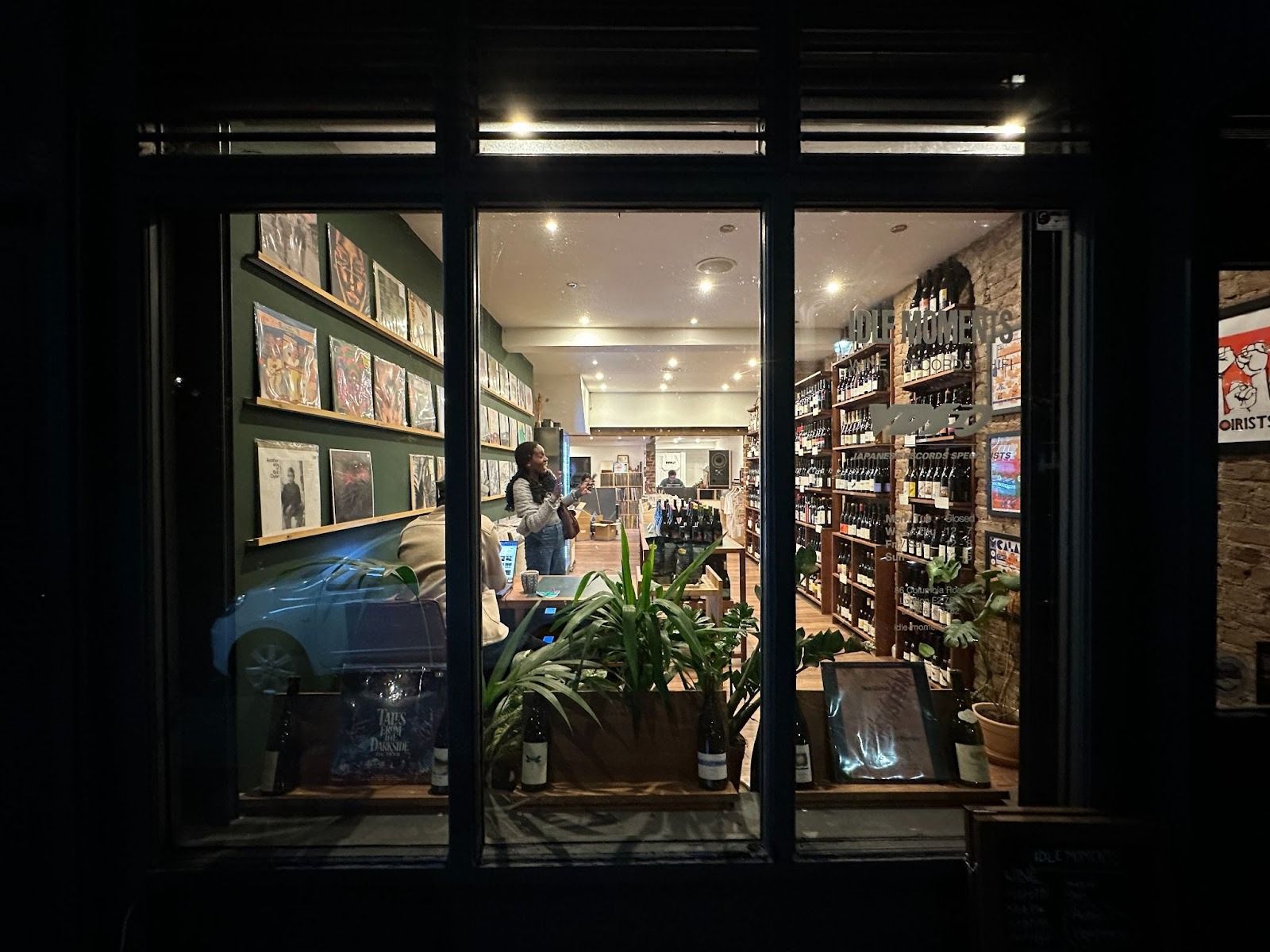
Near the famous Columbia Road flower market in East London, Idle Moments sits somewhere between record shop and wine venue—but with an unusual twist: you can listen to and buy records and buy wine, but you cannot drink immediately on site.
In my conversation with the staff, I learned that the store was founded in 2021 (mid-COVID) when a nearby restaurant closure spurred a wine merchant to partner with a Japanese pop-up record shop.
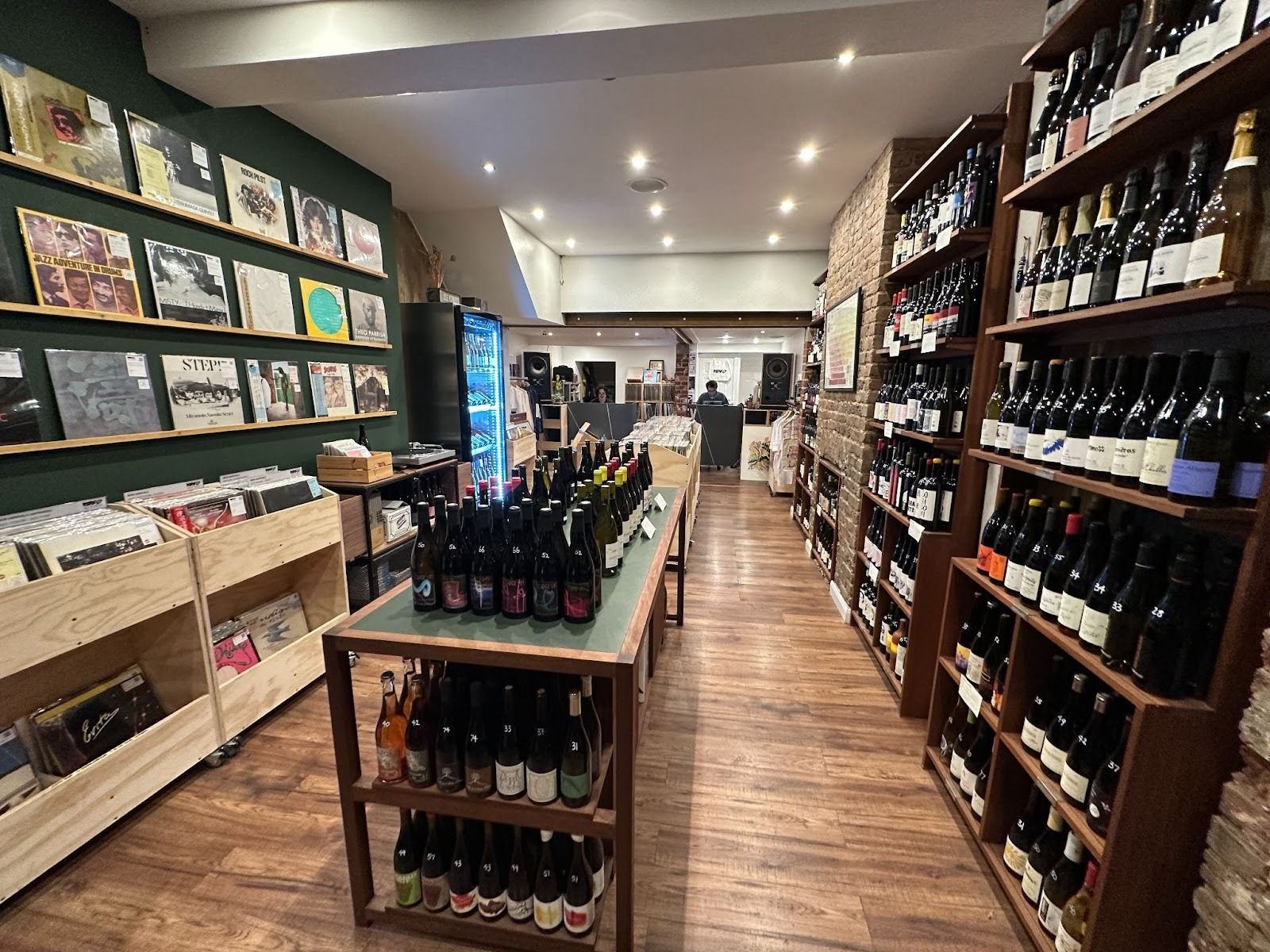
The store's story speaks to the necessity of reinventing business models: complementary product offerings (wine and records) and dwell time (browse, listen, sample) rather than pure bar turnover.
An authorized seller of Audio-Technica and Klipsch Hi-Fi products, Idle Moments curates a selection of new and Japanese import discs, all beautifully packaged in pristine, clear protective sleeves. It also hosts wine-tasting evenings for vinophiles.
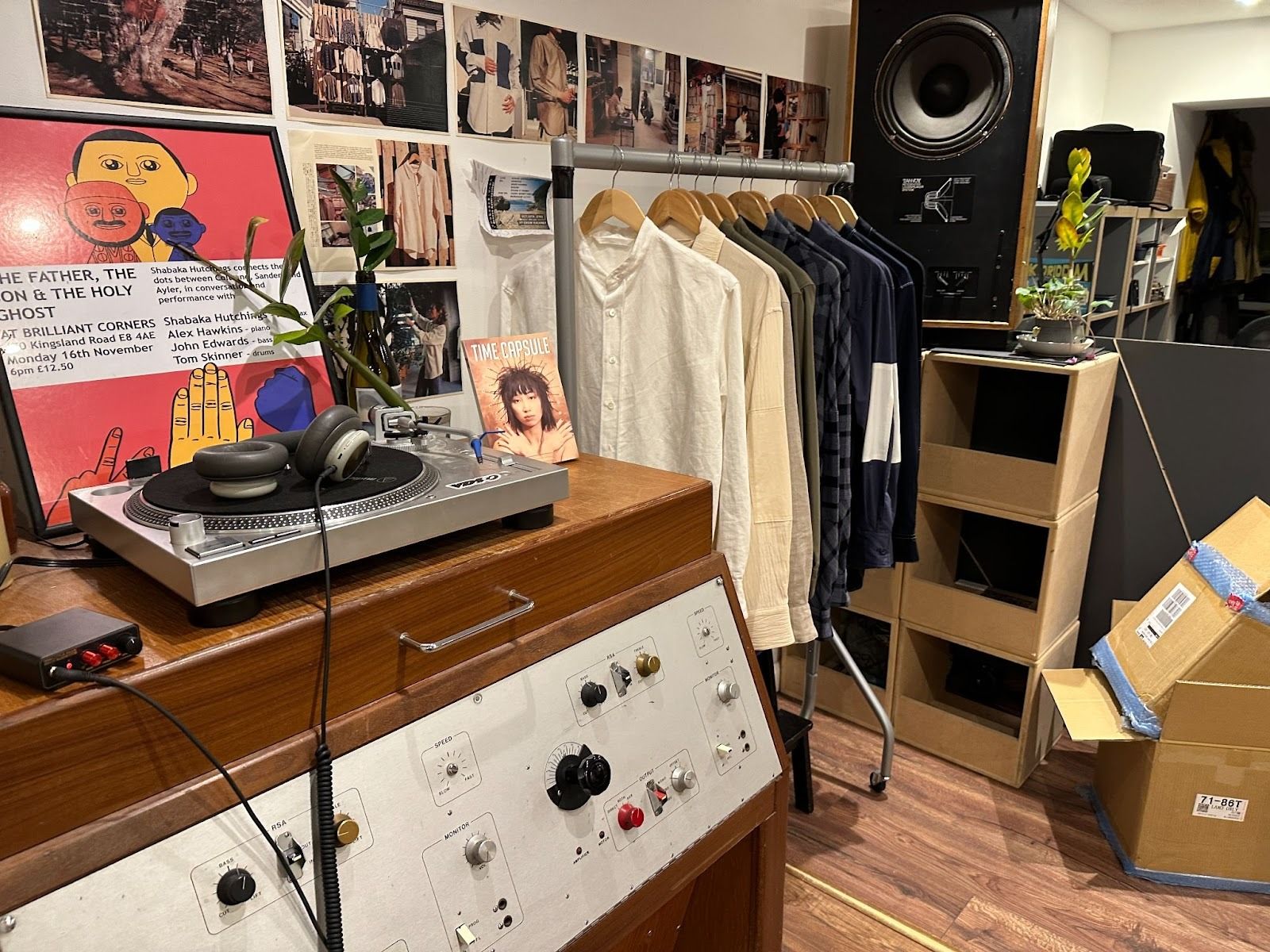
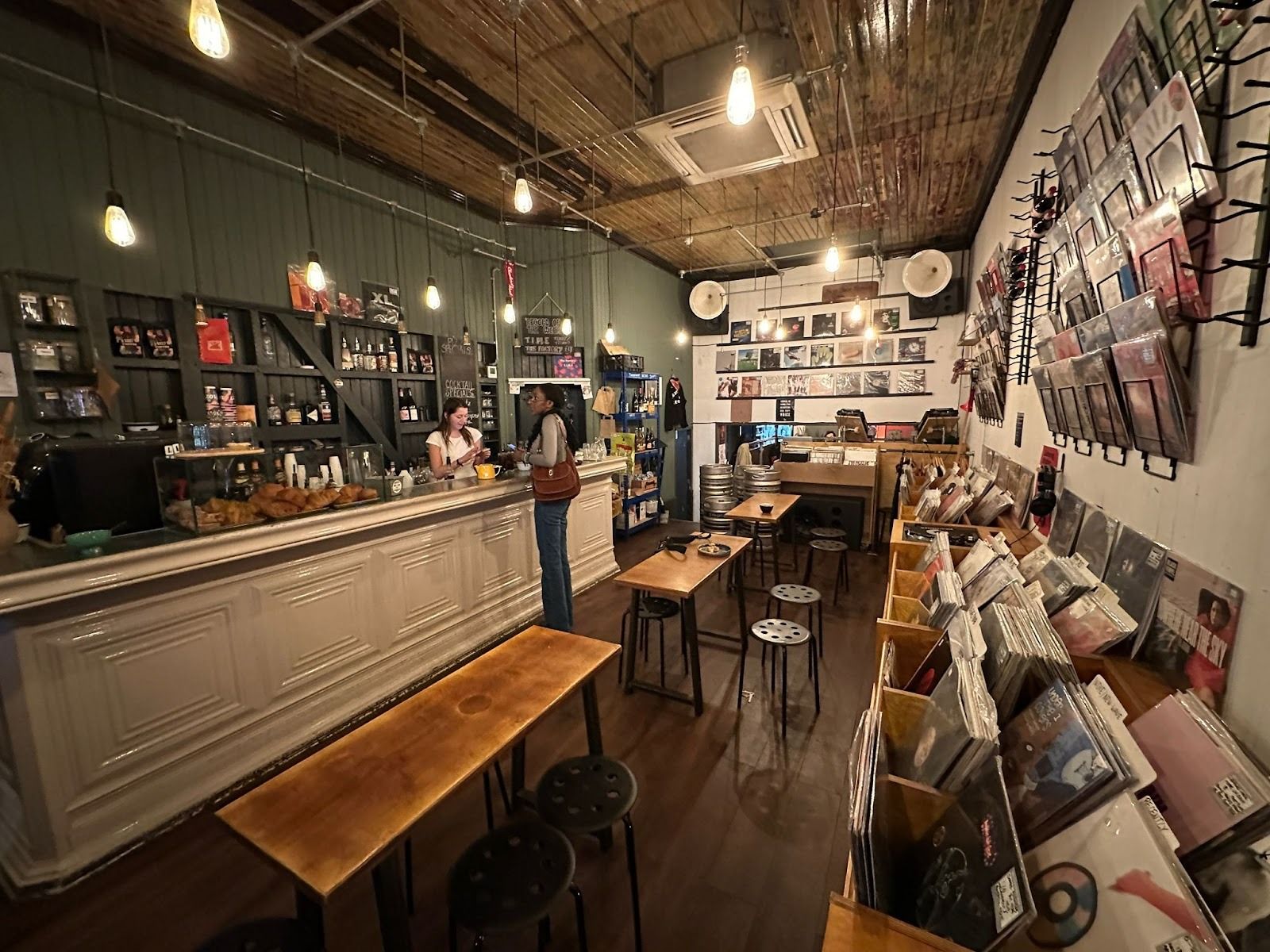
The atmosphere is informed by the store's clean, minimalist Japanese aesthetic, with turntables set up in cozy corners, wine shelves bathed in warm light, and a seating area where you can plug in to listen. It's calm and meditative. It's not the bumping beat of a nightclub—and for many, that's precisely the point.
3. Eastcheap Records (Eastcheap, The City)
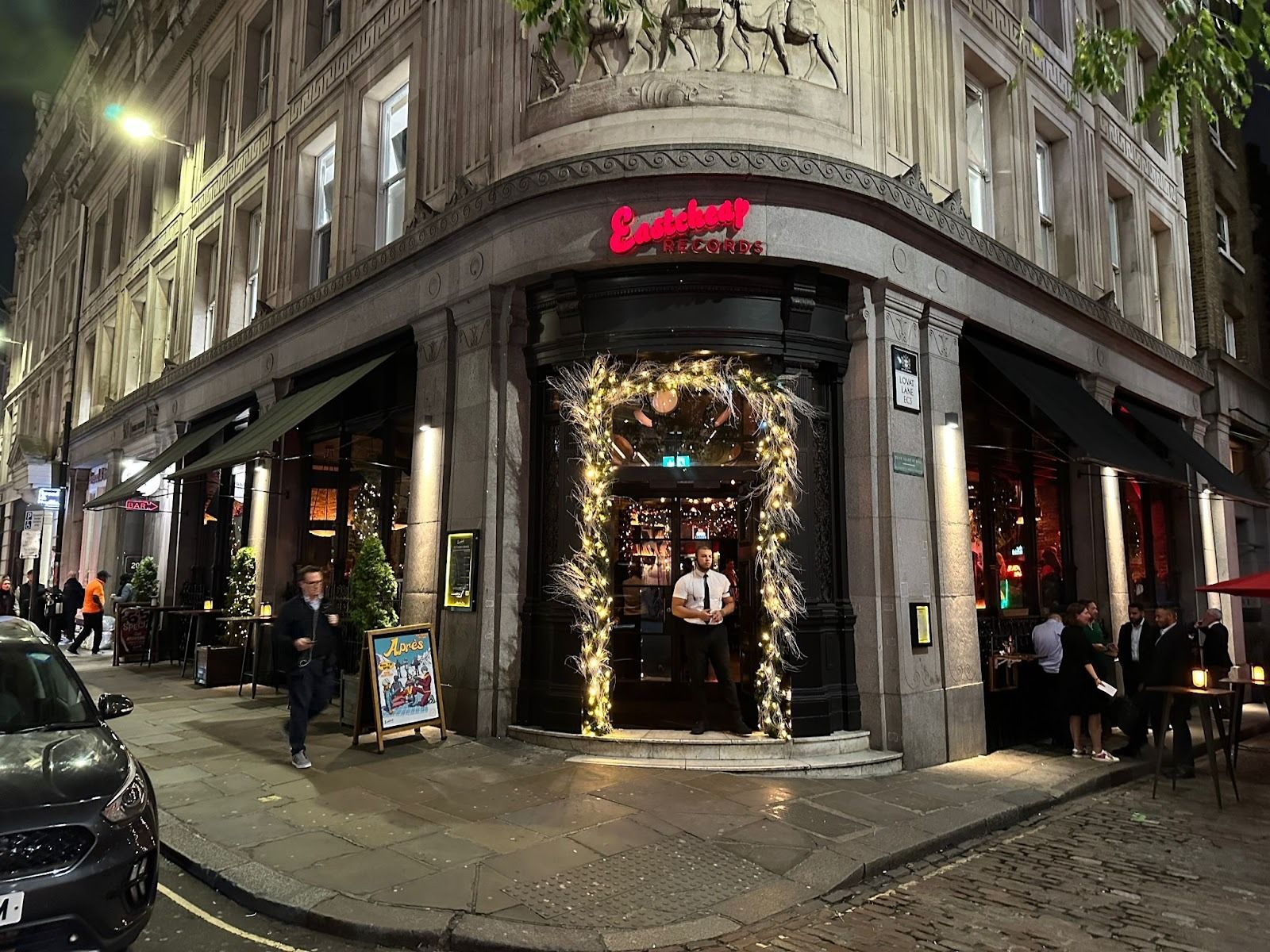
Also in East London (well, the City of London), this venue offers a cheeky hybrid. Featuring a bar and DJ/live-music venue, but heavily themed around records and listening culture, Eastcheap Records offers a more lively experience than the two, but is still rooted in intentional, present participation.
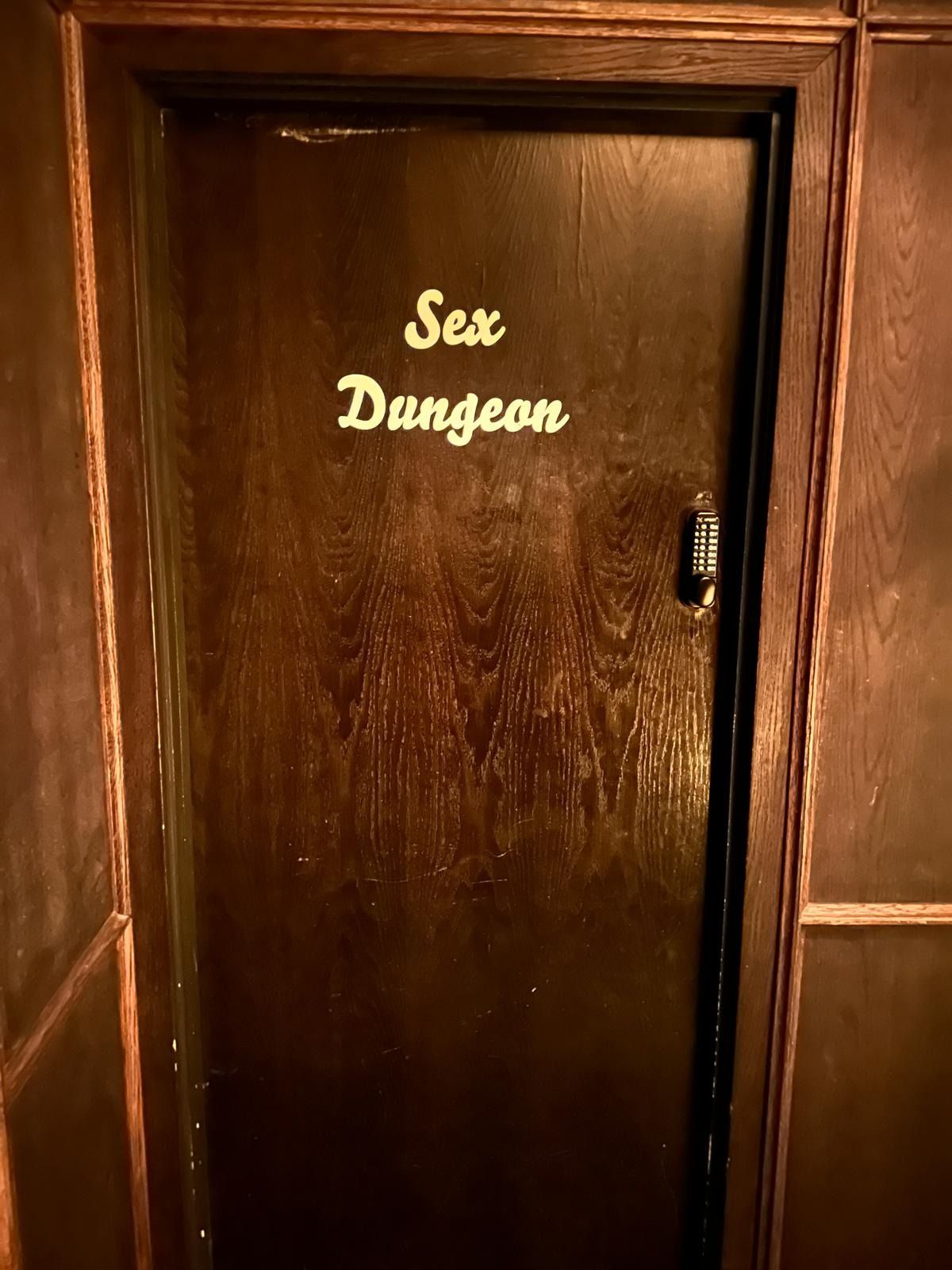
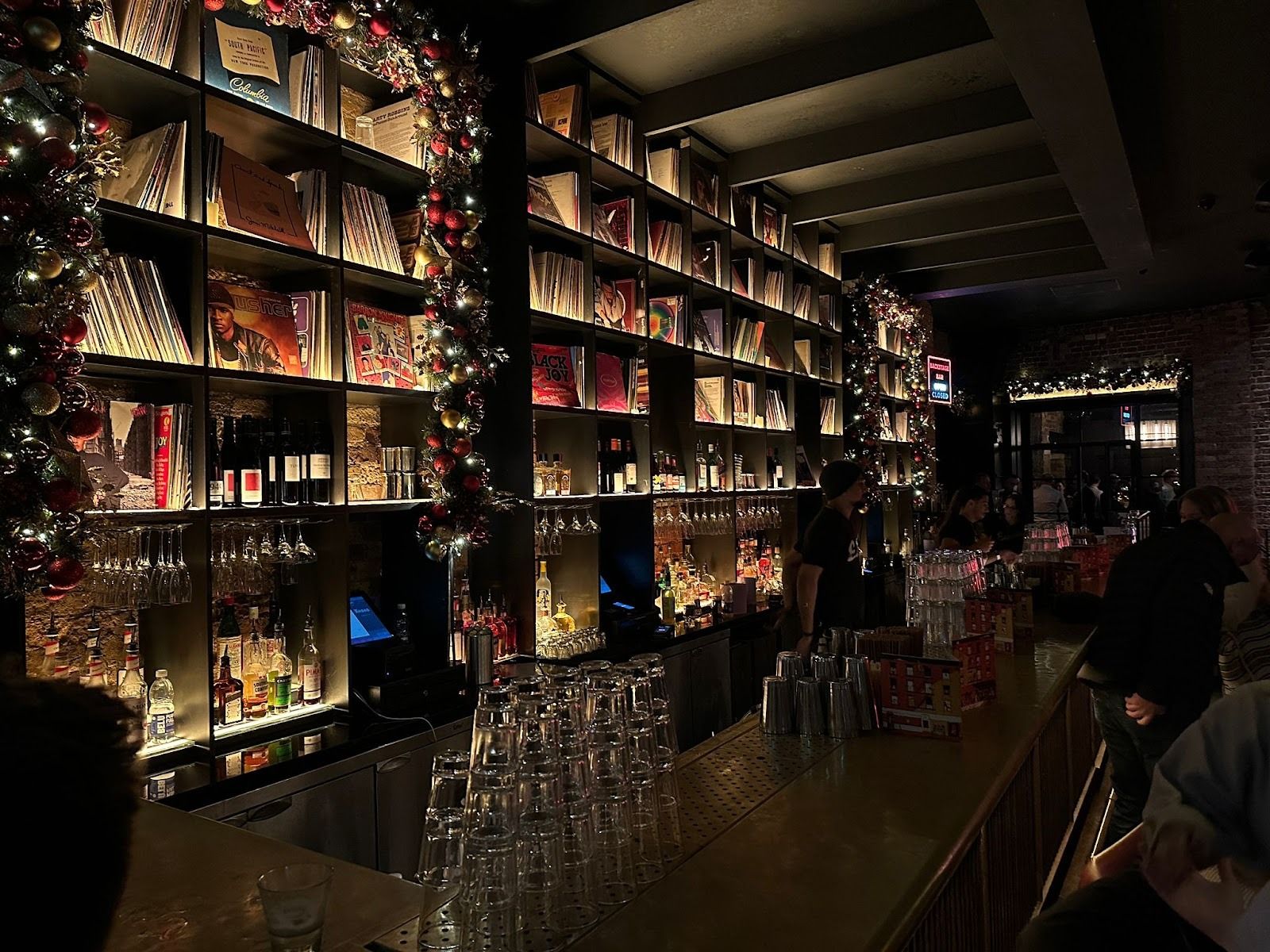
Ironically, unlike its three sister record bars across Greater London, it doesn't sell any records. Instead, it uses records and vinyl decor, DJ booths, live sessions, and even quirky touches, like a toilet door plastered with album sleeves or labelled a sex dungeon, to create a verbal nod to the analogue era. The reservation areas (worth booking on busy nights) and curated events tilt it slightly toward a destination experience, away from spontaneous clubbing.
Walking into the venue, you're met with retro carpet, vinyl racks on the walls, low lighting, and a busy audience standing and sitting, sipping cocktails and eating typical bar food fare, and likely nodding to the beat rather than full-on dancing. The ambience is somewhere between a bust pub, a listening room, and a bar with sound system respect.
Lessons from London Nightlife’s New Guard
My visits sparked a few convergent insights:
- Dwell time matters: Unlike traditional clubs, where turnover is high, and the combination of bar, DJ, and dance floor drums up drink sales, these venues invite slower experiences: listening, browsing, conversation, and vinyl discovery. That means fewer covers, but also fewer operational bottlenecks, fewer staff, and a more relaxed, stickier experience for the customer.
- Hybrid business models: Next Door and Idle Moments both show how the blend of retail, listening, and hospitality can work. The challenge for clubs has been singular: dance floor + late licence + high cost. These hybrid venues diversify, providing retail sales, wine, and curated listening sessions. Younger generations aren't necessarily seeking out heaving, sweaty dancefloors as much anymore, but these spaces offer membership and micro-community, which to some have more cultural value and depth.
- Intentional socialising: The vibe is less, "I'm going to lose myself in a crowd until 3 am," and more, "I'm going out to share something, listen, connect, and maybe buy something, slowly." This aesthetic shift tracks with broader consumer shifts towards meaningful experiences rather than volume consumption.
- Analogue as a premium proposition: Vinyl, hi-fi, record decor, physical media—all these speak to a premium, tactile experience compared to streaming and algorithmic playlists. For many city dwellers living streamed-out lives, these spaces offer something tactile that grounds them.
Zooming Out: The Trend Goes Global
This trend isn't just London-centric. Across Europe and beyond, the listening bar concept has taken hold. Venues in Paris, Berlin, Amsterdam, and Tokyo are reimagining music-led evenings in this more intimate, analogue-forward fashion.
The shift is structural and cultural; it’s not a local novelty.
For players in retail-tech, hospitality, and experiential commerce, this has several implications:
- Venue operators should think less about "beat louder, later" and more about sound quality, dwell, discoverability, physical media, and collectable/object culture.
- Retail and hospitality alliances: Records + wine (Idle Moments) or shop + listening lounge (Next Door) are interesting models of complementary product and service layering. It's about bundling cultural symbols and experiences rather than commoditised drinks.
- Monetisation of community and culture: These venues host listening sessions, guest DJs, vinyl drops, and pop-ups that tie to the network effect. They're not just one-off nights, but ongoing acts of curation that build loyalty and genuine community.
- Consumer behaviour modeling: With social budgets squeezed, leaning into "fewer but better nights out" means building offerings that justify the spend through memorability, exclusivity, and sensory quality.
- Analogue versus digital tension: This trend underscores that while digital streaming dominates, there is premium value in physical media and high-fidelity listening. For some retailers and brands, this might mean exploring how physical and digital can coexist (e.g., vinyl plus digital membership or listening bar events with an online community extension).
The Future of Nights Out
London's nightlife isn't dying—it's evolving. The traditional club model with mass crowds, late nights, and high turnover is under pressure from economic headwinds and shifting consumer sentiment.
But out of this pressure emerges opportunity: spaces that prioritise sound over volume, experience over passivity, and analogue over algorithm.
Visits to Next Door Records, Idle Moments, and Eastcheap Records Bar show that necessity can be the mother of reinvention. Retail, hospitality, and experience are converging in new, richer ways, where records are for sale, coffee is available to sip, curated sound envelopes spaces for us to savour, and strangers become community in a softer light. Consumers are realizing that there is power and beauty in these more secretive experiences.
For Future Commerce readers—retailers, tech providers, CPG brands, and experiential specialists—this signals that the future of "going out" may be less about chasing the peak crowd and more about creating the perfect listen. As the cost-of-living squeeze tightens, that shift toward slower, more intentional, and more analogue experiences may only accelerate.
Keep your ear to the ground—the beat has changed.
Miya Knights has over 25 years of experience as a retail technology analyst, editor, author, and consultant. She owns and publishes Retail Technology magazine and has co-authored two best-selling books about Amazon and Omnichannel Retail. Miya is a consultant and advisor to several technology companies, judges various industry awards, and is a member of the Retail Influencer Network, Customer Strategy Network, and the KPMG Retail Think Tank.
Welcome back to The London Brief. This column for Future Commerce is brought to you by retail technology expert, author, and analyst Miya Knights, a Future Commerce Expert Network member.
As London's club floors empty and bar stools stand idle, a quieter revolution is taking root. A feed scroll last week captured it neatly: images of vinyl-playing lounges, low-lit listening rooms, and an altogether calmer and more intentional after-dark scene. It speaks directly to the kind of "analogue revival meets experience economy" shift that Future Commerce has been tracking for years.
But this new era of commerce and community has reached a new saturation point—and it’s playing out in the capital, in real time.
Data, textured field visits, and interviews with folks at three spaces across West, Central, and East London embody the pivot from high-volume nightlife to low-fade-out experiential entertainment.
The Old Guard is Falling
It's no secret that the UK’s late-night, dance-club business is under severe pressure, but the research paints an incredibly stark picture. According to the Night Time Industries Association (NTIA), in partnership with CGA by NIQ, the UK's late-night sector has contracted by ~26.4% since March 2020, versus ~14.2% across the wider hospitality industry. For Greater London alone, that means a drop from 433 late-night venues in March 2020 to 343 at the latest count—a decline of ~20.8%, according to NIQ.
Meanwhile, the capital's pubs are not immune. This summer, a British Beer and Pub Association members survey found that cost increases have forced almost three-quarters of UK venues to operate at or below 85% of required capacity.
The cause is a dynamic combination of rising overheads, staffing and utility costs, real estate rents, and, perhaps most importantly, a consumer base with more constrained disposable income. The effect? Fewer casual "go-out" nights, and more selective, yet meaningful, experience-driven moments.
Finding Meaning in Listening Lounges
Amid the traditional club night’s decline, a new wave of venues is quietly flourishing: listening bars, vinyl-first lounges, and "soft clubbing" spots where the DJ sets aren't so much about dancing until dawn, but rather immersive sound, tactile media (hello, vinyl), curated atmospheres, and longer dwell times.
One headline piece in The Guardian noted that Britain has lost more than half its nightclubs over the past decade, and that the rise of listening bars may be an organic response. Time Out London similarly described how, "no longer the preserve of chin-stroking audiophiles, stacked sound systems and vinyl-friendly interiors are being embraced by the masses".
In visiting some of these venues myself, I discovered this trend isn't purely nostalgic, but rather a re-framing of what "going out" can mean: quality over quantity, slower rhythms, and more intentional social time.
Why Now?
Three overlapping vectors are driving this shift in “nightlife” culture:
- Cost-conscious consumers: With household incomes squeezed and leisure budgets under pressure, fewer people are choosing high-volume club nights with expensive drinks, cabs home, and late-night hassles. Instead, they seek something "different," memorable yet more controlled.
- Operational pressures on venues: Clubs requiring large footfall, late licenses, significant staffing, and security costs are more complex to sustain. The smaller-footprint listening lounge model inherently has lower volume, fewer regulatory burdens, and can often diversify by offering a hybrid of listening spaces that also provide music retail, hi-fi gear, and café/hospitality offerings.
- Analogue revival and tactile media fascination: Vinyl, high-fidelity sound systems, and the physical experience of "listening" rather than dancing provide a counterpoint to the streaming, algorithm-driven lives of many city dwellers.
On the Streets of London: Inside Three Cultural Venues
To bring this alive, I visited three spots across London that typify this trend: one West, one Central, one East. Each has a distinct flavour, but all point to the shift from clubbing to listening.
1. Next Door Records (Shepherd's Bush)
Located in West London, the Shepherd's Bush branch of Next Door Records (which operates two other stores) offers vinyl sales, listening stations, an occasional in-store DJ, and live music sessions.
During my visit, I spoke with a co-owner, Tom, who emphasised that the store was deliberately designed for dwell time: "We wanted people to linger, pick up a record, plug in the headphones, maybe grab a coffee, chat." The vibe is casual but intimate. Baskets of new releases, vintage hi-fi gear warming the space, a bookshelf of music critiques beside the records, and some T-shirts and alcohol merch on sale. The effect is less "night out" and more "slow night in, out of home".
Tom expanded upon the vision: "It's not about blasting music so much as giving people a space to connect with sound." The location gives Next Door Records access to a vast clientele. "Shepherd's Bush gives us a diverse audience—locals, travelers, vinyl heads—and we're less expensive than club entry, so [we] invite curiosity."
2. Idle Moments (Columbia Road)
Near the famous Columbia Road flower market in East London, Idle Moments sits somewhere between record shop and wine venue—but with an unusual twist: you can listen to and buy records and buy wine, but you cannot drink immediately on site.
In my conversation with the staff, I learned that the store was founded in 2021 (mid-COVID) when a nearby restaurant closure spurred a wine merchant to partner with a Japanese pop-up record shop.
The store's story speaks to the necessity of reinventing business models: complementary product offerings (wine and records) and dwell time (browse, listen, sample) rather than pure bar turnover.
An authorized seller of Audio-Technica and Klipsch Hi-Fi products, Idle Moments curates a selection of new and Japanese import discs, all beautifully packaged in pristine, clear protective sleeves. It also hosts wine-tasting evenings for vinophiles.
The atmosphere is informed by the store's clean, minimalist Japanese aesthetic, with turntables set up in cozy corners, wine shelves bathed in warm light, and a seating area where you can plug in to listen. It's calm and meditative. It's not the bumping beat of a nightclub—and for many, that's precisely the point.
3. Eastcheap Records (Eastcheap, The City)
Also in East London (well, the City of London), this venue offers a cheeky hybrid. Featuring a bar and DJ/live-music venue, but heavily themed around records and listening culture, Eastcheap Records offers a more lively experience than the two, but is still rooted in intentional, present participation.
Ironically, unlike its three sister record bars across Greater London, it doesn't sell any records. Instead, it uses records and vinyl decor, DJ booths, live sessions, and even quirky touches, like a toilet door plastered with album sleeves or labelled a sex dungeon, to create a verbal nod to the analogue era. The reservation areas (worth booking on busy nights) and curated events tilt it slightly toward a destination experience, away from spontaneous clubbing.
Walking into the venue, you're met with retro carpet, vinyl racks on the walls, low lighting, and a busy audience standing and sitting, sipping cocktails and eating typical bar food fare, and likely nodding to the beat rather than full-on dancing. The ambience is somewhere between a bust pub, a listening room, and a bar with sound system respect.
Lessons from London Nightlife’s New Guard
My visits sparked a few convergent insights:
- Dwell time matters: Unlike traditional clubs, where turnover is high, and the combination of bar, DJ, and dance floor drums up drink sales, these venues invite slower experiences: listening, browsing, conversation, and vinyl discovery. That means fewer covers, but also fewer operational bottlenecks, fewer staff, and a more relaxed, stickier experience for the customer.
- Hybrid business models: Next Door and Idle Moments both show how the blend of retail, listening, and hospitality can work. The challenge for clubs has been singular: dance floor + late licence + high cost. These hybrid venues diversify, providing retail sales, wine, and curated listening sessions. Younger generations aren't necessarily seeking out heaving, sweaty dancefloors as much anymore, but these spaces offer membership and micro-community, which to some have more cultural value and depth.
- Intentional socialising: The vibe is less, "I'm going to lose myself in a crowd until 3 am," and more, "I'm going out to share something, listen, connect, and maybe buy something, slowly." This aesthetic shift tracks with broader consumer shifts towards meaningful experiences rather than volume consumption.
- Analogue as a premium proposition: Vinyl, hi-fi, record decor, physical media—all these speak to a premium, tactile experience compared to streaming and algorithmic playlists. For many city dwellers living streamed-out lives, these spaces offer something tactile that grounds them.
Zooming Out: The Trend Goes Global
This trend isn't just London-centric. Across Europe and beyond, the listening bar concept has taken hold. Venues in Paris, Berlin, Amsterdam, and Tokyo are reimagining music-led evenings in this more intimate, analogue-forward fashion.
The shift is structural and cultural; it’s not a local novelty.
For players in retail-tech, hospitality, and experiential commerce, this has several implications:
- Venue operators should think less about "beat louder, later" and more about sound quality, dwell, discoverability, physical media, and collectable/object culture.
- Retail and hospitality alliances: Records + wine (Idle Moments) or shop + listening lounge (Next Door) are interesting models of complementary product and service layering. It's about bundling cultural symbols and experiences rather than commoditised drinks.
- Monetisation of community and culture: These venues host listening sessions, guest DJs, vinyl drops, and pop-ups that tie to the network effect. They're not just one-off nights, but ongoing acts of curation that build loyalty and genuine community.
- Consumer behaviour modeling: With social budgets squeezed, leaning into "fewer but better nights out" means building offerings that justify the spend through memorability, exclusivity, and sensory quality.
- Analogue versus digital tension: This trend underscores that while digital streaming dominates, there is premium value in physical media and high-fidelity listening. For some retailers and brands, this might mean exploring how physical and digital can coexist (e.g., vinyl plus digital membership or listening bar events with an online community extension).
The Future of Nights Out
London's nightlife isn't dying—it's evolving. The traditional club model with mass crowds, late nights, and high turnover is under pressure from economic headwinds and shifting consumer sentiment.
But out of this pressure emerges opportunity: spaces that prioritise sound over volume, experience over passivity, and analogue over algorithm.
Visits to Next Door Records, Idle Moments, and Eastcheap Records Bar show that necessity can be the mother of reinvention. Retail, hospitality, and experience are converging in new, richer ways, where records are for sale, coffee is available to sip, curated sound envelopes spaces for us to savour, and strangers become community in a softer light. Consumers are realizing that there is power and beauty in these more secretive experiences.
For Future Commerce readers—retailers, tech providers, CPG brands, and experiential specialists—this signals that the future of "going out" may be less about chasing the peak crowd and more about creating the perfect listen. As the cost-of-living squeeze tightens, that shift toward slower, more intentional, and more analogue experiences may only accelerate.
Keep your ear to the ground—the beat has changed.
Miya Knights has over 25 years of experience as a retail technology analyst, editor, author, and consultant. She owns and publishes Retail Technology magazine and has co-authored two best-selling books about Amazon and Omnichannel Retail. Miya is a consultant and advisor to several technology companies, judges various industry awards, and is a member of the Retail Influencer Network, Customer Strategy Network, and the KPMG Retail Think Tank.
Welcome back to The London Brief. This column for Future Commerce is brought to you by retail technology expert, author, and analyst Miya Knights, a Future Commerce Expert Network member.
As London's club floors empty and bar stools stand idle, a quieter revolution is taking root. A feed scroll last week captured it neatly: images of vinyl-playing lounges, low-lit listening rooms, and an altogether calmer and more intentional after-dark scene. It speaks directly to the kind of "analogue revival meets experience economy" shift that Future Commerce has been tracking for years.
But this new era of commerce and community has reached a new saturation point—and it’s playing out in the capital, in real time.
Data, textured field visits, and interviews with folks at three spaces across West, Central, and East London embody the pivot from high-volume nightlife to low-fade-out experiential entertainment.
The Old Guard is Falling
It's no secret that the UK’s late-night, dance-club business is under severe pressure, but the research paints an incredibly stark picture. According to the Night Time Industries Association (NTIA), in partnership with CGA by NIQ, the UK's late-night sector has contracted by ~26.4% since March 2020, versus ~14.2% across the wider hospitality industry. For Greater London alone, that means a drop from 433 late-night venues in March 2020 to 343 at the latest count—a decline of ~20.8%, according to NIQ.
Meanwhile, the capital's pubs are not immune. This summer, a British Beer and Pub Association members survey found that cost increases have forced almost three-quarters of UK venues to operate at or below 85% of required capacity.
The cause is a dynamic combination of rising overheads, staffing and utility costs, real estate rents, and, perhaps most importantly, a consumer base with more constrained disposable income. The effect? Fewer casual "go-out" nights, and more selective, yet meaningful, experience-driven moments.
Finding Meaning in Listening Lounges
Amid the traditional club night’s decline, a new wave of venues is quietly flourishing: listening bars, vinyl-first lounges, and "soft clubbing" spots where the DJ sets aren't so much about dancing until dawn, but rather immersive sound, tactile media (hello, vinyl), curated atmospheres, and longer dwell times.
One headline piece in The Guardian noted that Britain has lost more than half its nightclubs over the past decade, and that the rise of listening bars may be an organic response. Time Out London similarly described how, "no longer the preserve of chin-stroking audiophiles, stacked sound systems and vinyl-friendly interiors are being embraced by the masses".
In visiting some of these venues myself, I discovered this trend isn't purely nostalgic, but rather a re-framing of what "going out" can mean: quality over quantity, slower rhythms, and more intentional social time.
Why Now?
Three overlapping vectors are driving this shift in “nightlife” culture:
- Cost-conscious consumers: With household incomes squeezed and leisure budgets under pressure, fewer people are choosing high-volume club nights with expensive drinks, cabs home, and late-night hassles. Instead, they seek something "different," memorable yet more controlled.
- Operational pressures on venues: Clubs requiring large footfall, late licenses, significant staffing, and security costs are more complex to sustain. The smaller-footprint listening lounge model inherently has lower volume, fewer regulatory burdens, and can often diversify by offering a hybrid of listening spaces that also provide music retail, hi-fi gear, and café/hospitality offerings.
- Analogue revival and tactile media fascination: Vinyl, high-fidelity sound systems, and the physical experience of "listening" rather than dancing provide a counterpoint to the streaming, algorithm-driven lives of many city dwellers.
On the Streets of London: Inside Three Cultural Venues
To bring this alive, I visited three spots across London that typify this trend: one West, one Central, one East. Each has a distinct flavour, but all point to the shift from clubbing to listening.
1. Next Door Records (Shepherd's Bush)
Located in West London, the Shepherd's Bush branch of Next Door Records (which operates two other stores) offers vinyl sales, listening stations, an occasional in-store DJ, and live music sessions.
During my visit, I spoke with a co-owner, Tom, who emphasised that the store was deliberately designed for dwell time: "We wanted people to linger, pick up a record, plug in the headphones, maybe grab a coffee, chat." The vibe is casual but intimate. Baskets of new releases, vintage hi-fi gear warming the space, a bookshelf of music critiques beside the records, and some T-shirts and alcohol merch on sale. The effect is less "night out" and more "slow night in, out of home".
Tom expanded upon the vision: "It's not about blasting music so much as giving people a space to connect with sound." The location gives Next Door Records access to a vast clientele. "Shepherd's Bush gives us a diverse audience—locals, travelers, vinyl heads—and we're less expensive than club entry, so [we] invite curiosity."
2. Idle Moments (Columbia Road)
Near the famous Columbia Road flower market in East London, Idle Moments sits somewhere between record shop and wine venue—but with an unusual twist: you can listen to and buy records and buy wine, but you cannot drink immediately on site.
In my conversation with the staff, I learned that the store was founded in 2021 (mid-COVID) when a nearby restaurant closure spurred a wine merchant to partner with a Japanese pop-up record shop.
The store's story speaks to the necessity of reinventing business models: complementary product offerings (wine and records) and dwell time (browse, listen, sample) rather than pure bar turnover.
An authorized seller of Audio-Technica and Klipsch Hi-Fi products, Idle Moments curates a selection of new and Japanese import discs, all beautifully packaged in pristine, clear protective sleeves. It also hosts wine-tasting evenings for vinophiles.
The atmosphere is informed by the store's clean, minimalist Japanese aesthetic, with turntables set up in cozy corners, wine shelves bathed in warm light, and a seating area where you can plug in to listen. It's calm and meditative. It's not the bumping beat of a nightclub—and for many, that's precisely the point.
3. Eastcheap Records (Eastcheap, The City)
Also in East London (well, the City of London), this venue offers a cheeky hybrid. Featuring a bar and DJ/live-music venue, but heavily themed around records and listening culture, Eastcheap Records offers a more lively experience than the two, but is still rooted in intentional, present participation.
Ironically, unlike its three sister record bars across Greater London, it doesn't sell any records. Instead, it uses records and vinyl decor, DJ booths, live sessions, and even quirky touches, like a toilet door plastered with album sleeves or labelled a sex dungeon, to create a verbal nod to the analogue era. The reservation areas (worth booking on busy nights) and curated events tilt it slightly toward a destination experience, away from spontaneous clubbing.
Walking into the venue, you're met with retro carpet, vinyl racks on the walls, low lighting, and a busy audience standing and sitting, sipping cocktails and eating typical bar food fare, and likely nodding to the beat rather than full-on dancing. The ambience is somewhere between a bust pub, a listening room, and a bar with sound system respect.
Lessons from London Nightlife’s New Guard
My visits sparked a few convergent insights:
- Dwell time matters: Unlike traditional clubs, where turnover is high, and the combination of bar, DJ, and dance floor drums up drink sales, these venues invite slower experiences: listening, browsing, conversation, and vinyl discovery. That means fewer covers, but also fewer operational bottlenecks, fewer staff, and a more relaxed, stickier experience for the customer.
- Hybrid business models: Next Door and Idle Moments both show how the blend of retail, listening, and hospitality can work. The challenge for clubs has been singular: dance floor + late licence + high cost. These hybrid venues diversify, providing retail sales, wine, and curated listening sessions. Younger generations aren't necessarily seeking out heaving, sweaty dancefloors as much anymore, but these spaces offer membership and micro-community, which to some have more cultural value and depth.
- Intentional socialising: The vibe is less, "I'm going to lose myself in a crowd until 3 am," and more, "I'm going out to share something, listen, connect, and maybe buy something, slowly." This aesthetic shift tracks with broader consumer shifts towards meaningful experiences rather than volume consumption.
- Analogue as a premium proposition: Vinyl, hi-fi, record decor, physical media—all these speak to a premium, tactile experience compared to streaming and algorithmic playlists. For many city dwellers living streamed-out lives, these spaces offer something tactile that grounds them.
Zooming Out: The Trend Goes Global
This trend isn't just London-centric. Across Europe and beyond, the listening bar concept has taken hold. Venues in Paris, Berlin, Amsterdam, and Tokyo are reimagining music-led evenings in this more intimate, analogue-forward fashion.
The shift is structural and cultural; it’s not a local novelty.
For players in retail-tech, hospitality, and experiential commerce, this has several implications:
- Venue operators should think less about "beat louder, later" and more about sound quality, dwell, discoverability, physical media, and collectable/object culture.
- Retail and hospitality alliances: Records + wine (Idle Moments) or shop + listening lounge (Next Door) are interesting models of complementary product and service layering. It's about bundling cultural symbols and experiences rather than commoditised drinks.
- Monetisation of community and culture: These venues host listening sessions, guest DJs, vinyl drops, and pop-ups that tie to the network effect. They're not just one-off nights, but ongoing acts of curation that build loyalty and genuine community.
- Consumer behaviour modeling: With social budgets squeezed, leaning into "fewer but better nights out" means building offerings that justify the spend through memorability, exclusivity, and sensory quality.
- Analogue versus digital tension: This trend underscores that while digital streaming dominates, there is premium value in physical media and high-fidelity listening. For some retailers and brands, this might mean exploring how physical and digital can coexist (e.g., vinyl plus digital membership or listening bar events with an online community extension).
The Future of Nights Out
London's nightlife isn't dying—it's evolving. The traditional club model with mass crowds, late nights, and high turnover is under pressure from economic headwinds and shifting consumer sentiment.
But out of this pressure emerges opportunity: spaces that prioritise sound over volume, experience over passivity, and analogue over algorithm.
Visits to Next Door Records, Idle Moments, and Eastcheap Records Bar show that necessity can be the mother of reinvention. Retail, hospitality, and experience are converging in new, richer ways, where records are for sale, coffee is available to sip, curated sound envelopes spaces for us to savour, and strangers become community in a softer light. Consumers are realizing that there is power and beauty in these more secretive experiences.
For Future Commerce readers—retailers, tech providers, CPG brands, and experiential specialists—this signals that the future of "going out" may be less about chasing the peak crowd and more about creating the perfect listen. As the cost-of-living squeeze tightens, that shift toward slower, more intentional, and more analogue experiences may only accelerate.
Keep your ear to the ground—the beat has changed.
Miya Knights has over 25 years of experience as a retail technology analyst, editor, author, and consultant. She owns and publishes Retail Technology magazine and has co-authored two best-selling books about Amazon and Omnichannel Retail. Miya is a consultant and advisor to several technology companies, judges various industry awards, and is a member of the Retail Influencer Network, Customer Strategy Network, and the KPMG Retail Think Tank.
Welcome back to The London Brief. This column for Future Commerce is brought to you by retail technology expert, author, and analyst Miya Knights, a Future Commerce Expert Network member.
As London's club floors empty and bar stools stand idle, a quieter revolution is taking root. A feed scroll last week captured it neatly: images of vinyl-playing lounges, low-lit listening rooms, and an altogether calmer and more intentional after-dark scene. It speaks directly to the kind of "analogue revival meets experience economy" shift that Future Commerce has been tracking for years.
But this new era of commerce and community has reached a new saturation point—and it’s playing out in the capital, in real time.
Data, textured field visits, and interviews with folks at three spaces across West, Central, and East London embody the pivot from high-volume nightlife to low-fade-out experiential entertainment.
The Old Guard is Falling
It's no secret that the UK’s late-night, dance-club business is under severe pressure, but the research paints an incredibly stark picture. According to the Night Time Industries Association (NTIA), in partnership with CGA by NIQ, the UK's late-night sector has contracted by ~26.4% since March 2020, versus ~14.2% across the wider hospitality industry. For Greater London alone, that means a drop from 433 late-night venues in March 2020 to 343 at the latest count—a decline of ~20.8%, according to NIQ.
Meanwhile, the capital's pubs are not immune. This summer, a British Beer and Pub Association members survey found that cost increases have forced almost three-quarters of UK venues to operate at or below 85% of required capacity.
The cause is a dynamic combination of rising overheads, staffing and utility costs, real estate rents, and, perhaps most importantly, a consumer base with more constrained disposable income. The effect? Fewer casual "go-out" nights, and more selective, yet meaningful, experience-driven moments.
Finding Meaning in Listening Lounges
Amid the traditional club night’s decline, a new wave of venues is quietly flourishing: listening bars, vinyl-first lounges, and "soft clubbing" spots where the DJ sets aren't so much about dancing until dawn, but rather immersive sound, tactile media (hello, vinyl), curated atmospheres, and longer dwell times.
One headline piece in The Guardian noted that Britain has lost more than half its nightclubs over the past decade, and that the rise of listening bars may be an organic response. Time Out London similarly described how, "no longer the preserve of chin-stroking audiophiles, stacked sound systems and vinyl-friendly interiors are being embraced by the masses".
In visiting some of these venues myself, I discovered this trend isn't purely nostalgic, but rather a re-framing of what "going out" can mean: quality over quantity, slower rhythms, and more intentional social time.
Why Now?
Three overlapping vectors are driving this shift in “nightlife” culture:
- Cost-conscious consumers: With household incomes squeezed and leisure budgets under pressure, fewer people are choosing high-volume club nights with expensive drinks, cabs home, and late-night hassles. Instead, they seek something "different," memorable yet more controlled.
- Operational pressures on venues: Clubs requiring large footfall, late licenses, significant staffing, and security costs are more complex to sustain. The smaller-footprint listening lounge model inherently has lower volume, fewer regulatory burdens, and can often diversify by offering a hybrid of listening spaces that also provide music retail, hi-fi gear, and café/hospitality offerings.
- Analogue revival and tactile media fascination: Vinyl, high-fidelity sound systems, and the physical experience of "listening" rather than dancing provide a counterpoint to the streaming, algorithm-driven lives of many city dwellers.
On the Streets of London: Inside Three Cultural Venues
To bring this alive, I visited three spots across London that typify this trend: one West, one Central, one East. Each has a distinct flavour, but all point to the shift from clubbing to listening.
1. Next Door Records (Shepherd's Bush)
Located in West London, the Shepherd's Bush branch of Next Door Records (which operates two other stores) offers vinyl sales, listening stations, an occasional in-store DJ, and live music sessions.
During my visit, I spoke with a co-owner, Tom, who emphasised that the store was deliberately designed for dwell time: "We wanted people to linger, pick up a record, plug in the headphones, maybe grab a coffee, chat." The vibe is casual but intimate. Baskets of new releases, vintage hi-fi gear warming the space, a bookshelf of music critiques beside the records, and some T-shirts and alcohol merch on sale. The effect is less "night out" and more "slow night in, out of home".
Tom expanded upon the vision: "It's not about blasting music so much as giving people a space to connect with sound." The location gives Next Door Records access to a vast clientele. "Shepherd's Bush gives us a diverse audience—locals, travelers, vinyl heads—and we're less expensive than club entry, so [we] invite curiosity."
2. Idle Moments (Columbia Road)
Near the famous Columbia Road flower market in East London, Idle Moments sits somewhere between record shop and wine venue—but with an unusual twist: you can listen to and buy records and buy wine, but you cannot drink immediately on site.
In my conversation with the staff, I learned that the store was founded in 2021 (mid-COVID) when a nearby restaurant closure spurred a wine merchant to partner with a Japanese pop-up record shop.
The store's story speaks to the necessity of reinventing business models: complementary product offerings (wine and records) and dwell time (browse, listen, sample) rather than pure bar turnover.
An authorized seller of Audio-Technica and Klipsch Hi-Fi products, Idle Moments curates a selection of new and Japanese import discs, all beautifully packaged in pristine, clear protective sleeves. It also hosts wine-tasting evenings for vinophiles.
The atmosphere is informed by the store's clean, minimalist Japanese aesthetic, with turntables set up in cozy corners, wine shelves bathed in warm light, and a seating area where you can plug in to listen. It's calm and meditative. It's not the bumping beat of a nightclub—and for many, that's precisely the point.
3. Eastcheap Records (Eastcheap, The City)
Also in East London (well, the City of London), this venue offers a cheeky hybrid. Featuring a bar and DJ/live-music venue, but heavily themed around records and listening culture, Eastcheap Records offers a more lively experience than the two, but is still rooted in intentional, present participation.
Ironically, unlike its three sister record bars across Greater London, it doesn't sell any records. Instead, it uses records and vinyl decor, DJ booths, live sessions, and even quirky touches, like a toilet door plastered with album sleeves or labelled a sex dungeon, to create a verbal nod to the analogue era. The reservation areas (worth booking on busy nights) and curated events tilt it slightly toward a destination experience, away from spontaneous clubbing.
Walking into the venue, you're met with retro carpet, vinyl racks on the walls, low lighting, and a busy audience standing and sitting, sipping cocktails and eating typical bar food fare, and likely nodding to the beat rather than full-on dancing. The ambience is somewhere between a bust pub, a listening room, and a bar with sound system respect.
Lessons from London Nightlife’s New Guard
My visits sparked a few convergent insights:
- Dwell time matters: Unlike traditional clubs, where turnover is high, and the combination of bar, DJ, and dance floor drums up drink sales, these venues invite slower experiences: listening, browsing, conversation, and vinyl discovery. That means fewer covers, but also fewer operational bottlenecks, fewer staff, and a more relaxed, stickier experience for the customer.
- Hybrid business models: Next Door and Idle Moments both show how the blend of retail, listening, and hospitality can work. The challenge for clubs has been singular: dance floor + late licence + high cost. These hybrid venues diversify, providing retail sales, wine, and curated listening sessions. Younger generations aren't necessarily seeking out heaving, sweaty dancefloors as much anymore, but these spaces offer membership and micro-community, which to some have more cultural value and depth.
- Intentional socialising: The vibe is less, "I'm going to lose myself in a crowd until 3 am," and more, "I'm going out to share something, listen, connect, and maybe buy something, slowly." This aesthetic shift tracks with broader consumer shifts towards meaningful experiences rather than volume consumption.
- Analogue as a premium proposition: Vinyl, hi-fi, record decor, physical media—all these speak to a premium, tactile experience compared to streaming and algorithmic playlists. For many city dwellers living streamed-out lives, these spaces offer something tactile that grounds them.
Zooming Out: The Trend Goes Global
This trend isn't just London-centric. Across Europe and beyond, the listening bar concept has taken hold. Venues in Paris, Berlin, Amsterdam, and Tokyo are reimagining music-led evenings in this more intimate, analogue-forward fashion.
The shift is structural and cultural; it’s not a local novelty.
For players in retail-tech, hospitality, and experiential commerce, this has several implications:
- Venue operators should think less about "beat louder, later" and more about sound quality, dwell, discoverability, physical media, and collectable/object culture.
- Retail and hospitality alliances: Records + wine (Idle Moments) or shop + listening lounge (Next Door) are interesting models of complementary product and service layering. It's about bundling cultural symbols and experiences rather than commoditised drinks.
- Monetisation of community and culture: These venues host listening sessions, guest DJs, vinyl drops, and pop-ups that tie to the network effect. They're not just one-off nights, but ongoing acts of curation that build loyalty and genuine community.
- Consumer behaviour modeling: With social budgets squeezed, leaning into "fewer but better nights out" means building offerings that justify the spend through memorability, exclusivity, and sensory quality.
- Analogue versus digital tension: This trend underscores that while digital streaming dominates, there is premium value in physical media and high-fidelity listening. For some retailers and brands, this might mean exploring how physical and digital can coexist (e.g., vinyl plus digital membership or listening bar events with an online community extension).
The Future of Nights Out
London's nightlife isn't dying—it's evolving. The traditional club model with mass crowds, late nights, and high turnover is under pressure from economic headwinds and shifting consumer sentiment.
But out of this pressure emerges opportunity: spaces that prioritise sound over volume, experience over passivity, and analogue over algorithm.
Visits to Next Door Records, Idle Moments, and Eastcheap Records Bar show that necessity can be the mother of reinvention. Retail, hospitality, and experience are converging in new, richer ways, where records are for sale, coffee is available to sip, curated sound envelopes spaces for us to savour, and strangers become community in a softer light. Consumers are realizing that there is power and beauty in these more secretive experiences.
For Future Commerce readers—retailers, tech providers, CPG brands, and experiential specialists—this signals that the future of "going out" may be less about chasing the peak crowd and more about creating the perfect listen. As the cost-of-living squeeze tightens, that shift toward slower, more intentional, and more analogue experiences may only accelerate.
Keep your ear to the ground—the beat has changed.
Miya Knights has over 25 years of experience as a retail technology analyst, editor, author, and consultant. She owns and publishes Retail Technology magazine and has co-authored two best-selling books about Amazon and Omnichannel Retail. Miya is a consultant and advisor to several technology companies, judges various industry awards, and is a member of the Retail Influencer Network, Customer Strategy Network, and the KPMG Retail Think Tank.
Welcome back to The London Brief. This column for Future Commerce is brought to you by retail technology expert, author, and analyst Miya Knights, a Future Commerce Expert Network member.
As London's club floors empty and bar stools stand idle, a quieter revolution is taking root. A feed scroll last week captured it neatly: images of vinyl-playing lounges, low-lit listening rooms, and an altogether calmer and more intentional after-dark scene. It speaks directly to the kind of "analogue revival meets experience economy" shift that Future Commerce has been tracking for years.
But this new era of commerce and community has reached a new saturation point—and it’s playing out in the capital, in real time.
Data, textured field visits, and interviews with folks at three spaces across West, Central, and East London embody the pivot from high-volume nightlife to low-fade-out experiential entertainment.
The Old Guard is Falling
It's no secret that the UK’s late-night, dance-club business is under severe pressure, but the research paints an incredibly stark picture. According to the Night Time Industries Association (NTIA), in partnership with CGA by NIQ, the UK's late-night sector has contracted by ~26.4% since March 2020, versus ~14.2% across the wider hospitality industry. For Greater London alone, that means a drop from 433 late-night venues in March 2020 to 343 at the latest count—a decline of ~20.8%, according to NIQ.
Meanwhile, the capital's pubs are not immune. This summer, a British Beer and Pub Association members survey found that cost increases have forced almost three-quarters of UK venues to operate at or below 85% of required capacity.
The cause is a dynamic combination of rising overheads, staffing and utility costs, real estate rents, and, perhaps most importantly, a consumer base with more constrained disposable income. The effect? Fewer casual "go-out" nights, and more selective, yet meaningful, experience-driven moments.
Finding Meaning in Listening Lounges
Amid the traditional club night’s decline, a new wave of venues is quietly flourishing: listening bars, vinyl-first lounges, and "soft clubbing" spots where the DJ sets aren't so much about dancing until dawn, but rather immersive sound, tactile media (hello, vinyl), curated atmospheres, and longer dwell times.
One headline piece in The Guardian noted that Britain has lost more than half its nightclubs over the past decade, and that the rise of listening bars may be an organic response. Time Out London similarly described how, "no longer the preserve of chin-stroking audiophiles, stacked sound systems and vinyl-friendly interiors are being embraced by the masses".
In visiting some of these venues myself, I discovered this trend isn't purely nostalgic, but rather a re-framing of what "going out" can mean: quality over quantity, slower rhythms, and more intentional social time.
Why Now?
Three overlapping vectors are driving this shift in “nightlife” culture:
- Cost-conscious consumers: With household incomes squeezed and leisure budgets under pressure, fewer people are choosing high-volume club nights with expensive drinks, cabs home, and late-night hassles. Instead, they seek something "different," memorable yet more controlled.
- Operational pressures on venues: Clubs requiring large footfall, late licenses, significant staffing, and security costs are more complex to sustain. The smaller-footprint listening lounge model inherently has lower volume, fewer regulatory burdens, and can often diversify by offering a hybrid of listening spaces that also provide music retail, hi-fi gear, and café/hospitality offerings.
- Analogue revival and tactile media fascination: Vinyl, high-fidelity sound systems, and the physical experience of "listening" rather than dancing provide a counterpoint to the streaming, algorithm-driven lives of many city dwellers.
On the Streets of London: Inside Three Cultural Venues
To bring this alive, I visited three spots across London that typify this trend: one West, one Central, one East. Each has a distinct flavour, but all point to the shift from clubbing to listening.
1. Next Door Records (Shepherd's Bush)
Located in West London, the Shepherd's Bush branch of Next Door Records (which operates two other stores) offers vinyl sales, listening stations, an occasional in-store DJ, and live music sessions.
During my visit, I spoke with a co-owner, Tom, who emphasised that the store was deliberately designed for dwell time: "We wanted people to linger, pick up a record, plug in the headphones, maybe grab a coffee, chat." The vibe is casual but intimate. Baskets of new releases, vintage hi-fi gear warming the space, a bookshelf of music critiques beside the records, and some T-shirts and alcohol merch on sale. The effect is less "night out" and more "slow night in, out of home".
Tom expanded upon the vision: "It's not about blasting music so much as giving people a space to connect with sound." The location gives Next Door Records access to a vast clientele. "Shepherd's Bush gives us a diverse audience—locals, travelers, vinyl heads—and we're less expensive than club entry, so [we] invite curiosity."
2. Idle Moments (Columbia Road)
Near the famous Columbia Road flower market in East London, Idle Moments sits somewhere between record shop and wine venue—but with an unusual twist: you can listen to and buy records and buy wine, but you cannot drink immediately on site.
In my conversation with the staff, I learned that the store was founded in 2021 (mid-COVID) when a nearby restaurant closure spurred a wine merchant to partner with a Japanese pop-up record shop.
The store's story speaks to the necessity of reinventing business models: complementary product offerings (wine and records) and dwell time (browse, listen, sample) rather than pure bar turnover.
An authorized seller of Audio-Technica and Klipsch Hi-Fi products, Idle Moments curates a selection of new and Japanese import discs, all beautifully packaged in pristine, clear protective sleeves. It also hosts wine-tasting evenings for vinophiles.
The atmosphere is informed by the store's clean, minimalist Japanese aesthetic, with turntables set up in cozy corners, wine shelves bathed in warm light, and a seating area where you can plug in to listen. It's calm and meditative. It's not the bumping beat of a nightclub—and for many, that's precisely the point.
3. Eastcheap Records (Eastcheap, The City)
Also in East London (well, the City of London), this venue offers a cheeky hybrid. Featuring a bar and DJ/live-music venue, but heavily themed around records and listening culture, Eastcheap Records offers a more lively experience than the two, but is still rooted in intentional, present participation.
Ironically, unlike its three sister record bars across Greater London, it doesn't sell any records. Instead, it uses records and vinyl decor, DJ booths, live sessions, and even quirky touches, like a toilet door plastered with album sleeves or labelled a sex dungeon, to create a verbal nod to the analogue era. The reservation areas (worth booking on busy nights) and curated events tilt it slightly toward a destination experience, away from spontaneous clubbing.
Walking into the venue, you're met with retro carpet, vinyl racks on the walls, low lighting, and a busy audience standing and sitting, sipping cocktails and eating typical bar food fare, and likely nodding to the beat rather than full-on dancing. The ambience is somewhere between a bust pub, a listening room, and a bar with sound system respect.
Lessons from London Nightlife’s New Guard
My visits sparked a few convergent insights:
- Dwell time matters: Unlike traditional clubs, where turnover is high, and the combination of bar, DJ, and dance floor drums up drink sales, these venues invite slower experiences: listening, browsing, conversation, and vinyl discovery. That means fewer covers, but also fewer operational bottlenecks, fewer staff, and a more relaxed, stickier experience for the customer.
- Hybrid business models: Next Door and Idle Moments both show how the blend of retail, listening, and hospitality can work. The challenge for clubs has been singular: dance floor + late licence + high cost. These hybrid venues diversify, providing retail sales, wine, and curated listening sessions. Younger generations aren't necessarily seeking out heaving, sweaty dancefloors as much anymore, but these spaces offer membership and micro-community, which to some have more cultural value and depth.
- Intentional socialising: The vibe is less, "I'm going to lose myself in a crowd until 3 am," and more, "I'm going out to share something, listen, connect, and maybe buy something, slowly." This aesthetic shift tracks with broader consumer shifts towards meaningful experiences rather than volume consumption.
- Analogue as a premium proposition: Vinyl, hi-fi, record decor, physical media—all these speak to a premium, tactile experience compared to streaming and algorithmic playlists. For many city dwellers living streamed-out lives, these spaces offer something tactile that grounds them.
Zooming Out: The Trend Goes Global
This trend isn't just London-centric. Across Europe and beyond, the listening bar concept has taken hold. Venues in Paris, Berlin, Amsterdam, and Tokyo are reimagining music-led evenings in this more intimate, analogue-forward fashion.
The shift is structural and cultural; it’s not a local novelty.
For players in retail-tech, hospitality, and experiential commerce, this has several implications:
- Venue operators should think less about "beat louder, later" and more about sound quality, dwell, discoverability, physical media, and collectable/object culture.
- Retail and hospitality alliances: Records + wine (Idle Moments) or shop + listening lounge (Next Door) are interesting models of complementary product and service layering. It's about bundling cultural symbols and experiences rather than commoditised drinks.
- Monetisation of community and culture: These venues host listening sessions, guest DJs, vinyl drops, and pop-ups that tie to the network effect. They're not just one-off nights, but ongoing acts of curation that build loyalty and genuine community.
- Consumer behaviour modeling: With social budgets squeezed, leaning into "fewer but better nights out" means building offerings that justify the spend through memorability, exclusivity, and sensory quality.
- Analogue versus digital tension: This trend underscores that while digital streaming dominates, there is premium value in physical media and high-fidelity listening. For some retailers and brands, this might mean exploring how physical and digital can coexist (e.g., vinyl plus digital membership or listening bar events with an online community extension).
The Future of Nights Out
London's nightlife isn't dying—it's evolving. The traditional club model with mass crowds, late nights, and high turnover is under pressure from economic headwinds and shifting consumer sentiment.
But out of this pressure emerges opportunity: spaces that prioritise sound over volume, experience over passivity, and analogue over algorithm.
Visits to Next Door Records, Idle Moments, and Eastcheap Records Bar show that necessity can be the mother of reinvention. Retail, hospitality, and experience are converging in new, richer ways, where records are for sale, coffee is available to sip, curated sound envelopes spaces for us to savour, and strangers become community in a softer light. Consumers are realizing that there is power and beauty in these more secretive experiences.
For Future Commerce readers—retailers, tech providers, CPG brands, and experiential specialists—this signals that the future of "going out" may be less about chasing the peak crowd and more about creating the perfect listen. As the cost-of-living squeeze tightens, that shift toward slower, more intentional, and more analogue experiences may only accelerate.
Keep your ear to the ground—the beat has changed.
Miya Knights has over 25 years of experience as a retail technology analyst, editor, author, and consultant. She owns and publishes Retail Technology magazine and has co-authored two best-selling books about Amazon and Omnichannel Retail. Miya is a consultant and advisor to several technology companies, judges various industry awards, and is a member of the Retail Influencer Network, Customer Strategy Network, and the KPMG Retail Think Tank.
Continue Reading...

Insights and futurism for executives in eCom and Retail
Those things we shouldn’t say out loud? We say them on the private feed. Bi-weekly “after dark” podcasts and a members-only newsletter, just for subscribers.
Our research reports combine visionary thinking with data-backed findings from our own advisory panel, made up of leaders at brands you know and trust.
Upskill, cross-skill, and future-proof your teams with Future Commerce Learning, the leading digital eCommerce learning platform, created by professional educators.