


.jpg)

It's always ladies’ night in eCommerce (and the drinks are watered down)

The Smartest People in Retail Can't Afford a Stage
The retail events industry is booming. It's also intellectually hollowing out.
Capital determines who gets a stage, which means the same brands, the same talking heads, and the same recycled anecdotes fill ballrooms from Vegas to Miami, while the builders doing frontline work across dozens of brands are structurally excluded from the conversation.
The frontier is funded at the top and absent in the middle… and the middle is where most of the industry actually lives.

The Tariff Hammer Falls. The US Supreme Court has ruled 6–3 that most of Donald Trump’s tariffs imposed under the International Emergency Economic Powers Act were illegal. The federal government has collected more than $200 billion in tariffs since the beginning of 2025, and the ruling could unravel trade deals with other countries and require hefty refunds.
The National Retail Federation (NRF) noted that the Supreme Court’s announcement “provides much-needed certainty for US businesses and manufacturers, enabling global supply chains to operate without ambiguity…We urge the lower court to ensure a seamless process to refund the tariffs to US importers.”
The Kiel Institute, a German think tank, reported that US importers and consumers have beared 96% of the costs from tariffs imposed since April. And that $200 billion in revenue generated? Only 4% of the tax came from outside US borders.
The NRF explained that the refunds will serve as an “economic boost” and “allow companies to reinvest in their operations, their employees, and their customers.” However, some merchants may feel like they’re left scrambling (again) to adapt their sourcing and pricing plans in response.
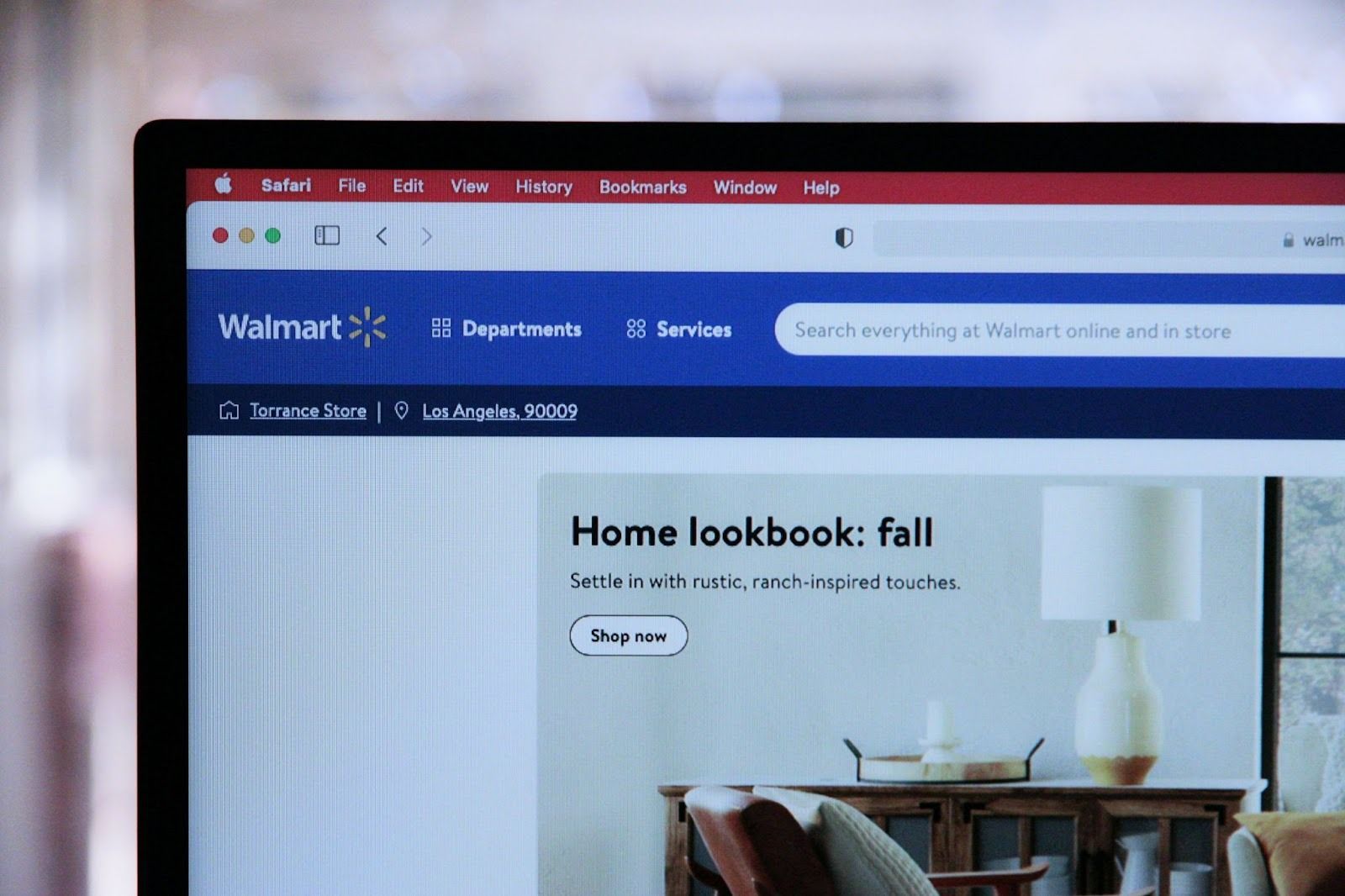
Walmart’s Winning Your Wallet Share. This is Walmart's first earnings report since John Furner took over as CEO, and the results indicate that consumers’ fight for value rages on. Q4 revenue was up 5.6% year over year, and while global eCommerce sales increasing 24%, eCommerce also accounted for 23% of the retailer’s US business, a record high. Comparable store sales increased 4.6% for Walmart’s US business and 4% for Sam’s Club in Q4, showing that the 2.3% foot-traffic increase Walmart alone saw in Q4 translated into tangible sales.
Revenue tied to membership services, including Sam’s Club and Walmart+, grew 15.1% globally, showing consumers’ insatiable hunger for savings on everyday items, including groceries. In fact, a new study from dunnhumby found that Walmart’s grocery penetration in the US has reached 72%, meaning the retailer serves more than 190 million American customers monthly.
🔮 We saw it coming. We named Walmart our Retail Winner of 2026 for its growing presence in consumers’ lives, even those in higher-income households. The retailer has made clear gains in grocery and eCommerce, especially its marketplace business, but we’ll see if our expected healthcare integrations come to fruition.
Clog Collapse? Not so fast. Crocs closed last year, beating financial expectations, reporting a consolidated revenue drop of 3.2% year over year for the combined Crocs and Heydude business. DTC sales increased 4.7%, but wholesale pulled results down 14.5% year over year. And although Heydude saw revenues fall 17% to $189M, the Crocs brand saw its eighth straight year of growth, reaching $768M in revenue. Social media, specifically TikTok, has been a boon for both brands. Crocs is currently the top footwear brand on the platform for US users, but Heydude in particular has noted a clear improvement in DTC sales after investing in its social strategy.
Crocs’ outside-the-box approach to product collabs and limited-time drops undoubtedly contributes to its social media impact. The brand recently launched a LEGO-shaped clog with the beloved toy brand, which we (correctly) predicted would sell out quickly. Heydude is undoubtedly a more subdued brand and, despite tapping Sydney Sweeney as a spokesperson, hasn’t been able to capture the same interest among younger consumers.

A Resale for Resale. Etsy has sold off Depop to eBay for nearly $1.2B in cash, a $400M loss from its initial purchase price less than five years ago. The move for eBay is clear: to bolster its resale portfolio and win over younger consumers. Ebay’s chief executive, Jamie Iannone, noted that Depop would complement the existing eBay platform and retain its name, brand, and culture. Indeed, the British secondhand fashion brand has done a great job building credibility and cloud among Gen Z: its “Where Taste Recognizes Taste” campaign rebranded resale as a vehicle for cultural clout, and its new “Depoponomics” initiative makes a clearer connection to financial dependence and wealth creation.
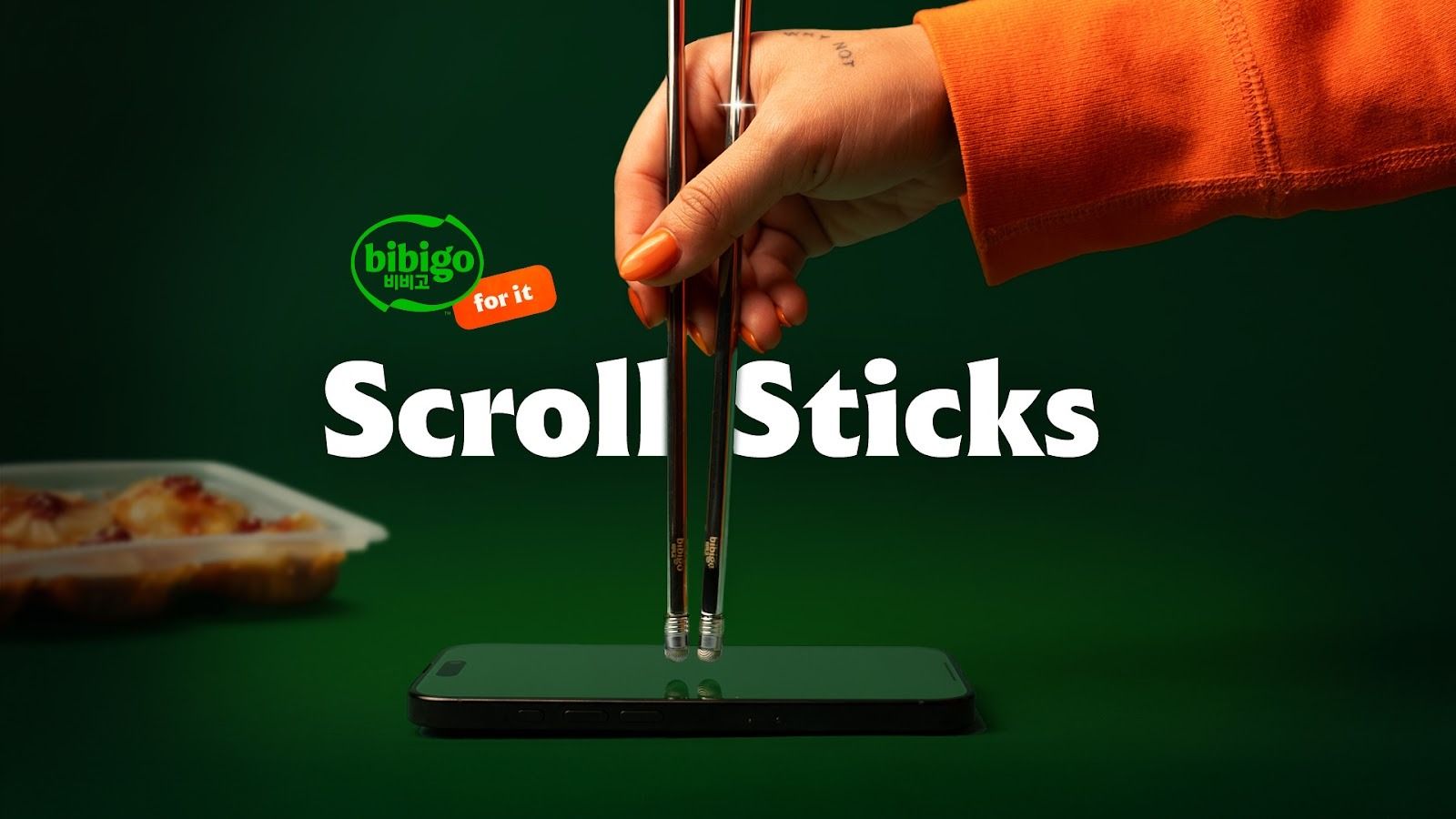
Chop, Chop, Scroll. Bibigo, the Korean food brand behind all influencer dumpling content you’re seeing, is riding the wave of its viral fame by getting into merch. Not just any merch…silver Korean chopsticks you can scroll your phone with. The limited-edition chopsticks are custom-finished with touchscreen tips so the chronically online can consume content and food. You may be asking, “Who actually asked for this?” Well, the brand has some data to back it up: 66% of Americans use their phones while eating at least one meal a day, and 30% struggle to hold their phones comfortably while doing so. Poor things. Foodies can enter to win a pair of the new chopsticks, which are available in limited quantities until February 23.

Lent Cuisine. Lent started this week, and QSRs are cashing in. McDonald’s is banking on history repeating itself: 25% of its annual Filet-O-Fish sales are typically sold during Lent, equating to 75M fish sandwiches. The Filet-o-Fish was created by Lou Goren in the ‘60s, a McDonald’s franchisee who saw visits from his largely Catholic customer base plummet every Friday. Bojangles is taking a different approach, turning its Bojangler fish sandwich into a limited drop, just in time for Lent.
Sweet Reese Revenge. The grandson of the inventor of Reese’s Peanut Butter Cups has put The Hershey Co. on blast for “quietly replacing” its key ingredients over the years. Reese took to LinkedIn (of all places) to air his grievances, noting that replacing milk chocolate with compound coatings and peanut butter with peanut butter‑style crème damages the trust, quality, and leadership that once drove the business. Hershey’s shared in a statement that the recipe for the peanut butter cups is “made the same way they always have been,” but that it will sometimes tweak the recipe to accommodate new shapes and sizes.

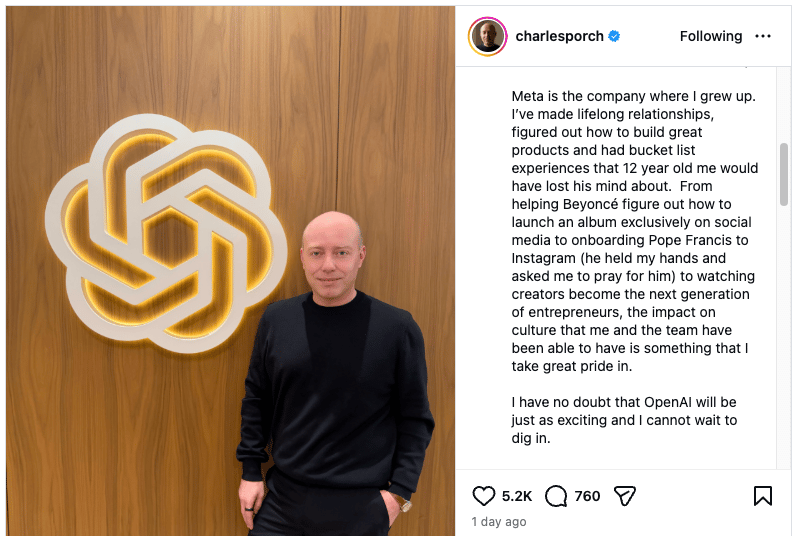
OpenAI Joins the Hollywood Elite. Charles Porch, the man who got Instagram to sponsor the Met Gala and Pope Francis to join the platform, has joined OpenAI as its new VP of Global Creative Partnerships. He spent more than 15 years at Instagram, Facebook, and Meta, embedding social media into landmark cultural moments like the launch of Beyoncé’s self-titled album in 2013.
In an interview with Vanity Fair, Porch said, “I’m going to be the person that’s talking to creative communities around the world to figure out how we build the best products to serve them.” His hiring comes after OpenAI made a breakthrough $1B licensing deal with Disney.


.svg)
