


.jpg)
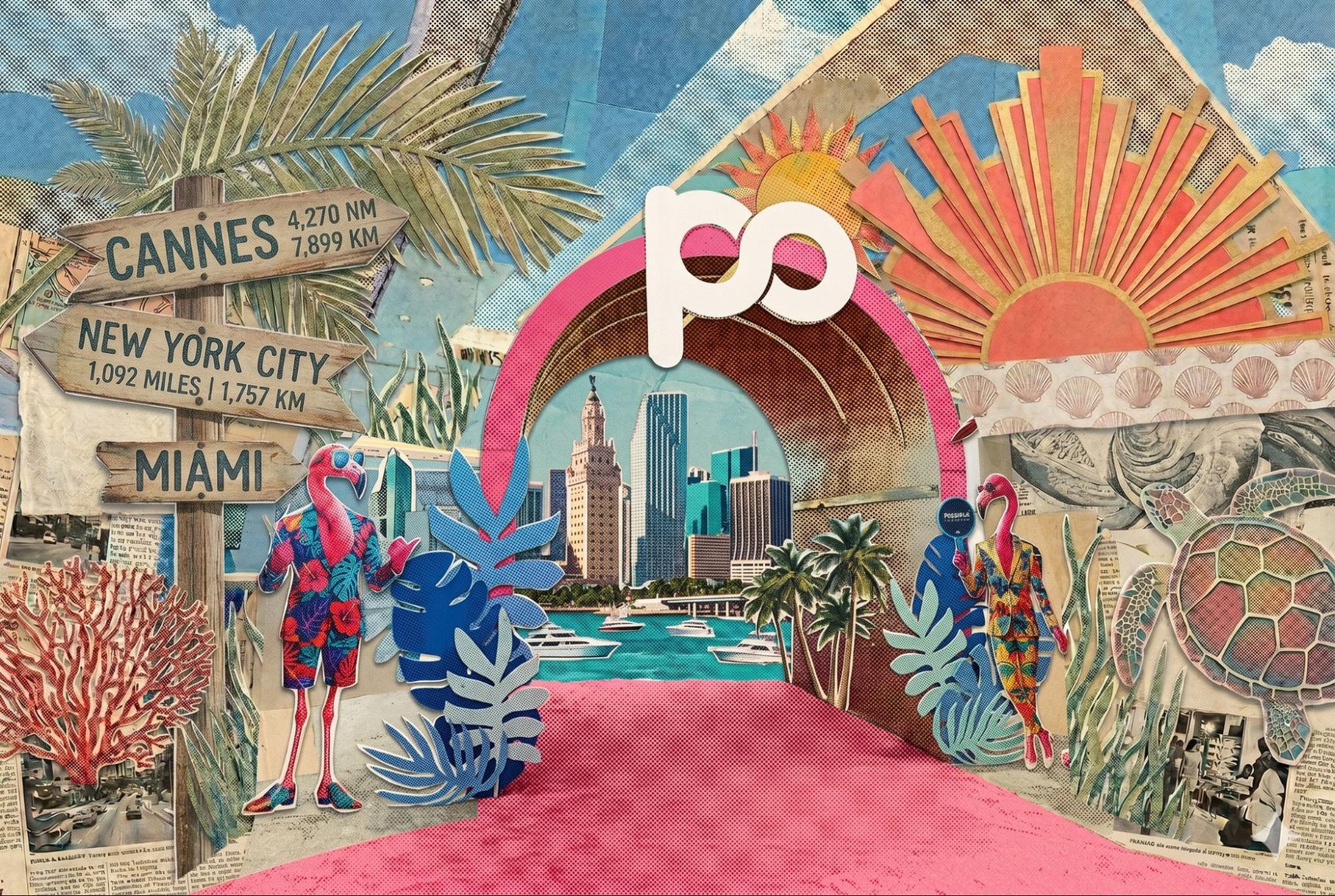
The Davos of Marketing wears flip-flops.

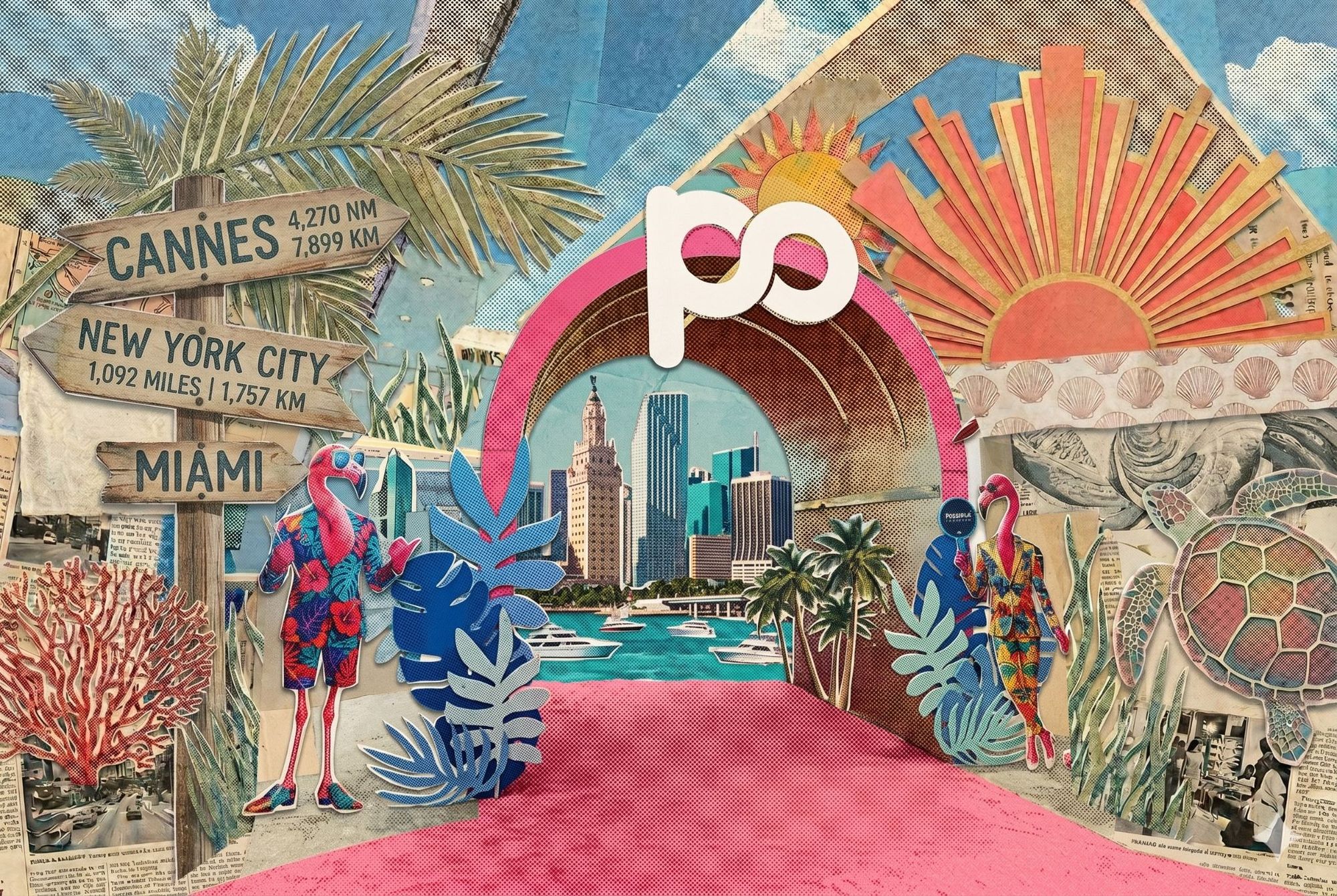
Welcome to Friday, futurists.
Miami in late April runs hot in two registers: first in its climate, second in its conviction.
POSSIBLE 2026 pulled on both, bringing warm weather and plenty of hot takes on martech trends.
This year’s installment of the marketing-centric event among the Hyve collective drew more than 7,500 attendees representing all players in the ecosystem: strategists, executives, platform players, media networks, vendors, and creators.
But it was “Cannes-in-sand-only,” because, for now, POSSIBLE lacks the city-level, strategically commercial halo that its French competitor enjoys.
Built In, Not Built Out
POSSIBLE is attempting to build an ecosystem and platform in its own right.
With stages, micro-events, and expo activations scattered between the Fontainebleau Miami Beach and the addition of the Eden Roc resort this year, POSSIBLE architected a private island of sorts where attendees were just as enthralled by the sand, waves, and luxe backdrop as by the speakers and programming.
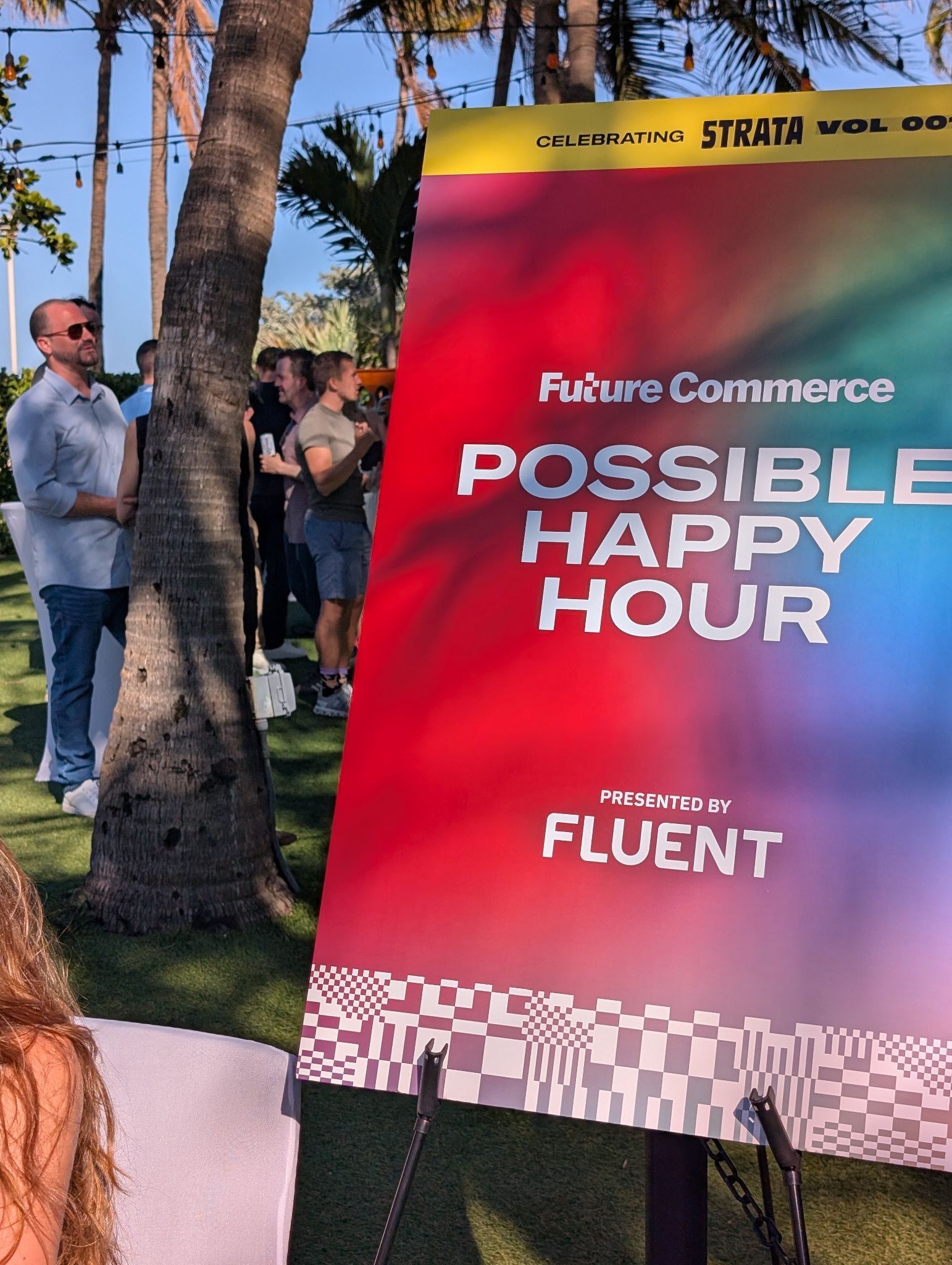
From the terrazzo lobby bar to the sandy beach networking events, in all the ways it was marketed, the event overdelivered. The depth of content, rich rolodex of speakers, and overall production adhere to the standards set by its parent company. Future Commerce enjoyed being part of it all as an official media partner and happy-hour host with our friends at Fluent.
But the real test of an event isn't the production value. Delivering an event and capturing the opportunity in a category are two different jobs, and in the latter, POSSIBLE has serious opportunity.
Whereas it may be unfair to compare POSSIBLE to Cannes Lions (e. 1954) or Advertising Week (e. 2004), it’s a testament to the size and scale of POSSIBLE in its relatively short run. The event began in 2024, and yet in March of this year, The Drum’s Gordon Young called it “The Davos of Marketing.”
Big words.
Davos, Cannes, and Advertising Week aren’t defined solely by the guest list, though. What turns a great gathering into an industry event is its commercial halo. The side meetings, late-night dinners, and the activations where big ideas turn into new ventures. In all of our conversations with attendees and sponsors, the size of this year’s event was both a blessing and a curse. It was harder than ever to pull off the commercial halo for businesses activating against the event.
To create a cultural footprint of an industry event, one can’t retain 100% of the commercial capture (something that POSSIBLE seems to have accomplished, either knowingly or unknowingly). By merely hosting the event at the Fontainebleau and Eden Roc, off-site events and city-level activations become logistically difficult. Getting an Uber takes 35 minutes, and getting your car from the valet takes about an hour. Are these gripes or are they hurdles? A little of each, depending on who you’re talking to, be it attendee or sponsor.
But the opportunity is real: Miami proper has grown into a true tech and startup ecosystem, with the broader metro area from Palm Beach to Key Biscayne relocating the global corporate headquarters of ServiceNow, Palantir, Goldman Sachs, D-Wave, Wells Fargo Private Wealth, Citadel … the list goes on.
Unlike the other events in Hyve’s portfolio, POSSIBLE has the ability to activate founders, operators, and businesses in the local economy and secure the city's buy-in. That's something you get with Cannes and, in a certain respect, with an event like Advertising Week. They create the spaces where deals are made, even if the majority of those deals are made outside the Palais or the Penn District.
Cannes wasn't built in a year (and Davos wasn't built on a beach). POSSIBLE has the calendar, the content, and a city finally ready to play host. The next move is to let Miami in and open the gates so that the deals, the dinners, and the after-hours can spill into the city itself.
Commerce follows culture; commerce is culture. Miami already has the culture. POSSIBLE just has to decide how much of it to let in.
Here’s our debrief of some of our favorite content of the week.
— Phillip
P.S. No, the Future Commerce roadshow isn’t slowing down. Next week, we’ll be at B2B Online in Chicago, where we’re moderating sessions. If you’ll be there, too, come to our Cinco de Mayo soiree. There are limited spots available.

The Funnel Is ‘Snakes and Ladders’ Now.
If you grew up calling it ‘Chutes and Ladders,’ we’ll forgive you for not being British.
In a panel titled, with admirable confidence, "All Media Is Commerce Media," Gordon Young, Co-founder and Editor-in-Chief of The Drum, opened by asking the room whether they agreed with the thesis. By his own diagnosis, he got a "totally hostile" reception.
But Paul Frampton-Calero, CEO of Goodway Group, reaffirmed a point that has been repeated in conference rooms, podcasts, and the Substacks that pass for thought leadership these days: retail media has been over-indexed on bottom-funnel performance, and the funnel itself is no longer a funnel at all. "I don't think we have a linear funnel from the top to the bottom anymore,” he said. “I kind of feel it's more like ‘Snakes and Ladders.’" He also called the bottom-funnel obsession a "death spiral for creativity."
How does opening the aperture to the full experience, from discovery to conversion, create new opportunities for media pros? When we view commerce media not just as a single platform but as an ecosystem, we can think more holistically about how brands can show up authentically and meaningfully. This allows us to use the store in particular as a storytelling platform that complements data-driven performance marketing. Molly Schonthal, who is Corporate VP and Head of Retail Media at Ace Hardware, has been on the job for six months, and she’s helping power a retail media network that’s already in 5,200 stores. Her point of view is influenced by Ace Hardware’s distinct value proposition and business model. With 84% of US transactions still occurring in brick-and-mortar stores, the most powerful networks, she believes, are both digital and physical.
“Commerce media can be the through-line stitching across channels, helping provide the context of where a consumer is in their relationship with a brand,” noted Mastercard's EVP of Commerce Media and Innovation, Nili Klenoff. Data is what provides the signal and insight brands and retailers need to contextualize those relationships and make better creative decisions. With 175B transactions a year in its arsenal, no guesswork is needed. "We're not guessing that someone's a coffee lover. We know they're a coffee lover because they are buying coffee every day at the same store." That deterministic signal is used to personalize content, build segments based on brand objectives, and close the loop on whether exposure actually led to a sale. That power is inseparable from trust: privacy-by-design, clear consumer control over data, and integrity practices are non-negotiables, especially in an “agentic future.”
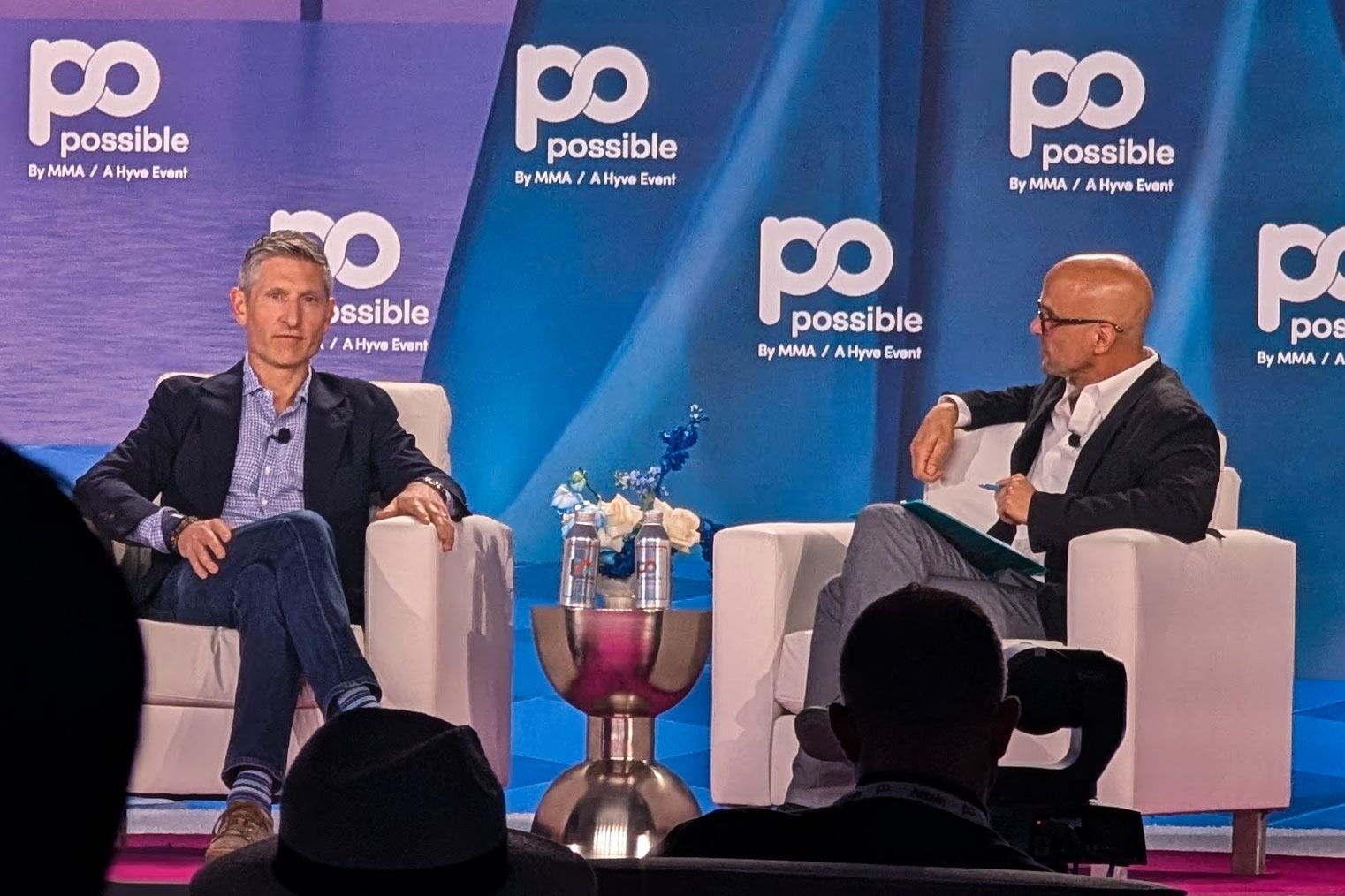
AI Drives 73% of Walmart’s Marketing Investment.
Walmart US SVP and Chief Marketing Officer William White sat down with Dr. Omar Rodríguez-Vilá of Emory University to explain how the largest retailer on Earth shapes brand perception and marketing operations as the business continues to change.
“Our business has fundamentally changed over the last several years, and yet this false familiarity that people have, people’s perception, hasn’t moved at the same level,” White said. “So we really set out to help people see us, not just as a physical store that you go to for non-discretionary stuff, but a store that has this broad assortment that people may not think of us for.”
The "Who Knew" campaign was the response. Actor and social-media zaddy Walton Goggins sat at the center of the initiative, which ran for half the year. It was humor-led, app-forward, and every spot ended on the same earworm. (We even covered how it translated into a compelling yet cringey Grinch-themed holiday activation.)
Innovation was the connecting point. While the retailer banked on the weight of its logo and long-term presence in American culture, the campaign centered on its investments in fulfillment, membership, and digital experiences. And even more innovation has been happening behind the scenes. White noted that "73% of our marketing investment is in some way AI-enabled,” from targeting and bidding to media placement and dynamic creative.
But “being AI first doesn’t mean people last.” White also doubled down on Walmart’s cultural principles, including: being “customer obsessed and commercially minded,” “proud past, future focused,” and “servant leader always.” All of these mantras balance innovation, commercial viability, and a focus not just on humanity.
🤖AI’s influence on how we work, shop, and live is the epicenter of Agentstethica, one of the top 10 aesthetics covered in our latest zine, STRATA.

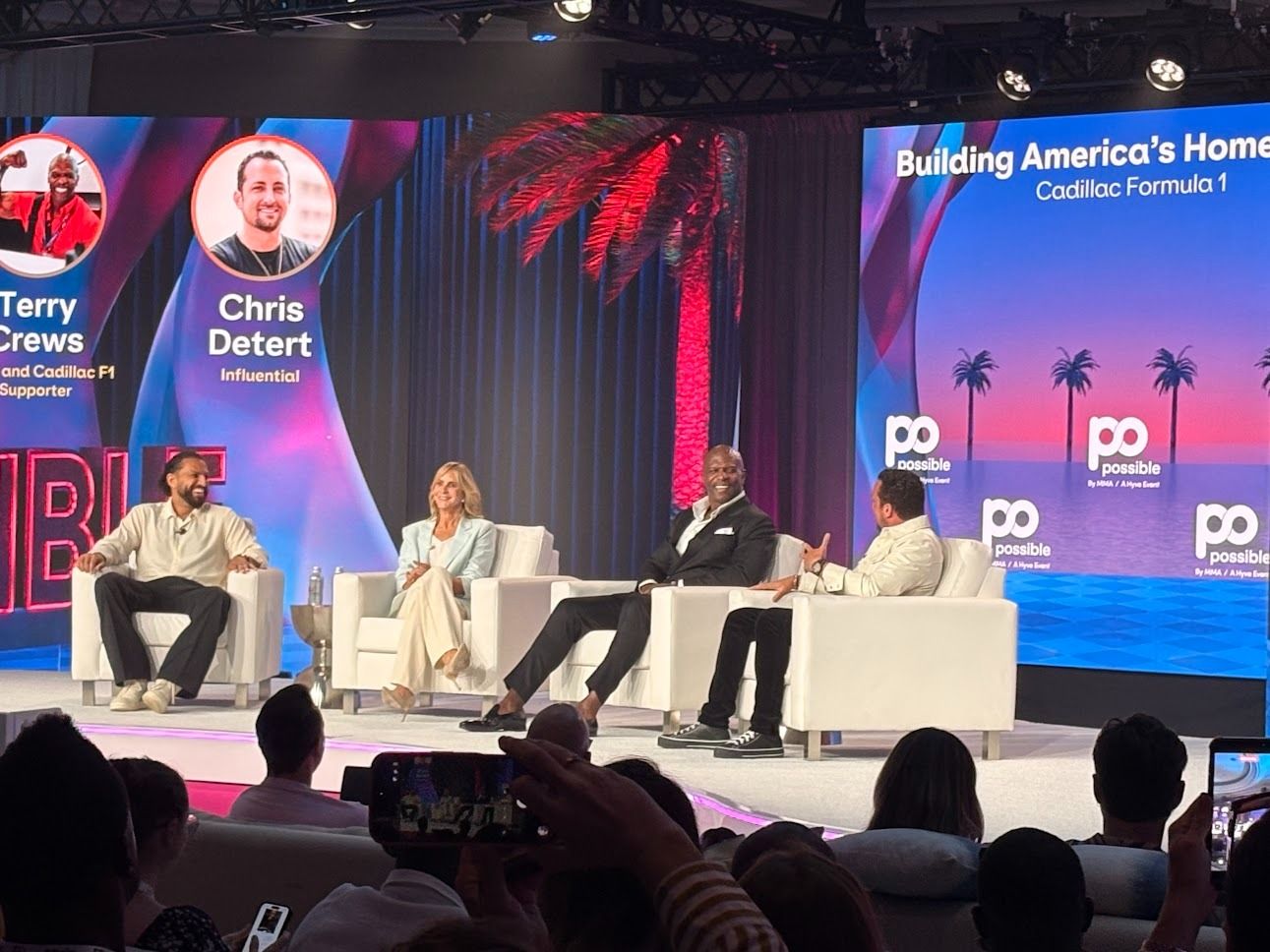
Fandom in the Fast Lane.
Tactile retail beats, physical stores, hardware, and ritual usually live a few ZIP codes over at NRF or Shoptalk. But POSSIBLE 2026 surfaced one from an automaker's brand-new Formula 1 team, just a few days from its hometown debut.
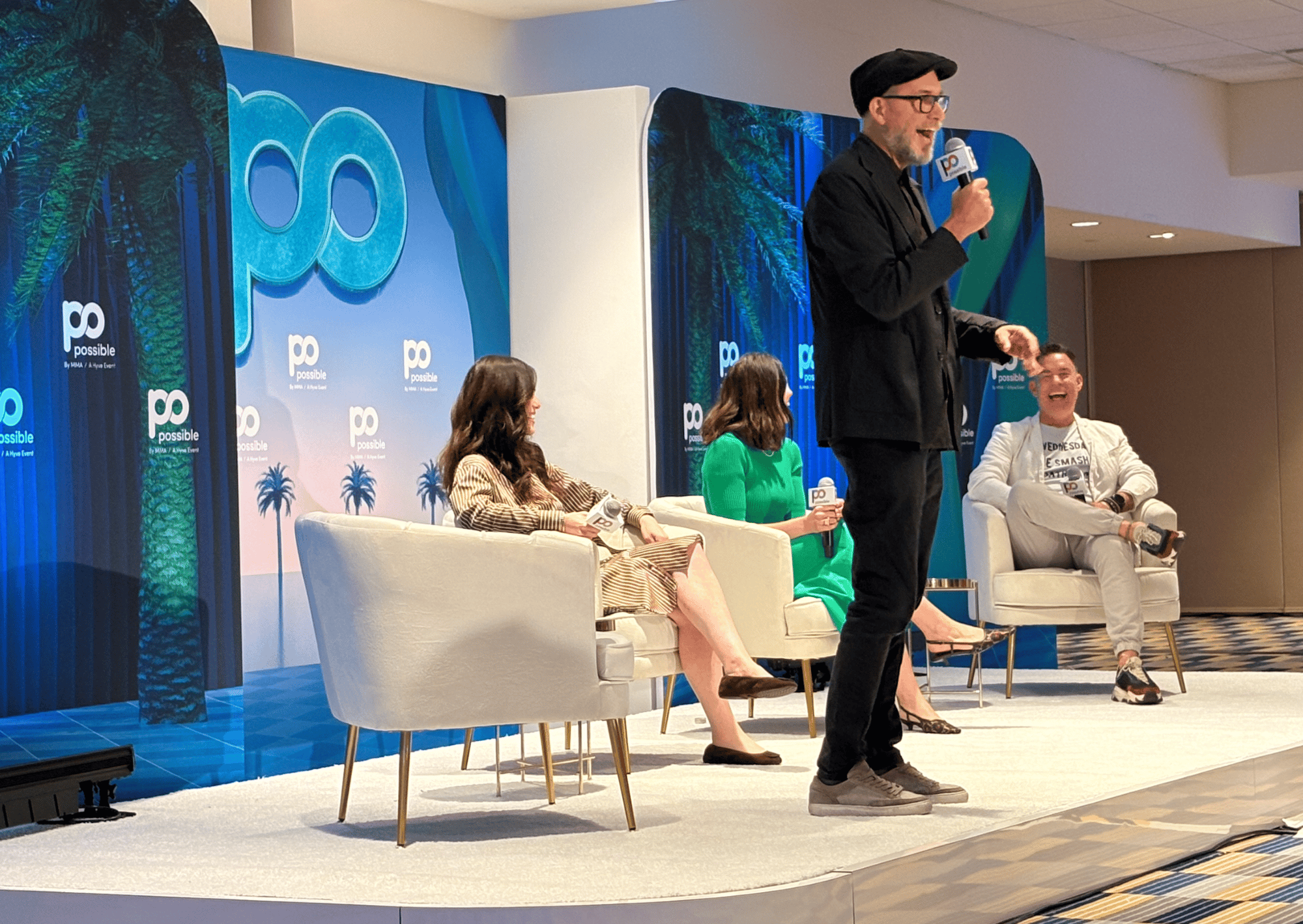
The Cadillac Formula 1 Team is the first new constructor on the F1 grid in eleven years and the first American manufacturer ever to race in the series. CMO Ahmed Iqbal and TWG Motorsports COO Jill Gregory were on stage with brand ambassador and actor Terry Crews, discussing how to build a sports brand before the sport has even started. "We’re in a performance-based business, so everybody’s watching what we do on and off the track,” she said. “But that authenticity is the key there.”
She explained that if the team is doing anything right or authentically, that means “we’re going to give them something they didn't know they were missing. They didn't know they wanted it until Cadillac F1 came along." That’s where brand building and brand trust come into play.
And to build that brand trust, you need cultural relevance and community connection. While American motorsports historically has been very rooted in accessibility and fans “touching and feeling” the brand, Gregory noted that “F1 hasn’t necessarily had that. It’s been very closed off, elite, and aspirational. But we want to bring that American accessibility.”
Cadillac F1 will take over Jungle Plaza in the Miami Design District for race weekend and partner with local Miami businesses, Chug's Diner, Queen's Patties, Wolf Tacos, and a neighborhood nail-art studio, showing the brand in the context of a block party-type experience versus a KPI-focused commerce experience.
“This is a home city for us, and we want to really look at the talent that's here, the creative that's here, and integrate that into our experience,” said Iqbal. “A lot of what we do as a team is to reflect the community and the fandom that we want to represent.”
🏁We covered how retail brands are tapping into F1 culture in our latest Insiders piece.

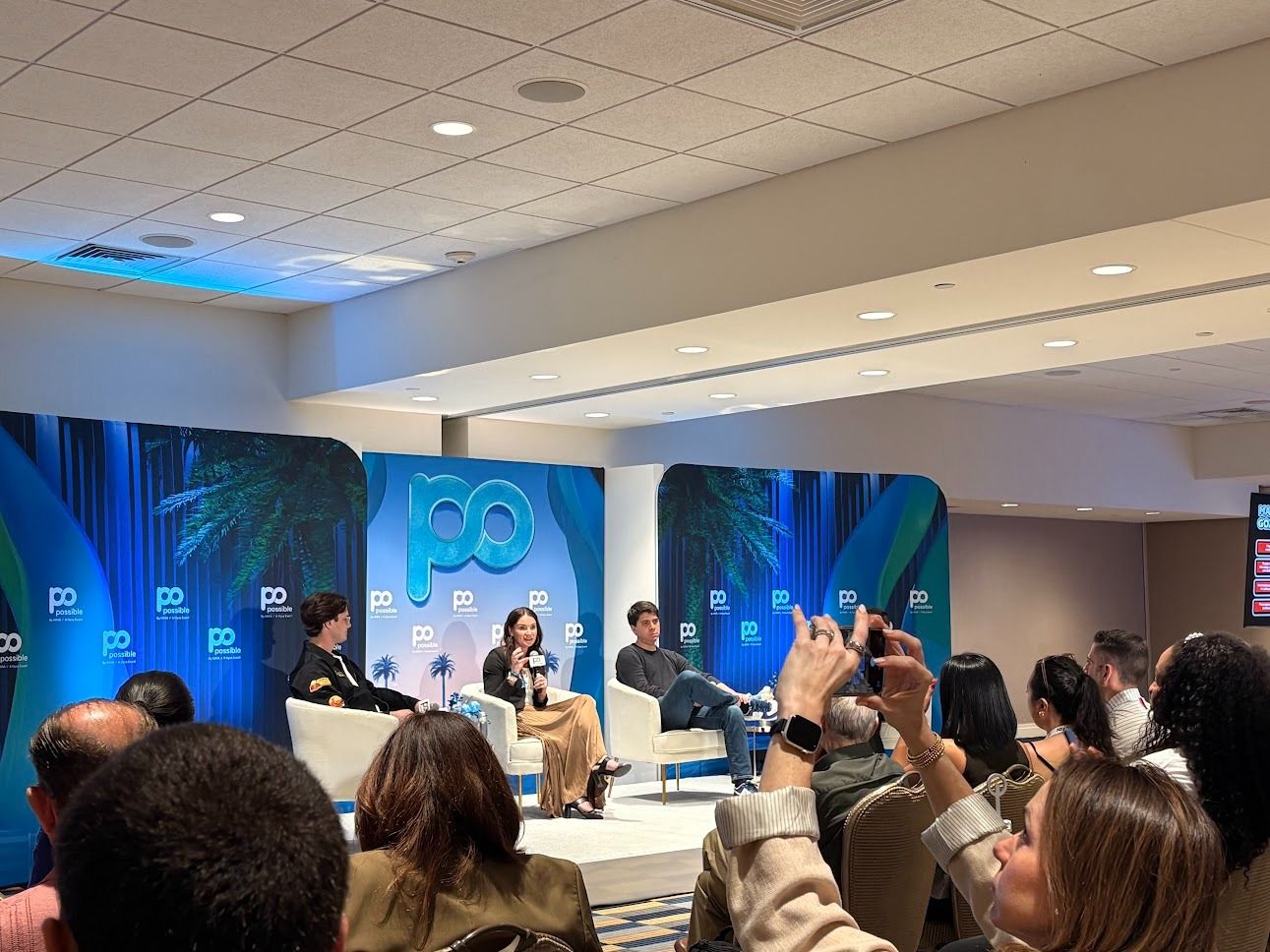
Tight on Outcomes, Loose on the Recipe.
PepsiCo's Global Head of Creative and Content Transformation, Kate Brady, stood up the Global Creator Center of Excellence about a year ago. The goal? To develop a new social flywheel that builds campaigns around creators and gives them the autonomy to act as creative directors. After all, the data shows that 67% of consumers make purchase decisions based on creator recommendations, and 77% went as far as to change their lifestyles based on creator recommendations.
The end framework is rooted in being “tight on outcomes, but loose on the creative process,” according to Brady. “If we’re partnering with different people, we want their perspective, but the guardrails are non-negotiables, from a safety, compliance, and legal perspective.” The ripple effect impacts not just the creative process but also how the team measures success. Brand lift studies can take six to eight months, so the team has to track, collect, and analyze signals across social platforms more effectively to act in real time.
One recent campaign, Frito-Lay's "Flavor Swap,” showed the power of the flywheel model. In fact, it was considered the biggest creator activation in PepsiCo's history. Three creators, three brands, three flavors. IShowSpeed got Doritos. Dude Perfect got Ruffles. Madison Beer got Cheetos. The entire creative approach was creator-influenced, according to Paul Mascali, Entertainment Marketing Director - Entertainment, Gaming, and Creators. “We did not create a spot for this. We did not do any brand content.” But the result was still a true 360-degree program that tapped into 1,000 TikTok affiliates, 4,000 unique pieces of content, and nearly 210M impressions.

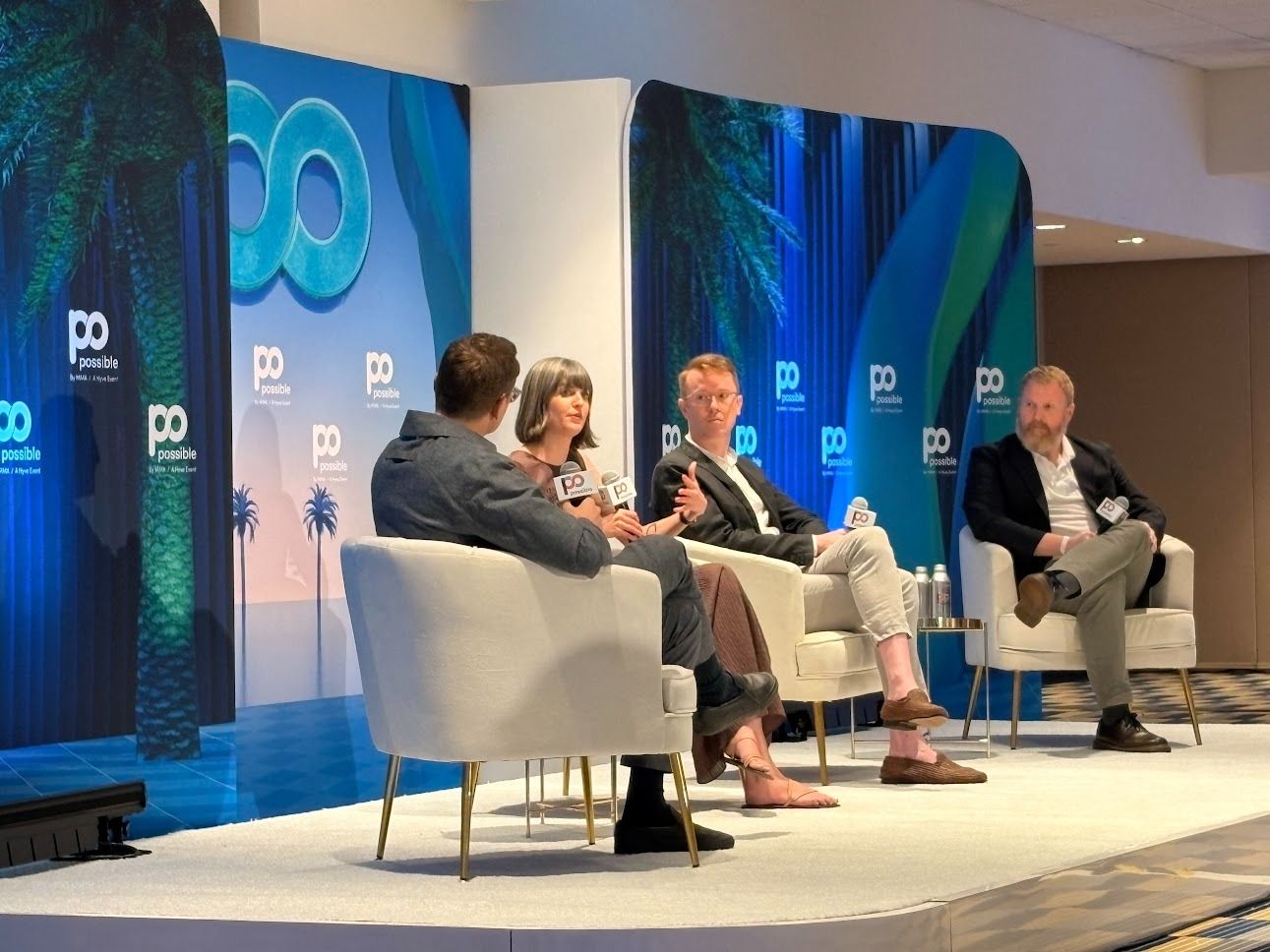
SERP-Less Shopping.
Four EMARKETER analysts walked on stage and proceeded to drop more numbers in 38 minutes than the rest of the conference combined. With Matthias Braun moderating, Sarah Marzano represented retail media, while Max Willens supported social media, and Nate Elliot offered insights on search. The top-line takeaway is that the US digital ad market will hit $400B in 2026, growing 13% year over year. Retail media, social, and search will make up more than 80% of spend by 2029.
But, of course, the thing to watch is AI. AI search ads will be 5% of the market in three years. Four in ten US internet users will use an LLM at least weekly, with daily time spent reaching 23 minutes per user by 2027, and 14% of eCommerce transactions will be AI-driven.
Elliot broke down what a new AI-driven customer experience looks like in real time. He walked through a Gemini answer-table for "best carry-on,” which took 60 seconds, versus a traditional Google SERP journey, which took 45 minutes. While Gemini provided four products, the standard Google SERP offered 28. "You're not getting options," he said. "You're getting answers."
But make no mistake, search isn’t going anywhere. While the total number of minutes spent in ChatGPT, Perplexity, and Claude has grown 5X in 18 months, Google minutes have increased overall. “For that reason, we don’t see AI replacing search; we see it as an additive behavior to search. While AI has the capability to compress the customer journey by giving answers instead of options, it turns out people do still want options. They still want to be part of their own decision-making process. It looks less like choice compression and more like choice expansion."
🖱️How is AI shaping what we click and why? Our survey of 2,000 US consumers reaffirms some of the points that Elliot shared.
Industrialize the Experiment.
Novartis CMO Gail Horwood sat with Shiv Singh, CEO of Savvy Matters, for what was technically a fireside chat but came off as two friends gabbing. Pharma was the most-regulated category at the event and, as a result, Horwood explained that the company’s framework for AI must be intentional and patient."Experimentation is amazing, but at some point you have to industrialize." That includes brand frameworks, tagging, foundational data, and the boring layer underneath the model. Singh's paraphrase of "You have to go slow to be able to go fast” truly encompassed the nuance.
Novartis is pulling other levers for brand equity and performance. It is the first pharmaceutical brand to partner with the NFL, which means the pharma company earned attention through culture rather than traditional media spend in a vacuum. Novartis is also affiliated with six teams across the US, and “really, it’s to bring proactive health and healthy diversity at scale. So we’re reaching thousands and thousands of people. We’re doing live screenings, and we’re really showing up differently. It goes beyond a Super Bowl ad.”
.jpg)
.jpg)

.svg)
