[00:00:01] Phillip: Hello, and welcome to Future Commerce, the podcast at the intersection of culture and commerce. I'm Phillip.
[00:00:06] Alicia: And I'm Alicia.
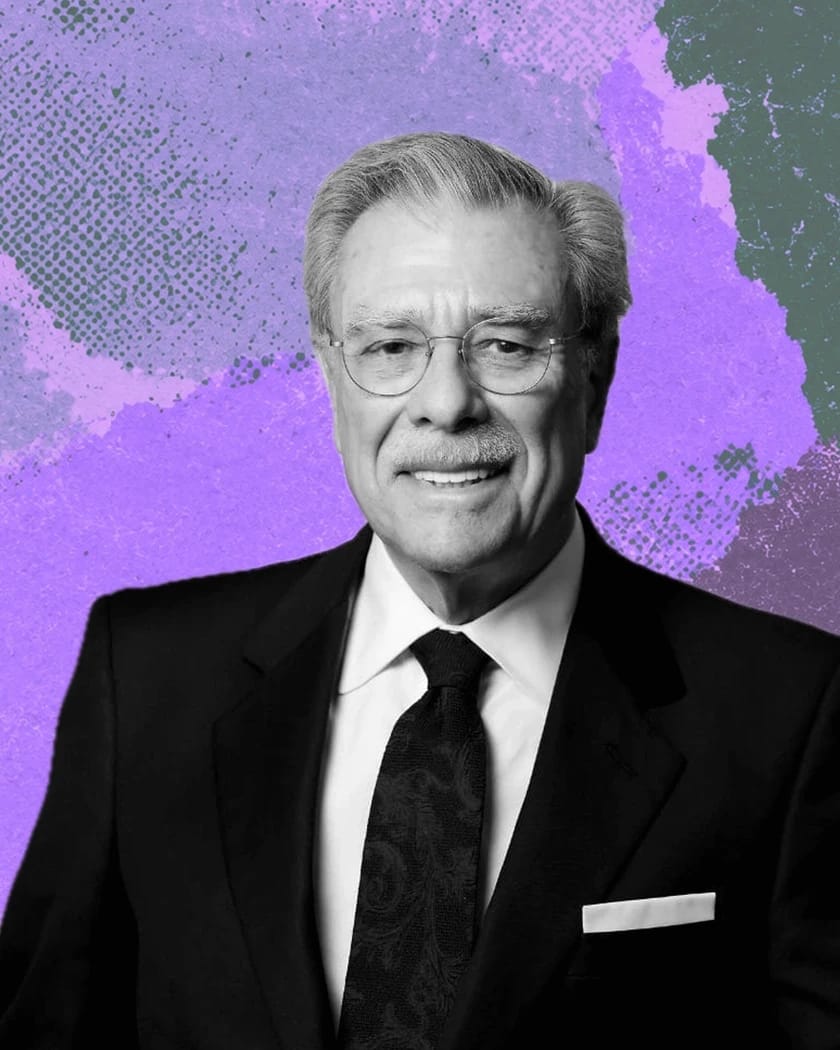
[00:00:07] Phillip: And today— I feel like I had to— last night I put on a red-light mask. I did a little extra, you know, groomed a little extra. I did. Like— you know, my wife would probably tell you— she's just gonna tell on me, you know— I did the eyebrow trim. I did it all, in preparation for our next guest. He is the Chief Marketing Officer, Onyx Global Group. That's the parent company behind Pure Daily Care and AquaSonic. So that's why we have to be on our best game today. He spent the last fifteen-plus years driving growth through ecommerce and omnichannel strategy. And he's gonna teach us a thing or two about influencer and TikTok ad strategies, and helping Pure Daily Care go viral and activate a creator community that's driving real awareness and sales. So welcome to the show, Jonathan Cohen.
[00:00:53] Jonathan Cohen: Yay. Hold for applause. You look great. Your grooming looks great. Both of you look great. You definitely look like we've been using Pure Daily Care products, because your skin is glowing. And I'm excited to be here.
[00:01:11] Phillip: I appreciate that. We're excited to have you. You know, there is a real movement— and I'd say it's a global movement— and, you know, people that really are investing in the way they look. It's not just aesthetics. I think people see this as an element of self-care. They're investing in themselves, right? Like— it started maybe as a joke, with memes online fifteen years ago, the "treat yourself." I think that this has really become a part of our culture. Tell us a little bit about what you're working on there, and your daily role and your current remit as CMO.
[00:01:46] Jonathan Cohen: Awesome. So, again, thanks so much for having me. Onyx Global Group is a brand incubator. Our two biggest brands are Pure Daily Care, which is aesthetic-grade skincare tools for at-home use, and AquaSonic, which is professional oral-care tools— like toothbrushes, water flossers. And both brands, at their core, provide results, but also value.
[00:02:12] Phillip: I thought I had a competing brand of, like, a Waterpik, but I've got the actual— I've got an AquaSonic device upstairs. So we're in the family, so to speak, Jonathan. But, Alicia, we're gonna get into, I think, all of the cultural impact of this— of how these brands that we're talking about here today, the Onyx Global Group, are incubating— are helping people with, you know, creating— I think, from the creator-economy perspective, are helping to shape the way that people think, the way that people live, the way people act in the world.
[00:02:53] Alicia: Yeah, absolutely. And for me, it's such a fascinating space, because I grew up in an era where skincare, quote-unquote, was the apricot scrub, where you're literally just, like— yes— sloughing off your skin. And now we're in this world where you essentially have access to professional-grade devices that you can use for dental care, skincare, just wellness in general. And, you know, Jonathan, I'm curious from your perspective: what was that cultural trigger point that really democratized this technology, for one? But then, on the other hand, what was the cultural moment that made consumers feel like, "Yes, this is something I need in my home," versus, say, going to a spa or a medical clinic to get the specific services from a third-party expert, so to speak?
[00:04:03] Jonathan Cohen: It's a great question, because I joined Onyx in 2021.
[00:04:07] Phillip: Mhmm.
[00:04:07] Jonathan Cohen: We were in the middle of lockdown, and I had just downloaded TikTok the year before. And, as probably someone not in the target demographic at that time as a TikTok scroller, I was shocked to see the level and amount of skincare education and skincare influencers that had made a following for themselves on TikTok— but, most importantly, how the algorithm favored self-care content. A few other things— you know, I've actually worked for a dermatologist. I've also worked for a brand called Dermalogica, which is the number-one professional skincare brand in the world. Their entire brand was based around educating aestheticians and giving them the tools and the knowledge to treat people— you know, give them facials, aesthetics treatments. So I had a bit of a background in that. And one thing that I didn't see until 2021 was an affordable, accessible way to get a skincare tool that an aesthetician or dermatologist would use, at home. And that's really where Pure Daily Care came in at the beginning— it was the first time that you could learn about those tools, but also get them home and use them without spending thousands of dollars.
[00:05:27] Phillip: Give us an example of a few of the products that Pure Daily Care might be recognized for.
[00:05:33] Jonathan Cohen: So, our number-one most viral product is called the NuDerma High Frequency Wand, and it's been used in aesthetics treatment rooms and even dermatology offices for decades. My mom had them used on her during facials. There was never a portable version. So our co-founder of the brand— his mom was an aesthetician. And as he kind of dabbled in— "What am I going to do after college?"— you know, kind of finding out where he was gonna go in the business world— he wanted to take a stab at selling products on Amazon. And because he saw that opportunity, of a demand— people really want to take care of their skin, but there were no tools there— he started sourcing and looking for tools, and really created— I actually have the box here, and I didn't actually bring it up for this call, I actually just have it sitting here on my desk, because I'm constantly referencing it. Yeah. And now, I joke, because it looks so dated— it has a photo of a woman on it— but it is the viral box that people recognize on TikTok now as the NuDerma High Frequency Wand.
[00:06:43] Jonathan Cohen: And that's probably a prime example of a tool that nobody else had, nobody else made portable. So if you got it at your aesthetician's office, if you had a high-frequency treatment, and then you saw it on TikTok, it was our brand that you would then go and purchase from. There were other tools. We had the number-one facial steamer, called the NanoSteamer, which launched on Amazon. And when you go to get a facial with an aesthetician, one of the first things they do is turn on the steam, they put it on your face to open your pores, and it is the beginning of every treatment. To show someone at home that, "Hey, you don't have to wait to go to the aesthetician— when you're doing your nightly skincare, just steam your face at home, because you know the products are going to work better. Your aesthetician already showed you that, and now you can do it every night." So those are just two examples of products that we launched that have dominated their categories and gone viral on TikTok.
[00:07:43] Phillip: So— when you're thinking about the type of virality that happens— you know, first with the type of product and the accessibility that you've created through the world's largest marketplace. You talked about the launch on Amazon, now this consumer accessibility. We now have a lot of internal industry conversations around having a direct relationship with the customer. And, obviously, Amazon has a relationship with that customer, right? You want to grow and foster a new, sort of more direct relationship with a customer, I'm sure, as a brand, as you're growing and launching new channels. I'm curious— as you're looking back, what did starting on Amazon teach you about that consumer behavior that a DTC launch might not have? Any thoughts around that channel strategy versus others?
[00:08:49] Jonathan Cohen: It's such a great question. Because DTC ten years ago was the main vehicle that people were like, "I'm gonna launch a brand on Shopify, I'm gonna do ads, and I'm gonna get customers." And we had, sort of, the advent of— I don't know— the Shark Tank brands, right? "Somehow I'm gonna get this really trending product, I'm gonna get a ton of traffic." But, in reality, it doesn't work that way. You start a Shopify site and you have zero traffic on day one. Nobody knows who you are, what your URL is. Launching on Amazon— this is the first brand that I've worked for that launched on Amazon, and I thought it was strange. Just to back up— I got a call from a recruiter one day that said, "I have a guy. He created these successful brands on Amazon. He wants to take them off of Amazon, diversify, and we think your background would be a good fit." I said, "Wow, I don't think so, because I don't know anything about Amazon." I was very honest. "Amazon is not my place where I've optimized for." And he said, "No. Look. Amazon is where it's successful, but you have DTC success. We've seen what you've done with online retailers. We wanna take these brands there." And, I mean, I dove in headfirst and learned Amazon. Right? You have access to billions of visitors monthly. So when you launch an electric toothbrush— per se— with AquaSonic, you have tens of thousands, if not millions, of searches for electric toothbrushes already.
[00:10:26] Jonathan Cohen: If you put up an ad and you have a great product and great marketing, you're gonna get a conversion so much easier on Amazon than trying to start from scratch with DTC, and the customer acquisition cost was so much lower, in our case. And, also, we were one of the first companies to embrace launching brands on Amazon. It works backwards now. Now everyone goes, "I got to get my brand on Amazon." That's where people are now replanning. Now Amazon has Prime— but we were there first. And so we have the opposite challenge. But being in a comparison-shopping environment, where you're up against hundreds and hundreds of competitors, taught us to be really scrappy— how to tell the story of our product quickly, how to really hone in on what the keywords and differentiating points were about our products, how to price in a way that was both profitable on first purchase but also really spoke to the consumers and made them loyal to our brands. A lot of Amazon shoppers are not brand loyal, as we know. And— long, roundabout answer— we started building up reviews really early on in our launch process. Now our one toothbrush has 125,000 reviews. So investing early in Amazon, before anyone else did, is still some of the cachet that, to this day, helps conversion and helps us establish ourselves in the marketplace.
[00:11:55] Phillip: So true. Yeah. And I see now, you know, TikTok— as you have already alluded to— began as a place where many people during the pandemic, like myself, spent an inordinate amount of time, found a lot of entertainment there, and then found a lot of utility there in discovering new products and becoming inspired by a lot of creators who were helping me shape a lot of my tastes through that platform. And then— you know, we talk a lot on this show about the collapse of the funnel. It became sort of effortless to buy through the platform. Tell me a little bit about your TikTok Shop storefront and community-platform strategies within your role.
[00:12:50] Jonathan Cohen: If I back up to 2021, before TikTok Shop— I took a look at TikTok. The first thing I did was search for our products, to understand: what is the conversation about AquaSonic and Pure Daily Care on TikTok? I knew that it was emerging. There was no shop yet. We were two years away from shop. Yeah. And I was astounded to see that the NuDerma wand had over 10 million views, from— wow— I don't even know if you'd call them influencers; at that point, just TikTok posters. I don't even wanna call them creators at that point. It was just people joining the platform, talking about whatever interested them. There was no monetization plan on their side. They just talked about what they loved. In particular, in 2021, you couldn't go to your aesthetician or dermatologist, because they were locked down. So aestheticians themselves started accounts and said, "You know, if you wanna do this treatment at home, get the NuDerma wand on Amazon. This is how you use it." They were our early influencers that had no vested interest, essentially, except for educating people on the product. And the only way to monetize it at that time was to work with TikTok ads, which many brands had not yet embraced. We were one of the first brands to run TikTok ads. And my strategy was to mimic the videos that were going the most viral. So if we had a video from a creator about the NuDerma High Frequency Wand saying, "You have to get this one. This is what it treats. This is how I use it"— I would replicate that video, and then I would advertise it. And we were one of the first case studies done by TikTok on TikTok ads, because we saw such huge success sending those ads to both our DTC site and to Amazon. So that was the genesis of Pure Daily Care becoming embedded in the TikTok ecosystem. That's when we got on their radar.
[00:14:51] Phillip: There has been a lot of conversation, at least in the retail-media space, about, like, endemic versus non-endemic. And I think what people have forgotten in the post-TikTok-Shop era is that all brands on TikTok at one era were non-endemic. Like, you had to have these strategies to utilize advertising that natively was pushing people off the platform— which is, I think, what we've all forgotten in the TikTok captive ecosystem. Now, I think something that we're on the verge of is, sort of, first-party fulfillment in the TikTok ecosystem— that it's about to look a lot more like Amazon than it does today. But that's a horse of a different color, a conversation for another time. But, yeah, I think that's such an interesting point, and thank you for sort of bringing us back to where things used to be— because it's really progressed so far in just a handful of years. It's wild to think about how far we've come in just, you know, three or four years' time.
[00:15:57] Jonathan Cohen: Without Amazon first, everyone that saw those videos on TikTok would probably be Googling and going to a DTC site, and not feel that comfort level of—
[00:16:07] Phillip: Correct.
[00:16:08] Jonathan Cohen: —"I heard about this, now I wanna buy it." But they were going to Amazon and seeing the tens of thousands of reviews that we already had.
[00:16:15] Phillip: Yeah.
[00:16:16] Jonathan Cohen: And that was a magic combination of— "it's gone viral on TikTok organically, and now I can go to Amazon, get it with Prime two-day shipping, I've seen all the reviews, I trust the reviews." And, you know, TikTok obviously was very smart to understand that Amazon was the destination that people were going to, and decided that they wanted to take that into their own hands.
[00:16:38] Phillip: Just to remind everybody that's very much in the shop talk of it all, in this ecosystem— we were also in the middle of, sort of, a one-click-payments boom at the time. Mhmm. Like, 2021, 2022, you had this competing ecosystem of folks who were trying to push DTC really hard. And the Shopify of it all was part of the conversation, but Shop Pay had not won. It was not, like, the default de facto winner here. And so you had a lot of folks pushing for these niche solutions— that, you know, many of them were sponsoring our show at the time, so I wouldn't wanna throw any shade, and I definitely partnered with them— you know, there was no winner, right? And so you had a lot of folks who were— hindsight here is, you know, you could definitely color the way that you look at history, because you're looking at your current context. But the reality is, Shopify has a dominant position now in a way that definitely seems de facto. In 2021, it almost certainly wasn't the case. Amazon as a launch strategy— I definitely, you know— and especially with, to your point, folks using that as a primary search engine for a commerce-based decision— it makes all the sense in the world. Alicia, you were—
[00:18:05] Alicia: Yeah.
[00:18:06] Phillip: —jumping in.
[00:18:07] Alicia: No. And I think, you know, looking back at the early days, so to speak— you know, 2020 and 2021— I mean, that was the foundation for all of the behaviors that seem so innate today. And I think that's why I find this transition from Amazon to TikTok to TikTok Shop today so fascinating— because they do sort of build upon each other. So, Jonathan, I mean, you were able to set this foundation for what worked for the brand, that model that you were able to repeat and scale— a formula, so to speak. So how did you take that model that worked from an ad standpoint, and then, when we get into the TikTok Shop era, kind of meld it into a more robust strategy? Like, how did you know what to test, what to incorporate? And was there, I guess, a learning process at all? I assume so, just because it was such a new experience for the platform itself— even though maybe some of the behaviors were very much representative of things from other platforms like Amazon. Like, what was that journey like for you?
[00:19:33] Jonathan Cohen: I wish I could say there was a cohesive, coherent strategy of how to get from point A to point B when TikTok Shop launched. The second that we heard about it, because we had a relationship, we started furiously emailing them: "How do we get on TikTok Shop? We wanna be the first brand." There was a waiting list. They couldn't even figure out, "How do you get brands onboarded? How do you verify their trademarks?" It was such a wild, wild west of who's gonna be the first to get on the platform. And we launched a month and a half before Black Friday, Cyber Monday in 2023.
[00:20:08] Phillip: Wow.
[00:20:10] Jonathan Cohen: It was before— you know, right now, TikTok Shop is about the creators. We all know that without creators, there would be no business on TikTok Shop. It's not a marketplace without people's videos surfacing, sharing a product, and linking to the product. That's what I focused on starting on day one. We had our products up there. We knew that we had gone viral organically. So, "How do we replicate what we had with TikTok early success now with TikTok Shop?" And I think the creator monetization is where I leaned in the most. "How do I get my products into creators' hands? How do I build a mutually beneficial relationship? How do I know what works?" Right? Brands— the old days, you had a budget, you divided it among as many influencers as you thought resonated with, represented your brand well. You gave them some talking points, and then you had to figure out what to do with that content. Now we put samples into creators' hands. If they do an amazing job with an amazing video and it hits at the right time, they can make a lot of money. They make a commission.
[00:21:23] Phillip: Mhmm.
[00:21:25] Jonathan Cohen: At the same time, they have to be authentic, and they still have followings. So we're building these relationships with skincare influencers, who are now creators, right? It's that blurry world of, "Are they an influencer?" You know, people think of influencers as having that strong organic following, and then every once in a while they'll do a paid ad. But creators are really now putting products into most of their videos without ever having a direct relationship with the brand. So we, as a brand, have cut checks for tens of thousands of dollars to creators that we've never spoken to before. That is the biggest shift, I think, with TikTok Shop, that you'll see— is, you no longer have strict control. I'm not the CMO that creates the vision and my team cascades it down. The creators are our mini-CMOs. They build their own marketing plans. They have their own talking points and their own strategies to sell our products, essentially.
[00:22:31] Phillip: Yeah. I've heard a lot of discourse around— you know, the way the algorithms work today is, sort of, we're in the post-follower era, right, because we're in the discovery era now. And, you know, because the best content wins, and it's interest-based content— organic, sort of, follows and big followings come from an era where people built those in the before times. So they still have them and they still activate them, and those are great. Now it's superlative content, right? And the people who are great at creating and producing superlative content are able to— some can just execute it over and over again, and they can come out of nowhere. They can just show up overnight. And I think brands are realizing very quickly— and I'd love your take on this— brands are realizing very quickly that those folks are hard to go and find, but when they show up, you really want to keep them. What is your opinion and your take on that? Do they tend to float around, or do you try to work to keep them in the fold?
[00:23:43] Jonathan Cohen: We have creators that pop up out of nowhere, as you say. And when I say "pop up," meaning all of a sudden we see a video has driven $20,000 of revenue in two days. We've never spoken to the person. We actually didn't provide them a sample. They bought it on Amazon, maybe. Maybe they bought it on TikTok from another influencer, and then they go and create content.
[00:24:04] Phillip: Wow.
[00:24:07] Jonathan Cohen: When we go back to what TikTok started with, right— it was never about what they now call shoppertainment. TikTok didn't originally— TikTok was just a platform to, like, try to disconnect from being locked up inside during COVID and get some kind of humor and dance trends. And it wasn't about what we see now, which is this creator economy. So I think the nice thing is, there's very strong democracy, right? You don't need to have 5 million followers to be successful on TikTok, to make a living for yourself on TikTok.
[00:24:46] Phillip: Right. It is shifting so much toward discovery and great content that— you're right— you don't have to spend years effectively building up a large organic following in order to build some sort of a living in content creation. I think we've touched on a few things that I really wanted to touch on. There's something around consumer trust and influencer marketing— I've heard people say it's on the decline. You said shoppertainment. I think that that's sometimes used as a pejorative. I look at other platforms where that's all they do. Right? I think we'll have someone from Whatnot on pretty soon. That seems to be on the rise. I tend to believe— you know, whether I like it or not, I think, is beside the point— it seems like a lot of people like it. Seems like that's a tremendous amount of entertainment in the world right now. But how much of the feed do you think is governed around product education versus persuasion? Or is there a blurry line between the two? And do you have any control— or exercise any control— over that? And do you have a sense of what works and what doesn't?
[00:26:09] Jonathan Cohen: Nobody knows how the algorithm works, right?
[00:26:11] Phillip: For sure, right.
[00:26:14] Jonathan Cohen: TikTok's GMV Max campaigns, which are their ads that you can run— and, essentially— "AI" is overused, but essentially it auto-optimizes. You put in a budget, you feed it ads, and it decides when and where to show those to get your target ROAS. Brands are leaning very heavily into that. We did, and we see amazing results from that. I think that's where that question of, "How much of your feed is now ads? How much of your feed is now people trying to make a buck off of you?" comes from. Anecdotally, it's a lot, right? People say, "Every time I scroll on TikTok, I see another ad." At the same time, it's highly effective. The growth of TikTok shows that. You know, the big boss, our co-founder— when I talked to him, you know, he's like, "Look, I scroll on TikTok, I see something"— you know, he got a dog last year and he's obsessed with the dog, and he scrolls and clicks and he just buys whatever looks appealing to him. And I think people do that with skincare tools, with skincare, with vitamins, with all of the things that sell on TikTok Shop. There's a price threshold that makes it different than the old days, where the influencers had to sell these products that were, you know, $200, $300.
[00:27:37] Jonathan Cohen: TikTok is easier to just make that one click. But is it a concern that, in the future, it's gonna be so oversaturated that it gets watered down, essentially? I think that's every platform. I think everything comes in waves. And I think TikTok is gonna have to find a way to balance that out. In the meantime, I would recommend, if you are a CMO, if you're running a brand— you just gotta ride the wave. There's no time to hesitate. We're a team of fewer than 10 people. And if we see sampling is effective, we will double it. And if we see it's effective, we will triple it. And that is where, for instance, AquaSonic— last year, we just ramped up sampling. "Let's get a toothbrush in as many hands as we can." The videos followed, the sales followed, and that's where we go from there. And we're not trying to think about the saturation, right? But, you know, from a user standpoint, I think it's starting to become a consideration.
[00:28:34] Alicia: Yeah. And I would love to dig into, like, a few examples, if you have any— especially from holiday season, those peak periods— of how you've been able to let these creators and influencers kind of act as mini-CMOs. I think that's a term you've used in the past, right? Because they have their own distinct voice, their own distinct approach, their own distinct even aesthetic, sometimes. Right? So how do you tap into those distinct vehicles and platforms in order to ride these waves of peak opportunity? Because, like, for instance, with AquaSonic, I know there's, like, a very hyper-niche set of creator partners that aren't necessarily everyday consumers, but they're more professional, right? So I would love to dig into any specifics that you can share around how you've been able to tap into these different networks and embrace their own unique approaches for speaking to their audience, and, I guess, TikTok at large.
[00:29:50] Jonathan Cohen: We onboarded a boutique creator outreach-slash-management agency last year. And we had been with some of the really big, TikTok-recommended agencies. And someone on the side had recommended, "Go with this little boutique agency, let them reach out to as many creators as possible, really form those relationships." And we have so many different tactics and techniques that we use. You always see the impact of sampling two to three months after you sample. You can't send a sample a week before Black Friday and hope that that creator is gonna get a video up, right? So, for instance, on holiday, you would have Black Friday, Cyber Monday sampling starting three months before. You can create different plans for different creators, so different commission levels. There's an open plan that anyone can join. But if a creator and you are vibing, you can give them a bigger commission. You can start to steer them. And if they're really doing great content, you can put them on a retainer. So we've opened up to quite a few retainer creators that, on a regular basis, create content, and we feed all of that content into that big GMV Max machine. It's called Spark Ads.
[00:31:12] Jonathan Cohen: So it's what we would have referred to as whitelisting in the past. And the GMV Max, the Spark Ads amplification, the outreach— that all needs to coalesce to create a wave of sales. We've done everything. TikTok says, "You know, maybe you should look at Discord." Now brands are doing Discord communities. We started a Discord community. Now people join via a QR code when we go to an event, and we have conversations where we share with them, "This is what's working for our brand, for other creators. You should try it." And people really talk about the products. You know, if you don't have a product that people love, I still think you can't build that community. At the end of the day, with the trends that go up and down, you might have something that hits— it's a really hot seller, it's trendy— but NuDerma has ridden the wave now. Pure Daily Care started in 2015. So, ten years later— more than ten years later— we have crossed over from Amazon to TikTok, but the product works. The product works, and that's still the most important thing. So getting the creators to really be passionate about that and communicate that is what matters as well.
[00:32:28] Alicia: And have you been able to leverage that passion in different ways? So, obviously, you get a lot of insight into what they think, how they use the product, and how that can translate into a piece of content or a series of content assets. But, you know, I've heard people use their community as a forum for where the brand and its product portfolio should go next. Like, you mentioned you're a smallish team— I'm wondering if creators play a role at all in the broader brand vision, and where the different product sets could go, based on what your passionate base is saying.
[00:33:11] Jonathan Cohen: I mean, luckily, you're talking to the head of product development, the head of customer service, the head of—
[00:33:16] Alicia: Look at that.
[00:33:16] Jonathan Cohen: —Shopify, so I can tell you how that all works. As a small team, we really try to capture trends right away. A great example would be bundling on TikTok— looking at what people are buying together from our brand, immediately creating bundles, making sure that creators know now there's a bundle available. That means more commission for them. That means higher average ticket for us. I started going live a couple hours a week. Everyone always laughs at me for that— for the brand— and having my small-but-mighty marketing team do that as well. We don't do it because it generates so many sales. We do it because it's a focus group. People come in the room, they ask questions about NuDerma— things that we've never thought about. "Can I use it for this?" Or, "By the way, I use the comb tool on my husband, on his hair." And all of a sudden we think, "Okay, is that an opportunity? People don't realize that men can use this product." So we made our own NuDerma-specific hair comb that's much more gender-neutral and marketed toward men in a much bigger way. That's such an example of, I think, how we take that feedback in immediate time, give back to the TikTok shoppers what they want to see and what they wanna buy. But the key is, we don't have 20 layers, right? So I can green-light something, and also then do the product development, and then also my team can go and talk about it live. It has to be fast— because, in previous brands— and I'm sure you guys know— it's a product-development cycle of three years, at least. And I launched the hair wand in less than six months, including the shipping and the delivery to the warehouse, because we make decisions like that.
[00:35:17] Alicia: That's incredible. Have there been any other instances where there's been, like, a cultural moment or pop where you were like, "Oh, we really need to hop on this"? And it doesn't necessarily need to be product— it could be marketing, it could be advertising. Because what I find most interesting about TikTok is, obviously, you have hair talk, you have skin talk, but then there are all of these other trending moments that are essentially opportunities for any brand to hop on. That's that whole idea of democratizing culture and commerce, in a way. Like, is there anything else that comes to mind as super successful for your brands?
[00:35:58] Jonathan Cohen: We do a lot less trends. I think there was always, on every platform— right, on Instagram, on TikTok— there is— I wanna say the original trend that I feel like... it was like the ice bucket challenge, right? Like, that sticks out in my mind, like a cultural moment that all of a sudden every single person does, and then every brand tries to do.
[00:36:18] Alicia: Take me back. Simpler times.
[00:36:22] Jonathan Cohen: Yeah. Can we go back to those times, please? And then on TikTok, it was the trending sounds, right? You have a fifteen-second sound, you have a fifteen-second dance, and then brands were finding some way to squeeze in their products. I think a few brands really entered the cultural discussion well. We have the Duolingo— I think it's a bird, right?— the Duolingo bird jumping into people's comments. But it raised a lot of awareness, and it seemed to have an impact on that brand. We stay away from that. You know, trending audios, those trends— unless they have a connection to what our brand is about, or get a future customer one step closer to experiencing the benefits of our product— we don't try to do that, because we haven't found that it works anymore. It's just too crowded of a space. Yeah. We grew something like over 450% last year, Pure Daily Care on TikTok Shop. We're the number-one facial beauty device. We're sticking to what's been working, which is leaning into creators and, again, leaning into the benefits. And topical skincare— which is something I haven't talked about yet— that landscape is changing.
[00:37:40] Jonathan Cohen: Right? All of the products that you see in a Sephora, in a Nordstrom, and from retailers on Amazon— it is an overwhelming amount. And coming from that background, where you had to have a newness all the time— right, so you needed retailers to buy stuff— that doesn't bode well in a TikTok environment, where you're actually wanting the creators' videos and the buzz about a product to build up. So I'm hyper-focused on a core topical regimen that works with the NuDerma wand and is here to stay. It's not a new product every month. So it's building the products that work, and I still think, at least for our brand, it's the results that people see that keep them coming back. I'm trying my best to not go too trending with it. AquaSonic is a great example. I made an electric pink toothbrush during the Barbie movie craze, when everyone was on it. It didn't sell well on Amazon. But all of a sudden, we started sampling it to creators. And what do you know? Electric pink is our top-selling color for our Vibe Series.
[00:38:42] Alicia: Wow. The girlies love it.
[00:38:43] Jonathan Cohen: The girlies love it. And do I care? Does it matter to me? Like, I'm glad they're getting an AquaSonic toothbrush. They're gonna have whiter teeth. They're gonna have a better smile. They're gonna talk about it. So if I need to make five other bright colors that make a strong impact on TikTok— because they follow that sort of hook of an amazing color, someone excited about it— that's what I'll do. I think in skincare, it's different. It's not just about what's flashy and looks good. It's about what gives people confidence, what gives people the peace of mind to help with acne concerns, aging concerns. That's where skincare will always win in the long term.
[00:39:29] Phillip: Yeah. I think it sounds like the strategy being— so, we talk a lot at Future Commerce about, sort of, the misaligned incentives in an organization to really focus heavily on tactics, because the digital era has really caused us to think about the execution and the application of technology. And the application of technology means that we're leading with the point of sale backwards, which is not how traditional retail was ever— it's not how we did traditional retail. But technology has always sort of flowed that way. So we have tactics, and also we have a lot of data. We have mountains of data that we can action against. So, you know, "tweak, tweak, tweak— thing number go up." It's sort of addicting, right? And that's pretty interesting. This is, like, a total aside— I was having this conversation at a conference with somebody who formerly had a role at Netflix, and we're talking about— you know, Netflix has an incredible amount of data scientists, probably the greatest amount of insight into human behavior in the world. And they were talking about— you know, they know more than anyone about how to release content for people to get all the way through it, right? Like TikTokers— they know how to make content for people to get all the way through it. Right? But if you want a concentrated amount of human beings to make long-form content for people to get all the way through, you go to Netflix. And they've got data scientists. They know, if you're gonna drop seven to twelve hours' worth of content and have people get all the way through it, they know how to do it. Stranger Things— why do they drop it all at once in one season? Right? Or— maybe that's the worst example. But if you have—
[00:41:34] Jonathan Cohen: You have to tell me why now.
[00:41:36] Phillip: Well, the bingeable era has been because we will architect the show in such a way that it leads us straight into the beginning of the next show. And there's a rhythm to it, to where you'll get all the way through. But the data will tell you that also people are not necessarily paying full attention to the show, and they lose the plot points. You also have to reiterate the plot audibly, so that they can hear it a couple times, so that they can follow along without actually watching the screen— and have all these other effects that are happening culturally. The thing you can't measure through data science is that— well, yeah, everybody's getting through the whole series. But what you lose by not dripping a series out over ten, twelve, fifteen, sixteen weeks, or doing the Game of Thrones thing over, you know, ten years, is— it doesn't reverberate in the culture. It doesn't have the same impact and the same cultural weight. It doesn't stick around. And we don't talk about it week after week after week after week. You can't measure that. So you tend to have this, like— we need more people with intuition in the business, that can talk about, like, "What can't we measure that we have to go out and know— that our gut tells us, and our instinct tells us, that we can go out and apply, so that we have cultural importance"— that aren't necessarily things that show up on dashboards.
[00:43:10] Phillip: And I think this is the thing that we're starting to get a little bit better at in this era— is, we have to get more of that instinct, right? And that's something that I'd love to— that's a long way around to get back to what your job is and your remit is— is that you have to do both, right? You have to make sure that the brand's future is secure, but you also have to deliver on today. I'm curious, as in building the brand— the marketing role, and making sure that the brand is known— I'm curious how you think about the future of the brands. And, as you're looking out into the future, what the future might hold, as we wrap today— and it's been a lovely time having you— what are the things that you can't measure that you're thinking about? What are the things that you think you can't build a dashboard for, that you're trying to aim for, so that you have more cultural importance in the future?
[00:44:20] Jonathan Cohen: It's such an interesting question. You know, I think we all sort of make up our ideas of who our customer is, what the cohorts are, how do you do auto-replenishment. Like, there's all the mechanics of TikTok and ads and creators. But, to your point, even that question of, "Does TikTok have too many ads?"— I don't know. Like, who do you ask? What is the measurement of, "Are you running too many ads?" Is it a sentiment that people think, "I'm just not gonna spend as much time on TikTok anymore. All I see are ads"? Or are they following the dollar signs, I would assume— which is, even though people watch less, they're buying more? And, as personal-care brands, we say— AquaSonic: if you brush your teeth, you're an AquaSonic potential customer. Even if you don't have teeth— if you have dentures, you're an AquaSonic customer. You are an AquaSonic customer no matter where you are, where you shop. And so the future of the brand is how to connect with all those different demographics and shoppers in different places. When I was at Dermalogica, there was a really interesting— the founder there was brilliant in terms of talking about the connection of the aesthetician to who they were treating.
[00:45:43] Jonathan Cohen: This wasn't just, "You're getting extractions and clearing blackheads." Someone is physically touching your skin, and when they do that, you're making a connection. And that physical touch represented so much. What I'm trying to do as a CMO is find out: how do I get that same level of connection with the end consumer? And how do I make— at the end of the day, those creators, a lot of them are saying they feel connected to NuDerma. That is why they talk about it so much. They turn down other brands that might have a bigger commission structure, or "you can win a car if you hit a certain amount," because they saw results, and they're connecting with people. And it's a mystery I haven't solved. But as we look at advertising— you know, do we do top of funnel? How do you measure that, if we can measure so easily on TikTok the impact of GMV Max, or in Amazon? It's so hard to allocate a dollar to something that you can't see. But what we find is, more people are finding out about us, more people are asking questions about NuDerma. That top of funnel is where you really stir the interest in the next generation of NuDerma users.
[00:46:59] Phillip: You know, you're building habits, right? And, I think, as people are using those tools that you're putting into their hands every day, I think they're building a better sense of their own self-worth. I think there's no better investment in brand than that, because those habits stick with them for a lot longer than the ad dollar that you spent to get them there. I think that's the sort of thing that a lot of the replenishment sort of category of CPG doesn't have the ability to flex on— where maybe you do. And I think that's such an interesting advantage that you might have in your particular segment of the market. What a joy. It's been such a pleasure to have you. I can't wait to have you back. Hopefully, we cross paths again here soon, and we'd love to have you. Where can people find you online?
[00:48:05] Jonathan Cohen: Great question. You can find Pure Daily Care on TikTok, AquaSonic on TikTok. You can find us on Amazon. You can find me on my LinkedIn. Yeah. And it's just been great. You know, it's rare that you get a second to take a step out of your day and talk with other people who have the kind of knowledge that you guys have, talking to so many people. So I feel like you're gonna be getting messages and calls from me to pick your brain and have conversations on the side. I can't thank you enough.
[00:48:36] Phillip: Appreciate you. Thank you so much, Jonathan. And thank you all for watching and tuning into this episode of Future Commerce. If this conversation did spark something for you, we want you to help get it into other people's inboxes. And the best way you can do that is to like, subscribe, follow wherever you get your podcasts— helps more people to join the conversation. If you wanna bring Future Commerce into your world— we do, we have atoms in addition to electrons. We have our newest book; it's called Lore. You can put this on your desk or on your coffee table. Jonathan will get you one of these. We also have a whole shelf of our print, and you can get this at futurecommerce.com. It's where commerce meets culture— and our beautiful print, and other collectibles. Remember, commerce shapes the future, because commerce is culture. We'll see you next time.





.jpg)
.jpg)
