[00:00:00] Phillip: And welcome to Future Commerce, the podcast at the intersection of culture and commerce. I'm Phillip.
[00:00:04] Brian: I'm Brian.
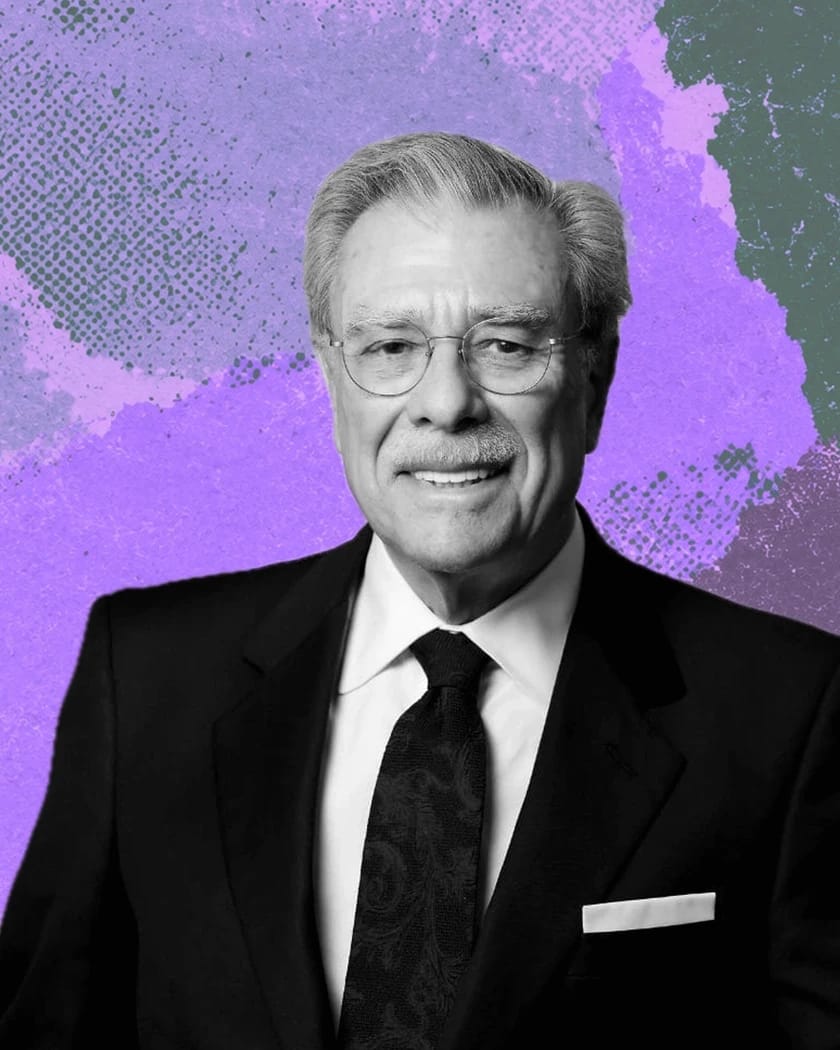
[00:00:05] Phillip: And today we have someone who's very special guest and Brian's very close to my heart. He is the Head of Consumer Digital Engagement at Gap Inc. Welcome to the show, Damon Berger.
[00:00:16] Damon Berger: Thank you so much for having me, Phillip and Brian. It's a real pleasure to be here.
[00:00:20] Phillip: It's a pleasure to have you, and today I think we're going to cover a wide range of topics. Talk a little bit about your role obviously at Gap, you know, the way that the cultural ecosystem of Gap is changing and, bringing the culture along. But before we get into all of that, you are on the advisory board of a conference that I'm going to be speaking at pretty soon here. you are on the advisory board of SOCOM. I'll be in Venice Beach at the February. And, will you be there,
[00:00:52] Damon Berger: Damon? Yes. Venice is a my former home. I was there for about 12 or 13 years. And so heading back home to speak at such a phenomenal conference with speakers like you and like me and others. And I hope everybody makes their way over there. It's going to be a phenomenal time.
[00:01:11] Phillip: Social commerce obviously is a big part of what we talk about here on Future Commerce. I think social commerce is a big part of what we'll cover today, I'm sure. And SOCOM is, you know, up and coming. Can't wait to get out there and can't wait to talk about, you know, paid acquisitions—a big part of the talk track that I'll be sitting in on with a lot of platforms, folks from Meta, TikTok, and some agencies. Can't wait to see you all there. We do have a code for 20% off: FCSC2026. We'll put it down in the show notes, a little easier to grab it there. But without any further ado, Damon, give us a little bit about your current role at Gap. Tell us what you're focused on right now and some of the challenges you're overcoming.
[00:01:54] Damon Berger: Yeah, I lead a team called Marketing Shared Services, which centralizes and modernizes core marketing activation functions. The idea is that we built an audience-first marketing engine that has stronger planning, cleaner operating rhythms, and modern tools so that each brand can move faster with more precision and creativity. This year, we're trying to scale what has worked so far: audience-based planning, measurement, a more balanced full-funnel approach, and creator and influencer systems that translate cultural relevance into durable growth.
[00:02:33] Brian: Wow. That's a lot. I feel like we're gonna need to unpack all of that. I think, you know, the the last thing you said really resonates with future commerce because we have this idea that commerce is culture. and so the idea that you're you're looking to sort of supercharge your influence, through solidifying relationships with influencers and with social creators. And so what does what does that look like? What does that actually mean in practice?
[00:03:04] Damon Berger: I mean, it's a great question. I think, you know, we look at creators as essentially the layer for culture at this point. Right? We all know that they are the conduit to what is kind of cool out in the world. For us and our brands, we are in a very well-publicized reinvigoration of our brands to the world. And I think about creators as a conduit to our audiences and to commerce. The idea for us is that we have a variety of relationships with them: from the types of creators at the top of the game, with whom we try to figure out ways to create content and products, all the way down to a new program we announced in October, our creator affiliate network. Our creator affiliate network is more about how we incentivize creators to talk about our brands through a percentage of sales they actually drive, all the way down to our TikTok shops, which are new as of last year. Gap and Old Navy are the two brands currently on. We know that this idea of content-to-commerce, specifically through creators, is one of the biggest ways to drive relevance and revenue, as our Chief Executive Officer, Richard Dixon, likes to say.
[00:04:28] Phillip: Yeah. I think one of the, you know, hallmarks of the last, I would say, like, you know, two to three years is that we went from, you know, anything that gets labeled an economy these days. I think it happens a little prematurely in our space. I think it's usually arbitrage before it becomes an actual economy. But I think creator economy is is truly an economy today, um, and that it has, not just economic output and economic dependence and but it's what you said, it it defines taste, and that we look to it for cultural value and cultural significance. And so, you know, as you are talking about it being core to your role, how does your role and, you know, this part of the strategy of how your role fits into the larger overarching, part of Gap Inc. Strategy fit into twenty twenty six's plans? You know, what is your focus this year in your role?
[00:05:27] Damon Berger: Sure. I mean, I think, you know, it's interesting because we're still on this journey of transformation where we've really done a good job over the last few years of fixing the fundamentals of how we engage with our customers. And now we're starting to see some real momentum that's building. For this year, so as you think about how quick this world is moving now, the idea of the creator ecosystem is still a huge world that we want to even be more have more depth in. And I think as you think about that, you know, creator economy, I've been in this so long it didn't even have a name when it first started. And so I think now and today, the creator world is still a very big part of our plans. And I think now as AI has become the kind of buzzword it is and not even a buzzword, the emergence of a new operating system for marketing, that is one of the things that is every marketer I think is really top of mind on right now in thinking about how do we use technology to create better experiences for our customers and to connect better with our customers.
[00:06:39] Brian: Yeah. I'm gonna kind of take this a little bit back to something you said but it relates to your just this recent statement. You said audience first as part of your role. And I think that's really exciting and important. At Future Commerce, we put out a book called The Multiplayer Brand.
[00:06:56] Phillip: Mhmm.
[00:06:56] Brian: And that's this this idea that actually, customers are want to be and are more participatory in brand creation and direction than ever before. Yep. And so when you think about this idea of audience first, which are actually like the sort of like the the angle there is your customers and your fans, those that engage with your brand are actually helping to drive the direction and sort of output of Gap now Yes. In a larger way than ever before. Yes. And as I put on my Gap Oxford and my banana jeans this morning, which I put on totally forgetting that we were gonna be talking. Same. Right. I I, you know, I participated in this activity. But the I think what's what's what's really interesting about this is with AI involved and the and the creator economy involved, my my question for you is, it it feels like people's desires or there's this idea of mimesis where desire is actually found outside of yourself. And you look out and you see things in the world such as influencers and creators, and your desire is actually sort of bound up in the things that they're putting out. And so, do you find yourself looking to influencers and creators and celebrities and other figures of note that that sort of help manifest desire as as archetypes for the audience? Or are you finding deeper connection directly with individuals through AI and what role is AI sort of playing in facilitating this process?
[00:08:52] Damon Berger: I think they're two I think they're two different areas. And I think as you think about there's a couple of things I want to unpack on what you said on the creator front. So with creators, we think that the authenticity that they provide their audiences is the reason for the connection. And that emotional connection is something that is conversational in nature. If you think about traditional media versus social media and what creators really represent, it is about the conversation and that people feel like they're on the inside of a running joke that is however long those creators have been around for. So as they reference things that happened two or three years ago, those creators build that cultural capital with their audiences because they feel like they are a part of their friend group and their family or whatever. And I think that is a part of culture that is very difficult to replicate. And you can kind of see the influencers that are influencers versus the people who are creating content. And the differences in the engagement rates and the things that go on in their audiences is very clear. And I think as you think about some of the campaigns that our brands have created over the last couple of years, I'll I'll give an example of Cat's Eye. So we did a a piece that's essentially a music video with Cat's Eye, who is a global music sensation that came out of the Genie Academy.
[00:10:22] Phillip: Yeah. Yeah.
[00:10:22] Damon Berger: We paired that with the Kelis smash hit from the early two thousands milkshake, and it was a one of the most successful campaigns in recent memory for our brands. I'll give you a bit of an inside baseball to that. That built by our CMO on the Gap brand, Fabiola Torres, to be a social first conversation. So I think a lot of creative campaigns that are done by a lot of brands out there are really one way conversations. And what happened with this campaign that made it so special, this was something that was meant to drive a conversation, was meant to get into the culture and have people essentially make it their own. So one of the things that was really special about that campaign for us was that people started taking that video dances and doing their own interpretations to it and expressing themselves and joining a larger conversation outside of just here's the music video. And so I think part of that is the fandom that Cat's Eye brought to the table. Part of that is the fandom that the brand brought to the table. And part of that was the creative magic in the middle that was created that allowed people to participate in that media.
[00:11:39] Damon Berger: So to me, that was really why one of the reasons that it was so popular and shared and viral in the way that it was, if we still call things viral. And then I think that the other side on the AI front, I think, look, it's still early days for us and a lot of companies. I think what we're trying to figure out is how do we authentically play in a space that we're not out there trying to create content that doesn't feel like our brands. It's not even about necessarily the content aspect of the creation. It's about how does the technology allow us to create more efficient and effective experiences for our customers that allow them to participate in our brands and convert in better ways than non AI technology does. But again, it's very early days for us to think about how we're doing that. We're lucky to have the type of leadership in Sven Gergetz, who is our Chief Technology Officer, who's leading a lot of that charge in addition to me who are trying to figure out how does marketing transformation really become a reality over the next few years using artificial intelligence technology.
[00:12:52] Phillip: And I think the context, Damon, in which, you know, you're answering Brian's, question, I think is really the important piece here is that, you know, know, coming back into the integration into culture, the context in which Brian, you were talking about multiplayer, um, that is, you know, the core here which is the, you know, and we can probably unpack this later especially as we begin to share this episode out. It's the, this came out in I think mid August or so. And you think the the cultural climate in which this ad came out is, you know, if you remove and just look at this ad in isolation, you look at it now, it's just an ad. But if you put it in context as to the time in which it came out, and all the discourse in the time in which it came out, it reads differently. And I think that it hits so hard because it hits at a time when other jeans companies were doing one thing, and you had a footwear company having AI, you know, centered advertising on the other end, and you're just having a different kind of cultural discourse. And I think that that is such an important way as a, you know, as a brand as a piece of marketing to stand out and say something without saying it overtly. And it allows, again, it's social first. It allows your customers to say it for you. And I think that that's such a powerful way to say it.
[00:14:15] Damon Berger: Yeah. I think it's interesting because we were just being ourselves. Yeah. So we were just living our own brand values where we believe in the value of diverse voices. We believe in people being themselves and no matter what. And I think that to us, that's just how we live our businesses. And for what was going on in the environment that we just kind of walked into a conversation was not necessarily purposeful for us. And so I think, again, just through living our values, that was a that's kind of was read in by a lot of people to ascribe that value to us. And I think that was a you know, again, I think being authentic to our brands and to who we are as as executives and people at this company, you know, we're lucky to work for a company that really lives these values.
[00:15:12] Brian: Well said. The great Seattle seahawks coach, Mike McDonald. We did not care.
[00:15:17] Damon Berger: Do not bring do not bring the patriots and seahawks in here. You're gonna derail this whole podcast if you do that.
[00:15:24] Phillip: and well said, Damon. Well said.
[00:15:26] Brian: I was quoting him on purpose, actually. Yeah. Mike McDonald said we did not care when asked about the forty niners and the rams. The point is my point of that quote was actually, you weren't worried about actually the the rest of what other competitors were doing. You're just being the the gap that you know, the gap that you love, the gap that cares about your customers. And that by nature actually allowed you to have something important to say for the cultural narrative.
[00:15:57] Damon Berger: Yeah, that's right. That's right. And I think for us, you know, I think part of where the reinvigoration of this set of iconic American brands has gone is that we've needed to reach into the DNA of these brands and really kind of reintroduce these brands to our customers in ways that, again, it's that warm, fuzzy feeling that you had when you first put on that cash soft sweater or the banana sweater that I'm wearing right now. And like these are the things that matter to our consumers and we are reminding them why they love this in the first place and updating a lot of the reasons and the codes that, you know, they fell in love with in the first place.
[00:16:42] Brian: Banana sweaters, by the way. Ugh. Choice. I love I love the new sweater. I live
[00:16:46] Damon Berger: In I live in this sweater.
[00:16:47] Phillip: We're big fans, and I do as well. Let's let you mentioned, you mentioned you sort of shifting gears there. I I'll follow your lead. You know, when you're talking about, you know, these iconic American brands, you know, the the come up is real in the last few years. It is a portfolio of brands. I assume then, Damon, you know, you're you care about all of the brands, you're you're overseeing all of the the brands in in in portfolio?
[00:17:17] Damon Berger: That's right.
[00:17:18] Phillip: Okay. So, you know, what, you know, what are the mandates for success? how are you, you know, overseeing those? And how do you measure, success and if, you know, efficacy in your role? And how, you know, how does that how is that realized across the whole of the portfolio?
[00:17:36] Damon Berger: Sure. It's a I mean, it's a complicated question, right? Sure. Because at this point, we can measure everything down to the most granular metric we have. And I think for us, there's kind of a push and pull between how well we are connecting to culture and generating brand love, which is a measurable metric that we use, down to all of the lower funnel metrics that we can measure based on the conversion that we see. And I think that every step along the funnel, I've heard the funnel is dead. It's just a nice way to be able to measure things and talk about different stages of engagement. I think for us, it's about, again, how well have we connected to culture and how well have we driven cultural conversations around our brands that then we see the measurable impact that those conversations have on the bottom line and on our metrics of conversion. So we measure every single thing that we can across our activation, how well we do to connect our audiences with our content experiences, which essentially whether that's organic or paid, it's all about the content experiences regardless. And how well we've done to connect those consumers to those experiences is a measurable outcome. And how well those things then drive sales is really what we're trying to accomplish. Now does every piece of content, you know, ultimately have a sales goal? No. Where some of the things that we're trying to do are really about driving the conversation, driving brand love, and then capturing that eventually down the line with the right conversion media experiences. So it's about trying to do both at the same time depending on where we are in our different cycles throughout each quarter and each year.
[00:19:19] Brian: Gary Vee calls that unselfish content.
[00:19:23] Damon Berger: We're we I've I've known Gary for about fifteen years right now, so I'm I'm always excited when Gary Vee is brought up in a conversation.
[00:19:31] Phillip: Is he isn't he a Jets fan? Oh,
[00:19:33] Damon Berger: We've had many conversations. He's a big fan when we talk about Pats and Jets.
[00:19:39] Brian: Yeah. That's why he's rooting for the Seahawks because Sam Darnold's
[00:19:41] Damon Berger: Talking about I'm sure.
[00:19:43] Brian: I mean, like,
[00:19:43] Damon Berger: I walked into a a dinner with friends that he was hosting at advertising week, and the first thing he did was point at me and said, Pats fans, get out. And so, you know, now there's not we're big we're big fans.
[00:19:56] Phillip: That's funny. Sorry, Brian. You were you were about to say.
[00:19:59] Brian: Oh, no. I was just I think it's interesting. I think the unselfish content, it's a way to sort of, you know, enter into the narrative without without expectation. Mhmm. And you do have an expectation. It's down the road. But but if you go in with expectation, it's a it oftentimes can feel a lot less authentic. And so being able to say something, being able to provide some sort of meaningful contribution to ongoing discourse from an authentic perspective. Like, it's not that you abandon Gap's perspective, but you enter into discourse. Talk to me a little bit about the sort of how how you're able to do that without trying to control the narrative, but be a part of it.
[00:20:50] Damon Berger: Sure. I mean, I think we are not again, we're trying to live our values. We're not trying to make content that doesn't feel like who we are as brands. I think it's important thing for us to have already gone through a stage in our transformation in which we've really been really focused in dialing in what our brand codes are and reimagining what those are for this now new generation. And that is the lens with which we look at everything in the world. So we're not jumping to conversations that don't feel like us. And so that authenticity comes through in the content that we're trying to make. I think as we think about then how does that get activated to different audiences, we're trying to show up across a variety of different audiences. Our brands are platforms essentially. As you think about how we show up to the consumer, we are in across the entire U. S. And across the entire world in a lot of ways. And I think as you think about all of those different conversations we can participate in, we're really focused on the ones that are authentic to our brands because as soon as we are not, you can see it, you can feel it and we know it. And so I think that's where we understand our consumer is going to see that. And as we think about showing up in those ways authentically, it really gives us a very strong lens to understand where we should and shouldn't play.
[00:22:11] Phillip: How have you been able to keep those conversations alive? For instance, in, you know, I think there's a lot of storytelling discourse right now. Mhmm. I I've heard a lot about purpose driven brands. I know that you've done a lot of work, um, in that area. tell us a little bit about some of those investments that you've made in, you know, the storytelling aspect and some of the the the purpose work that you guys have made investments in over the past number of years, like for charity: water for instance.
[00:22:39] Damon Berger: Sure. Yeah. I mean, we just announced a very exciting partnership with Matt Damon and water.org with Richard Dixon, our CEO at Davos, where we are trying to, you know, it's called Get Blue and we are trying to start to connect what we know how to activate in culture to be able to drive a not just a discourse around the needs of millions of people to access clean water, but also to create content, create products, and really drive an action with our consumer base and with others. We have Starbucks and other companies as well who are participating in this movement and it's now becoming a movement globally. And I think as we start to build momentum in this movement, it's about now taking what we have as a consumer base and helping people to access clean water in areas in which millions of people are at risk from their health and from their everyday not having this access to clean water. So what we are trying to do is use the scale of our brands and the scale of our platforms to enact change and to help people and scale. And I think that's the piece that is uniquely us that we're able to take what we know as our creative superpowers and be able to now use the platforms and use the scale of our brands to help people. And that's exciting as somebody who's working on this project along with some other people here that we're really it's a new way of thinking about how we show up for our consumers and how we show up for our world to make it a better place.
[00:24:21] Phillip: Wow. You know, it's interesting because the, you know, the social discourse around, you know, brand engagement, around social good, purpose driven brands in particular, I think has been maligned in the last few years. It's nice to see it coming back. I'll I'll say that. It's nice to see it coming back because I think a lot of that discussion has been, especially around Gen Z. I think there's been a bit of a maligning around Gen Z and sort of Gen Zs, you know, as if we can just paint an entire generation as one behavior. But you know, talking about how there's, you know, been this shift towards, know, fast fashion and some other, you know, antithetical behaviors around, know, the you know, their commitment to sustainability and some other things love to see brands living their values, especially in partnerships like this.
[00:25:17] Damon Berger: Mean, are as I maybe, you know, as we were talking about earlier, we are a set of purpose driven brands. And I think that that is a we're not trying to preach out to the world as you may think the kind of the end game of these things are. It's a, again, it's a lens for us to think about the world. Are we fulfilling our values individuals and as people who work at Gap Inc? I mean, this is a we started these brands. Doris and Don Fisher started this company in 1969 with one store on Ocean Avenue that sold denim and vinyl. And so from that moment to now, you know, we've been able to really sharpen our focus and our lens of why and what we stand for. And so as we think about what that purpose is for each one of the brands, it's a little different. That is the lens with which we show up to our consumers every day. So we're not trying to preach and we're not trying to be in this world where we don't belong. We're trying to live what we believe in every day and that really helps us be authentic to our consumers and create that connection emotionally.
[00:26:27] Brian: Do you ever find it challenging with so many portfolio brands like to to kinda keep those messages distinct? What's the especially as like we live in this like digital world now where all information's flooding at us continually and kind of everyone has all information, how how are you able to, like, build narratives that that that remain sort of distinct when they are actually all one company in the digital world?
[00:27:00] Damon Berger: Well, I mean, I think you kinda hit on the why a little bit. Right? So in this world in which we believe that something like 50 of all Internet traffic are bots, that in the right now time frame that 80% of content is AI generated on the Internet. These are areas in which the distinction of our brands and expression of our brands as individual brands are even more important to really hone in on. So we've done all of that work in the background as Richard came in August 2023. I got here about two years ago and a lot of the new leaders here as the stewards of this, you know, now 57 almost year old company, we recognize the importance of how do we tell stories that reinforce our brands that really give a unique narrative to each one of those brands and then activate them through smart worlds of technology and understanding of our consumers. These are the things that matter the most. And so as we think about how we show up every day to our consumers, that's what gets them excited about who we are. Because in the sea of sameness, in the sea of AI slop, in this, all of these worlds of not really knowing who you're buying from from a TikTok shop seller that doesn't really are you gonna get, you know, something that's just some, you know, random product out on the Internet? That's what people care about, and that's how we've won over the last couple of years and built the momentum that we have.
[00:28:33] Brian: Distinction. Distinction in what you are and what you're not. That's right. Incredible. Yeah. And now you mentioned Richard coming coming over from Mattel. You were also at Mattel. Correct?
[00:28:47] Damon Berger: There's these things are connected.
[00:28:49] Brian: Tell tell us that story. How how does what's the connection?
[00:28:53] Damon Berger: Well, I mean, I think Richard is one of the and this is a little self serving because he is my boss, so I wanna make sure, you know, this is not this is not the, you know, the I'm trying to angle for a promotion part of our show. I think this is what Richard does really well is he sharpens the focus and the ambition of how brands show up to culture. And I think what we've been maybe guilty of in the past at Gap Inc. And Mattel as well, you lose some of the purpose as you go through the years and the years and the years of trying to chase either relevance instead of driving it. And I think he's done a really good job of focusing the company on what's important on the roadmap and the step by step of how we get back to the things that people love about us. And the things that people love about us, like I've said already, are the things that made us successful in the first place, are the reasons why you fell in love with Gap or Banana Republic or Old Navy or Athleta. These are the things that as you think about moving away from the distractions and really focusing on how do we create relevance? How do we drive conversation? How do we move relevance to revenue? These are the things that all matter to us as we think about our day to day and that playbook around how to do it is Richard's secret sauce.
[00:30:14] Damon Berger: And I think he did a phenomenal job at Mattel in doing that as you think about he was one of the executive producers on the Barbie movie, if you've seen that, which I thought was Mhmm. One of the most somebody, you know, who who was in the in the behind the scenes of how that all came to fruition. What everybody saw from a consumer perspective was the Barbie movie. What you didn't see was the ten years of rebuilding Barbie in the background that allowed for that moment to happen. And so I think that's where we are in this journey together as a set of iconic American brands. We are on that journey to rebuild our relevance and rebuild our place in culture that is a very methodical, purposeful way of rebuilding via this playbook that Richard has.
[00:31:00] Brian: Wow.
[00:31:01] Phillip: It sounds like, know, assembled the team and everything very, you know, in in such a, you know, a purposeful and a intentional way to get to the point to where you are now to have the impact that you're intending to have. And these things don't happen by accident. I think that, what, you know, what you're you're getting out, what you're putting into it. Mhmm. And, you know, you're talking about what people didn't see happening behind the scenes. Um, what people didn't see when I was watching the Barbie movie was, thank goodness I was watching it in my Vision Pro because I was crying like a little baby.
[00:31:43] Damon Berger: Definitely got dusty in there for me too.
[00:31:45] Phillip: I was dusty. Was, it's probably one of the few movies that I watched in my Vision Pro and I'm glad I did because it was shielding my eyes. Um, you know, it's a also, I'll be honest, my VisionPRO is quite dusty at the moment too. If I'm being very, very honest. Um, you know, there's, it's been such a great conversation, Damon. I'm so glad that you've, joined us for this. You know, you've had a number of success moments it seems so far. Are there key moments of success here that you've had? Any wins that you've had so far? And what are you looking forward to here in the future as you're looking out into 2026?
[00:32:25] Damon Berger: You know, I think the success is measured in a million different ways, but I'll tell you the thing that gets me the most excited is when I tell people I work at Gap Inc. And then they come back and they tell me a story of either, oh, my first job was at Old Navy or I used to full close at Gap and I'm so happy to see where we are. And that there's a we, there's a real sense of ownership. If you're a fan of these brands, you love what we do and there's a real co ownership with what everybody is seeing right now. And I think that's to me is the most exciting part about where we are in our journey is that we're starting to see and hear people come back to us with, yes, please keep going. You have what we want to keep this conversation going and energized. And that's the piece that I think is real measure of success. You know, we have all these KPIs and these things that we do and all of these efficiencies and effectiveness that we can talk about from a marketing perspective that we've been able to drive, but that to me is the real thing that gets me.
[00:33:33] Damon Berger: You know, we had a conversation and a partnership with Dhar Mann that we've been I was, you know, at advertising week with him on stage and, you know, his his first thing he tells me is like, worked at Gap back when I was 16. These things really matter to people as we think about how their journeys were shaped by our brands. And I think it goes beyond just being consumers of brands to now having real fans and real people who are investing in our success. So I think those are the pieces that really matter the most as we think about where we are in our journey. And I think as we gain more fans that don't know our brands, you know, particularly with Gen Z who maybe not wasn't part of those conversations and now things like Cat's Eye and other campaigns that we've been doing have really started opening those conversations to them. And now, again, through living our values, we're starting to get new fans and new generations, and that's the part that excites me the most.
[00:34:31] Phillip: Yeah. It's exciting for me too. Yeah. I can't wait. Will I see you, Damon, on Yeah. Be down there. I'll be down there. I can't wait. It'll be a pleasure to meet you in person, And I hope to see everybody else there. SOCOM takes place on February 26 in Venice Beach. We'll be there. We're official media partners of future commerce and I I'm thrilled to be moderating session dinner while I'm there too. And you can get 20% off tickets with our discount code. It's FCSC2026. Probably easier to copy paste it. We'll put it in the show description below tickets and info is that socom.live. And I'll be there and so will Damon Berger will Yeah, maybe we'll all meet for a drink afterward or something. Damon, such a pleasure. Thank you so much for coming on the show.
[00:35:16] Damon Berger: Thank you so much for having me and looking forward to seeing you and everybody else at SOCOM.
[00:35:20] Phillip: Yeah, appreciate it. Thank you for checking out this episode of Future Commerce. Remember commerce shapes the future because commerce is culture. We'll see you next time.




.jpg)