Frontier · Brand & Loyalty

Creator Economy

Creators aren't just get louder today, they're fundamental. The trust breaks down when the more “authentic” a creator’s influence becomes, the faster someone tries to commercialize it.

127Msocial media users now consider themselves influencers — 40% of US adults follow at least one (Storybox)
75%of people use social media for purchasing advice — Gen Z now trusts influencers over celebrities
86%of Gen Z shop through creators — and the share grows every year
Future Commerces Point of View

Creators are the new CMOs — and increasingly the brand itself.

Future Commerce drew the line between influence and influencer before the category had a name: influence is trust; an influencer is commoditized reach. That split explains why creators became the new CMOs. But infrastructure scales, and scale industrializes — the question is whether authenticity survives its own commercialization.

From influence to infrastructure

What used to be a sponsored post is now the org chart. Creators are the discovery layer, the affiliate engine, and per Onyx Global Group’s CMO literally “the new CMOs,” briefed like an internal team, not booked like a media buy.

The authenticity paradox industrializes

The more a creator’s realness becomes the product, the more that realness gets engineered. FC named the seventh principle of influence — performed authenticity — the moment vulnerability itself became a format anyone could copy.

Start Here

The essentials

The arch, and episodes that puture Commerces f on the creator economy.

Capital and the Creator Economy — feature art

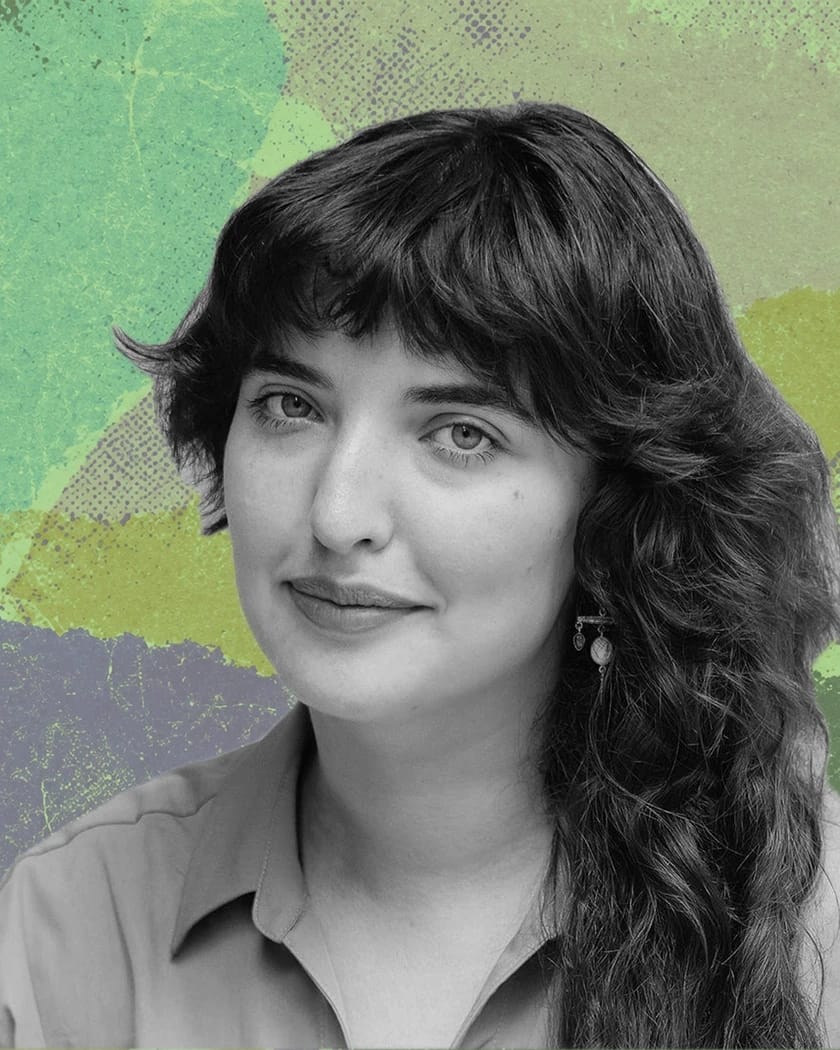
The Podcast · Feat. Sari Azout

Capital and the Creator Economy

Two conversations with Sari Azout (a16z, Ztartup/Substack) on the line between influence and influencer — the distinction the entire Creator Economy pillar is built on.

Unlocking the Potential of Creator Networks — episode art
Listen • Feat. Nilla Ali, GAAN Creative
Unlocking the Potential of Creator Networks

Nilla Ali — five and a half years running commerce at BuzzFeed, now building creator tech from the ground up — on what a creator network actually is once you stop thinking of creators as a media buy and start thinking of them as infrastructure.

Whats Inside

What this frontier covers

Six questions at the center of how creators became the infrastructure of commerce.

The influence-vs-influencer distinction & the authenticity paradox

Trust versus reach, and what happens once the market learns to fake the former at the scale of the latter.

The creator-to-brand pipeline

Micro-brands born in a bedroom, celebrity-founded CPG lines, and the sellout era where launching a beverage or a nicotine pouch is now a status signal, not a scandal.

Creators as commerce infrastructure

Affiliate, full-funnel attribution, and the flat-out reorg of marketing budgets around creators as “the new CMOs.”

Creator networks & the creator-as-media-business

What happens once a single creator’s operation (Feastables, Lunchly, a YouTube empire) starts looking less like a person and more like a conglomerate.

Fandom, parasocial relationships & the cult/community economy

Time-to-cult keeps shrinking; “100 true fans” was never really about 100, or true, or fans.

AI, virtual influencers & synthetic creators vs. human authenticity

When a parasocial bond can be synthesized, what’s left for a human creator to sell besides proof they’re real.

The Library

More from the archive

A deeper cut across essays, member briefs, and podcasts in this frontier.

The Lexicon

Key terms defined by Future Commerce

The vocabulary Future Commerce coined for the creator economy shift.

Influence vs. Influencer

FC’s foundational split: influence is earned trust and authenticity; influencer is commoditized reach. Sari Azout’s framing, still the pillar’s organizing distinction.

Performed Authenticity / Authentic™

The seventh principle of influence FC identified alongside Cialdini’s six: the appearance of genuineness becomes more persuasive than genuineness itself.

“Creators Are the New CMOs”

The 2026 thesis that creators aren’t a line item on a media plan but the foundational root system of a brand’s entire marketing function.

From Influence to Infrastructure

FC’s framing for the cultural rewiring underway: creators move from endorsing brands to being the discovery, trust, and conversion layer.

100 True Fans / Cult Fans

The extended “100 true fans” metaphor: at one extreme, radicalized cult fans; at the other, speculators extracting value. Time-to-cult (TTC) measures how fast a following curdles into either.

The Sellout Era

FC’s name for the normalization of celebrity-to-CPG-founder as a status move — MrBeast’s Lunchly, Tucker Carlson’s nicotine pouches, Michelle Obama’s Costco run — where cashing in is now expected, not scandalous.

FAQ

Questions we get asked

What's the difference between influence and an influencer?

Influence is earned trust; an influencer is what happens once social reach gets sold by the post. Sari Azout drew that line on FC's podcast back in 2020, and the pillar still runs on it — she argued Gen Z wants brands that are relatable and participatory, not manufactured.

Are creators actually replacing the CMO?

Yes, according to the panels at SoCom 2026. Creators aren't a line item under "brand" anymore; one CMO called them the foundational root system of the whole marketing tree, touching paid, lifecycle, and everything between. FC's essay on it, From Influence to Infrastructure, called the rewiring in advance.

Why do influencers fake being authentic on camera?

Because performing it converts better than the real thing. FC named this the seventh principle of influence, alongside Cialdini's original six: a trembling hand on cue, a desk arranged to look candid. The essay Authentic: The Paradox of Programmatic Personality traces where that leaves a creator's credibility.

What was the creator economy's sellout era?

It's FC's name for a single week in 2024 when MrBeast and Logan Paul launched a Lunchables rival, Tucker Carlson launched a nicotine pouch, and Michelle Obama sold a beverage brand out of a Bay Area Costco. Celebrity-to-CPG-founder stopped being a scandal and became a status move.

How fast can a brand build a cult following now?

Faster every year. FC's Building a Cult > Building a Brand tracks a shrinking "time-to-cult" as Li Jin's old 100-true-fans idea splits into two poles: radicalized superfans on one end, speculators looking to cash out on the other.

Keep Exploring

Related frontiers

Creator economy doesn’t live in a silo — it reshapes the channels, media, and loyalty mechanics around it.

Creators aren’t marketing or a channel, they're modern brand infrastructure.

Future Commerce publishes the research, essays, and podcasts on how the creator economy is changing the culture of commerce. Free, every week.

Subscribe free