

of the United Kingdom’s capitol city.
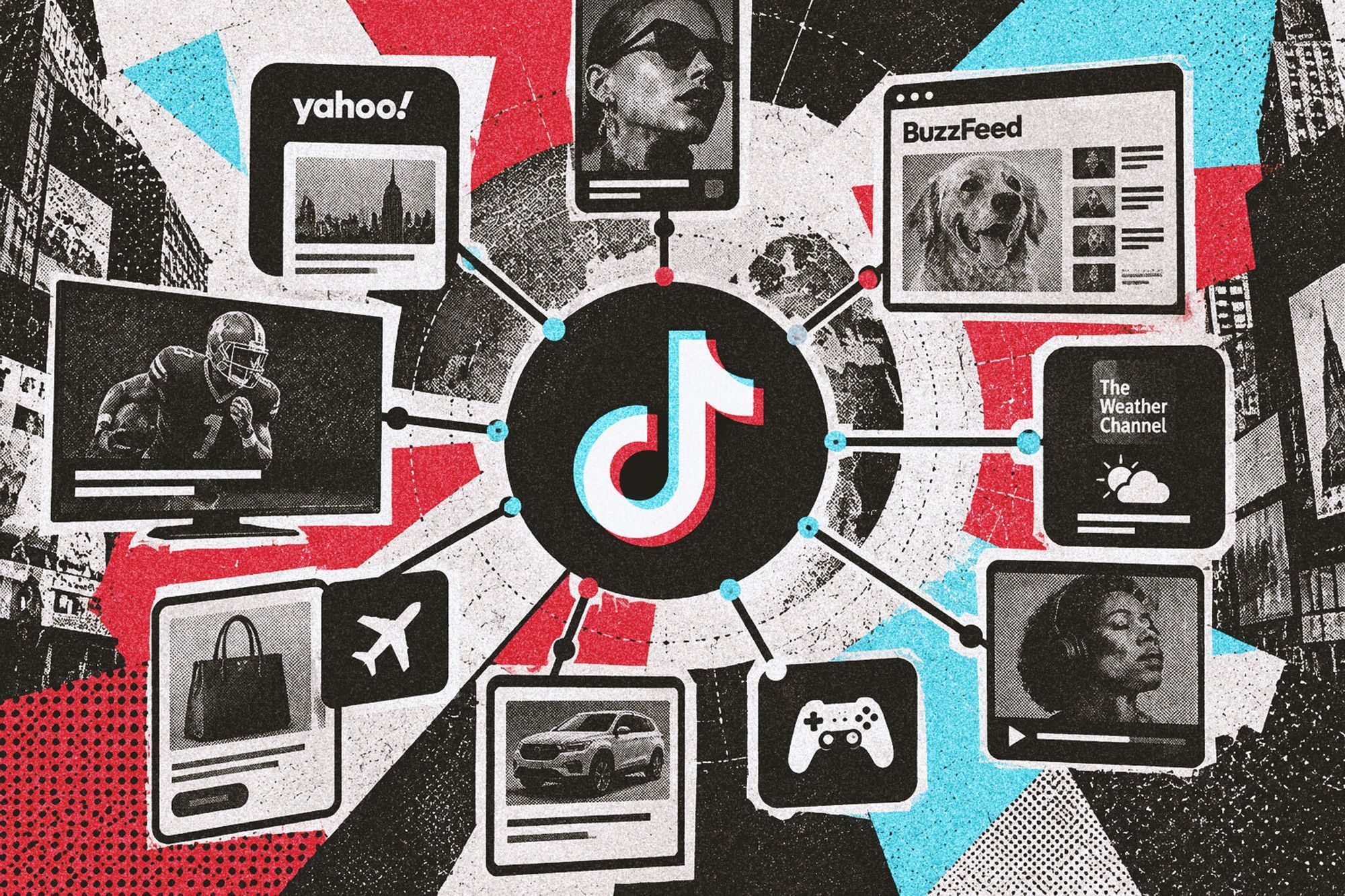
The commerce media landscape is growing larger every day, leaving RMNs struggling to differentiate. Now a $100B industry, commerce media is reaching its “day two,” and the ecosystem keeps expanding to hold new networks that extend into sectors like travel and hospitality.
But brands only have so much budget, so they’re raising their standards for measurement and transparency to spend it more wisely.
While the Amazons and Walmarts of the world lead the pack in regard to reach, a specific class of RMNs is leaning into a new competitive advantage: cultural relevance and storytelling. And Andrew Lipsman, an independent analyst, consultant, and Founder of Media, Ads + Commerce, believes that is an advantage worth leaning into.
“Cultural relevance has always mattered to brand marketers and CMOs, but commerce media has always hewed so much in the direction of performance marketing, so we’ve lost all sight of what actually breaks through and makes marketing work,” Lipsman said. “The intersection of culture and commerce has never been more relevant, and yet there’s very little discussion of it, or even the right language around why it matters.”
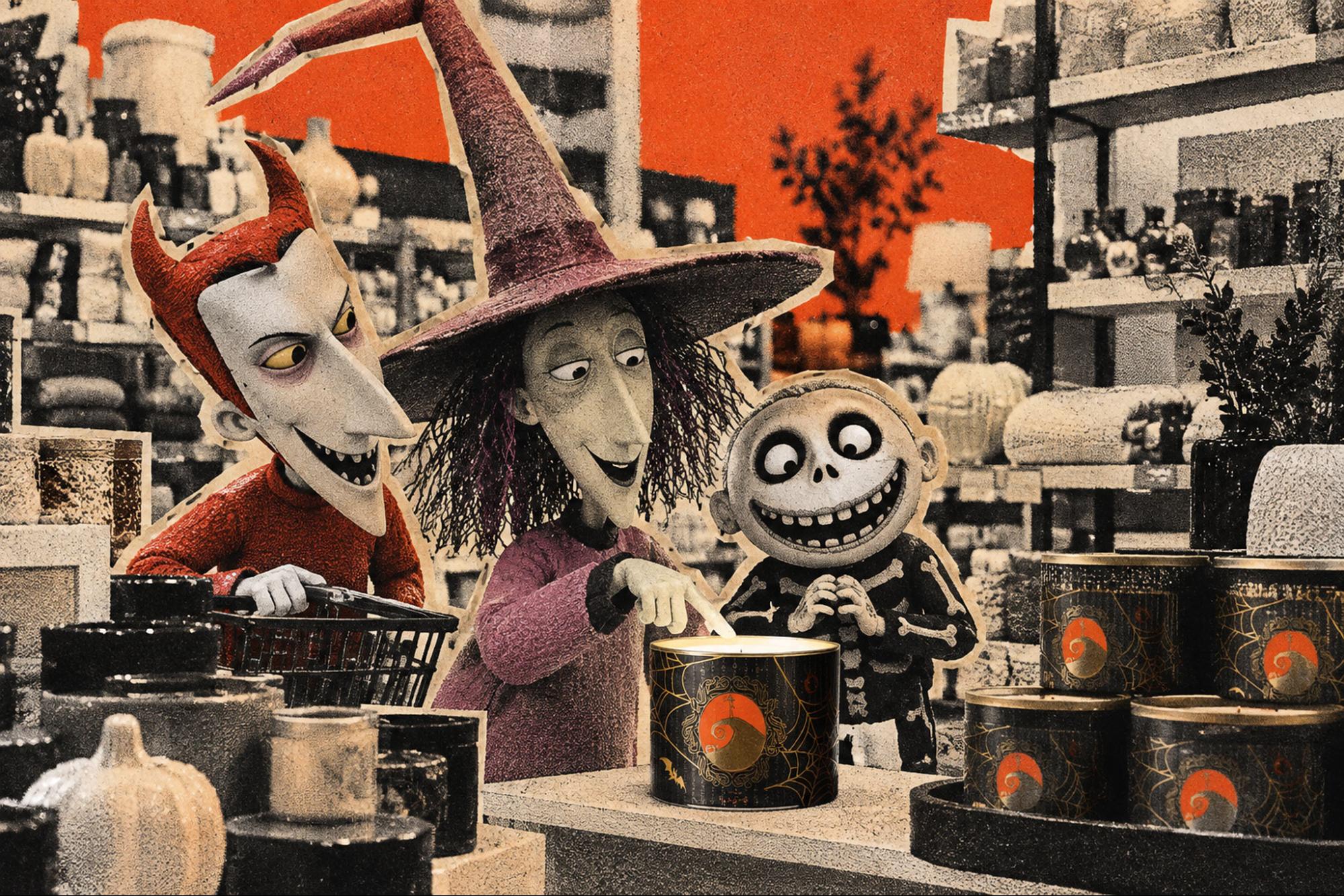
Albertsons Media Collective has sparked this new movement by launching a “new” offering: episodic, scripted branded entertainment. Developed in collaboration with P&G, Rico’s Tacos was a series of one- to two-minute episodes that showed a widowed father, his teenage daughter, and her abuela as they built a taco business. With Albertsons Cos. stores as the backdrop and real in-store associates as the co-stars, the series tackled issues like identity, resilience, and legacy. The plot drew on shopper intelligence and retail performance insights, and the episodes appeared in the Albertsons app and were amplified across social media.
We put the term “new” in quotes for a reason. “Vertical dramas,” also called “microdramas,” originated in China about five years ago (under the term “duanju”) and have popped up sporadically since then. Walmart made headlines with “Add to Heart,” a shoppable, 23-part holiday rom-com series that was amplified across Roku, TikTok, and YouTube in 2023. Quibi, the mobile streaming platform built around 10-minute-or-less content, launched in April 2020 and shut down a mere eight months later due to low viewership. (We recently admitted that the Jeffrey Katzenberg and Meg Whitman were on to something...they were just a bit too ahead of their time.)
But times have changed. Attention spans are shorter, and we constantly crave the dopamine rush that only spurts of drama and action can bring. The vertical drama revival is giving retail media networks a new creative mechanism to monetize authentic storytelling and attention hacking.
“It signals that commerce media is becoming more focused on creating demand, not just capturing it,” said Sarah Marzano, VP and Principal Analyst at EMARKETER. “As retail media looks for growth beyond onsite ads, it has to move beyond a purely transactional mindset and become much more thoughtful about context, particularly as it enters environments where consumers are looking to be entertained or inspired rather than simply to shop.”
“The crucial element will be making the content feel genuinely entertaining and tailoring it appropriately to the environment and context in which consumers encounter it."
- Sarah Marzano, EMARKETER
Other brands, such as Crocs and Maybelline, have tested vertical dramas for brand campaigns. But Albertsons Media Collective moving into this space and offering it as an advertising opportunity is akin to how TV started selling commercial space. As culture grew more short-form and scroll-centered, advertising has had to do the same.
“TV itself was always the cultural medium, and that’s what drove watercooler conversation,” Lipsman said. “You can argue today, social is really what’s driving the common cultural touchstones—much more so than TV. TV still has major events like sports and award shows, but social is coming into the forefront of those conversations too.”
IAB’s Collin Colburn joined the podcast to discuss commerce media’s “day two.” Listen here →
When Entertainment Becomes Desire
In most cases, entertainment and inspiration are found in the social feed. Creators are gaining a larger share of attention and influence in social feeds, making them a perfect addition to commerce media offerings.
“Creators have figured out how ot capture people’s attention in a very fragmented media environment, and that’s what’s fundamentally scarce,” Lipsman said. “There’s leverage on them as a unit of media; then that content can very organically scale to all the relevant touchpoints.” For instance, a creator-led video can be integrated into product display pages, repurposed in social ads, and even incorporated into CTV campaigns.
Companies like Instacart have harnessed the power of the scroll to roll out branded entertainment campaigns that highlight key value propositions in a compelling, audience-aware way. “The Male Shopper Project” was a creator-led micro-drama campaign that launched in July 2026. The campaign’s plot used recognized, even beloved, cultural figures—Queer Eye’s Antoni Porowski and Giggly Squad’s Hannah Berner—to tackle a key piece of user feedback: male shoppers are bad grocery shoppers.
@instacart If you've ever gotten 5 lbs of bananas when you wanted 5 bananas, this is for you. Get $10 off orders of $20+ from any retailer with code 5STAR. Episode dropping Wednesday. 5000 max redemptions. Available while supplies last, or until EOD 7/31/26. Cannot stack. Terms and exclusions apply.
♬ original sound - Instacart
More risk-averse executives would see this feedback as a brand-safety nightmare. But Instacart leaned in, using the campaign to poke fun at this universal pain point and promote its new in-app quality control tools. For Lipsman, this was a meaningful way to tap into real, organic online conversations and turn them into a scroll-stopping narrative.
“The way people actually think or interact with your brand is probably very different than the messages you’re creating in traditional marketing,” Lipsman said. “I thought it was really smart to tap into that organic conversation and take some ownership of it. It wasn’t necessarily a favorable thing, but they owned it in a tongue-in-cheek way, tapped into creators with perfect brand fit, and it worked.”
Instacart’s success raises a bigger question in the creator-driven ad economy: how much control should brands and retailers ultimately relinquish in the favor of a good story?
“Brands should be thinking about that give and take between the creator, the social media conversation, and the brand.”
- Andrew Lipsman, Media, Ads + Commerce
Measurement is another gap that still needs closing, according to Melissa Gallo, VP of Solutions and Delivery at Vantage, a retail media orchestration platform. “You’re using those influencer ad sets in traditional media like banner ads, but it hasn’t fully tied back to the influencer for true closed-loop measurement.”
In other cases, desire is found in the store—and that’s why RMNs have a key advantage in the much larger, more competitive commerce media race. Global in-store retail media accounts for 12.6% of total market share, or $2.58B. The IAB recognizes in-store retail media as the adoption of in-store digital screens, audio, QR-scannable shelf edges and displays, and POS system integrations.
The definition alone shows how vast the creative spectrum is in stores. Although many brands still rely on traditional methods, such as endcaps and point-of-purchase (POP) displays, retailers like Dollar General are using their media network and partners like iHeartRadio to bring more contextual storytelling into stores with audio.
Gallo noted that Europe is far ahead of the US in terms of in-store retail media adoption. But new projects like “Rico’s Tacos” show how an RMN can collaborate with brand partners to create unique media moments that don’t just entertain, but spur desire in the most influential space money can buy: the store. After all, brick-and-mortar is still the dominant channel for retail purchases.
“In-store is catching up to digital, not trailing it,” Gallo said. “And from what I’ve seen, Europe is doing a lot of the experiential activation, so I think that’s a real opportunity for folks to lean in. Vendors offer digital screens, physical screens, smart cards, and audio, but there’s also real measurement tied to it.”
Embracing the Shift from Demand to Brand
To stand out, many RMNs have focused on their measurement and attribution capabilities, although many still can’t provide closed-loop measurement performance metrics. The reason is rooted in who is largely still doing the buying in this category.
“The majority of revenue coming through retail media today is still shopper marketing and performance budgets—but eventually, that’s going to be tapped out,” Gallo said. “There’s this internal competition and friction between merchants and RMNs who are competing for those dollars. They’re not all operating as a single team.”
“‘Brand-formance’ is not a thing yet, but everybody at Cannes a couple years ago claimed it was going to be.”
- Melissa Gallo, Vantage
But the tide is starting to change. Lipsman hasn’t seen the performance metrics for Rico’s Tacos nor the Instacart campaign, but he believes the innovation happening at the creative level will have a ripple effect, encouraging greater industry change.
“Once something gets seen as a sales driver or performance vehicle, it gets looked at through that lens at the exclusion of everything else,” Lipsman said. “Advertising still works through brand building. For example, there’s a lot of talk about in-store media driving sales. There’s a lot of data that I’ve covered that shows sales lift, but don’t put the blinders on for that because you also have the chance to do great brand-building in the most contextual environment you can do it in. Even if somebody doesn’t buy immediately, you’re subtly influencing their preferences, and we’re systematically not paying attention to any of those effects.”
Marzano agreed, adding that as creators and more brand-centric storytelling take over the middle of the funnel, RMNs must rethink how they measure and communicate success. That includes adding new stakeholders to strategic conversations.
“The challenge is finding the right balance between preserving what makes creator- and story-led content effective and applying the performance expectations that come with commerce media,” Marzano explained. “Historically, the teams buying upper-funnel media and retail media have focused on very different KPIs, so pairing those formats with transactional retailer data requires a more blended definition of success. We’re starting to figure that out, but organizational structures, budgets, and incentives still make it complicated in practice.”
Turning Complexity into Opportunity
When RMNs roll out new features, capabilities, and storytelling vehicles, it encourages testing and learning. But retail media is now “moving from proving the model to figuring out how to scale it,” Marzano said. “The biggest opportunities are in areas like in-store, social, creators, and AI-driven commerce, but the challenge is that each new channel introduces more complexity around measurement, execution, and customer experience.”
This is the "bolt-on trap," something that Gallo has seen time and time again. "With every new channel and offering, there’s the temptation to bolt them on and not truly scope them through the lens of a real workflow. “You’re adding one more thing to execute, one more thing to sell, and you’re adding more complexity. Everybody’s trying to get a headline, but they’re not thinking about the throughput.”
The commerce media landscape is growing larger every day, leaving RMNs struggling to differentiate. Now a $100B industry, commerce media is reaching its “day two,” and the ecosystem keeps expanding to hold new networks that extend into sectors like travel and hospitality.
But brands only have so much budget, so they’re raising their standards for measurement and transparency to spend it more wisely.
While the Amazons and Walmarts of the world lead the pack in regard to reach, a specific class of RMNs is leaning into a new competitive advantage: cultural relevance and storytelling. And Andrew Lipsman, an independent analyst, consultant, and Founder of Media, Ads + Commerce, believes that is an advantage worth leaning into.
“Cultural relevance has always mattered to brand marketers and CMOs, but commerce media has always hewed so much in the direction of performance marketing, so we’ve lost all sight of what actually breaks through and makes marketing work,” Lipsman said. “The intersection of culture and commerce has never been more relevant, and yet there’s very little discussion of it, or even the right language around why it matters.”
Albertsons Media Collective has sparked this new movement by launching a “new” offering: episodic, scripted branded entertainment. Developed in collaboration with P&G, Rico’s Tacos was a series of one- to two-minute episodes that showed a widowed father, his teenage daughter, and her abuela as they built a taco business. With Albertsons Cos. stores as the backdrop and real in-store associates as the co-stars, the series tackled issues like identity, resilience, and legacy. The plot drew on shopper intelligence and retail performance insights, and the episodes appeared in the Albertsons app and were amplified across social media.
We put the term “new” in quotes for a reason. “Vertical dramas,” also called “microdramas,” originated in China about five years ago (under the term “duanju”) and have popped up sporadically since then. Walmart made headlines with “Add to Heart,” a shoppable, 23-part holiday rom-com series that was amplified across Roku, TikTok, and YouTube in 2023. Quibi, the mobile streaming platform built around 10-minute-or-less content, launched in April 2020 and shut down a mere eight months later due to low viewership. (We recently admitted that the Jeffrey Katzenberg and Meg Whitman were on to something...they were just a bit too ahead of their time.)
But times have changed. Attention spans are shorter, and we constantly crave the dopamine rush that only spurts of drama and action can bring. The vertical drama revival is giving retail media networks a new creative mechanism to monetize authentic storytelling and attention hacking.
“It signals that commerce media is becoming more focused on creating demand, not just capturing it,” said Sarah Marzano, VP and Principal Analyst at EMARKETER. “As retail media looks for growth beyond onsite ads, it has to move beyond a purely transactional mindset and become much more thoughtful about context, particularly as it enters environments where consumers are looking to be entertained or inspired rather than simply to shop.”
“The crucial element will be making the content feel genuinely entertaining and tailoring it appropriately to the environment and context in which consumers encounter it."
- Sarah Marzano, EMARKETER
Other brands, such as Crocs and Maybelline, have tested vertical dramas for brand campaigns. But Albertsons Media Collective moving into this space and offering it as an advertising opportunity is akin to how TV started selling commercial space. As culture grew more short-form and scroll-centered, advertising has had to do the same.
“TV itself was always the cultural medium, and that’s what drove watercooler conversation,” Lipsman said. “You can argue today, social is really what’s driving the common cultural touchstones—much more so than TV. TV still has major events like sports and award shows, but social is coming into the forefront of those conversations too.”
IAB’s Collin Colburn joined the podcast to discuss commerce media’s “day two.” Listen here →
When Entertainment Becomes Desire
In most cases, entertainment and inspiration are found in the social feed. Creators are gaining a larger share of attention and influence in social feeds, making them a perfect addition to commerce media offerings.
“Creators have figured out how ot capture people’s attention in a very fragmented media environment, and that’s what’s fundamentally scarce,” Lipsman said. “There’s leverage on them as a unit of media; then that content can very organically scale to all the relevant touchpoints.” For instance, a creator-led video can be integrated into product display pages, repurposed in social ads, and even incorporated into CTV campaigns.
Companies like Instacart have harnessed the power of the scroll to roll out branded entertainment campaigns that highlight key value propositions in a compelling, audience-aware way. “The Male Shopper Project” was a creator-led micro-drama campaign that launched in July 2026. The campaign’s plot used recognized, even beloved, cultural figures—Queer Eye’s Antoni Porowski and Giggly Squad’s Hannah Berner—to tackle a key piece of user feedback: male shoppers are bad grocery shoppers.
@instacart If you've ever gotten 5 lbs of bananas when you wanted 5 bananas, this is for you. Get $10 off orders of $20+ from any retailer with code 5STAR. Episode dropping Wednesday. 5000 max redemptions. Available while supplies last, or until EOD 7/31/26. Cannot stack. Terms and exclusions apply.
♬ original sound - Instacart
More risk-averse executives would see this feedback as a brand-safety nightmare. But Instacart leaned in, using the campaign to poke fun at this universal pain point and promote its new in-app quality control tools. For Lipsman, this was a meaningful way to tap into real, organic online conversations and turn them into a scroll-stopping narrative.
“The way people actually think or interact with your brand is probably very different than the messages you’re creating in traditional marketing,” Lipsman said. “I thought it was really smart to tap into that organic conversation and take some ownership of it. It wasn’t necessarily a favorable thing, but they owned it in a tongue-in-cheek way, tapped into creators with perfect brand fit, and it worked.”
Instacart’s success raises a bigger question in the creator-driven ad economy: how much control should brands and retailers ultimately relinquish in the favor of a good story?
“Brands should be thinking about that give and take between the creator, the social media conversation, and the brand.”
- Andrew Lipsman, Media, Ads + Commerce
Measurement is another gap that still needs closing, according to Melissa Gallo, VP of Solutions and Delivery at Vantage, a retail media orchestration platform. “You’re using those influencer ad sets in traditional media like banner ads, but it hasn’t fully tied back to the influencer for true closed-loop measurement.”
In other cases, desire is found in the store—and that’s why RMNs have a key advantage in the much larger, more competitive commerce media race. Global in-store retail media accounts for 12.6% of total market share, or $2.58B. The IAB recognizes in-store retail media as the adoption of in-store digital screens, audio, QR-scannable shelf edges and displays, and POS system integrations.
The definition alone shows how vast the creative spectrum is in stores. Although many brands still rely on traditional methods, such as endcaps and point-of-purchase (POP) displays, retailers like Dollar General are using their media network and partners like iHeartRadio to bring more contextual storytelling into stores with audio.
Gallo noted that Europe is far ahead of the US in terms of in-store retail media adoption. But new projects like “Rico’s Tacos” show how an RMN can collaborate with brand partners to create unique media moments that don’t just entertain, but spur desire in the most influential space money can buy: the store. After all, brick-and-mortar is still the dominant channel for retail purchases.
“In-store is catching up to digital, not trailing it,” Gallo said. “And from what I’ve seen, Europe is doing a lot of the experiential activation, so I think that’s a real opportunity for folks to lean in. Vendors offer digital screens, physical screens, smart cards, and audio, but there’s also real measurement tied to it.”
Embracing the Shift from Demand to Brand
To stand out, many RMNs have focused on their measurement and attribution capabilities, although many still can’t provide closed-loop measurement performance metrics. The reason is rooted in who is largely still doing the buying in this category.
“The majority of revenue coming through retail media today is still shopper marketing and performance budgets—but eventually, that’s going to be tapped out,” Gallo said. “There’s this internal competition and friction between merchants and RMNs who are competing for those dollars. They’re not all operating as a single team.”
“‘Brand-formance’ is not a thing yet, but everybody at Cannes a couple years ago claimed it was going to be.”
- Melissa Gallo, Vantage
But the tide is starting to change. Lipsman hasn’t seen the performance metrics for Rico’s Tacos nor the Instacart campaign, but he believes the innovation happening at the creative level will have a ripple effect, encouraging greater industry change.
“Once something gets seen as a sales driver or performance vehicle, it gets looked at through that lens at the exclusion of everything else,” Lipsman said. “Advertising still works through brand building. For example, there’s a lot of talk about in-store media driving sales. There’s a lot of data that I’ve covered that shows sales lift, but don’t put the blinders on for that because you also have the chance to do great brand-building in the most contextual environment you can do it in. Even if somebody doesn’t buy immediately, you’re subtly influencing their preferences, and we’re systematically not paying attention to any of those effects.”
Marzano agreed, adding that as creators and more brand-centric storytelling take over the middle of the funnel, RMNs must rethink how they measure and communicate success. That includes adding new stakeholders to strategic conversations.
“The challenge is finding the right balance between preserving what makes creator- and story-led content effective and applying the performance expectations that come with commerce media,” Marzano explained. “Historically, the teams buying upper-funnel media and retail media have focused on very different KPIs, so pairing those formats with transactional retailer data requires a more blended definition of success. We’re starting to figure that out, but organizational structures, budgets, and incentives still make it complicated in practice.”
Turning Complexity into Opportunity
When RMNs roll out new features, capabilities, and storytelling vehicles, it encourages testing and learning. But retail media is now “moving from proving the model to figuring out how to scale it,” Marzano said. “The biggest opportunities are in areas like in-store, social, creators, and AI-driven commerce, but the challenge is that each new channel introduces more complexity around measurement, execution, and customer experience.”
This is the "bolt-on trap," something that Gallo has seen time and time again. "With every new channel and offering, there’s the temptation to bolt them on and not truly scope them through the lens of a real workflow. “You’re adding one more thing to execute, one more thing to sell, and you’re adding more complexity. Everybody’s trying to get a headline, but they’re not thinking about the throughput.”
The commerce media landscape is growing larger every day, leaving RMNs struggling to differentiate. Now a $100B industry, commerce media is reaching its “day two,” and the ecosystem keeps expanding to hold new networks that extend into sectors like travel and hospitality.
But brands only have so much budget, so they’re raising their standards for measurement and transparency to spend it more wisely.
While the Amazons and Walmarts of the world lead the pack in regard to reach, a specific class of RMNs is leaning into a new competitive advantage: cultural relevance and storytelling. And Andrew Lipsman, an independent analyst, consultant, and Founder of Media, Ads + Commerce, believes that is an advantage worth leaning into.
“Cultural relevance has always mattered to brand marketers and CMOs, but commerce media has always hewed so much in the direction of performance marketing, so we’ve lost all sight of what actually breaks through and makes marketing work,” Lipsman said. “The intersection of culture and commerce has never been more relevant, and yet there’s very little discussion of it, or even the right language around why it matters.”
Albertsons Media Collective has sparked this new movement by launching a “new” offering: episodic, scripted branded entertainment. Developed in collaboration with P&G, Rico’s Tacos was a series of one- to two-minute episodes that showed a widowed father, his teenage daughter, and her abuela as they built a taco business. With Albertsons Cos. stores as the backdrop and real in-store associates as the co-stars, the series tackled issues like identity, resilience, and legacy. The plot drew on shopper intelligence and retail performance insights, and the episodes appeared in the Albertsons app and were amplified across social media.
We put the term “new” in quotes for a reason. “Vertical dramas,” also called “microdramas,” originated in China about five years ago (under the term “duanju”) and have popped up sporadically since then. Walmart made headlines with “Add to Heart,” a shoppable, 23-part holiday rom-com series that was amplified across Roku, TikTok, and YouTube in 2023. Quibi, the mobile streaming platform built around 10-minute-or-less content, launched in April 2020 and shut down a mere eight months later due to low viewership. (We recently admitted that the Jeffrey Katzenberg and Meg Whitman were on to something...they were just a bit too ahead of their time.)
But times have changed. Attention spans are shorter, and we constantly crave the dopamine rush that only spurts of drama and action can bring. The vertical drama revival is giving retail media networks a new creative mechanism to monetize authentic storytelling and attention hacking.
“It signals that commerce media is becoming more focused on creating demand, not just capturing it,” said Sarah Marzano, VP and Principal Analyst at EMARKETER. “As retail media looks for growth beyond onsite ads, it has to move beyond a purely transactional mindset and become much more thoughtful about context, particularly as it enters environments where consumers are looking to be entertained or inspired rather than simply to shop.”
“The crucial element will be making the content feel genuinely entertaining and tailoring it appropriately to the environment and context in which consumers encounter it."
- Sarah Marzano, EMARKETER
Other brands, such as Crocs and Maybelline, have tested vertical dramas for brand campaigns. But Albertsons Media Collective moving into this space and offering it as an advertising opportunity is akin to how TV started selling commercial space. As culture grew more short-form and scroll-centered, advertising has had to do the same.
“TV itself was always the cultural medium, and that’s what drove watercooler conversation,” Lipsman said. “You can argue today, social is really what’s driving the common cultural touchstones—much more so than TV. TV still has major events like sports and award shows, but social is coming into the forefront of those conversations too.”
IAB’s Collin Colburn joined the podcast to discuss commerce media’s “day two.” Listen here →
When Entertainment Becomes Desire
In most cases, entertainment and inspiration are found in the social feed. Creators are gaining a larger share of attention and influence in social feeds, making them a perfect addition to commerce media offerings.
“Creators have figured out how ot capture people’s attention in a very fragmented media environment, and that’s what’s fundamentally scarce,” Lipsman said. “There’s leverage on them as a unit of media; then that content can very organically scale to all the relevant touchpoints.” For instance, a creator-led video can be integrated into product display pages, repurposed in social ads, and even incorporated into CTV campaigns.
Companies like Instacart have harnessed the power of the scroll to roll out branded entertainment campaigns that highlight key value propositions in a compelling, audience-aware way. “The Male Shopper Project” was a creator-led micro-drama campaign that launched in July 2026. The campaign’s plot used recognized, even beloved, cultural figures—Queer Eye’s Antoni Porowski and Giggly Squad’s Hannah Berner—to tackle a key piece of user feedback: male shoppers are bad grocery shoppers.
@instacart If you've ever gotten 5 lbs of bananas when you wanted 5 bananas, this is for you. Get $10 off orders of $20+ from any retailer with code 5STAR. Episode dropping Wednesday. 5000 max redemptions. Available while supplies last, or until EOD 7/31/26. Cannot stack. Terms and exclusions apply.
♬ original sound - Instacart
More risk-averse executives would see this feedback as a brand-safety nightmare. But Instacart leaned in, using the campaign to poke fun at this universal pain point and promote its new in-app quality control tools. For Lipsman, this was a meaningful way to tap into real, organic online conversations and turn them into a scroll-stopping narrative.
“The way people actually think or interact with your brand is probably very different than the messages you’re creating in traditional marketing,” Lipsman said. “I thought it was really smart to tap into that organic conversation and take some ownership of it. It wasn’t necessarily a favorable thing, but they owned it in a tongue-in-cheek way, tapped into creators with perfect brand fit, and it worked.”
Instacart’s success raises a bigger question in the creator-driven ad economy: how much control should brands and retailers ultimately relinquish in the favor of a good story?
“Brands should be thinking about that give and take between the creator, the social media conversation, and the brand.”
- Andrew Lipsman, Media, Ads + Commerce
Measurement is another gap that still needs closing, according to Melissa Gallo, VP of Solutions and Delivery at Vantage, a retail media orchestration platform. “You’re using those influencer ad sets in traditional media like banner ads, but it hasn’t fully tied back to the influencer for true closed-loop measurement.”
In other cases, desire is found in the store—and that’s why RMNs have a key advantage in the much larger, more competitive commerce media race. Global in-store retail media accounts for 12.6% of total market share, or $2.58B. The IAB recognizes in-store retail media as the adoption of in-store digital screens, audio, QR-scannable shelf edges and displays, and POS system integrations.
The definition alone shows how vast the creative spectrum is in stores. Although many brands still rely on traditional methods, such as endcaps and point-of-purchase (POP) displays, retailers like Dollar General are using their media network and partners like iHeartRadio to bring more contextual storytelling into stores with audio.
Gallo noted that Europe is far ahead of the US in terms of in-store retail media adoption. But new projects like “Rico’s Tacos” show how an RMN can collaborate with brand partners to create unique media moments that don’t just entertain, but spur desire in the most influential space money can buy: the store. After all, brick-and-mortar is still the dominant channel for retail purchases.
“In-store is catching up to digital, not trailing it,” Gallo said. “And from what I’ve seen, Europe is doing a lot of the experiential activation, so I think that’s a real opportunity for folks to lean in. Vendors offer digital screens, physical screens, smart cards, and audio, but there’s also real measurement tied to it.”
Embracing the Shift from Demand to Brand
To stand out, many RMNs have focused on their measurement and attribution capabilities, although many still can’t provide closed-loop measurement performance metrics. The reason is rooted in who is largely still doing the buying in this category.
“The majority of revenue coming through retail media today is still shopper marketing and performance budgets—but eventually, that’s going to be tapped out,” Gallo said. “There’s this internal competition and friction between merchants and RMNs who are competing for those dollars. They’re not all operating as a single team.”
“‘Brand-formance’ is not a thing yet, but everybody at Cannes a couple years ago claimed it was going to be.”
- Melissa Gallo, Vantage
But the tide is starting to change. Lipsman hasn’t seen the performance metrics for Rico’s Tacos nor the Instacart campaign, but he believes the innovation happening at the creative level will have a ripple effect, encouraging greater industry change.
“Once something gets seen as a sales driver or performance vehicle, it gets looked at through that lens at the exclusion of everything else,” Lipsman said. “Advertising still works through brand building. For example, there’s a lot of talk about in-store media driving sales. There’s a lot of data that I’ve covered that shows sales lift, but don’t put the blinders on for that because you also have the chance to do great brand-building in the most contextual environment you can do it in. Even if somebody doesn’t buy immediately, you’re subtly influencing their preferences, and we’re systematically not paying attention to any of those effects.”
Marzano agreed, adding that as creators and more brand-centric storytelling take over the middle of the funnel, RMNs must rethink how they measure and communicate success. That includes adding new stakeholders to strategic conversations.
“The challenge is finding the right balance between preserving what makes creator- and story-led content effective and applying the performance expectations that come with commerce media,” Marzano explained. “Historically, the teams buying upper-funnel media and retail media have focused on very different KPIs, so pairing those formats with transactional retailer data requires a more blended definition of success. We’re starting to figure that out, but organizational structures, budgets, and incentives still make it complicated in practice.”
Turning Complexity into Opportunity
When RMNs roll out new features, capabilities, and storytelling vehicles, it encourages testing and learning. But retail media is now “moving from proving the model to figuring out how to scale it,” Marzano said. “The biggest opportunities are in areas like in-store, social, creators, and AI-driven commerce, but the challenge is that each new channel introduces more complexity around measurement, execution, and customer experience.”
This is the "bolt-on trap," something that Gallo has seen time and time again. "With every new channel and offering, there’s the temptation to bolt them on and not truly scope them through the lens of a real workflow. “You’re adding one more thing to execute, one more thing to sell, and you’re adding more complexity. Everybody’s trying to get a headline, but they’re not thinking about the throughput.”
The commerce media landscape is growing larger every day, leaving RMNs struggling to differentiate. Now a $100B industry, commerce media is reaching its “day two,” and the ecosystem keeps expanding to hold new networks that extend into sectors like travel and hospitality.
But brands only have so much budget, so they’re raising their standards for measurement and transparency to spend it more wisely.
While the Amazons and Walmarts of the world lead the pack in regard to reach, a specific class of RMNs is leaning into a new competitive advantage: cultural relevance and storytelling. And Andrew Lipsman, an independent analyst, consultant, and Founder of Media, Ads + Commerce, believes that is an advantage worth leaning into.
“Cultural relevance has always mattered to brand marketers and CMOs, but commerce media has always hewed so much in the direction of performance marketing, so we’ve lost all sight of what actually breaks through and makes marketing work,” Lipsman said. “The intersection of culture and commerce has never been more relevant, and yet there’s very little discussion of it, or even the right language around why it matters.”
Albertsons Media Collective has sparked this new movement by launching a “new” offering: episodic, scripted branded entertainment. Developed in collaboration with P&G, Rico’s Tacos was a series of one- to two-minute episodes that showed a widowed father, his teenage daughter, and her abuela as they built a taco business. With Albertsons Cos. stores as the backdrop and real in-store associates as the co-stars, the series tackled issues like identity, resilience, and legacy. The plot drew on shopper intelligence and retail performance insights, and the episodes appeared in the Albertsons app and were amplified across social media.
We put the term “new” in quotes for a reason. “Vertical dramas,” also called “microdramas,” originated in China about five years ago (under the term “duanju”) and have popped up sporadically since then. Walmart made headlines with “Add to Heart,” a shoppable, 23-part holiday rom-com series that was amplified across Roku, TikTok, and YouTube in 2023. Quibi, the mobile streaming platform built around 10-minute-or-less content, launched in April 2020 and shut down a mere eight months later due to low viewership. (We recently admitted that the Jeffrey Katzenberg and Meg Whitman were on to something...they were just a bit too ahead of their time.)
But times have changed. Attention spans are shorter, and we constantly crave the dopamine rush that only spurts of drama and action can bring. The vertical drama revival is giving retail media networks a new creative mechanism to monetize authentic storytelling and attention hacking.
“It signals that commerce media is becoming more focused on creating demand, not just capturing it,” said Sarah Marzano, VP and Principal Analyst at EMARKETER. “As retail media looks for growth beyond onsite ads, it has to move beyond a purely transactional mindset and become much more thoughtful about context, particularly as it enters environments where consumers are looking to be entertained or inspired rather than simply to shop.”
“The crucial element will be making the content feel genuinely entertaining and tailoring it appropriately to the environment and context in which consumers encounter it."
- Sarah Marzano, EMARKETER
Other brands, such as Crocs and Maybelline, have tested vertical dramas for brand campaigns. But Albertsons Media Collective moving into this space and offering it as an advertising opportunity is akin to how TV started selling commercial space. As culture grew more short-form and scroll-centered, advertising has had to do the same.
“TV itself was always the cultural medium, and that’s what drove watercooler conversation,” Lipsman said. “You can argue today, social is really what’s driving the common cultural touchstones—much more so than TV. TV still has major events like sports and award shows, but social is coming into the forefront of those conversations too.”
IAB’s Collin Colburn joined the podcast to discuss commerce media’s “day two.” Listen here →
When Entertainment Becomes Desire
In most cases, entertainment and inspiration are found in the social feed. Creators are gaining a larger share of attention and influence in social feeds, making them a perfect addition to commerce media offerings.
“Creators have figured out how ot capture people’s attention in a very fragmented media environment, and that’s what’s fundamentally scarce,” Lipsman said. “There’s leverage on them as a unit of media; then that content can very organically scale to all the relevant touchpoints.” For instance, a creator-led video can be integrated into product display pages, repurposed in social ads, and even incorporated into CTV campaigns.
Companies like Instacart have harnessed the power of the scroll to roll out branded entertainment campaigns that highlight key value propositions in a compelling, audience-aware way. “The Male Shopper Project” was a creator-led micro-drama campaign that launched in July 2026. The campaign’s plot used recognized, even beloved, cultural figures—Queer Eye’s Antoni Porowski and Giggly Squad’s Hannah Berner—to tackle a key piece of user feedback: male shoppers are bad grocery shoppers.
@instacart If you've ever gotten 5 lbs of bananas when you wanted 5 bananas, this is for you. Get $10 off orders of $20+ from any retailer with code 5STAR. Episode dropping Wednesday. 5000 max redemptions. Available while supplies last, or until EOD 7/31/26. Cannot stack. Terms and exclusions apply.
♬ original sound - Instacart
More risk-averse executives would see this feedback as a brand-safety nightmare. But Instacart leaned in, using the campaign to poke fun at this universal pain point and promote its new in-app quality control tools. For Lipsman, this was a meaningful way to tap into real, organic online conversations and turn them into a scroll-stopping narrative.
“The way people actually think or interact with your brand is probably very different than the messages you’re creating in traditional marketing,” Lipsman said. “I thought it was really smart to tap into that organic conversation and take some ownership of it. It wasn’t necessarily a favorable thing, but they owned it in a tongue-in-cheek way, tapped into creators with perfect brand fit, and it worked.”
Instacart’s success raises a bigger question in the creator-driven ad economy: how much control should brands and retailers ultimately relinquish in the favor of a good story?
“Brands should be thinking about that give and take between the creator, the social media conversation, and the brand.”
- Andrew Lipsman, Media, Ads + Commerce
Measurement is another gap that still needs closing, according to Melissa Gallo, VP of Solutions and Delivery at Vantage, a retail media orchestration platform. “You’re using those influencer ad sets in traditional media like banner ads, but it hasn’t fully tied back to the influencer for true closed-loop measurement.”
In other cases, desire is found in the store—and that’s why RMNs have a key advantage in the much larger, more competitive commerce media race. Global in-store retail media accounts for 12.6% of total market share, or $2.58B. The IAB recognizes in-store retail media as the adoption of in-store digital screens, audio, QR-scannable shelf edges and displays, and POS system integrations.
The definition alone shows how vast the creative spectrum is in stores. Although many brands still rely on traditional methods, such as endcaps and point-of-purchase (POP) displays, retailers like Dollar General are using their media network and partners like iHeartRadio to bring more contextual storytelling into stores with audio.
Gallo noted that Europe is far ahead of the US in terms of in-store retail media adoption. But new projects like “Rico’s Tacos” show how an RMN can collaborate with brand partners to create unique media moments that don’t just entertain, but spur desire in the most influential space money can buy: the store. After all, brick-and-mortar is still the dominant channel for retail purchases.
“In-store is catching up to digital, not trailing it,” Gallo said. “And from what I’ve seen, Europe is doing a lot of the experiential activation, so I think that’s a real opportunity for folks to lean in. Vendors offer digital screens, physical screens, smart cards, and audio, but there’s also real measurement tied to it.”
Embracing the Shift from Demand to Brand
To stand out, many RMNs have focused on their measurement and attribution capabilities, although many still can’t provide closed-loop measurement performance metrics. The reason is rooted in who is largely still doing the buying in this category.
“The majority of revenue coming through retail media today is still shopper marketing and performance budgets—but eventually, that’s going to be tapped out,” Gallo said. “There’s this internal competition and friction between merchants and RMNs who are competing for those dollars. They’re not all operating as a single team.”
“‘Brand-formance’ is not a thing yet, but everybody at Cannes a couple years ago claimed it was going to be.”
- Melissa Gallo, Vantage
But the tide is starting to change. Lipsman hasn’t seen the performance metrics for Rico’s Tacos nor the Instacart campaign, but he believes the innovation happening at the creative level will have a ripple effect, encouraging greater industry change.
“Once something gets seen as a sales driver or performance vehicle, it gets looked at through that lens at the exclusion of everything else,” Lipsman said. “Advertising still works through brand building. For example, there’s a lot of talk about in-store media driving sales. There’s a lot of data that I’ve covered that shows sales lift, but don’t put the blinders on for that because you also have the chance to do great brand-building in the most contextual environment you can do it in. Even if somebody doesn’t buy immediately, you’re subtly influencing their preferences, and we’re systematically not paying attention to any of those effects.”
Marzano agreed, adding that as creators and more brand-centric storytelling take over the middle of the funnel, RMNs must rethink how they measure and communicate success. That includes adding new stakeholders to strategic conversations.
“The challenge is finding the right balance between preserving what makes creator- and story-led content effective and applying the performance expectations that come with commerce media,” Marzano explained. “Historically, the teams buying upper-funnel media and retail media have focused on very different KPIs, so pairing those formats with transactional retailer data requires a more blended definition of success. We’re starting to figure that out, but organizational structures, budgets, and incentives still make it complicated in practice.”
Turning Complexity into Opportunity
When RMNs roll out new features, capabilities, and storytelling vehicles, it encourages testing and learning. But retail media is now “moving from proving the model to figuring out how to scale it,” Marzano said. “The biggest opportunities are in areas like in-store, social, creators, and AI-driven commerce, but the challenge is that each new channel introduces more complexity around measurement, execution, and customer experience.”
This is the "bolt-on trap," something that Gallo has seen time and time again. "With every new channel and offering, there’s the temptation to bolt them on and not truly scope them through the lens of a real workflow. “You’re adding one more thing to execute, one more thing to sell, and you’re adding more complexity. Everybody’s trying to get a headline, but they’re not thinking about the throughput.”
The commerce media landscape is growing larger every day, leaving RMNs struggling to differentiate. Now a $100B industry, commerce media is reaching its “day two,” and the ecosystem keeps expanding to hold new networks that extend into sectors like travel and hospitality.
But brands only have so much budget, so they’re raising their standards for measurement and transparency to spend it more wisely.
While the Amazons and Walmarts of the world lead the pack in regard to reach, a specific class of RMNs is leaning into a new competitive advantage: cultural relevance and storytelling. And Andrew Lipsman, an independent analyst, consultant, and Founder of Media, Ads + Commerce, believes that is an advantage worth leaning into.
“Cultural relevance has always mattered to brand marketers and CMOs, but commerce media has always hewed so much in the direction of performance marketing, so we’ve lost all sight of what actually breaks through and makes marketing work,” Lipsman said. “The intersection of culture and commerce has never been more relevant, and yet there’s very little discussion of it, or even the right language around why it matters.”
Albertsons Media Collective has sparked this new movement by launching a “new” offering: episodic, scripted branded entertainment. Developed in collaboration with P&G, Rico’s Tacos was a series of one- to two-minute episodes that showed a widowed father, his teenage daughter, and her abuela as they built a taco business. With Albertsons Cos. stores as the backdrop and real in-store associates as the co-stars, the series tackled issues like identity, resilience, and legacy. The plot drew on shopper intelligence and retail performance insights, and the episodes appeared in the Albertsons app and were amplified across social media.
We put the term “new” in quotes for a reason. “Vertical dramas,” also called “microdramas,” originated in China about five years ago (under the term “duanju”) and have popped up sporadically since then. Walmart made headlines with “Add to Heart,” a shoppable, 23-part holiday rom-com series that was amplified across Roku, TikTok, and YouTube in 2023. Quibi, the mobile streaming platform built around 10-minute-or-less content, launched in April 2020 and shut down a mere eight months later due to low viewership. (We recently admitted that the Jeffrey Katzenberg and Meg Whitman were on to something...they were just a bit too ahead of their time.)
But times have changed. Attention spans are shorter, and we constantly crave the dopamine rush that only spurts of drama and action can bring. The vertical drama revival is giving retail media networks a new creative mechanism to monetize authentic storytelling and attention hacking.
“It signals that commerce media is becoming more focused on creating demand, not just capturing it,” said Sarah Marzano, VP and Principal Analyst at EMARKETER. “As retail media looks for growth beyond onsite ads, it has to move beyond a purely transactional mindset and become much more thoughtful about context, particularly as it enters environments where consumers are looking to be entertained or inspired rather than simply to shop.”
“The crucial element will be making the content feel genuinely entertaining and tailoring it appropriately to the environment and context in which consumers encounter it."
- Sarah Marzano, EMARKETER
Other brands, such as Crocs and Maybelline, have tested vertical dramas for brand campaigns. But Albertsons Media Collective moving into this space and offering it as an advertising opportunity is akin to how TV started selling commercial space. As culture grew more short-form and scroll-centered, advertising has had to do the same.
“TV itself was always the cultural medium, and that’s what drove watercooler conversation,” Lipsman said. “You can argue today, social is really what’s driving the common cultural touchstones—much more so than TV. TV still has major events like sports and award shows, but social is coming into the forefront of those conversations too.”
IAB’s Collin Colburn joined the podcast to discuss commerce media’s “day two.” Listen here →
When Entertainment Becomes Desire
In most cases, entertainment and inspiration are found in the social feed. Creators are gaining a larger share of attention and influence in social feeds, making them a perfect addition to commerce media offerings.
“Creators have figured out how ot capture people’s attention in a very fragmented media environment, and that’s what’s fundamentally scarce,” Lipsman said. “There’s leverage on them as a unit of media; then that content can very organically scale to all the relevant touchpoints.” For instance, a creator-led video can be integrated into product display pages, repurposed in social ads, and even incorporated into CTV campaigns.
Companies like Instacart have harnessed the power of the scroll to roll out branded entertainment campaigns that highlight key value propositions in a compelling, audience-aware way. “The Male Shopper Project” was a creator-led micro-drama campaign that launched in July 2026. The campaign’s plot used recognized, even beloved, cultural figures—Queer Eye’s Antoni Porowski and Giggly Squad’s Hannah Berner—to tackle a key piece of user feedback: male shoppers are bad grocery shoppers.
@instacart If you've ever gotten 5 lbs of bananas when you wanted 5 bananas, this is for you. Get $10 off orders of $20+ from any retailer with code 5STAR. Episode dropping Wednesday. 5000 max redemptions. Available while supplies last, or until EOD 7/31/26. Cannot stack. Terms and exclusions apply.
♬ original sound - Instacart
More risk-averse executives would see this feedback as a brand-safety nightmare. But Instacart leaned in, using the campaign to poke fun at this universal pain point and promote its new in-app quality control tools. For Lipsman, this was a meaningful way to tap into real, organic online conversations and turn them into a scroll-stopping narrative.
“The way people actually think or interact with your brand is probably very different than the messages you’re creating in traditional marketing,” Lipsman said. “I thought it was really smart to tap into that organic conversation and take some ownership of it. It wasn’t necessarily a favorable thing, but they owned it in a tongue-in-cheek way, tapped into creators with perfect brand fit, and it worked.”
Instacart’s success raises a bigger question in the creator-driven ad economy: how much control should brands and retailers ultimately relinquish in the favor of a good story?
“Brands should be thinking about that give and take between the creator, the social media conversation, and the brand.”
- Andrew Lipsman, Media, Ads + Commerce
Measurement is another gap that still needs closing, according to Melissa Gallo, VP of Solutions and Delivery at Vantage, a retail media orchestration platform. “You’re using those influencer ad sets in traditional media like banner ads, but it hasn’t fully tied back to the influencer for true closed-loop measurement.”
In other cases, desire is found in the store—and that’s why RMNs have a key advantage in the much larger, more competitive commerce media race. Global in-store retail media accounts for 12.6% of total market share, or $2.58B. The IAB recognizes in-store retail media as the adoption of in-store digital screens, audio, QR-scannable shelf edges and displays, and POS system integrations.
The definition alone shows how vast the creative spectrum is in stores. Although many brands still rely on traditional methods, such as endcaps and point-of-purchase (POP) displays, retailers like Dollar General are using their media network and partners like iHeartRadio to bring more contextual storytelling into stores with audio.
Gallo noted that Europe is far ahead of the US in terms of in-store retail media adoption. But new projects like “Rico’s Tacos” show how an RMN can collaborate with brand partners to create unique media moments that don’t just entertain, but spur desire in the most influential space money can buy: the store. After all, brick-and-mortar is still the dominant channel for retail purchases.
“In-store is catching up to digital, not trailing it,” Gallo said. “And from what I’ve seen, Europe is doing a lot of the experiential activation, so I think that’s a real opportunity for folks to lean in. Vendors offer digital screens, physical screens, smart cards, and audio, but there’s also real measurement tied to it.”
Embracing the Shift from Demand to Brand
To stand out, many RMNs have focused on their measurement and attribution capabilities, although many still can’t provide closed-loop measurement performance metrics. The reason is rooted in who is largely still doing the buying in this category.
“The majority of revenue coming through retail media today is still shopper marketing and performance budgets—but eventually, that’s going to be tapped out,” Gallo said. “There’s this internal competition and friction between merchants and RMNs who are competing for those dollars. They’re not all operating as a single team.”
“‘Brand-formance’ is not a thing yet, but everybody at Cannes a couple years ago claimed it was going to be.”
- Melissa Gallo, Vantage
But the tide is starting to change. Lipsman hasn’t seen the performance metrics for Rico’s Tacos nor the Instacart campaign, but he believes the innovation happening at the creative level will have a ripple effect, encouraging greater industry change.
“Once something gets seen as a sales driver or performance vehicle, it gets looked at through that lens at the exclusion of everything else,” Lipsman said. “Advertising still works through brand building. For example, there’s a lot of talk about in-store media driving sales. There’s a lot of data that I’ve covered that shows sales lift, but don’t put the blinders on for that because you also have the chance to do great brand-building in the most contextual environment you can do it in. Even if somebody doesn’t buy immediately, you’re subtly influencing their preferences, and we’re systematically not paying attention to any of those effects.”
Marzano agreed, adding that as creators and more brand-centric storytelling take over the middle of the funnel, RMNs must rethink how they measure and communicate success. That includes adding new stakeholders to strategic conversations.
“The challenge is finding the right balance between preserving what makes creator- and story-led content effective and applying the performance expectations that come with commerce media,” Marzano explained. “Historically, the teams buying upper-funnel media and retail media have focused on very different KPIs, so pairing those formats with transactional retailer data requires a more blended definition of success. We’re starting to figure that out, but organizational structures, budgets, and incentives still make it complicated in practice.”
Turning Complexity into Opportunity
When RMNs roll out new features, capabilities, and storytelling vehicles, it encourages testing and learning. But retail media is now “moving from proving the model to figuring out how to scale it,” Marzano said. “The biggest opportunities are in areas like in-store, social, creators, and AI-driven commerce, but the challenge is that each new channel introduces more complexity around measurement, execution, and customer experience.”
This is the "bolt-on trap," something that Gallo has seen time and time again. "With every new channel and offering, there’s the temptation to bolt them on and not truly scope them through the lens of a real workflow. “You’re adding one more thing to execute, one more thing to sell, and you’re adding more complexity. Everybody’s trying to get a headline, but they’re not thinking about the throughput.”
Continue Reading...

Insights and futurism for executives in eCom and Retail
Those things we shouldn’t say out loud? We say them on the private feed. Bi-weekly “after dark” podcasts and a members-only newsletter, just for subscribers.
Our research reports combine visionary thinking with data-backed findings from our own advisory panel, made up of leaders at brands you know and trust.
Upskill, cross-skill, and future-proof your teams with Future Commerce Learning, the leading digital eCommerce learning platform, created by professional educators.