.jpg)


of the United Kingdom’s capitol city.
Halloween used to be a procrastinator’s paradise: wait until the last minute, run to the store to buy a cheap bag of candy, and dress your kid in an old cardigan (hello, grandma!), a pair of oversized footie pajamas and pigtails (baby), or the classic sheet (ghost).
But now, just as MIT media theorist Henry Jenkins might have predicted, Halloween has become a participatory commercial-and-cultural act.
Halloween prep is starting earlier than ever before. marked by June decor rollouts, mid-summer Spirit Halloween store launches, and neighborhood front yards transformed into elaborate inflatable and skeletal graveyards.
It all comes down to what Morning Consult calls “treatonomics.”
Consumers started looking for small ways to participate in Halloween culture as early as July. In fact, most US households (92%) plan to participate in at least one Halloween activity this year and spend around $285, according to Deloitte. Most of that will go to costumes ($57 on average), but home decor is close behind ($54).
As Katherine Cullen, EY Global Retail Senior Analyst, so succinctly put it:
“Almost every retailer can now be a Halloween retailer in some capacity. Halloween presents a unique opportunity because much of the spending is discretionary and experiential. Other holidays are need- and gift-driven, but Halloween often sees more impulse buying.”
Consumers use Halloween as a creative vehicle to convey their connection to IP and fandom communities, no matter how obscure or niche. That’s why the opportunity is especially large and emotionally resonant for an entity like Disney and its Consumer Products division, which focuses on serving “the full range of Halloween fandom,” according to Liz Shortreed, Senior Vice President of the Americas for Disney Consumer Products.
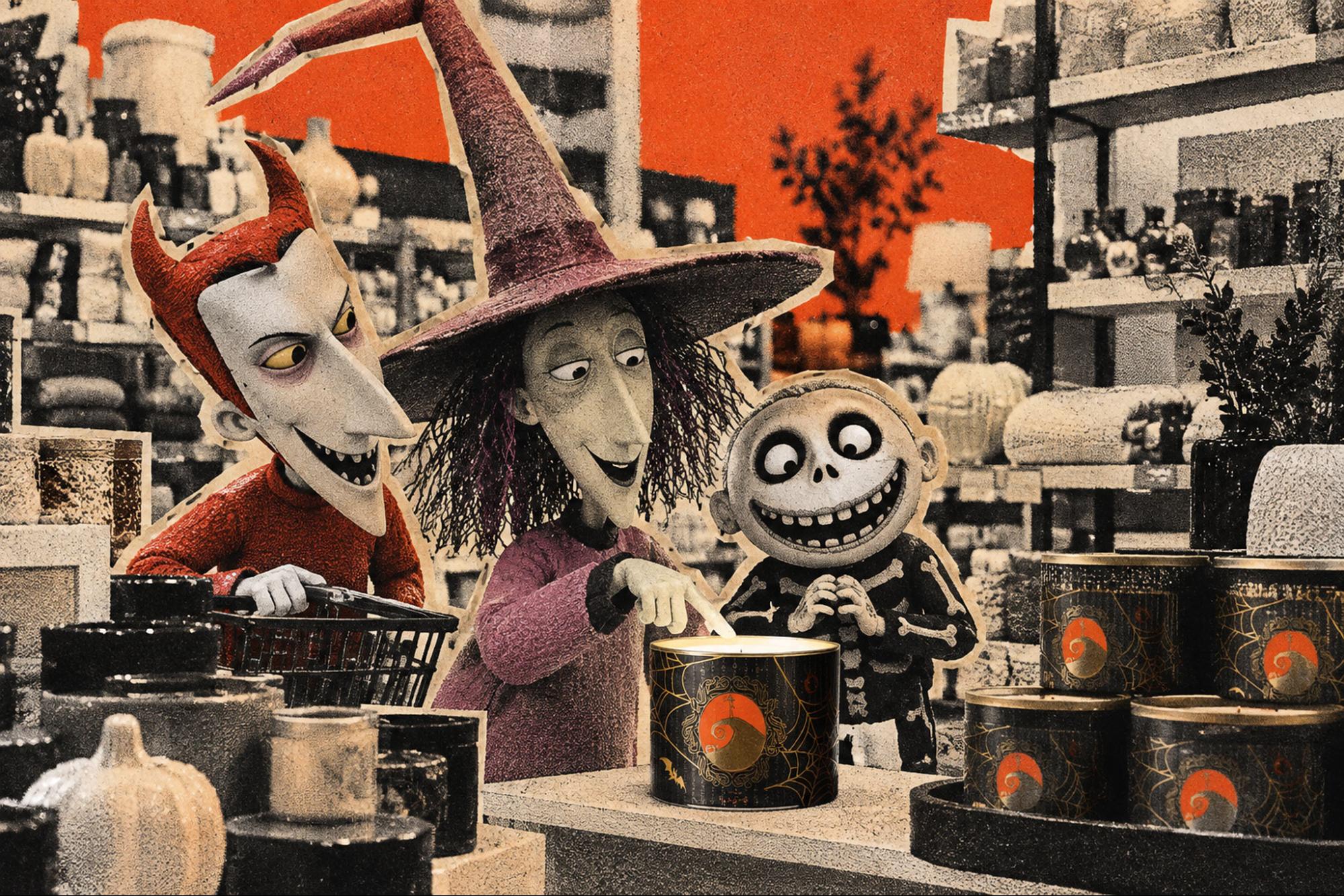
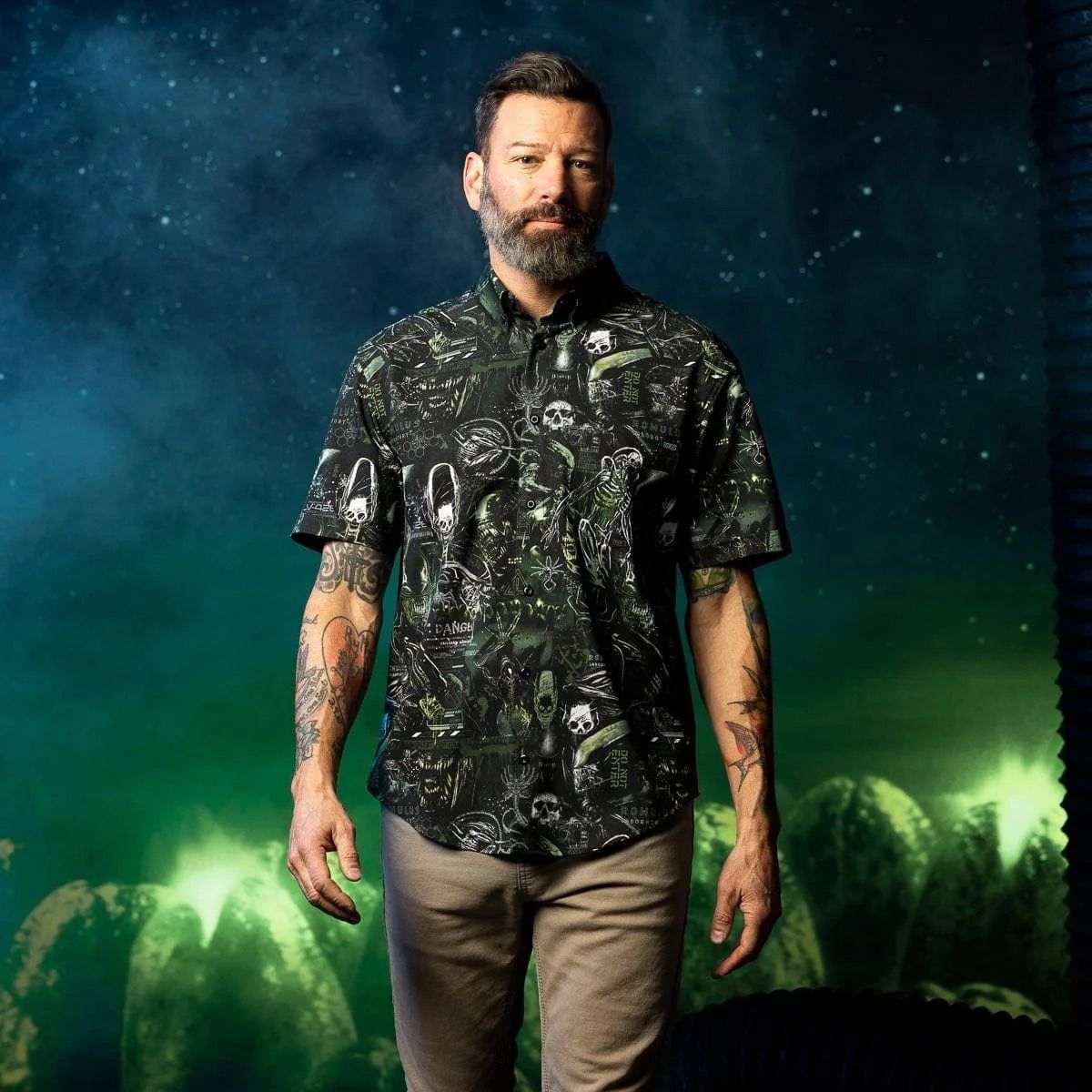
The portfolio of stories and characters is vast, including year-round favorites such as Disney Villains, Tim Burton’s “The Nightmare Before Christmas,” and darker characters and stories across Marvel and 20th Century Studios, including Deadpool and Alien.
In her role, Shortreed oversees commercialization and growth across the entire consumer products business, working with licensing partners and retailers “to bring Disney stories and characters to life through compelling products and experiences.”
Disney Consumer Products’ work in the Americas contributes to a global presence that spans 180 countries and more than 100 product categories. Shortreed noted that these products are the most personal and profound ways people can experience Disney. Beyond family and multigenerational franchises, Disney Consumer Products has developed a hearty portfolio of licensing partners “to create distinctive products for different audiences, aesthetics, and forms of self-expression,” she said. “It also gives fans opportunities to engage with upcoming stories through costumes and other products, building anticipation and participating in the cultural conversation before a story reaches the screen.”
While licensing is a year-round strategy, Shortreed and her team have seen exciting momentum during Halloween, when consumers are flocking to Disney Parks to experience specialty events like Oogie Boogie Bash and Mickey’s Not-So-Scary Halloween Party, which center on exclusive merch, food/bev, and experiential moments. It’s a halo effect with Mickey and friends at the center, and brands across categories are reaping the benefits.
“We measure success not only by business performance, but by our ability to create products and partnerships that deepen emotional connections to our stories, give fans new ways to express their fandom, and keep our franchises relevant in culture.”
We sat down with Shortreed to get her perspectives on how Halloween culture has changed, how Disney has expanded its partnership rolodex to meet new demand, and what successful collaboration with partners looks like as fandoms drive both commerce and culture forward.
Future Commerce (FC): How have you seen the cultural role of Halloween evolve, both for your diverse consumer base as well as for the Disney Consumer Products side of the business?
Liz Shortreed: Halloween has evolved from a single-day occasion into a full season. Fans are bringing its colors, characters, and visual language into fashion, accessories, home décor, and collectibles. That reflects the broader role products play in people’s lives. They are tangible reminders of favorite stories and a form of personal style and self-expression.
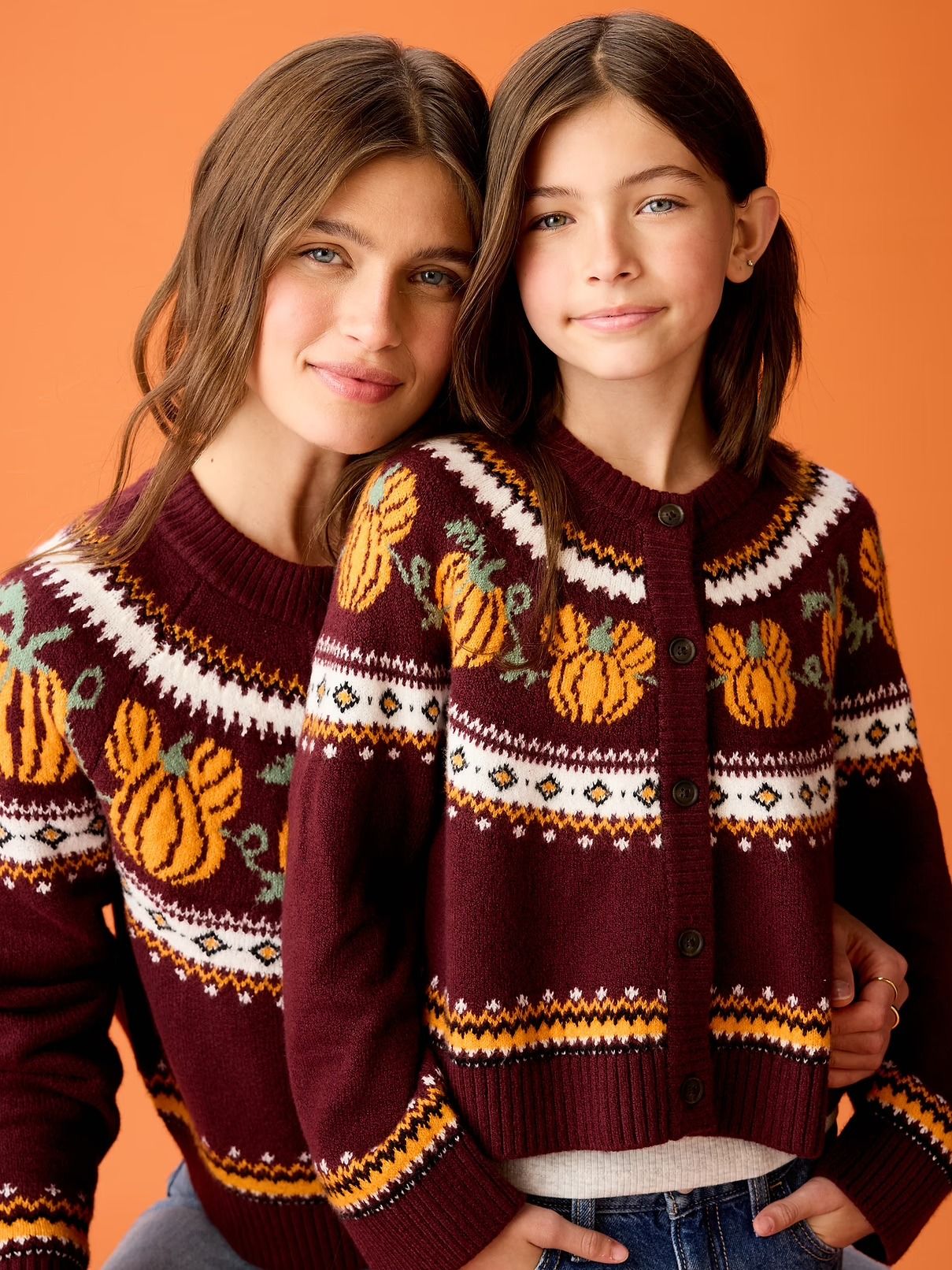
We are also seeing demand begin earlier. Our Disney “Haunted Harvest” collection with Old Navy launched July 30, and select styles sold through quickly. That is a clear signal that consumers increasingly see Halloween as the beginning of the broader holiday shopping Season.
It’s a great example of how we’re working with retailers to meet growing consumer demand for Halloween earlier in the year, adjusting launch timing and seasonal programming as fans
increasingly view the season as the unofficial start of holiday shopping.
FC: Is there a correlation or causation to the rising popularity of Parks moments, such as Oogie Boogie Bash and Mickey’s Not-So-Scary Halloween Party?
Shortreed: The growth of experiences like Oogie Boogie Bash and Mickey’s Not-So-Scary Halloween Party reflects consumers’ desire to engage more deeply with the stories and characters they love. It’s also a reflection of how people are embracing Halloween as a seasonal experience, using these events as opportunities for celebration, self-expression, and shared memories with friends and family.
From a consumer products perspective, those events create natural moments to amplify excitement around key franchises. We think about Halloween holistically, ensuring products, storytelling, marketing, and experiences work together. When fans connect with a property through an event, it often fuels interest in products and vice versa.
Products help extend that experience beyond the event, allowing fans to bring the characters, stories, and moments they connect with in the Parks into their everyday lives. That’s why we think about timing, storytelling, and product launches together, creating a connected experience across every fan touchpoint.
FC: What does effective collaboration look like between divisions?
Shortreed: Collaboration begins early, with teams across Consumer Products, Parks, Entertainment, and Marketing aligning around franchise priorities, consumer insights, and key seasonal moments.
We look at signals such as category performance, audience engagement, and partner feedback to understand where interest is growing and where a new product expression could add value.
Fan enthusiasm over Disney Villains and Tim Burton’s "The Nightmare Before Christmas" demonstrates sustained interest in the darker side of Disney storytelling. That demand informs where we expand into new categories, deepen retail programs, and create additional ways for fans to participate.
FC: How does the DCP team work with licensing partners to identify the right cultural and calendar moments to launch new collections? How do you prioritize partners for the most critical times, such as Halloween?
Shortreed: We start with three things: consumer behavior, the cultural moment, and the strength of the story. For established retail occasions like Halloween, we prioritize partners who are best positioned with deep category expertise, a strong understanding of their consumers, and a proven ability to deliver compelling products.
The most successful collaborations combine Disney storytelling with a partner’s unique strengths, creating products and experiences that feel fresh, relevant, and authentic for fans.
FC: How do you balance “partnership” (e.g., DCP providing guidance, support, and approvals) with giving your partners full creative autonomy to develop and launch the products they know their customers want?
Shortreed: The most successful partnerships are collaborative. We bring expertise in our franchises, characters, and storytelling, while our partners bring deep knowledge of their categories, consumers, and design sensibilities.
Our role is to provide strategic guidance and brand stewardship while encouraging innovation. We often give partners access to Disney archives, artists, and storytelling resources, while giving them the freedom to bring their own creative point of view. The goal is to create products that feel fresh and authentic to both brands. When that balance works, collaborations can introduce Disney to new audiences, show up in culture in unexpected ways, and deliver something genuinely distinctive for fans.
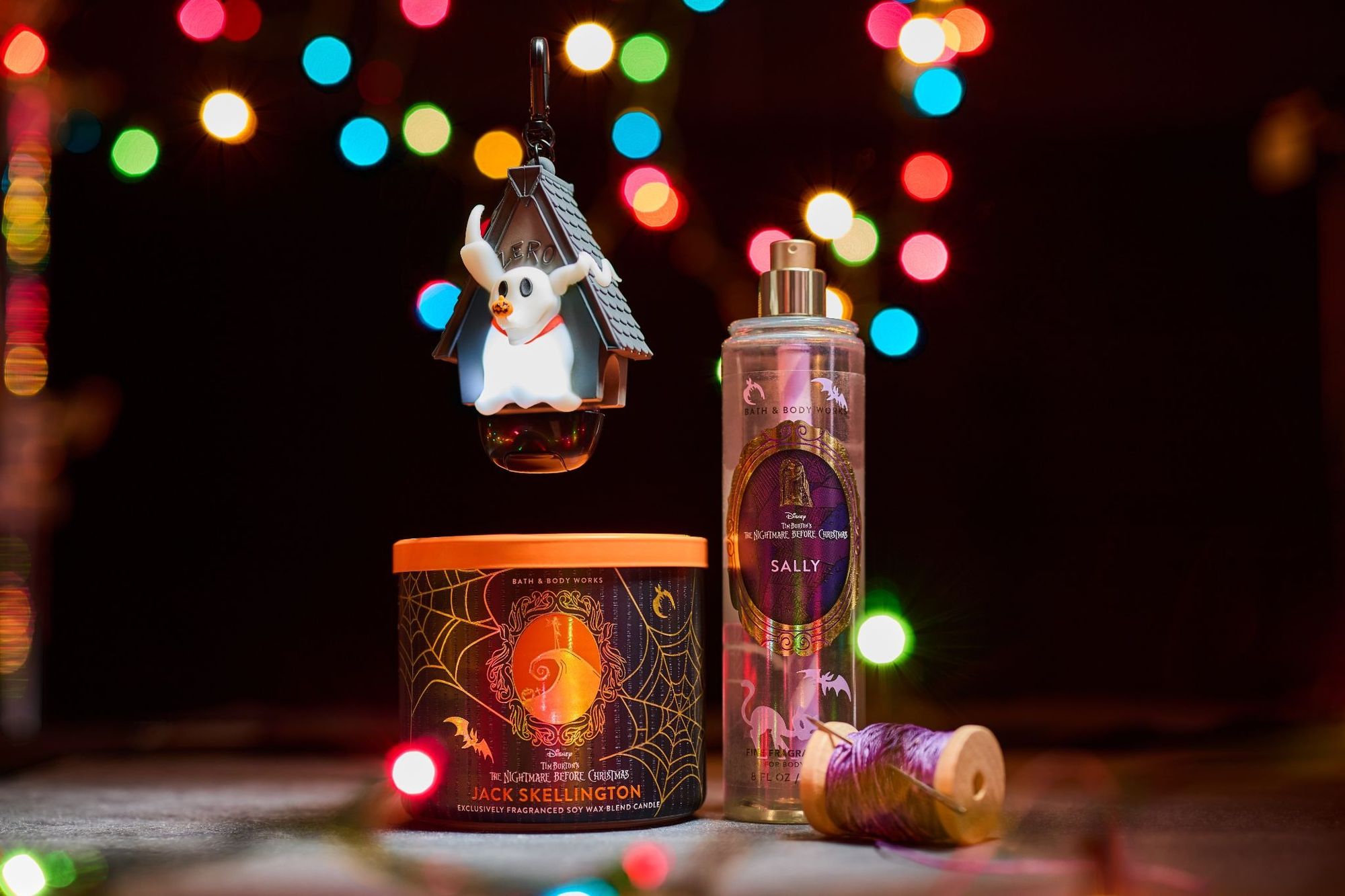
Tim Burton’s "The Nightmare Before Christmas" collaboration with Bath & Body Works is a great example. Disney helped shape the storytelling and brand direction, while Bath & Body Works translated the story through its expertise in fragrance and guest experience. Disney Villains with Pandora demonstrates the same principle in a different category. We provided the franchise foundation and character insights, and Pandora interpreted them through its distinctive design lens. In both cases, the collaboration succeeded because each brand contributed something only it could bring.
FC: Previously, Halloween was a holiday that parents largely participated in to support and celebrate with their kids. Now they’re using it as a vehicle for cultural expression, nostalgia, and finding individual joy. Does this signal resonate with your team, or are other trends currently guiding your Halloween strategy?
Shortreed: Nostalgia remains powerful, but consumers are expressing it in more individual and everyday ways. Some gravitate toward family-friendly characters and traditions, while others are drawn to humor, fandom, fashion, or more elevated versions of expression.
That’s why we focus on building broad assortments that serve different audiences, occasions, and retail environments across our portfolio of stories and characters. Whether someone is shopping for family celebrations, seasonal home décor, apparel, beauty, or collectibles, we want to offer relevant ways to engage with Disney stories during the season.
Halloween used to be a procrastinator’s paradise: wait until the last minute, run to the store to buy a cheap bag of candy, and dress your kid in an old cardigan (hello, grandma!), a pair of oversized footie pajamas and pigtails (baby), or the classic sheet (ghost).
But now, just as MIT media theorist Henry Jenkins might have predicted, Halloween has become a participatory commercial-and-cultural act.
Halloween prep is starting earlier than ever before. marked by June decor rollouts, mid-summer Spirit Halloween store launches, and neighborhood front yards transformed into elaborate inflatable and skeletal graveyards.
It all comes down to what Morning Consult calls “treatonomics.”
Consumers started looking for small ways to participate in Halloween culture as early as July. In fact, most US households (92%) plan to participate in at least one Halloween activity this year and spend around $285, according to Deloitte. Most of that will go to costumes ($57 on average), but home decor is close behind ($54).
As Katherine Cullen, EY Global Retail Senior Analyst, so succinctly put it:
“Almost every retailer can now be a Halloween retailer in some capacity. Halloween presents a unique opportunity because much of the spending is discretionary and experiential. Other holidays are need- and gift-driven, but Halloween often sees more impulse buying.”
Consumers use Halloween as a creative vehicle to convey their connection to IP and fandom communities, no matter how obscure or niche. That’s why the opportunity is especially large and emotionally resonant for an entity like Disney and its Consumer Products division, which focuses on serving “the full range of Halloween fandom,” according to Liz Shortreed, Senior Vice President of the Americas for Disney Consumer Products.
The portfolio of stories and characters is vast, including year-round favorites such as Disney Villains, Tim Burton’s “The Nightmare Before Christmas,” and darker characters and stories across Marvel and 20th Century Studios, including Deadpool and Alien.
In her role, Shortreed oversees commercialization and growth across the entire consumer products business, working with licensing partners and retailers “to bring Disney stories and characters to life through compelling products and experiences.”
Disney Consumer Products’ work in the Americas contributes to a global presence that spans 180 countries and more than 100 product categories. Shortreed noted that these products are the most personal and profound ways people can experience Disney. Beyond family and multigenerational franchises, Disney Consumer Products has developed a hearty portfolio of licensing partners “to create distinctive products for different audiences, aesthetics, and forms of self-expression,” she said. “It also gives fans opportunities to engage with upcoming stories through costumes and other products, building anticipation and participating in the cultural conversation before a story reaches the screen.”
While licensing is a year-round strategy, Shortreed and her team have seen exciting momentum during Halloween, when consumers are flocking to Disney Parks to experience specialty events like Oogie Boogie Bash and Mickey’s Not-So-Scary Halloween Party, which center on exclusive merch, food/bev, and experiential moments. It’s a halo effect with Mickey and friends at the center, and brands across categories are reaping the benefits.
“We measure success not only by business performance, but by our ability to create products and partnerships that deepen emotional connections to our stories, give fans new ways to express their fandom, and keep our franchises relevant in culture.”
We sat down with Shortreed to get her perspectives on how Halloween culture has changed, how Disney has expanded its partnership rolodex to meet new demand, and what successful collaboration with partners looks like as fandoms drive both commerce and culture forward.
Future Commerce (FC): How have you seen the cultural role of Halloween evolve, both for your diverse consumer base as well as for the Disney Consumer Products side of the business?
Liz Shortreed: Halloween has evolved from a single-day occasion into a full season. Fans are bringing its colors, characters, and visual language into fashion, accessories, home décor, and collectibles. That reflects the broader role products play in people’s lives. They are tangible reminders of favorite stories and a form of personal style and self-expression.
We are also seeing demand begin earlier. Our Disney “Haunted Harvest” collection with Old Navy launched July 30, and select styles sold through quickly. That is a clear signal that consumers increasingly see Halloween as the beginning of the broader holiday shopping Season.
It’s a great example of how we’re working with retailers to meet growing consumer demand for Halloween earlier in the year, adjusting launch timing and seasonal programming as fans
increasingly view the season as the unofficial start of holiday shopping.
FC: Is there a correlation or causation to the rising popularity of Parks moments, such as Oogie Boogie Bash and Mickey’s Not-So-Scary Halloween Party?
Shortreed: The growth of experiences like Oogie Boogie Bash and Mickey’s Not-So-Scary Halloween Party reflects consumers’ desire to engage more deeply with the stories and characters they love. It’s also a reflection of how people are embracing Halloween as a seasonal experience, using these events as opportunities for celebration, self-expression, and shared memories with friends and family.
From a consumer products perspective, those events create natural moments to amplify excitement around key franchises. We think about Halloween holistically, ensuring products, storytelling, marketing, and experiences work together. When fans connect with a property through an event, it often fuels interest in products and vice versa.
Products help extend that experience beyond the event, allowing fans to bring the characters, stories, and moments they connect with in the Parks into their everyday lives. That’s why we think about timing, storytelling, and product launches together, creating a connected experience across every fan touchpoint.
FC: What does effective collaboration look like between divisions?
Shortreed: Collaboration begins early, with teams across Consumer Products, Parks, Entertainment, and Marketing aligning around franchise priorities, consumer insights, and key seasonal moments.
We look at signals such as category performance, audience engagement, and partner feedback to understand where interest is growing and where a new product expression could add value.
Fan enthusiasm over Disney Villains and Tim Burton’s "The Nightmare Before Christmas" demonstrates sustained interest in the darker side of Disney storytelling. That demand informs where we expand into new categories, deepen retail programs, and create additional ways for fans to participate.
FC: How does the DCP team work with licensing partners to identify the right cultural and calendar moments to launch new collections? How do you prioritize partners for the most critical times, such as Halloween?
Shortreed: We start with three things: consumer behavior, the cultural moment, and the strength of the story. For established retail occasions like Halloween, we prioritize partners who are best positioned with deep category expertise, a strong understanding of their consumers, and a proven ability to deliver compelling products.
The most successful collaborations combine Disney storytelling with a partner’s unique strengths, creating products and experiences that feel fresh, relevant, and authentic for fans.
FC: How do you balance “partnership” (e.g., DCP providing guidance, support, and approvals) with giving your partners full creative autonomy to develop and launch the products they know their customers want?
Shortreed: The most successful partnerships are collaborative. We bring expertise in our franchises, characters, and storytelling, while our partners bring deep knowledge of their categories, consumers, and design sensibilities.
Our role is to provide strategic guidance and brand stewardship while encouraging innovation. We often give partners access to Disney archives, artists, and storytelling resources, while giving them the freedom to bring their own creative point of view. The goal is to create products that feel fresh and authentic to both brands. When that balance works, collaborations can introduce Disney to new audiences, show up in culture in unexpected ways, and deliver something genuinely distinctive for fans.
Tim Burton’s "The Nightmare Before Christmas" collaboration with Bath & Body Works is a great example. Disney helped shape the storytelling and brand direction, while Bath & Body Works translated the story through its expertise in fragrance and guest experience. Disney Villains with Pandora demonstrates the same principle in a different category. We provided the franchise foundation and character insights, and Pandora interpreted them through its distinctive design lens. In both cases, the collaboration succeeded because each brand contributed something only it could bring.
FC: Previously, Halloween was a holiday that parents largely participated in to support and celebrate with their kids. Now they’re using it as a vehicle for cultural expression, nostalgia, and finding individual joy. Does this signal resonate with your team, or are other trends currently guiding your Halloween strategy?
Shortreed: Nostalgia remains powerful, but consumers are expressing it in more individual and everyday ways. Some gravitate toward family-friendly characters and traditions, while others are drawn to humor, fandom, fashion, or more elevated versions of expression.
That’s why we focus on building broad assortments that serve different audiences, occasions, and retail environments across our portfolio of stories and characters. Whether someone is shopping for family celebrations, seasonal home décor, apparel, beauty, or collectibles, we want to offer relevant ways to engage with Disney stories during the season.
Halloween used to be a procrastinator’s paradise: wait until the last minute, run to the store to buy a cheap bag of candy, and dress your kid in an old cardigan (hello, grandma!), a pair of oversized footie pajamas and pigtails (baby), or the classic sheet (ghost).
But now, just as MIT media theorist Henry Jenkins might have predicted, Halloween has become a participatory commercial-and-cultural act.
Halloween prep is starting earlier than ever before. marked by June decor rollouts, mid-summer Spirit Halloween store launches, and neighborhood front yards transformed into elaborate inflatable and skeletal graveyards.
It all comes down to what Morning Consult calls “treatonomics.”
Consumers started looking for small ways to participate in Halloween culture as early as July. In fact, most US households (92%) plan to participate in at least one Halloween activity this year and spend around $285, according to Deloitte. Most of that will go to costumes ($57 on average), but home decor is close behind ($54).
As Katherine Cullen, EY Global Retail Senior Analyst, so succinctly put it:
“Almost every retailer can now be a Halloween retailer in some capacity. Halloween presents a unique opportunity because much of the spending is discretionary and experiential. Other holidays are need- and gift-driven, but Halloween often sees more impulse buying.”
Consumers use Halloween as a creative vehicle to convey their connection to IP and fandom communities, no matter how obscure or niche. That’s why the opportunity is especially large and emotionally resonant for an entity like Disney and its Consumer Products division, which focuses on serving “the full range of Halloween fandom,” according to Liz Shortreed, Senior Vice President of the Americas for Disney Consumer Products.
The portfolio of stories and characters is vast, including year-round favorites such as Disney Villains, Tim Burton’s “The Nightmare Before Christmas,” and darker characters and stories across Marvel and 20th Century Studios, including Deadpool and Alien.
In her role, Shortreed oversees commercialization and growth across the entire consumer products business, working with licensing partners and retailers “to bring Disney stories and characters to life through compelling products and experiences.”
Disney Consumer Products’ work in the Americas contributes to a global presence that spans 180 countries and more than 100 product categories. Shortreed noted that these products are the most personal and profound ways people can experience Disney. Beyond family and multigenerational franchises, Disney Consumer Products has developed a hearty portfolio of licensing partners “to create distinctive products for different audiences, aesthetics, and forms of self-expression,” she said. “It also gives fans opportunities to engage with upcoming stories through costumes and other products, building anticipation and participating in the cultural conversation before a story reaches the screen.”
While licensing is a year-round strategy, Shortreed and her team have seen exciting momentum during Halloween, when consumers are flocking to Disney Parks to experience specialty events like Oogie Boogie Bash and Mickey’s Not-So-Scary Halloween Party, which center on exclusive merch, food/bev, and experiential moments. It’s a halo effect with Mickey and friends at the center, and brands across categories are reaping the benefits.
“We measure success not only by business performance, but by our ability to create products and partnerships that deepen emotional connections to our stories, give fans new ways to express their fandom, and keep our franchises relevant in culture.”
We sat down with Shortreed to get her perspectives on how Halloween culture has changed, how Disney has expanded its partnership rolodex to meet new demand, and what successful collaboration with partners looks like as fandoms drive both commerce and culture forward.
Future Commerce (FC): How have you seen the cultural role of Halloween evolve, both for your diverse consumer base as well as for the Disney Consumer Products side of the business?
Liz Shortreed: Halloween has evolved from a single-day occasion into a full season. Fans are bringing its colors, characters, and visual language into fashion, accessories, home décor, and collectibles. That reflects the broader role products play in people’s lives. They are tangible reminders of favorite stories and a form of personal style and self-expression.
We are also seeing demand begin earlier. Our Disney “Haunted Harvest” collection with Old Navy launched July 30, and select styles sold through quickly. That is a clear signal that consumers increasingly see Halloween as the beginning of the broader holiday shopping Season.
It’s a great example of how we’re working with retailers to meet growing consumer demand for Halloween earlier in the year, adjusting launch timing and seasonal programming as fans
increasingly view the season as the unofficial start of holiday shopping.
FC: Is there a correlation or causation to the rising popularity of Parks moments, such as Oogie Boogie Bash and Mickey’s Not-So-Scary Halloween Party?
Shortreed: The growth of experiences like Oogie Boogie Bash and Mickey’s Not-So-Scary Halloween Party reflects consumers’ desire to engage more deeply with the stories and characters they love. It’s also a reflection of how people are embracing Halloween as a seasonal experience, using these events as opportunities for celebration, self-expression, and shared memories with friends and family.
From a consumer products perspective, those events create natural moments to amplify excitement around key franchises. We think about Halloween holistically, ensuring products, storytelling, marketing, and experiences work together. When fans connect with a property through an event, it often fuels interest in products and vice versa.
Products help extend that experience beyond the event, allowing fans to bring the characters, stories, and moments they connect with in the Parks into their everyday lives. That’s why we think about timing, storytelling, and product launches together, creating a connected experience across every fan touchpoint.
FC: What does effective collaboration look like between divisions?
Shortreed: Collaboration begins early, with teams across Consumer Products, Parks, Entertainment, and Marketing aligning around franchise priorities, consumer insights, and key seasonal moments.
We look at signals such as category performance, audience engagement, and partner feedback to understand where interest is growing and where a new product expression could add value.
Fan enthusiasm over Disney Villains and Tim Burton’s "The Nightmare Before Christmas" demonstrates sustained interest in the darker side of Disney storytelling. That demand informs where we expand into new categories, deepen retail programs, and create additional ways for fans to participate.
FC: How does the DCP team work with licensing partners to identify the right cultural and calendar moments to launch new collections? How do you prioritize partners for the most critical times, such as Halloween?
Shortreed: We start with three things: consumer behavior, the cultural moment, and the strength of the story. For established retail occasions like Halloween, we prioritize partners who are best positioned with deep category expertise, a strong understanding of their consumers, and a proven ability to deliver compelling products.
The most successful collaborations combine Disney storytelling with a partner’s unique strengths, creating products and experiences that feel fresh, relevant, and authentic for fans.
FC: How do you balance “partnership” (e.g., DCP providing guidance, support, and approvals) with giving your partners full creative autonomy to develop and launch the products they know their customers want?
Shortreed: The most successful partnerships are collaborative. We bring expertise in our franchises, characters, and storytelling, while our partners bring deep knowledge of their categories, consumers, and design sensibilities.
Our role is to provide strategic guidance and brand stewardship while encouraging innovation. We often give partners access to Disney archives, artists, and storytelling resources, while giving them the freedom to bring their own creative point of view. The goal is to create products that feel fresh and authentic to both brands. When that balance works, collaborations can introduce Disney to new audiences, show up in culture in unexpected ways, and deliver something genuinely distinctive for fans.
Tim Burton’s "The Nightmare Before Christmas" collaboration with Bath & Body Works is a great example. Disney helped shape the storytelling and brand direction, while Bath & Body Works translated the story through its expertise in fragrance and guest experience. Disney Villains with Pandora demonstrates the same principle in a different category. We provided the franchise foundation and character insights, and Pandora interpreted them through its distinctive design lens. In both cases, the collaboration succeeded because each brand contributed something only it could bring.
FC: Previously, Halloween was a holiday that parents largely participated in to support and celebrate with their kids. Now they’re using it as a vehicle for cultural expression, nostalgia, and finding individual joy. Does this signal resonate with your team, or are other trends currently guiding your Halloween strategy?
Shortreed: Nostalgia remains powerful, but consumers are expressing it in more individual and everyday ways. Some gravitate toward family-friendly characters and traditions, while others are drawn to humor, fandom, fashion, or more elevated versions of expression.
That’s why we focus on building broad assortments that serve different audiences, occasions, and retail environments across our portfolio of stories and characters. Whether someone is shopping for family celebrations, seasonal home décor, apparel, beauty, or collectibles, we want to offer relevant ways to engage with Disney stories during the season.
Halloween used to be a procrastinator’s paradise: wait until the last minute, run to the store to buy a cheap bag of candy, and dress your kid in an old cardigan (hello, grandma!), a pair of oversized footie pajamas and pigtails (baby), or the classic sheet (ghost).
But now, just as MIT media theorist Henry Jenkins might have predicted, Halloween has become a participatory commercial-and-cultural act.
Halloween prep is starting earlier than ever before. marked by June decor rollouts, mid-summer Spirit Halloween store launches, and neighborhood front yards transformed into elaborate inflatable and skeletal graveyards.
It all comes down to what Morning Consult calls “treatonomics.”
Consumers started looking for small ways to participate in Halloween culture as early as July. In fact, most US households (92%) plan to participate in at least one Halloween activity this year and spend around $285, according to Deloitte. Most of that will go to costumes ($57 on average), but home decor is close behind ($54).
As Katherine Cullen, EY Global Retail Senior Analyst, so succinctly put it:
“Almost every retailer can now be a Halloween retailer in some capacity. Halloween presents a unique opportunity because much of the spending is discretionary and experiential. Other holidays are need- and gift-driven, but Halloween often sees more impulse buying.”
Consumers use Halloween as a creative vehicle to convey their connection to IP and fandom communities, no matter how obscure or niche. That’s why the opportunity is especially large and emotionally resonant for an entity like Disney and its Consumer Products division, which focuses on serving “the full range of Halloween fandom,” according to Liz Shortreed, Senior Vice President of the Americas for Disney Consumer Products.
The portfolio of stories and characters is vast, including year-round favorites such as Disney Villains, Tim Burton’s “The Nightmare Before Christmas,” and darker characters and stories across Marvel and 20th Century Studios, including Deadpool and Alien.
In her role, Shortreed oversees commercialization and growth across the entire consumer products business, working with licensing partners and retailers “to bring Disney stories and characters to life through compelling products and experiences.”
Disney Consumer Products’ work in the Americas contributes to a global presence that spans 180 countries and more than 100 product categories. Shortreed noted that these products are the most personal and profound ways people can experience Disney. Beyond family and multigenerational franchises, Disney Consumer Products has developed a hearty portfolio of licensing partners “to create distinctive products for different audiences, aesthetics, and forms of self-expression,” she said. “It also gives fans opportunities to engage with upcoming stories through costumes and other products, building anticipation and participating in the cultural conversation before a story reaches the screen.”
While licensing is a year-round strategy, Shortreed and her team have seen exciting momentum during Halloween, when consumers are flocking to Disney Parks to experience specialty events like Oogie Boogie Bash and Mickey’s Not-So-Scary Halloween Party, which center on exclusive merch, food/bev, and experiential moments. It’s a halo effect with Mickey and friends at the center, and brands across categories are reaping the benefits.
“We measure success not only by business performance, but by our ability to create products and partnerships that deepen emotional connections to our stories, give fans new ways to express their fandom, and keep our franchises relevant in culture.”
We sat down with Shortreed to get her perspectives on how Halloween culture has changed, how Disney has expanded its partnership rolodex to meet new demand, and what successful collaboration with partners looks like as fandoms drive both commerce and culture forward.
Future Commerce (FC): How have you seen the cultural role of Halloween evolve, both for your diverse consumer base as well as for the Disney Consumer Products side of the business?
Liz Shortreed: Halloween has evolved from a single-day occasion into a full season. Fans are bringing its colors, characters, and visual language into fashion, accessories, home décor, and collectibles. That reflects the broader role products play in people’s lives. They are tangible reminders of favorite stories and a form of personal style and self-expression.
We are also seeing demand begin earlier. Our Disney “Haunted Harvest” collection with Old Navy launched July 30, and select styles sold through quickly. That is a clear signal that consumers increasingly see Halloween as the beginning of the broader holiday shopping Season.
It’s a great example of how we’re working with retailers to meet growing consumer demand for Halloween earlier in the year, adjusting launch timing and seasonal programming as fans
increasingly view the season as the unofficial start of holiday shopping.
FC: Is there a correlation or causation to the rising popularity of Parks moments, such as Oogie Boogie Bash and Mickey’s Not-So-Scary Halloween Party?
Shortreed: The growth of experiences like Oogie Boogie Bash and Mickey’s Not-So-Scary Halloween Party reflects consumers’ desire to engage more deeply with the stories and characters they love. It’s also a reflection of how people are embracing Halloween as a seasonal experience, using these events as opportunities for celebration, self-expression, and shared memories with friends and family.
From a consumer products perspective, those events create natural moments to amplify excitement around key franchises. We think about Halloween holistically, ensuring products, storytelling, marketing, and experiences work together. When fans connect with a property through an event, it often fuels interest in products and vice versa.
Products help extend that experience beyond the event, allowing fans to bring the characters, stories, and moments they connect with in the Parks into their everyday lives. That’s why we think about timing, storytelling, and product launches together, creating a connected experience across every fan touchpoint.
FC: What does effective collaboration look like between divisions?
Shortreed: Collaboration begins early, with teams across Consumer Products, Parks, Entertainment, and Marketing aligning around franchise priorities, consumer insights, and key seasonal moments.
We look at signals such as category performance, audience engagement, and partner feedback to understand where interest is growing and where a new product expression could add value.
Fan enthusiasm over Disney Villains and Tim Burton’s "The Nightmare Before Christmas" demonstrates sustained interest in the darker side of Disney storytelling. That demand informs where we expand into new categories, deepen retail programs, and create additional ways for fans to participate.
FC: How does the DCP team work with licensing partners to identify the right cultural and calendar moments to launch new collections? How do you prioritize partners for the most critical times, such as Halloween?
Shortreed: We start with three things: consumer behavior, the cultural moment, and the strength of the story. For established retail occasions like Halloween, we prioritize partners who are best positioned with deep category expertise, a strong understanding of their consumers, and a proven ability to deliver compelling products.
The most successful collaborations combine Disney storytelling with a partner’s unique strengths, creating products and experiences that feel fresh, relevant, and authentic for fans.
FC: How do you balance “partnership” (e.g., DCP providing guidance, support, and approvals) with giving your partners full creative autonomy to develop and launch the products they know their customers want?
Shortreed: The most successful partnerships are collaborative. We bring expertise in our franchises, characters, and storytelling, while our partners bring deep knowledge of their categories, consumers, and design sensibilities.
Our role is to provide strategic guidance and brand stewardship while encouraging innovation. We often give partners access to Disney archives, artists, and storytelling resources, while giving them the freedom to bring their own creative point of view. The goal is to create products that feel fresh and authentic to both brands. When that balance works, collaborations can introduce Disney to new audiences, show up in culture in unexpected ways, and deliver something genuinely distinctive for fans.
Tim Burton’s "The Nightmare Before Christmas" collaboration with Bath & Body Works is a great example. Disney helped shape the storytelling and brand direction, while Bath & Body Works translated the story through its expertise in fragrance and guest experience. Disney Villains with Pandora demonstrates the same principle in a different category. We provided the franchise foundation and character insights, and Pandora interpreted them through its distinctive design lens. In both cases, the collaboration succeeded because each brand contributed something only it could bring.
FC: Previously, Halloween was a holiday that parents largely participated in to support and celebrate with their kids. Now they’re using it as a vehicle for cultural expression, nostalgia, and finding individual joy. Does this signal resonate with your team, or are other trends currently guiding your Halloween strategy?
Shortreed: Nostalgia remains powerful, but consumers are expressing it in more individual and everyday ways. Some gravitate toward family-friendly characters and traditions, while others are drawn to humor, fandom, fashion, or more elevated versions of expression.
That’s why we focus on building broad assortments that serve different audiences, occasions, and retail environments across our portfolio of stories and characters. Whether someone is shopping for family celebrations, seasonal home décor, apparel, beauty, or collectibles, we want to offer relevant ways to engage with Disney stories during the season.
Halloween used to be a procrastinator’s paradise: wait until the last minute, run to the store to buy a cheap bag of candy, and dress your kid in an old cardigan (hello, grandma!), a pair of oversized footie pajamas and pigtails (baby), or the classic sheet (ghost).
But now, just as MIT media theorist Henry Jenkins might have predicted, Halloween has become a participatory commercial-and-cultural act.
Halloween prep is starting earlier than ever before. marked by June decor rollouts, mid-summer Spirit Halloween store launches, and neighborhood front yards transformed into elaborate inflatable and skeletal graveyards.
It all comes down to what Morning Consult calls “treatonomics.”
Consumers started looking for small ways to participate in Halloween culture as early as July. In fact, most US households (92%) plan to participate in at least one Halloween activity this year and spend around $285, according to Deloitte. Most of that will go to costumes ($57 on average), but home decor is close behind ($54).
As Katherine Cullen, EY Global Retail Senior Analyst, so succinctly put it:
“Almost every retailer can now be a Halloween retailer in some capacity. Halloween presents a unique opportunity because much of the spending is discretionary and experiential. Other holidays are need- and gift-driven, but Halloween often sees more impulse buying.”
Consumers use Halloween as a creative vehicle to convey their connection to IP and fandom communities, no matter how obscure or niche. That’s why the opportunity is especially large and emotionally resonant for an entity like Disney and its Consumer Products division, which focuses on serving “the full range of Halloween fandom,” according to Liz Shortreed, Senior Vice President of the Americas for Disney Consumer Products.
The portfolio of stories and characters is vast, including year-round favorites such as Disney Villains, Tim Burton’s “The Nightmare Before Christmas,” and darker characters and stories across Marvel and 20th Century Studios, including Deadpool and Alien.
In her role, Shortreed oversees commercialization and growth across the entire consumer products business, working with licensing partners and retailers “to bring Disney stories and characters to life through compelling products and experiences.”
Disney Consumer Products’ work in the Americas contributes to a global presence that spans 180 countries and more than 100 product categories. Shortreed noted that these products are the most personal and profound ways people can experience Disney. Beyond family and multigenerational franchises, Disney Consumer Products has developed a hearty portfolio of licensing partners “to create distinctive products for different audiences, aesthetics, and forms of self-expression,” she said. “It also gives fans opportunities to engage with upcoming stories through costumes and other products, building anticipation and participating in the cultural conversation before a story reaches the screen.”
While licensing is a year-round strategy, Shortreed and her team have seen exciting momentum during Halloween, when consumers are flocking to Disney Parks to experience specialty events like Oogie Boogie Bash and Mickey’s Not-So-Scary Halloween Party, which center on exclusive merch, food/bev, and experiential moments. It’s a halo effect with Mickey and friends at the center, and brands across categories are reaping the benefits.
“We measure success not only by business performance, but by our ability to create products and partnerships that deepen emotional connections to our stories, give fans new ways to express their fandom, and keep our franchises relevant in culture.”
We sat down with Shortreed to get her perspectives on how Halloween culture has changed, how Disney has expanded its partnership rolodex to meet new demand, and what successful collaboration with partners looks like as fandoms drive both commerce and culture forward.
Future Commerce (FC): How have you seen the cultural role of Halloween evolve, both for your diverse consumer base as well as for the Disney Consumer Products side of the business?
Liz Shortreed: Halloween has evolved from a single-day occasion into a full season. Fans are bringing its colors, characters, and visual language into fashion, accessories, home décor, and collectibles. That reflects the broader role products play in people’s lives. They are tangible reminders of favorite stories and a form of personal style and self-expression.
We are also seeing demand begin earlier. Our Disney “Haunted Harvest” collection with Old Navy launched July 30, and select styles sold through quickly. That is a clear signal that consumers increasingly see Halloween as the beginning of the broader holiday shopping Season.
It’s a great example of how we’re working with retailers to meet growing consumer demand for Halloween earlier in the year, adjusting launch timing and seasonal programming as fans
increasingly view the season as the unofficial start of holiday shopping.
FC: Is there a correlation or causation to the rising popularity of Parks moments, such as Oogie Boogie Bash and Mickey’s Not-So-Scary Halloween Party?
Shortreed: The growth of experiences like Oogie Boogie Bash and Mickey’s Not-So-Scary Halloween Party reflects consumers’ desire to engage more deeply with the stories and characters they love. It’s also a reflection of how people are embracing Halloween as a seasonal experience, using these events as opportunities for celebration, self-expression, and shared memories with friends and family.
From a consumer products perspective, those events create natural moments to amplify excitement around key franchises. We think about Halloween holistically, ensuring products, storytelling, marketing, and experiences work together. When fans connect with a property through an event, it often fuels interest in products and vice versa.
Products help extend that experience beyond the event, allowing fans to bring the characters, stories, and moments they connect with in the Parks into their everyday lives. That’s why we think about timing, storytelling, and product launches together, creating a connected experience across every fan touchpoint.
FC: What does effective collaboration look like between divisions?
Shortreed: Collaboration begins early, with teams across Consumer Products, Parks, Entertainment, and Marketing aligning around franchise priorities, consumer insights, and key seasonal moments.
We look at signals such as category performance, audience engagement, and partner feedback to understand where interest is growing and where a new product expression could add value.
Fan enthusiasm over Disney Villains and Tim Burton’s "The Nightmare Before Christmas" demonstrates sustained interest in the darker side of Disney storytelling. That demand informs where we expand into new categories, deepen retail programs, and create additional ways for fans to participate.
FC: How does the DCP team work with licensing partners to identify the right cultural and calendar moments to launch new collections? How do you prioritize partners for the most critical times, such as Halloween?
Shortreed: We start with three things: consumer behavior, the cultural moment, and the strength of the story. For established retail occasions like Halloween, we prioritize partners who are best positioned with deep category expertise, a strong understanding of their consumers, and a proven ability to deliver compelling products.
The most successful collaborations combine Disney storytelling with a partner’s unique strengths, creating products and experiences that feel fresh, relevant, and authentic for fans.
FC: How do you balance “partnership” (e.g., DCP providing guidance, support, and approvals) with giving your partners full creative autonomy to develop and launch the products they know their customers want?
Shortreed: The most successful partnerships are collaborative. We bring expertise in our franchises, characters, and storytelling, while our partners bring deep knowledge of their categories, consumers, and design sensibilities.
Our role is to provide strategic guidance and brand stewardship while encouraging innovation. We often give partners access to Disney archives, artists, and storytelling resources, while giving them the freedom to bring their own creative point of view. The goal is to create products that feel fresh and authentic to both brands. When that balance works, collaborations can introduce Disney to new audiences, show up in culture in unexpected ways, and deliver something genuinely distinctive for fans.
Tim Burton’s "The Nightmare Before Christmas" collaboration with Bath & Body Works is a great example. Disney helped shape the storytelling and brand direction, while Bath & Body Works translated the story through its expertise in fragrance and guest experience. Disney Villains with Pandora demonstrates the same principle in a different category. We provided the franchise foundation and character insights, and Pandora interpreted them through its distinctive design lens. In both cases, the collaboration succeeded because each brand contributed something only it could bring.
FC: Previously, Halloween was a holiday that parents largely participated in to support and celebrate with their kids. Now they’re using it as a vehicle for cultural expression, nostalgia, and finding individual joy. Does this signal resonate with your team, or are other trends currently guiding your Halloween strategy?
Shortreed: Nostalgia remains powerful, but consumers are expressing it in more individual and everyday ways. Some gravitate toward family-friendly characters and traditions, while others are drawn to humor, fandom, fashion, or more elevated versions of expression.
That’s why we focus on building broad assortments that serve different audiences, occasions, and retail environments across our portfolio of stories and characters. Whether someone is shopping for family celebrations, seasonal home décor, apparel, beauty, or collectibles, we want to offer relevant ways to engage with Disney stories during the season.
Continue Reading...

Insights and futurism for executives in eCom and Retail
Those things we shouldn’t say out loud? We say them on the private feed. Bi-weekly “after dark” podcasts and a members-only newsletter, just for subscribers.
Our research reports combine visionary thinking with data-backed findings from our own advisory panel, made up of leaders at brands you know and trust.
Upskill, cross-skill, and future-proof your teams with Future Commerce Learning, the leading digital eCommerce learning platform, created by professional educators.