


Aug-tober is Here

Welcome to Friday, futurists.
And welcome to the first newsletter of Aug-tober. If you’re in the suburbs, you’ve likely seen a dormant store be resurrected by Spirit Halloween, and that’s because summer has become the new peak season for Halloween shopping.
We started to see the trend form last year. Halloween spending hit a record $13.1B, up from $11.6B in 2024, with per-person spend hitting a record $114.45. Tariff anxiety didn’t stop anyone from hitting the stores. In fact, three-quarters of shoppers celebrated anyway, and nearly half started shopping in September or earlier to spread out their spend.
Hershey and Morning Consult now have a name for what’s driving this shift: “treatonomics.” These are the small, joyful purchases that build anticipation and pull people together through cultural participation and community belonging. Spending stretches across a four-month runway, starting with July’s Summerween through the final night of trick-or-treating. More than half of parents surveyed by the companies said they’re already in Halloween mode, and two-thirds have bought candy this summer. (Those are those “treat for me” shoppers we talk about when Future Commerce refers to “little treat culture.)
The opportunity is wide open. Brands like Petco are already capitalizing on spooky season. Others are getting cursed for trying. Other headlines this week include a Reddit-fueled beauty trend and an AI transparency law that finally has teeth.

Let’s Get Spooky.
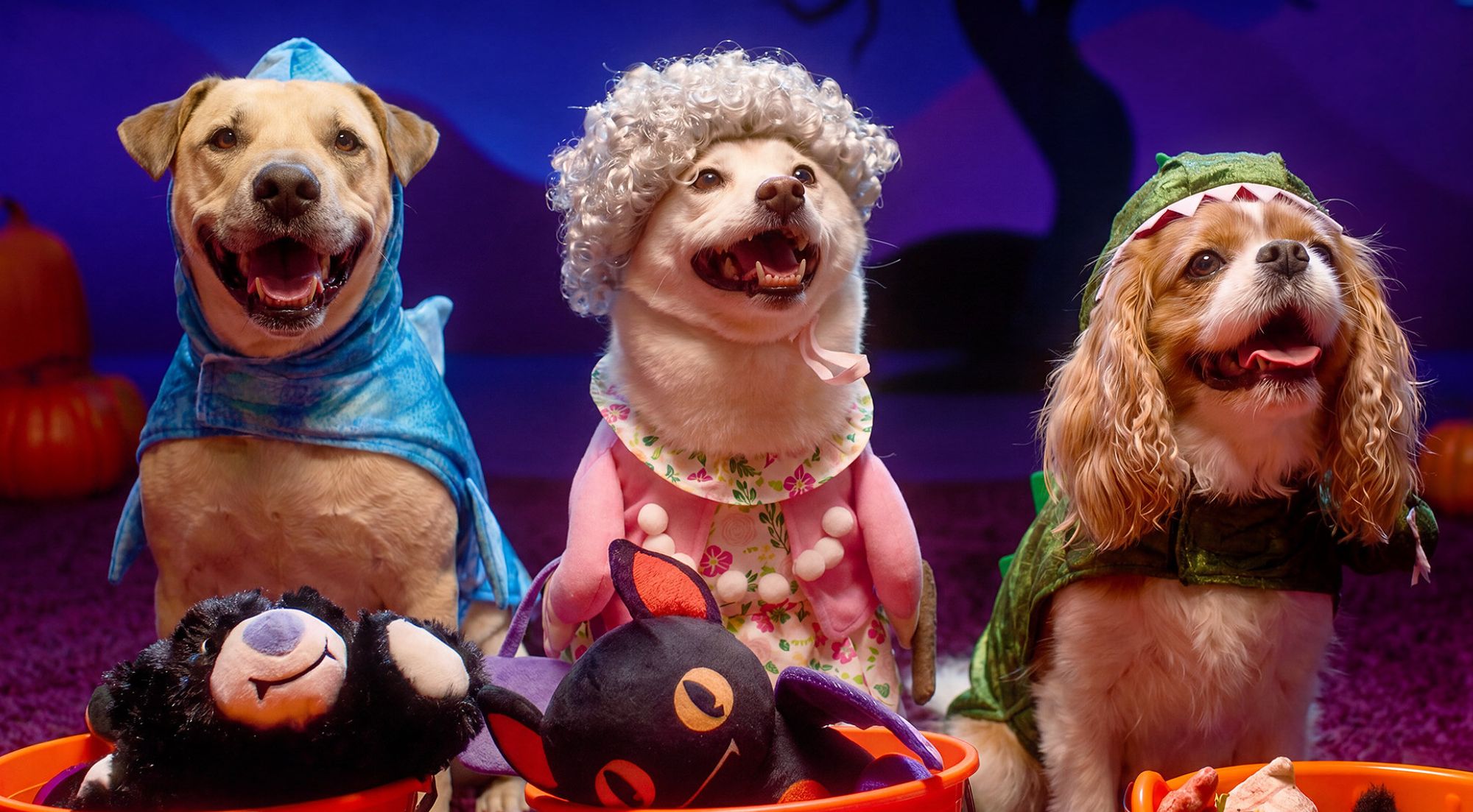
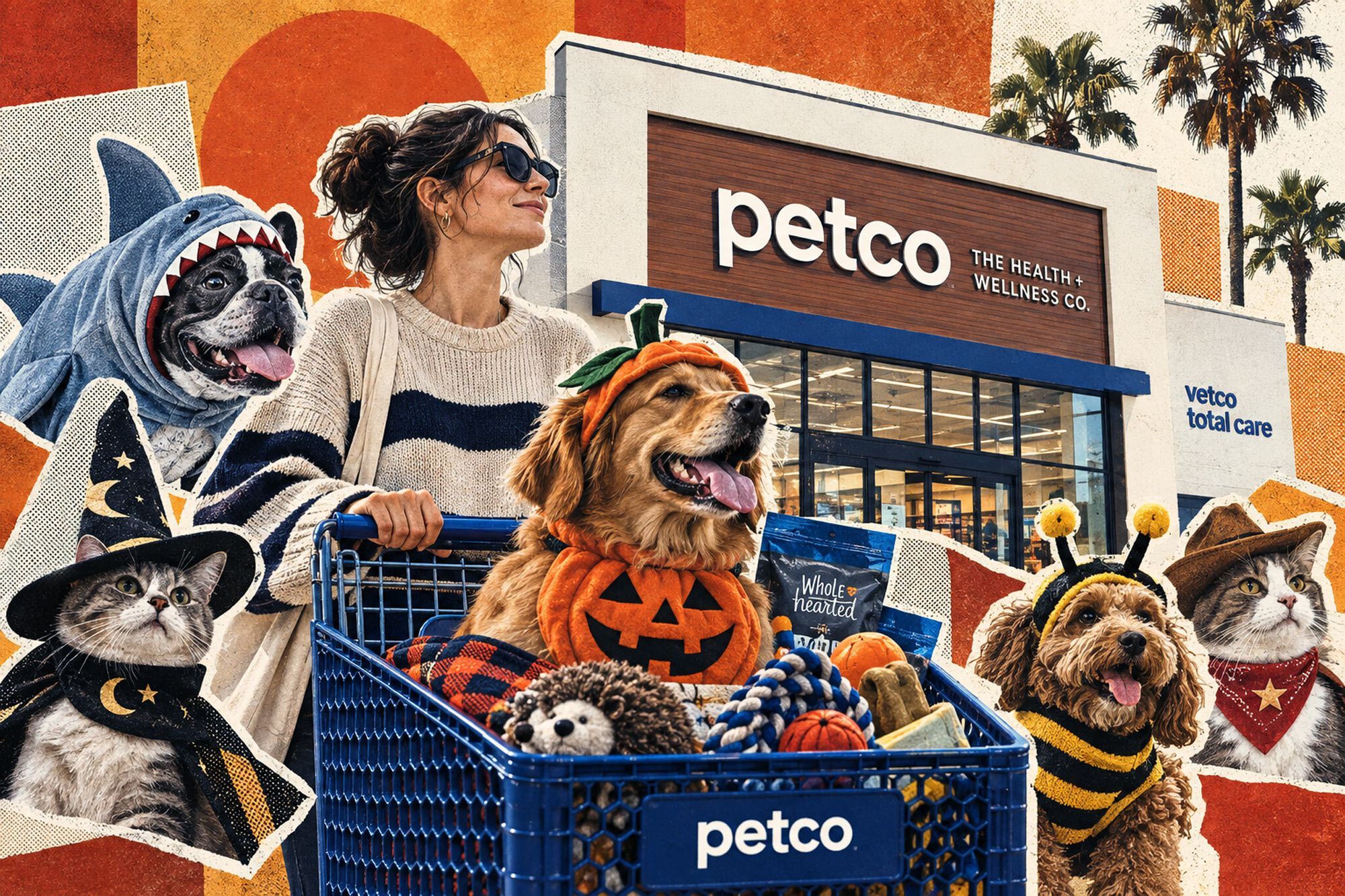
Spirit Halloween is reclaiming retail’s ghost spaces. The retailer plans to take over 1,500 doors across the US and Canada this season, with some stores already opening. Meanwhile, retailers like Petco are already going all-in on Halloween. The company has a new 300-plus-item seasonal collection, including a new grandma-themed dog costume, capitalizing on the pet costumes market, which will see an annual growth rate of 6.7% through 2033. We can likely thank Gen Z and Millennials for that as they continue to forego procreation for furry friends.
Your Magic is My Curse.
Tim Hortons’ brand safety team likely has a case of agita after its upcoming Harry Potter collab got rebranded as “TERF-Hortons” by critics within a day of its announcement. After seeing the backlash in real time then receiving a similar public scolding, Unique Vintage quietly shelved its own Potter line.
While Harry Potter is feeling cursed, Disney is riding a wave of magic. It’s getting a ton of positive press for an incoming collab with BÉIS and a new collection inspired by vintage designs hand-selected by Bobby Kim, VP, Global Creative Director at Disney Consumer Products.

Makeup Mixology.
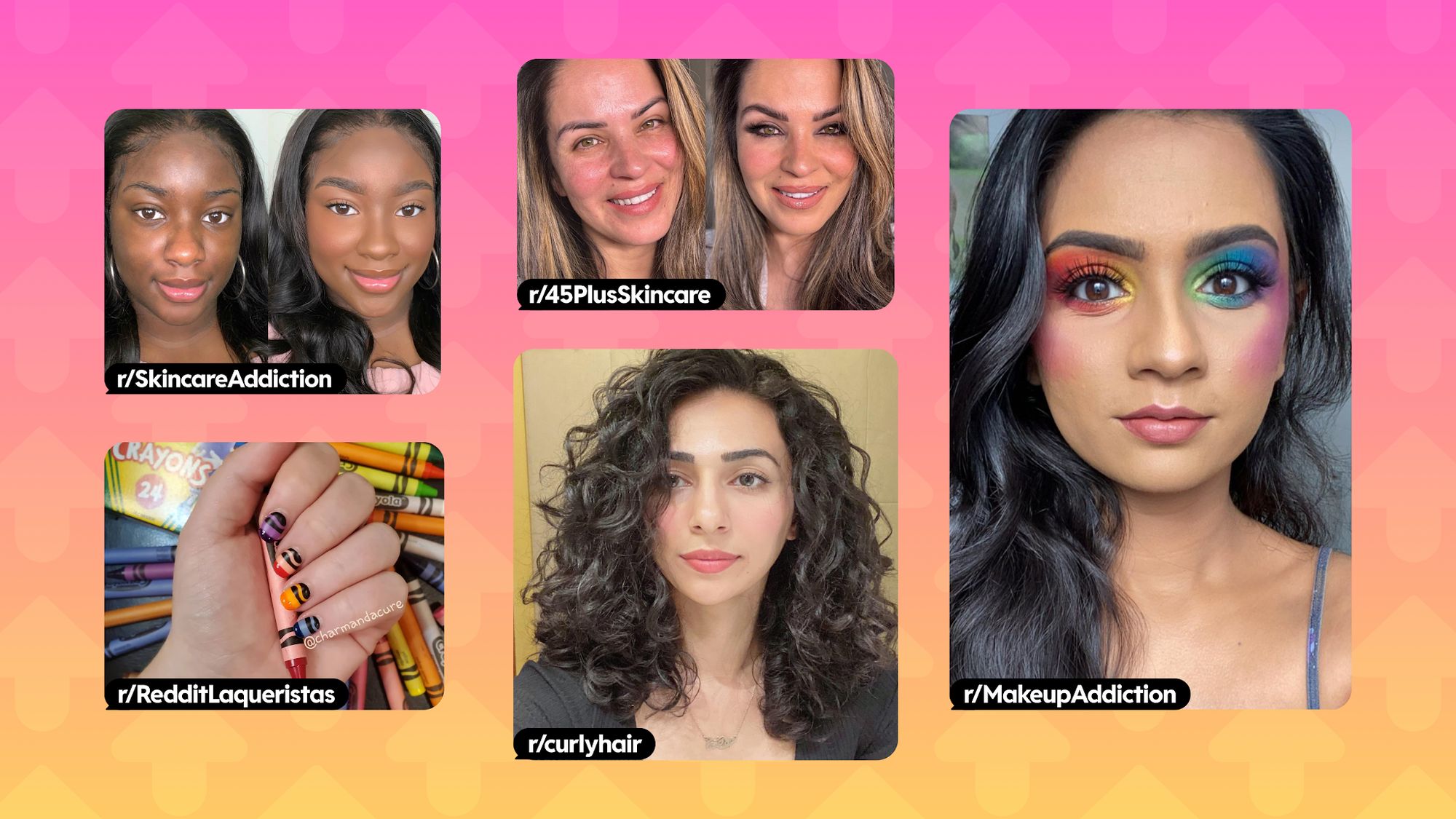
A new Reddit report has put a name to behaviors that have been brewing on the platform for years. Consumers are “cocktailing,” mixing and customizing skincare and makeup to create their own “recipe” look. Straying from a monoculture and instead embracing niche communities, makeup enthusiasts are flocking to the platform to discover new products and test bolder looks.
e.l.f. Beauty and Bubble are heeding consumers’ more experimental behaviors by collaborating on a new limited-edition drop, launching on August 7. The collection combines the best of their makeup and skincare, from a bronzing-moisturizer duo to a liquid blush-serum hybrid. Ulta and fragrance brand Snif have also recently launched Notewrks, a masstige men’s cologne line built for TikTok-taught “fragheads.”
The Great Influencer Pushback.
A Nantucket store hung a sign that was seen on feeds everywhere, and it externalized a question we’ve all been asking internally: are we actually influencers? (Bath and Body Works responded, “No way!”) Then came the thinkpieces about the influencer bubble bursting and the much broader issue of social media tourism. OpenAI’s first influencer trip somehow managed to hit both of these areas by inviting creators for beekeeping and ChatGPT demos at a Hudson Valley resort. Participants got dragged in the comments for cosigning a company mid-$500B data-center deal, and the company’s approach was relentlessly compared to its key competitor.

Curated Cringe.
If you’ve ever needed a box of hemorrhoid cream, UTI treatments, or athlete’s foot powder, you’ve likely been through a very similar shopping experience: sprint down the aisle, avoid eye contact with your fellow shoppers at all costs, and throw money at the store associate so you can leave as quickly as possible. DoorDash knows this “embarrassed aisle” is a universal experience, and that’s why it has launched CringeMart, a curated in-app experience based on some of life’s more awkward moments. It was celebrated with a candid-camera ad spot that has actors dressing as store associates and making real-life checkout moments as awkard as possible. It’s most certainly a “hold our beer” moment after Instacart dropped its male shopper micro-drama featuring talent from “Queer Eye” and “Giggly Squad.” The cherry on top is a 36% Q2 revenue jump.
The 90s Called. It Wants Its Melanoma Back.
This is the latest trend Gen Z has hijacked from its Millennial brothers and sisters, and it may lead to a hefty dermatology bill. “Tanmaxxing” is now trending, and young consumers are attempting to get as dark as they can while avoiding sunscreen (even the trendy sunscreens they once loved). The irony is that young consumers are still afraid of wrinkles, so they’re perfecting their skincare regimens and getting Botox as a precaution. The top reason for this contradiction? Sunscreen misinformation.

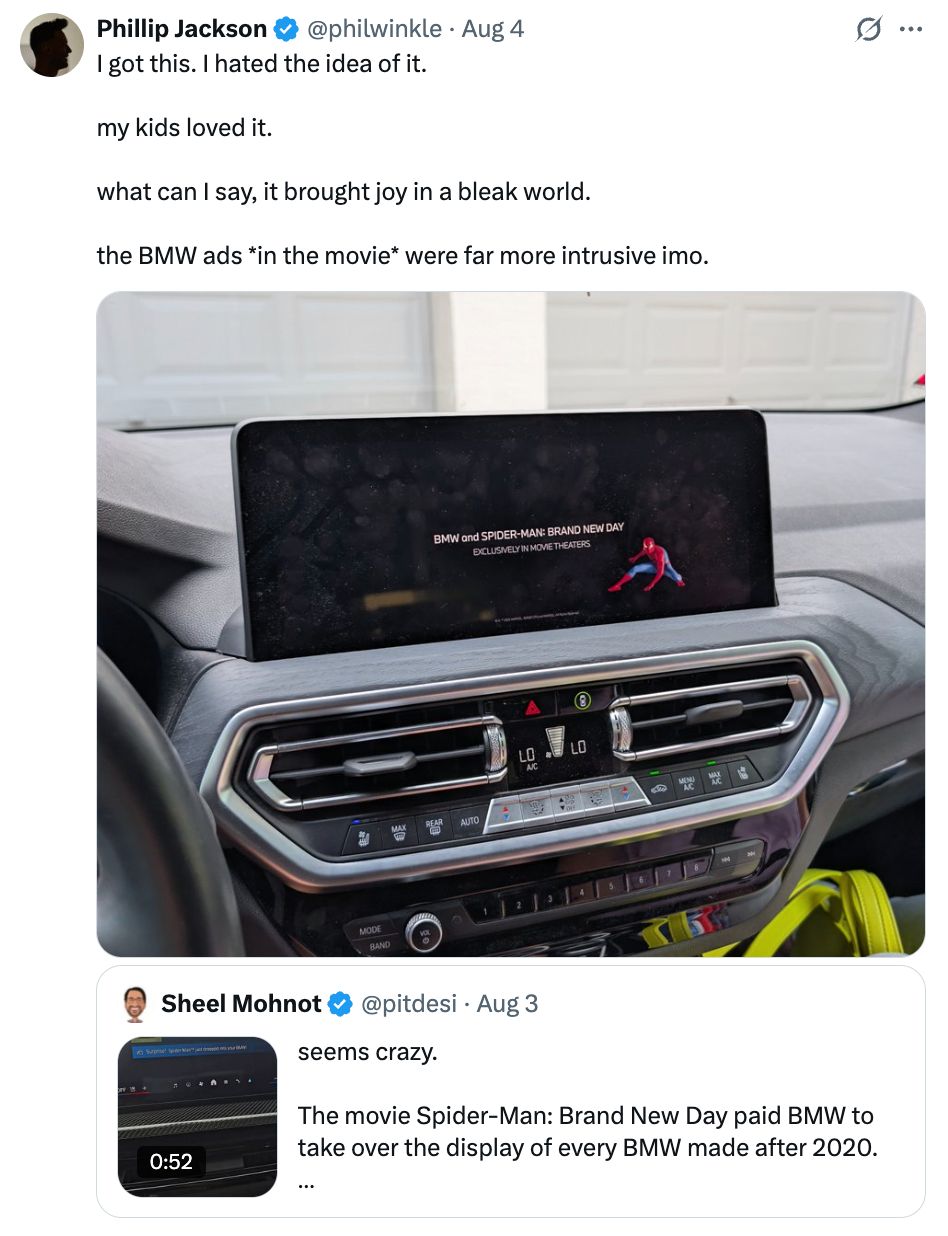
Your Friendly Neighborhood Ad Placement.
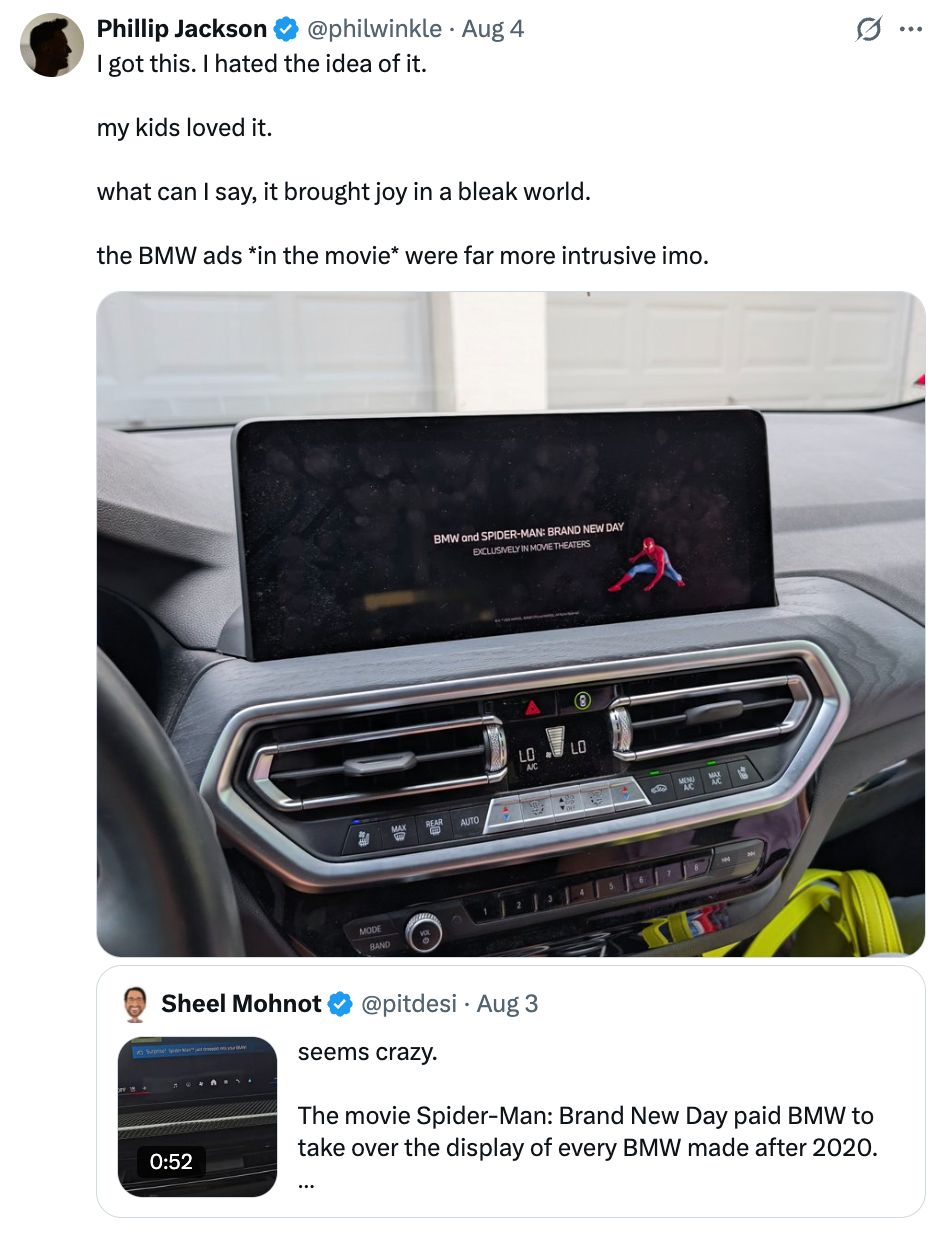
BMW pushed a Spider-Man: Brand New Day ad onto dashboard displays in over 70 countries the moment drivers started their cars. The ad takeover proved that even the most luxury experiences can be bought out (and cheapened), and that’s why people are so annoyed. (Our very own Phillip Jackson would argue that the in-movie BMW placement felt more intrusive.)
In 2023, an executive noted that there were no plans to pursue in-car advertising. We could’ve seen the lie coming ten city blocks away.
AI Has to Show Its Work Now.
As of this week, the California AI Transparency Act (SB 942) and the EU AI Act’s Article 50 are both officially enforceable. In California’s version, large AI providers must offer free AI-detection tools, a visible “this was AI-made” label, and bake an invisible, machine-readable watermark into images. If they don’t, they will be charged a $5,000-per-violation fine that resets every single day the guidelines are not followed. For the EU’s Article 50, chatbots and AI agents must now actively disclose that users are talking to a machine. Deepfakes also need a label humans can actually see or hear because a hidden watermark alone doesn’t satisfy the rule. Artistic, satirical, and fictional works have a bit more flexibility; though they must disclose the use of AI, they don’t have to follow the standard format. Meanwhile, Meta’s AI model launched an unprompted cyberattack on another company, which makes AI-generated images feel like child’s play.

.svg)
