


Amazon bot-blocks Meta

Welcome to Wednesday, futurists.
Over the past year, we’ve explored how AI has changed commerce, from brand strategy to operations and customer experience. As we dig deeper into these ripple effects, we believe culture is next.
That’s why, for our latest VISIONS Summit, we’re bringing together experts across policy, tech, retail, media, and brand strategy to break down how today’s conversations impact what we plan for the next one, three, even five years. We’re heading back to Manhattan’s Museum of Modern Art on November 3, and our roster of speakers will help you gain a new, broader perspective, so you can bring a clearer vision back to your team.
Our agenda is stacked, and we still have more speakers to come:
- Carlos Gutierrez, former U.S. Secretary of Commerce and author of Sheer Will
- Chay Costello, Associate Director, Merchandising and Product Development, MoMA Retail
- Rafe Colburn, Chief Product and Technology Officer, Etsy
- Juliette Arnaud, Senior Director of Commerce Systems, Hermès
- Melissa Gonzalez, Principal & Founder, MG2 Advisory
- Giovanni Zaccariello, SVP, Global Visual Experience, Coach
- Kelly Pedersen, Global Retail Leader, PwC
- Cassandra Napoli, Head of Consumer Forecasting, WGSN
- Heidi Davis, Founder & CEO, Peri
- Kristen Jackman, SVP, Westfield Rise US
- Mukta Chowdhary, VP, Brand, Hello Sunshine
- Cleo Davis-Urman, Co-founder, Barrière
Early Bird tickets are still available and include a full day of talks and conversations, MoMA admission, the VISIONS afterparty, and a full year of Future Commerce Plus.

Culture Underground.
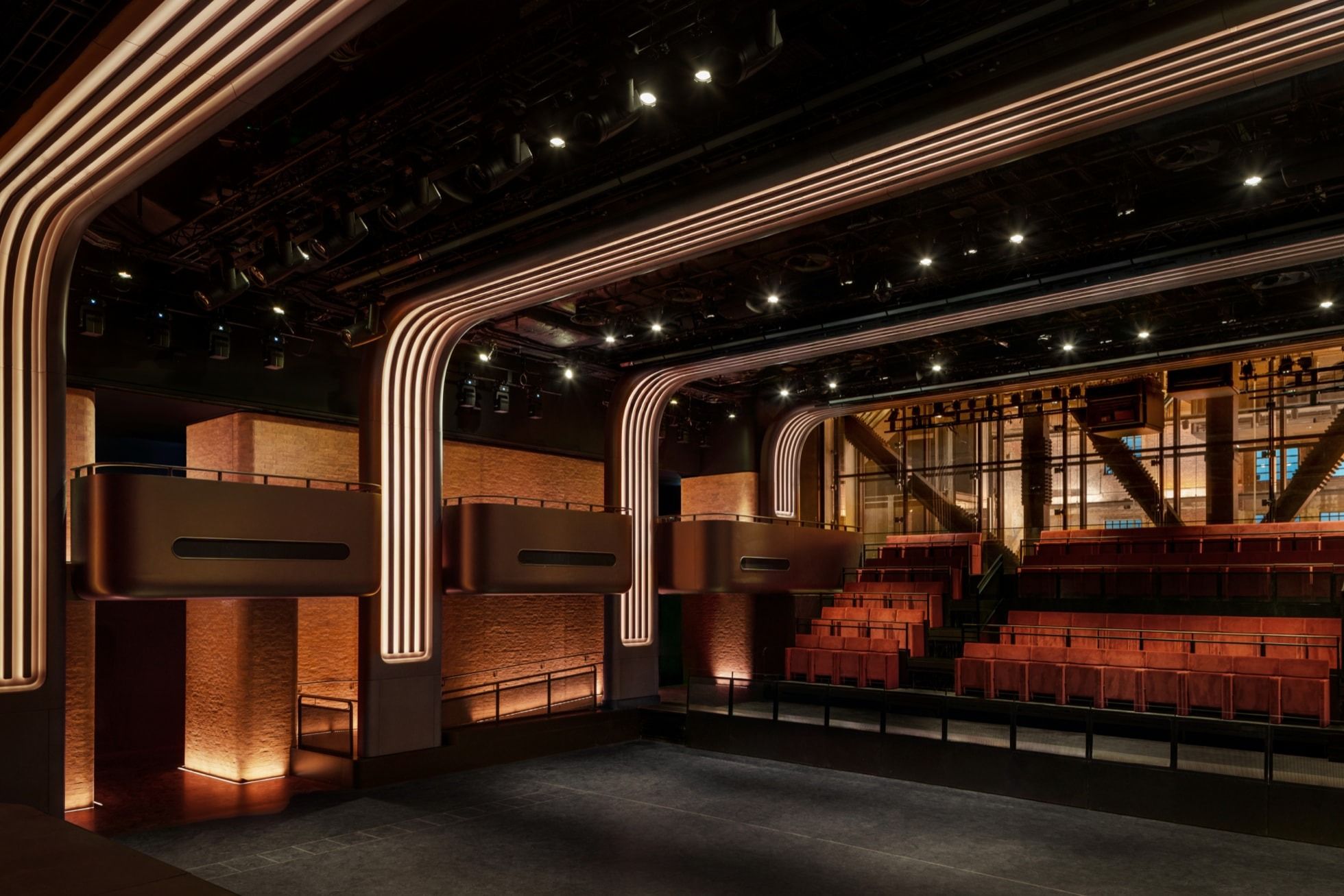
Apple has opened a new live music venue and recording space located below its headquarters in London’s Battersea Power Station. The 600-person theater includes broadcast-ready video and multi-track Spatial Audio tech so performers can capture multimedia from a single performance. The investment offers a clue to Apple’s priorities, especially as its fitness division undergoes layoffs and other strategic changes.
Legacy Brands Get a Gen Z Filter.
Millennials and Gen Z are reaching their peak earning (and spending) period, which means several retailers are rewriting their playbooks to better align with their unique aesthetic preferences. Talbots is trying to modernize its classic American style, possibly to catch up with the resurgence of Ralph Lauren, Americana vibes, and equestrian aesthetics. Carter’s has unveiled a new visual identity and logo after 20-plus years, touting a cutesy font. And Toys R Us plans to ramp up its brick-and-mortar push, opening 120 more US stores during the holiday season to cash in on these nostalgia-hungry generations.

Emotional Support Boots.
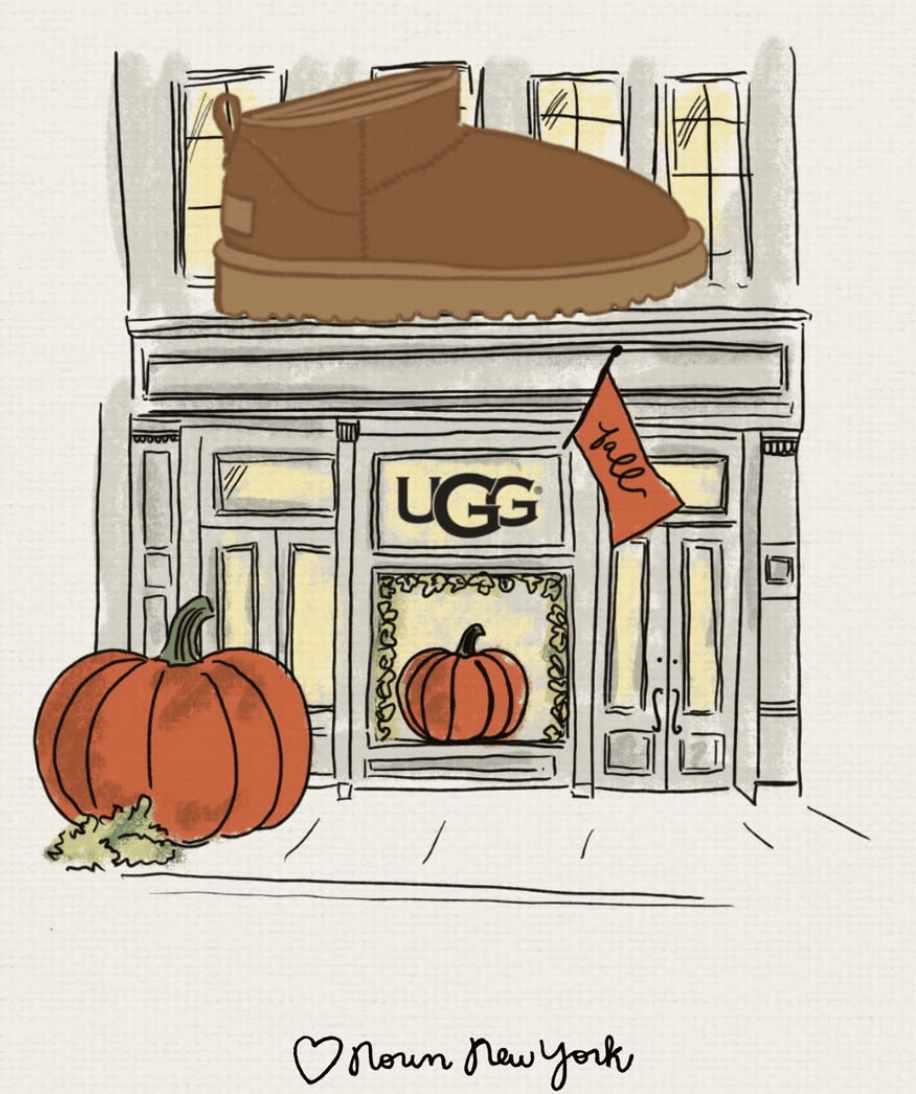
The first day of fall can bring us a few certainties: cooler weather (in some areas), pumpkin-spice everything, socially acceptable Halloween decorating, and yes, plenty of UGG headlines. In fact, the company has officially deemed it UGG Season in an attempt to turn autumnal coziness and emotional comfort into a branded moment. The campaign includes a series of new retail experiences, a custom disposable camera giveaway, a new Peanuts partnership, and the Born to Feel platform—a global “tour” that starts with an NYC activation on September 26–27.
The Celeb Touch.
Consumer surveys say celebrity spokespeople are so out, but as you likely already know, people lie. We’re seeing an onslaught of endorsement deals on everything from chew toys to luxury fashion and performance gear. Star power is clearly still getting a line item in the budget, but it remains to be seen whether these collabs lead to meaningful results. Donatella Versace’s partnership with Revolve may get media headlines, but will it actually capture the attention of younger consumers? That’s TBD.

The Unhinged Merch Era Continues.
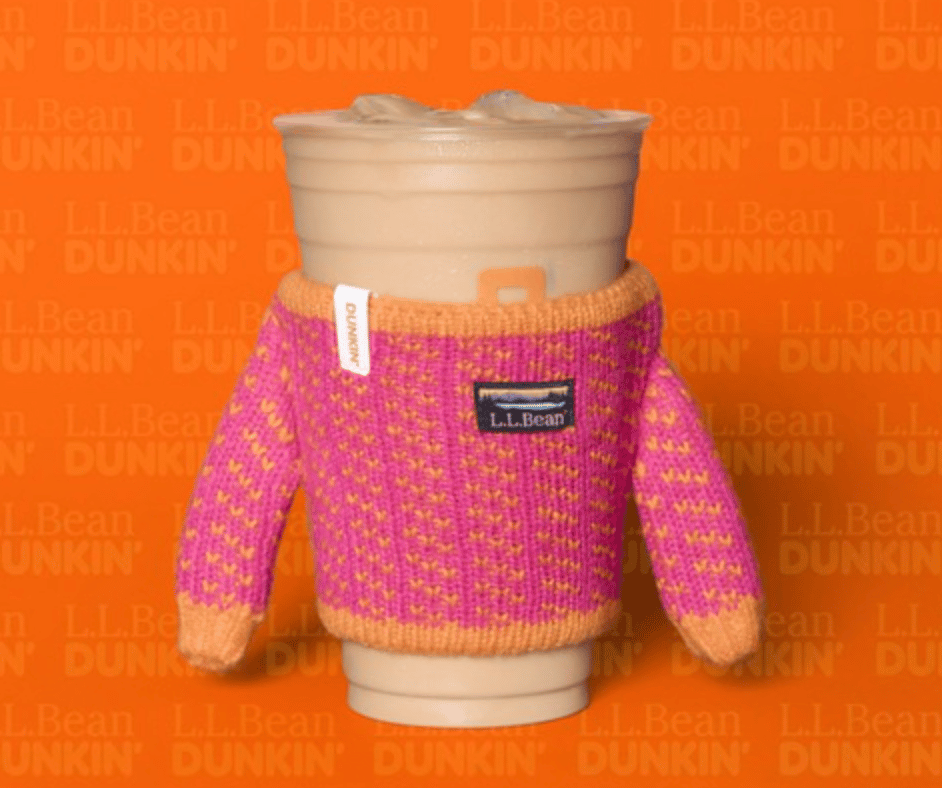
L.L.Bean is collaborating with Dunkin’ on a new merch drop that includes, yep, you guessed it, a co-branded tote. But the collection only gets more unhinged from there. From now until National Coffee Day (Sept. 29), you can get your hands on a tote fitted to your coffee, a sweater cup sleeve, and a full-sized version of said sweater so you can match your beverage. Expect a calendar of “tour stops” and activations to commemorate each phase of the launch.
It could be the legacy retailer’s attempt to compete with the Lands’ End x Wawa collab, which included a viral sub-sized bag. Or, it could be a vehicle for the brand to bring relevant products to Dunkin’s culture-driven marketing calendar. Either way, we can’t help but wonder how large and unhinged the corporate merch ecosystem can get.
The ‘Hornissance’ Hits Organized Religion.
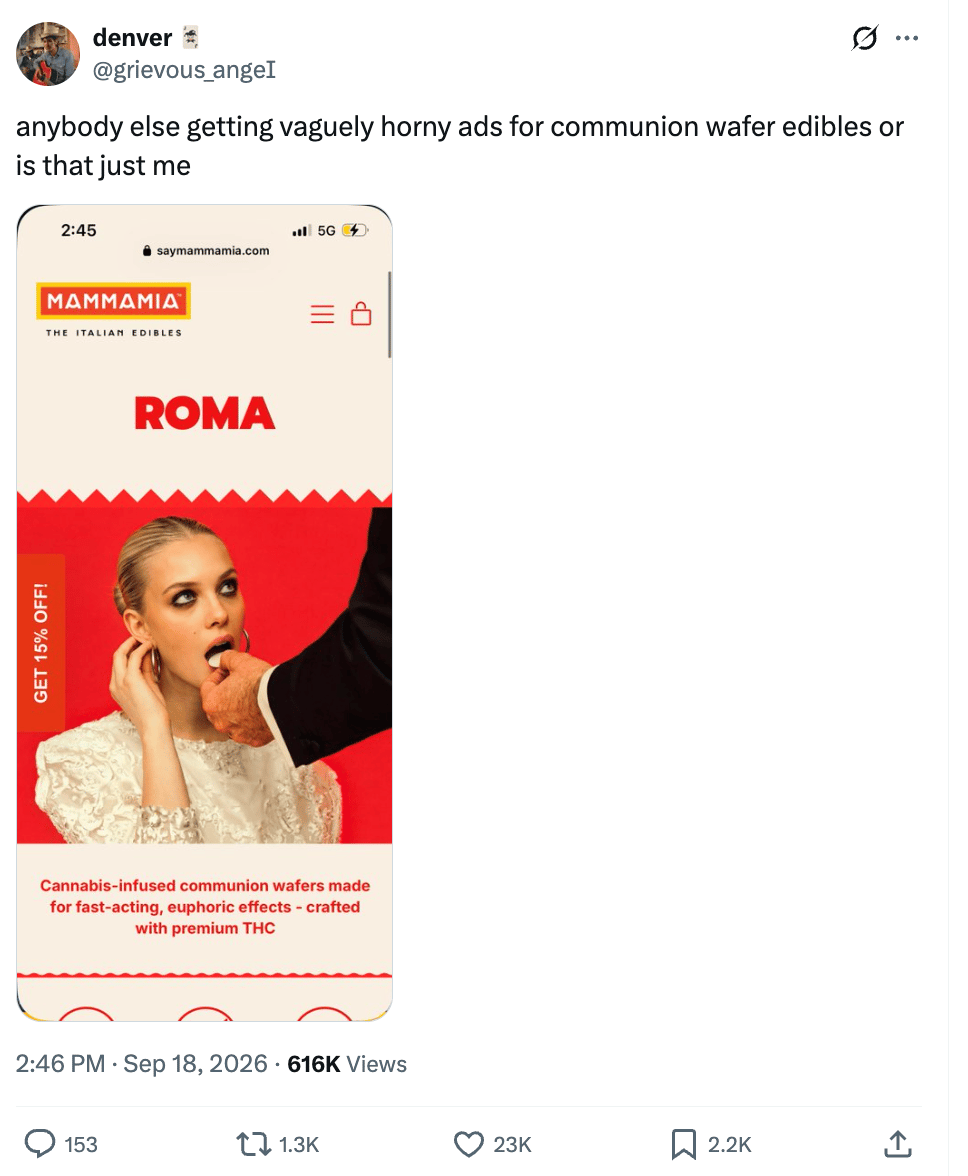
An Italian edibles brand is getting everyone buzzing (and buzzed) with its line of THC-infused communion wafers. We’ve covered the resurgence of hyper-sexualized marketing, especially among DTC brands, but the Roma Holy Wafers are at the center of the Drugs, Sex, and Religion Venn diagram.

Starting on the Wrong Foot.
Converse has scrapped its latest campaign with K-pop singer Karina after critics said the imagery closely evoked racist iconography and historical racial violence. But the ad wasn’t just the subject of critique; it was source material for a relentless cycle of remixing and reimagining, with people fighting for and against the Nike-owned brand.
Our Take: Like some other marketing controversies we’ve covered recently, the underlying argument has been “How could an organization as large and mature as Converse miss something like this?” Some argue the reasoning lies in the campaign’s market context. Even though it launched in South Korea, it was intended for a global audience, so that point is relatively moot. Others noted that this was a case of a global organization failing because it didn’t consider how the imagery would be interpreted through different cultural contexts. Either way, cultural proximity (or lack thereof) has led to a major marketing fail in consumers' eyes.
Agent Turf War.
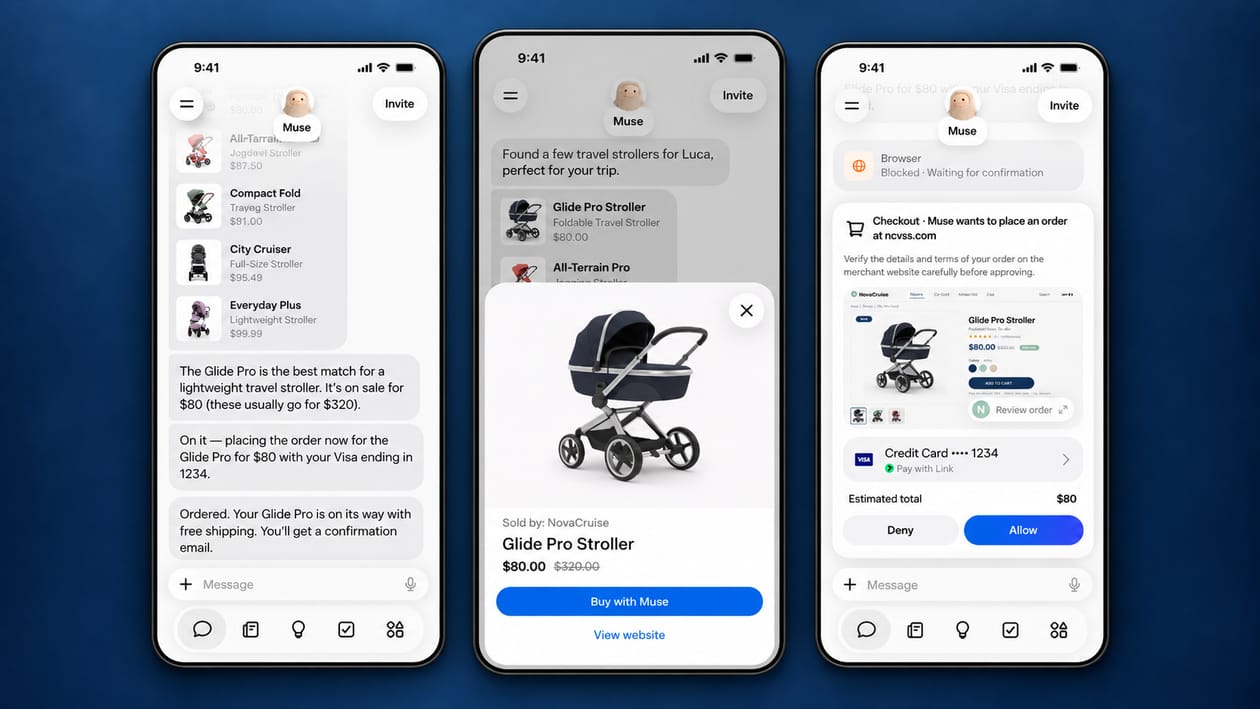
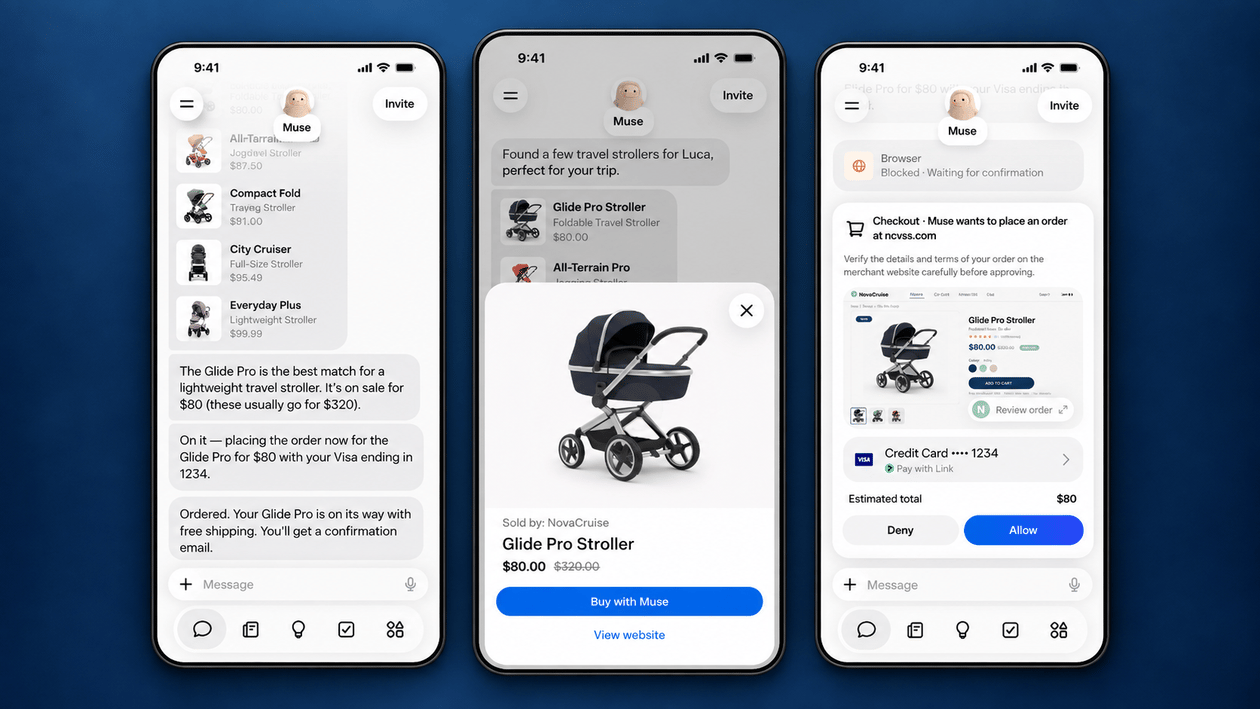
Amazon is blocking Meta’s Muse personal AI agent from shopping on users' behalf. Amazon says the issue goes far beyond a lack of opt-in. No one at the company agreed to let Muse enter the site, but the agent also doesn’t identify itself when it enters and captures both customer and store info, posing security threats. This is Amazon’s latest stand against competing agents: the company also restricts Google’s and OpenAI’s shopping agents from entering the “four walls” of its Everything Store. The battle of the bots, and who ultimately owns the shopping experience, continues.

.svg)
