
DoorDash Orders Instacart, No Substitutions

Welcome to Friday, futurists.
This Wednesday we published our conversation with Katie Daleo, who runs CPG Ads at DoorDash. On Thursday, DoorDash announced it’s buying Instacart for $17 billllion (in Dr. Evil’s voice) dollars.
I’d love to tell you we planned that.
While the deal won’t close until late 2027 at the earliest, DoorDash says the Instacart app is staying put. The 26% premium is about the ads. Instacart’s advertising revenue grew 23% to $331 million last quarter, nearly a third of the company’s revenue, and its Carrot Ads platform runs retail media for a long list of other grocers. Bolt that onto DoorDash’s own billion-dollar ads business and you have one company that knows what you ordered for dinner on Friday and what you’ll restock on Sunday.
No Substitutes
Katie told us something wild: about 40% of DoorDash shoppers won’t accept a substitute. DoorDash’s Brand Center shows brands exactly where those shoppers go when an item is out of stock. That’s the most valuable moment in grocery, and after this deal, one company owns it in both apps.
When asked to comment on the deal, an Instacart spokesperson shared with Future Commerce:
“Bringing together Instacart’s purpose-built grocery technology and trusted retailer and brand relationships with DoorDash’s global consumer reach and logistics capabilities will give advertisers an easier way to buy, manage, and measure retail media at greater scale, across thousands of retailers. With broader audiences, stronger tools, and richer omnichannel insights, brands of all sizes will be even better positioned to compete and reach their advertising goals, while regional and local grocers keep access to the sophisticated tools that help them attract brand investment.”
The retail media model and ecosystem has been brilliant for discovery for all involved: convenient for brands, for customers, for retailers, and for the networks powering them.
There’s just one problem, and that’s labor. Rising labor costs—inflation and the overall cost of fuel—is creating pressure across the entire economy. Who pays for that? The grocer or C-store pays for that labor, but it’s the platform that keeps the customer (and the data, and the ad revenue…)
That math of the ad + human-in-the-middle delivery business falls apart if the driver is an AV, though. I think we’re three, maybe five years from Level 4 vehicles being commonplace in American cities, and some of our friends are already operating. Friend of the pod Ben Seidl’s Autolane runs autonomous deliveries in Austin and orchestrates robotic handoffs at Simon properties. You may have seen him at NRF of Shoptalk courting early partners with AVs and Optimus-style robots. H-E-B is a key investor (and has been testing driverless grocery delivery since 2019).
AVs Win in the End
If and when AVs become the norm, and the grocer gets the order data back as first-party, then the ad budgets will follow.
DoorDash’s real advantage has always been millions of Dashers on call. A grocer that can send an autonomous car straight from its own app keeps the order, the customer, and the data, and ad budgets tend to follow the data. DoorDash knows this, which is why it’s been building its own delivery robot.
I’d bet money that by the time this deal closes and the two companies are fully integrated, at least one big grocer will be sending robot deliveries from its own app, and they’ll be the next big ad platforms.
— Phillip
P.S. AVs and disruptive infrastructure will be a defining theme of VISIONS Summit 2027. Join us on February 10th at MoMA NYC. Get your tickets before the price goes up $200.

A Storytelling Renaissance.
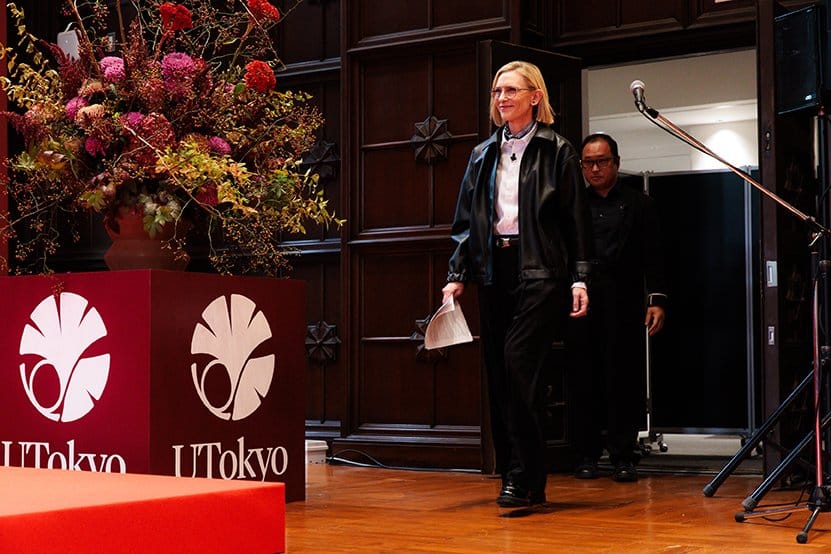
Earlier this week, we reported how platforms are pivoting back towards long-form and even analog media formats. Now, brands are leaning in. Uniqlo is partnering with Cate Blanchett to develop a literary magazine about women’s stories and experiences. The first installment is timed to launch in fall 2027, and the retailer plans to partner with global universities to expand its reach.
Amanda Seyfried, meanwhile, is staying in front of the camera, albeit in a different way than your typical holiday campaign. As a new house ambassador for Tiffany & Co., she stars in a short film directed by Derek Cianfrance, the visionary behind Blue Valentine, The Place Beyond the Pines, and more. It’s a notable follow-up to You Can See Everything, which continues to get Oscar buzz for Seyfried. While it’s inherently commercial, the short film reaffirms Seyfried’s commitment to the creative act.
Seasonal Savings.
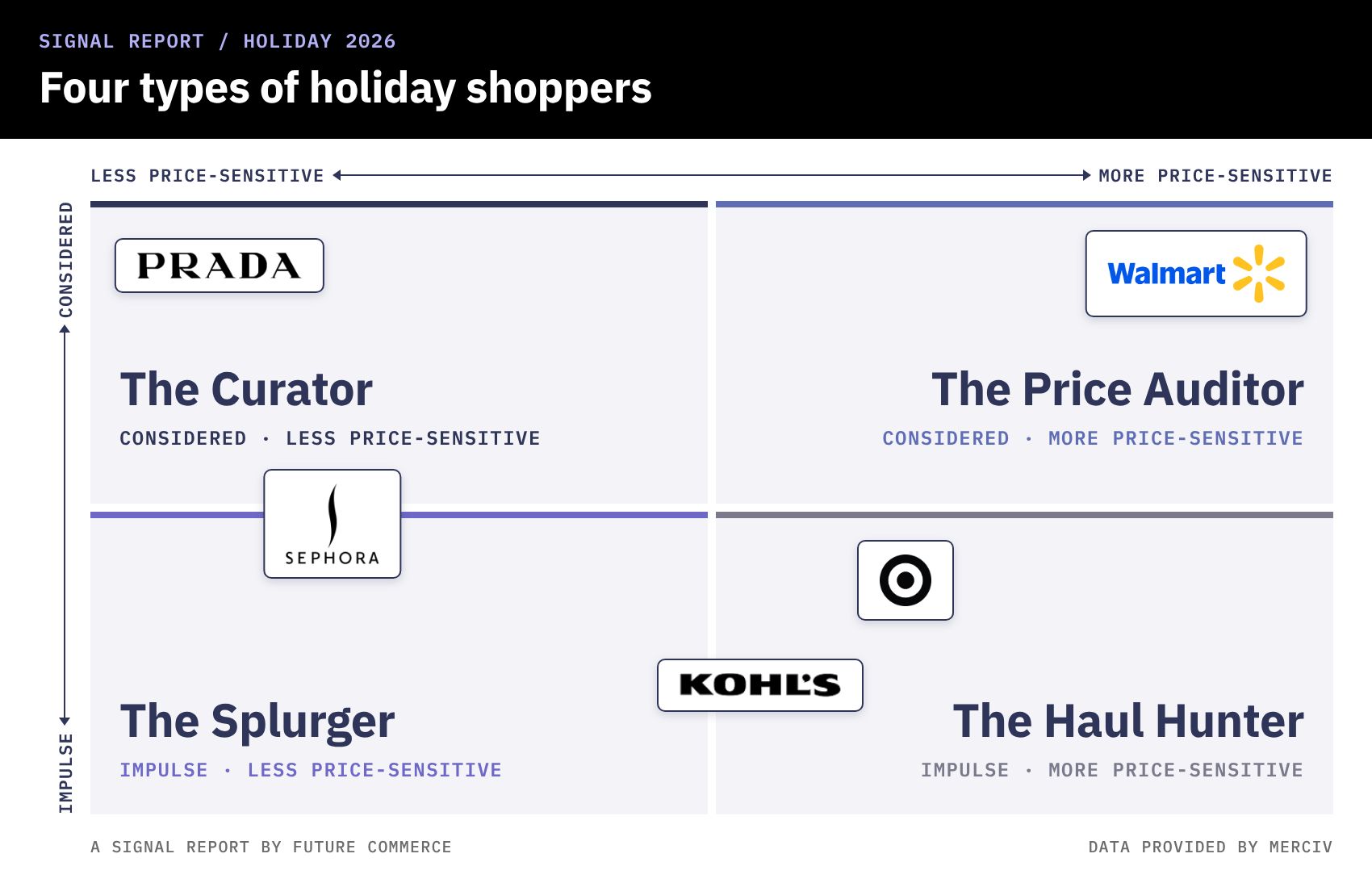
The NRF hosted a briefing for its Winter Holiday Consumer Outlook, and more than half of consumers said the economy will influence their spending. While some are shopping early to spread out their budgets and take advantage of promotions, others are using more aggressive research and price-comparison tactics to save a few bucks.
“We expect inflation to grow about two to two-and-a-half percent this year,” NRF Chief Economist Mark Mathews said. He added that, while core goods inflation is expected to soften, inflation in the services sector and gas prices are likely to continue rising.
Economic sentiment is low, but that isn’t stopping people from spending: 91% of people still plan to celebrate a winter holiday, and retail sales for November and December are expected to top $1 trillion for the first time, a 4.2% jump from the same period last year.
🎁Get our holiday hot takes. We dug into data from Deloitte and other sources to ponder how consumers are taking back monetary control and seeking value during the holiday season. What does it mean when that logistical work is passed off to tech? Get our analysis here.

A Seat at the Table.
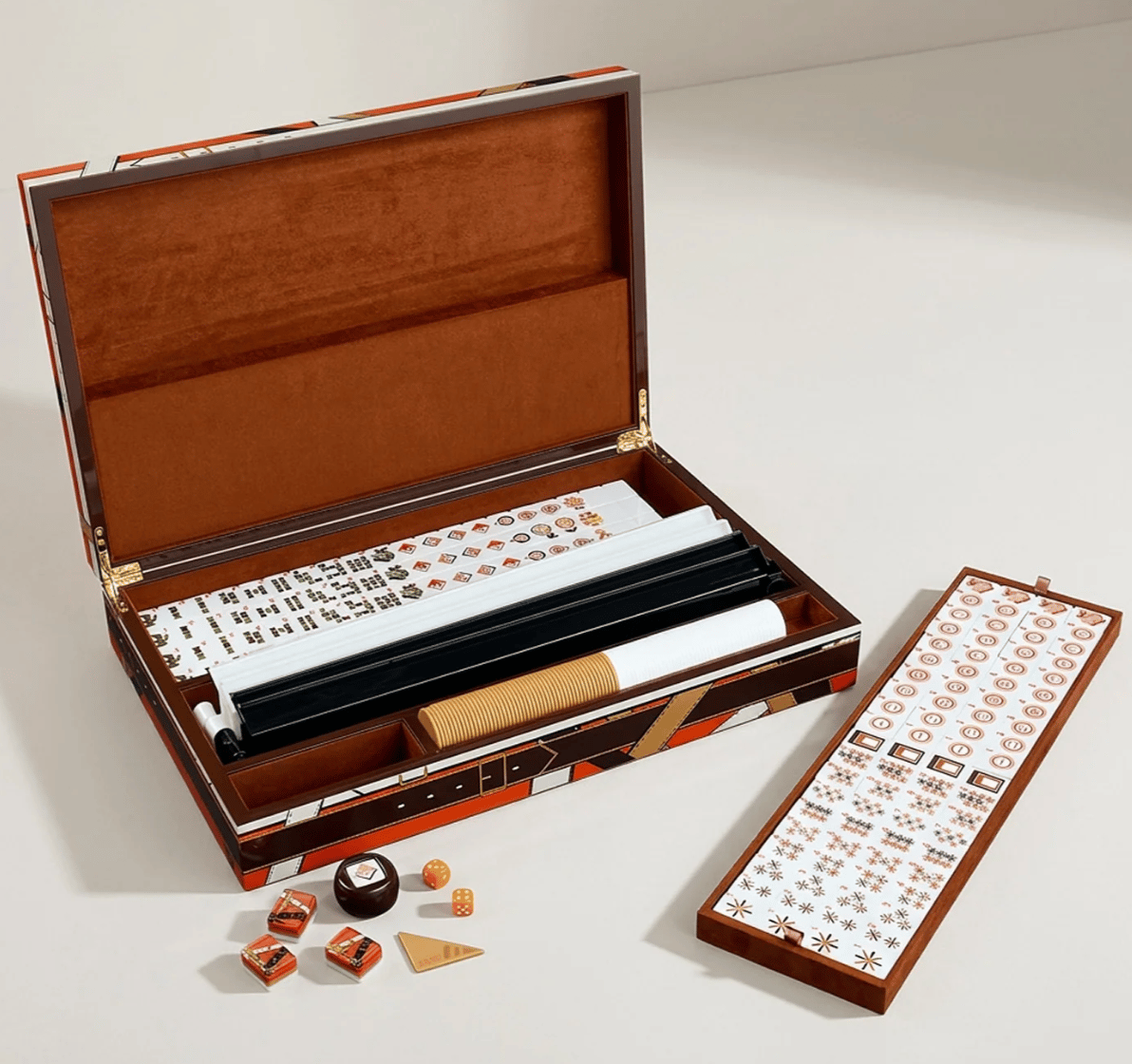
We’ve been tracking the highly niche yet highly profitable luxury board game market for the past year. While most brands leaned into novelty (UNO x Miu Miu, anyone?), a growing roster of brands are embracing cultural heritage. Mahjong is the latest offline ritual to be heavily monetized, and consumers are loving it so far. In fact, many brands are struggling to keep their mahjong sets in stock. This is one of our 2026 predictions coming full circle: we noted that consumers were hungry for ritual and community connection, and that analog game clubs would be the next frontier. But this is about more than consumers finding solace in a cultural tradition; it’s about them feeding a new trend in the retail machine.
Head Monster.
Lady Gaga is the new CEO of Haus Labs, the beauty brand she co-founded in 2019. It’s a rare move for celebrities who typically put their name and face behind a brand (the more hands-on cases largely being brand buy-backs). But with co-founder Ben Jones leaving the executive seat, she will now take on commercial responsibilities.
📈We investigated how different celebrity brands went to market, and how their organizational structure and financing models impacted growth. From SKIMS to Rhode and Feastables, we found that each business model has an inherent level of risk; it’s all about how the brands and their celeb founders manage it. Read the Celebrity Brands Signal Report here.

Thrifty Feast.
Early earnings may point to a “resilient consumer,” but that isn’t stopping them from seeking a good deal. And yes, that includes the growing number of affluent households now flocking to dollar stores and big-box retailers for thrifty finds. Costco and Walmart are among the hearty list of retailers selling Thanksgiving bundles at a discount. Costco’s $200 feast feeds eight people and offers turkey breast, a rotation of sides and condiments, and a two-pound apple cobbler. Walmart has slashed its meal deal to $3.50 a person, reportedly the cheapest it has ever been.
Not Your Mother’s Bath & Body Works.
Bath & Body Works has made a series of moves to modernize its brand and attract a new customer base. Its Hype Lab incubation platform has helped develop a rotating model for testing and dropping limited-edition scents as a clear way to market to “scent stackers.” But the retailer’s new Feel Good concept store shows how the brand has revamped the in-store experience to feel simple yet elevated. The curated selection, coupled with dedicated testing spaces and more focused displays, feels like a high-end boutique—a respite from the densely packed shelves we’re used to.
Now, the brand has tapped Zooey Deschanel as the spokesperson for its Seasons of Wonder holiday campaign. It’s all part of the new CEO’s Consumer First Formula, and it seems to be a fascinating mix of trend-forward Gen Z consumers and Millennials who are eagerly bringing their young Alpha children into the brand ecosystem by gifting hand sanitizers, bag charms, and body mists. With the mall becoming a go-to destination for young consumers, Bath & Body Works is on track to be so back, baby.

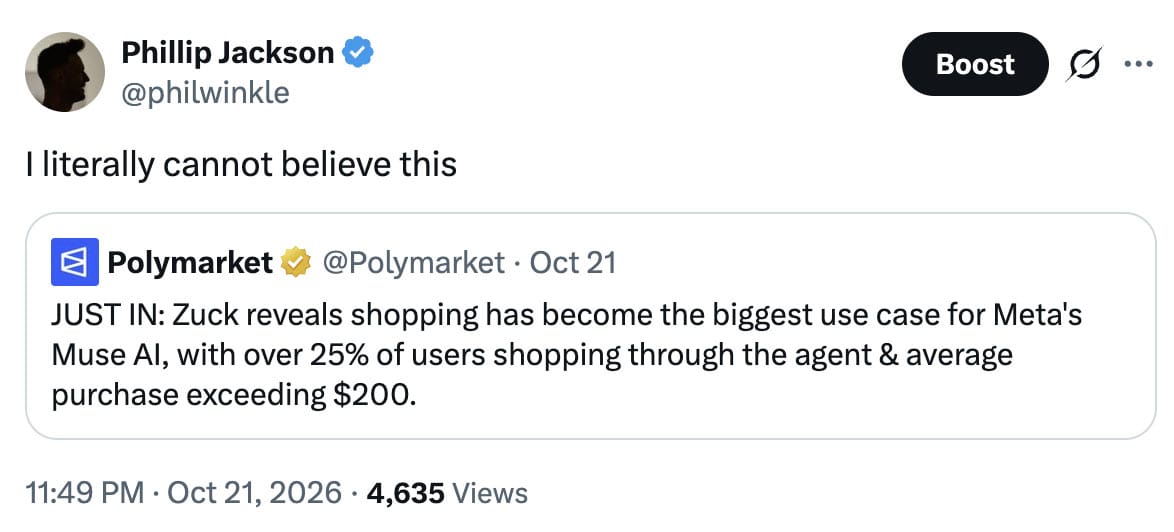
A New Edition.
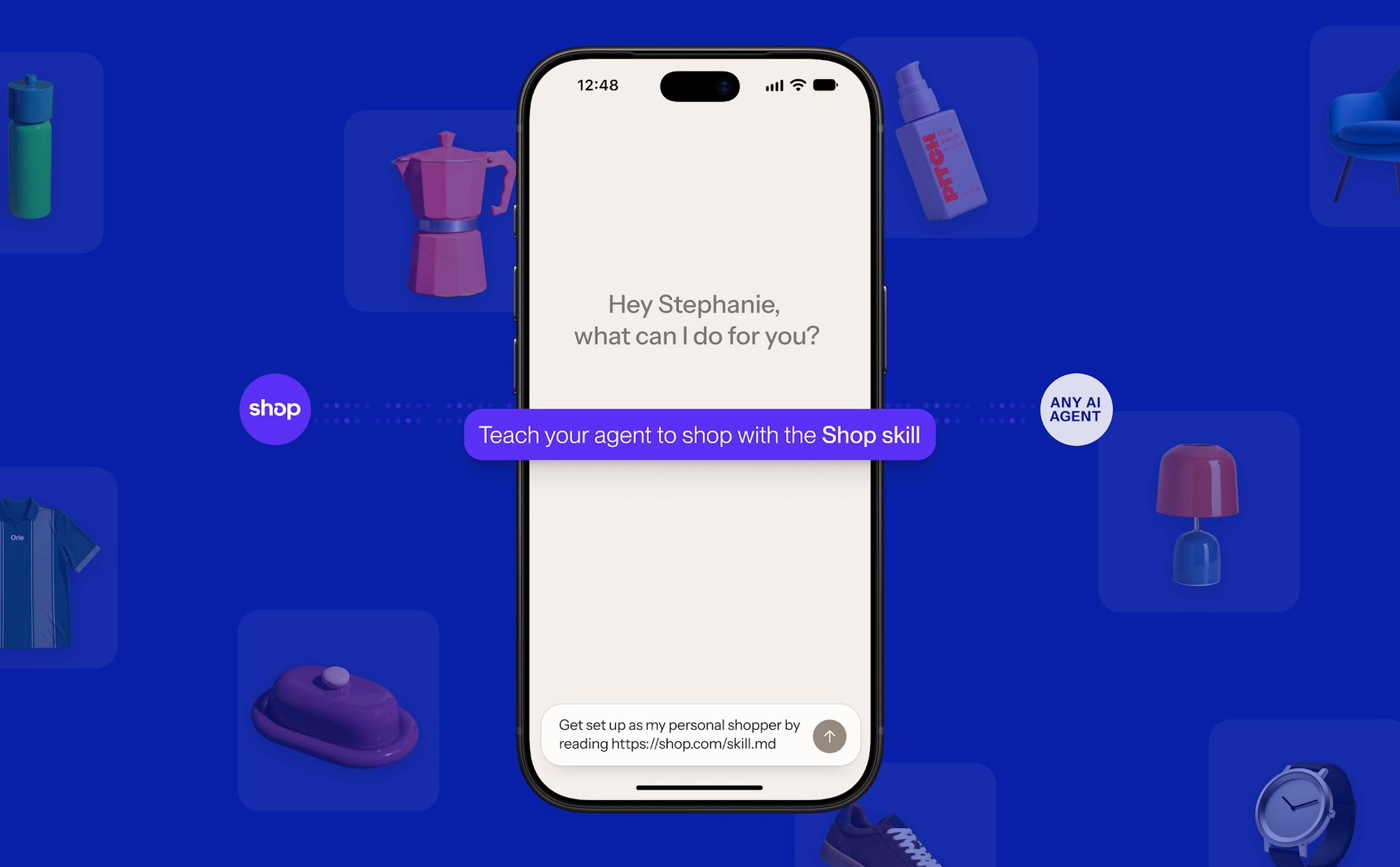
Shopify Editions Fall ‘26 shows the “network effect” of Shopify’s growing merchant ecosystem, which now includes Nicole Richie’s Sunburst Jewelry and Condé Nast. The rollout is expansive, covering in-store POS, fraud, and a new Shop.com experience, but its agentic updates are notably vast. The Shop.md shopping skill turns any AI agent into a personal shopper, letting it search more than a billion products, check out using Shop Pay, and track orders. Shop Pay checkout is also now inside personal AI agents, starting with Muse, Claude Duet, and Instinct. Visa and Mastercard integrations let shopping agents complete purchases for merchants off Shopify.