Walmart Rolls Out the Bot Carpet

Welcome to Friday, futurists.
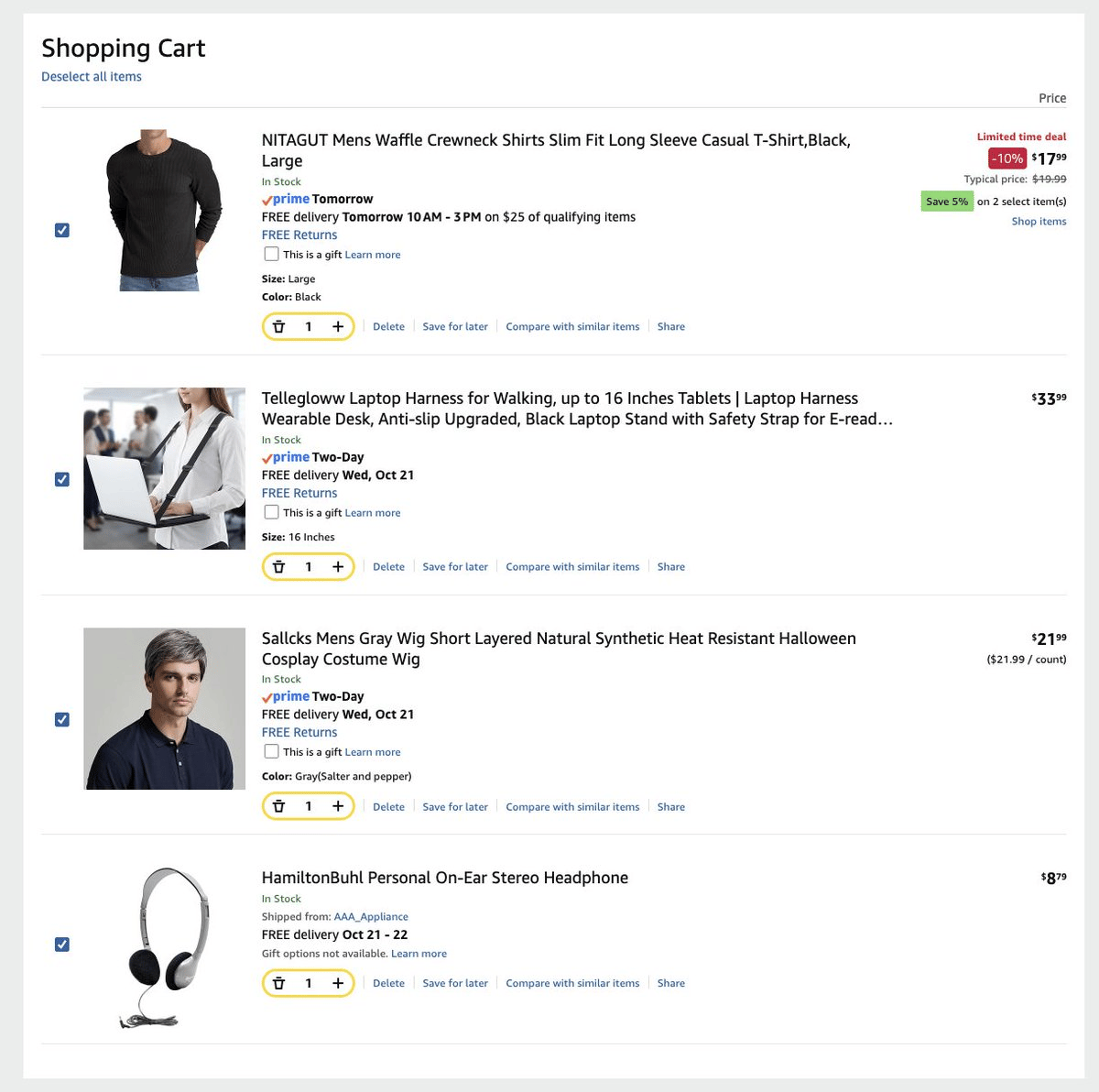
This week I tried to buy a Halloween costume with Meta’s Muse. It face-planted. Spectacularly.
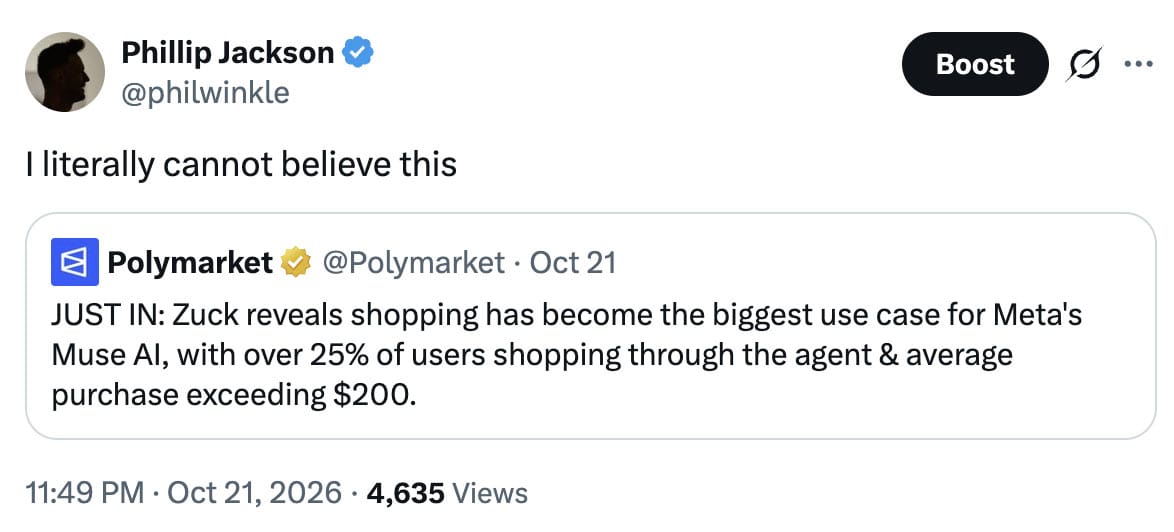
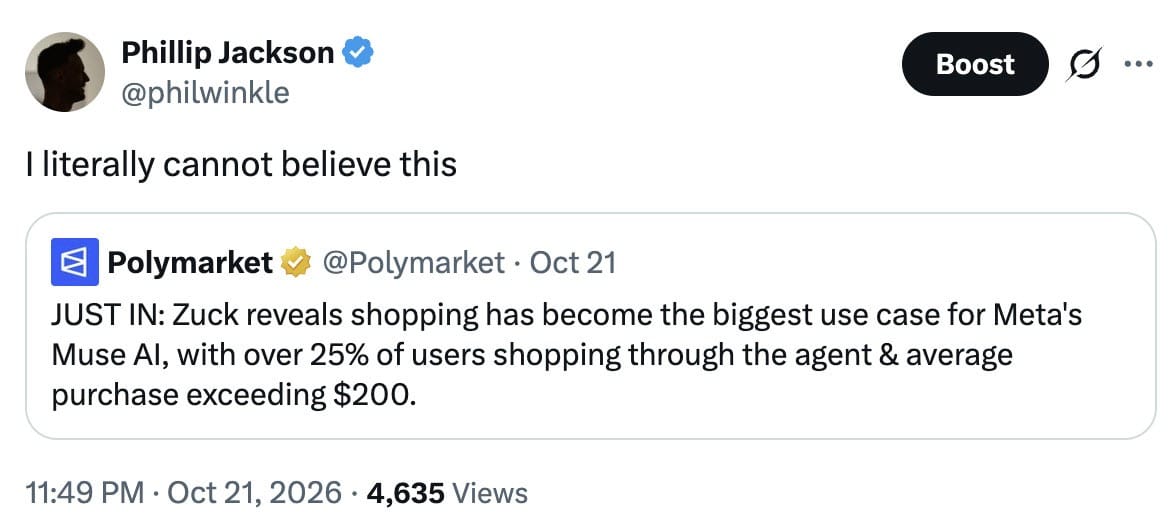
It wasn’t my first time, either. Which makes it hard to swallow Zuck’s claim that one in four users are spending an average of $200 on goods and services through his wunderkind agent.
To be fair, Muse and I have done some incredible things together, including filing a lawsuit against a business in a Florida court. But if you’ve tried to buy anything with an agent, you know the routine.
Me: “Muse, buy me something.”
Muse, smugly: “Done! It’s in your cart. Just take control, log in, enter your payment details, and check out.”
Isn’t that your job, you furry little freak?
Some of that friction is the agent. The rest comes from the “agentic apartheid” hardening across retail, banking, and travel. In the month since launch, JPMorgan, Target, eBay, and a horde of travel sites have all banned the cosplaying security nightmare that is Muse.
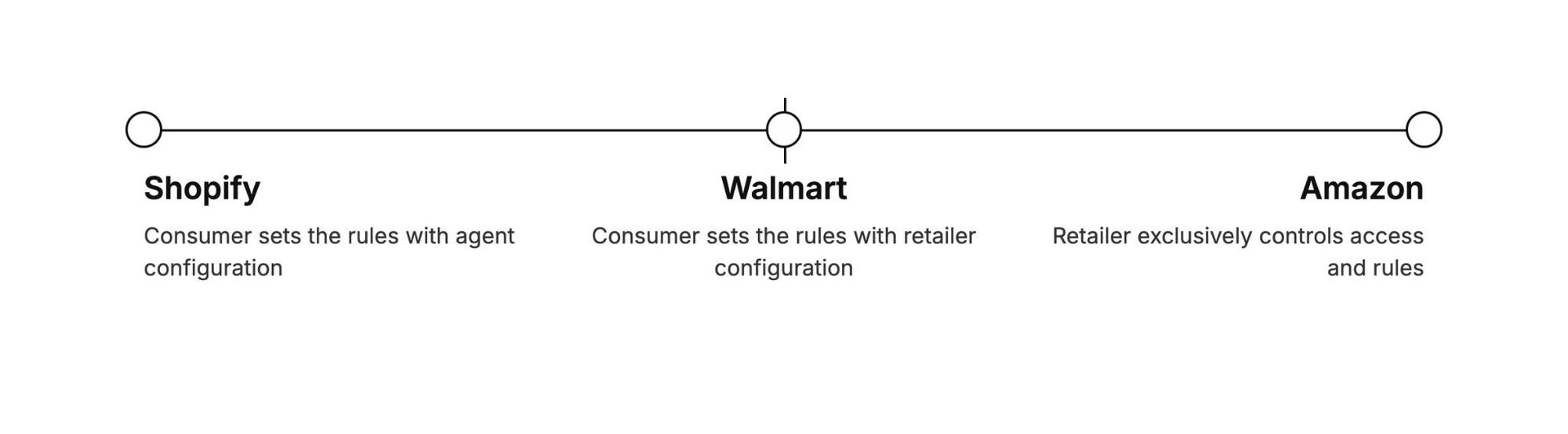
While Amazon is busy blocking bots from accessing its shopping experience, Walmart is rolling out the red carpet it seems. The behemoth from Bentonville released Agent Gateway this week in beta to help companies and developers connect their agents to the shopping experience. Built on MCP, (curiously not Google’s UCP, which it integrated both Sam’s Club and Walmart catalogs with back in April), Agent Gateway lets agents shop for a user without sharing personal information with the agent.
Walmart says it will provide the latest product and fulfillment data without unnecessarily using tokens. “Agent Profiles” will also debut over the next month, allowing customers to set their own rules for spending limits and which purchases require approval.
What we’re seeing form are the redlining for the Agentic Ghettos I warned about in January of 2025, building fastlanes in some areas of the agentic economy, while laying down caltrops in other areas.
If Meta’s data on agentic shopping as a primary use case is to be believed, then at least a quarter of shoppers will most certainly benefit alongside Walmart.
The friction seems to be shifting in both directions: on one side, the consumer is expected to set their own consumer guardrails in every single site (in the case of Walmart) or, as Shopify sees the world, setting it at the LLM or agent level to manage their behaviors within an entire platform ecosystem (which is the case of Shopify’s shop.md).
And, following the direction of the cybersecurity nightmare forming this week in what is being called “Black October,” we may not even see consumer agents last long enough for the ecosystem to fully mature.
I’d bet money that you’ll have to buy your themed Halloween costume yourself in the future, just like you have every year before.
— Phillip
P.S. Our annual summit has a new date. Join us on February 10th, 2027 at NYC’s Museum of Modern Art for renewed early bird savings, available now through Black Friday. Register to save before November 27th at visions.futurecommerce.com.

Smells Like Teen Spending.
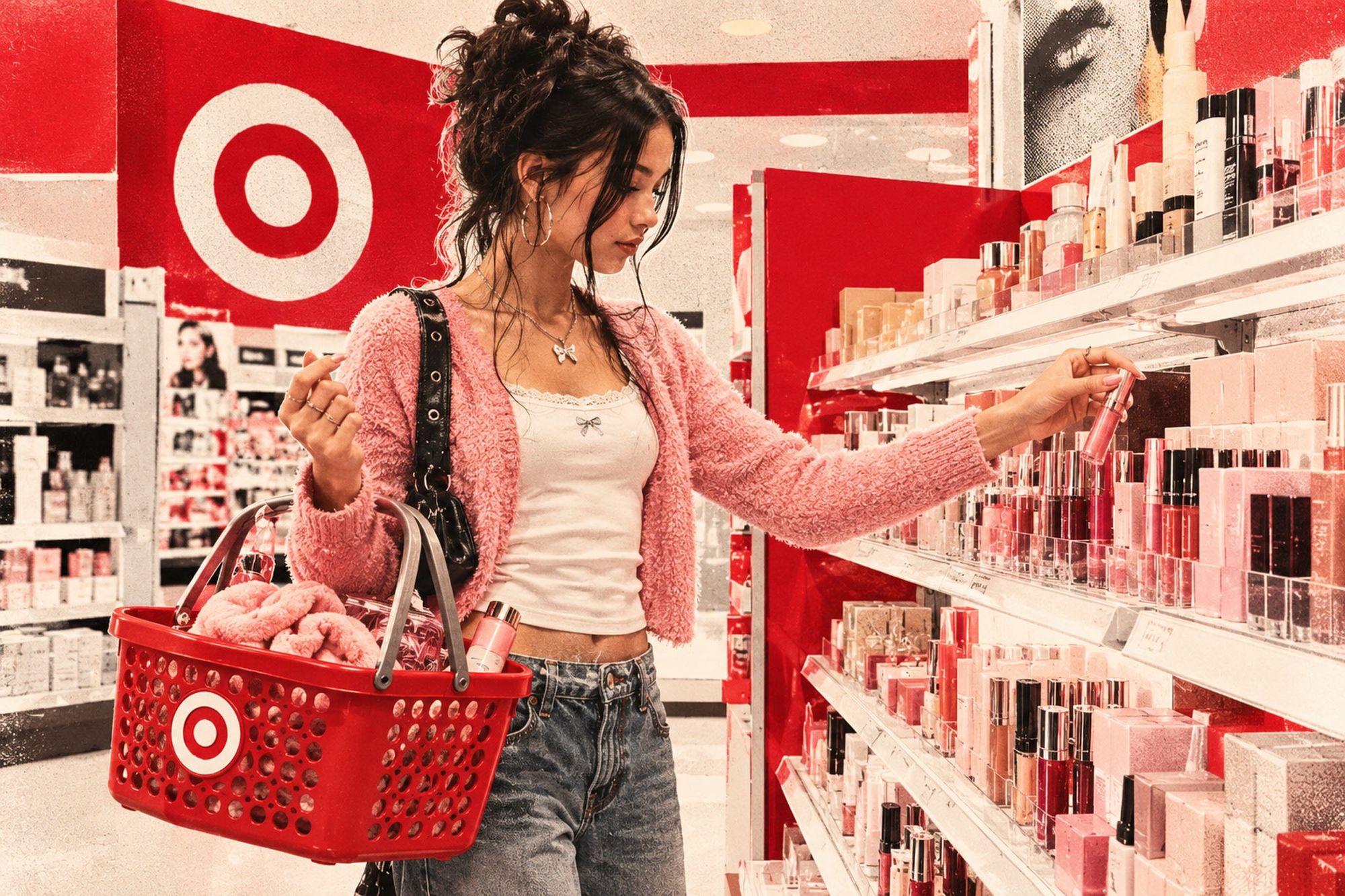
Does Target’s future rest in teens’ hands? According to Piper Sandler’s survey of nearly 9,000 teens, the big-box retailer is gaining mindshare among 13- to 19-year-olds, especially upper-income ones. The top categories of consumption? Beauty and skin care, which became two major investment areas for the retailer as it navigated a souring partnership with Ulta.
Specialty retailers such as American Eagle, Pacsun, Hollister, and Urban accounted for 23% of total teen spend. Although Nike, Adidas, and New Balance lead in footwear, athletic brands overall are losing relevance. Lululemon, in particular, lost mindshare for the fifth consecutive survey. Overall, teens self-reported spending about $2,350 each per year.
Shop the Plot.
NBCUniversal is seeing growing interest in shoppable experiences thanks to the success of “Traitors” and “Love Island USA.” Our friend Evan Moore, SVP of Commerce Partnerships at NBCU Advertising & Partnerships, shared a behind-the-scenes look at how the experiences are made, from the computer vision that identifies products in scenes to the humans who curate and craft content to sell them.
We’ve covered how retail media networks are developing their own programming to support advertiser goals, but NBCU has a distinct advantage: a portfolio of shows with strong fan bases. The company even tested a new shoppable entertainment series this summer with Bravo, called “Shop What Happens.”

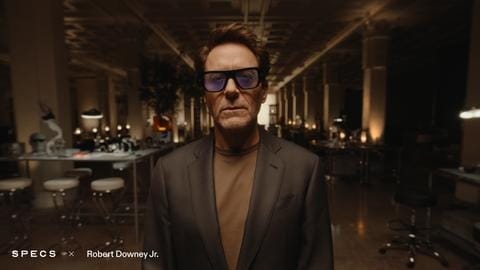
Iron Man, O.D.
Snap is racking up star power to validate SPECS, its augmented reality glasses business. The latest addition to its “cast of characters” is Iron Man himself. Having Robert Downey Jr., who played a scientific genius and inventor for more than a decade, as an honorary Chief Customer Experience Officer is punny enough to win a few headlines, but he’s apparently going to play a relatively hands-on role, exploring new features, creating original content, and helping incorporate the tech into his films.
REVOLVE is taking a similar approach by expanding Kendall Jenner’s role in the business, making her Global Creative Director of FWRD, the portfolio’s luxury fashion brand, and a REVOLVE Los Angeles Ambassador. Meanwhile, Jennifer Lawrence is launching her own haircare brand, mes° beauty, set to debut next week. It’s getting a lot of attention, though not always for the right reasons, which reaffirms our findings from the Celebrity Brands Signal Report: a well-known name and face can only get you so far.
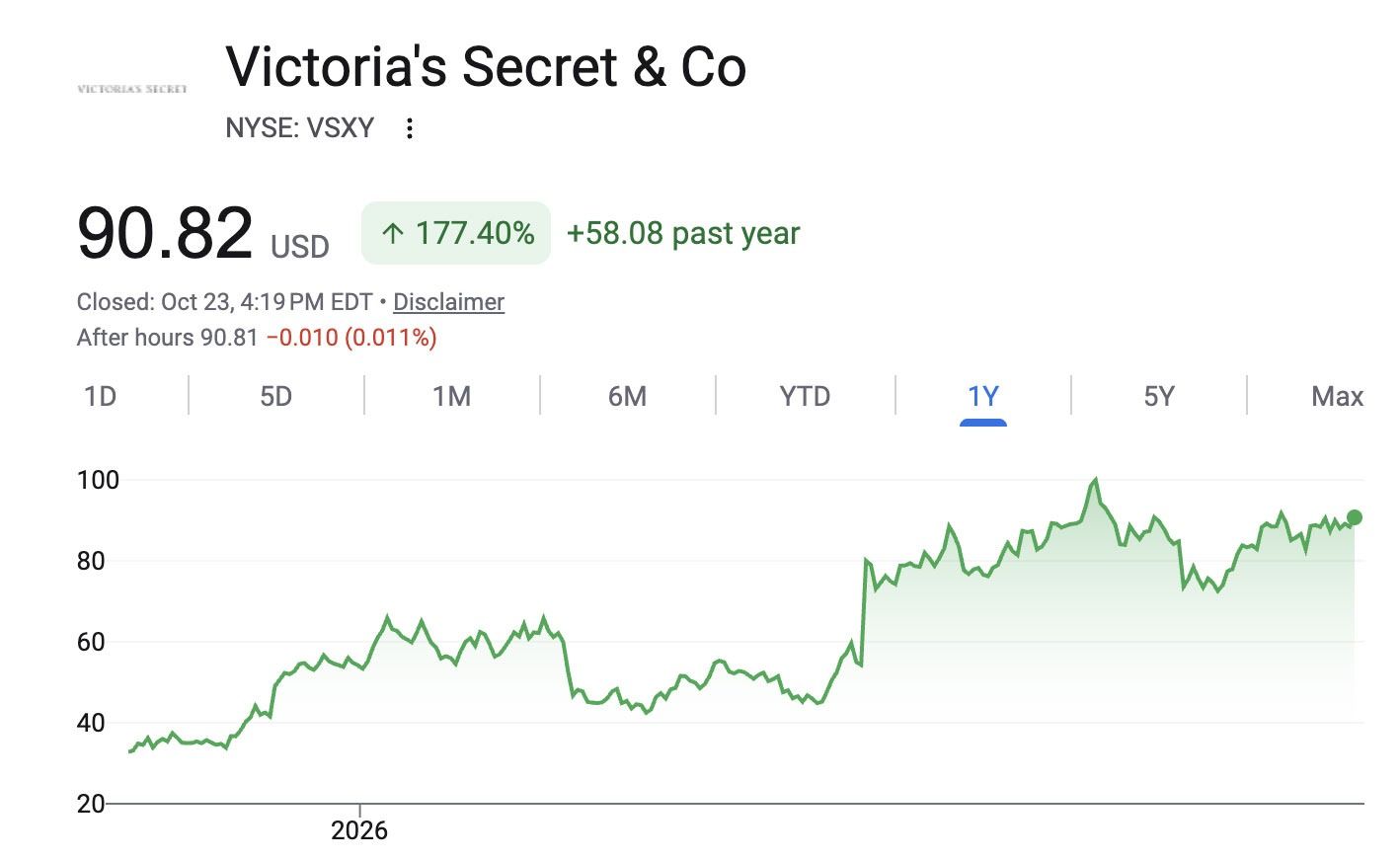
Angel Investors.
Victoria’s Secret’s annual Fashion Show isn’t the only thing that’s back post-pandemic; their stock (now trading under $VSXY) is up 177% YTD.
The third Victoria’s Secret Fashion Show since the brand’s revival has sparked a split response. Business and trade media are applauding the brand largely because of the financial results CEO Hillary Super and her exec team have driven. Consumer sentiment, however, is mixed. Super gave a detailed interview to NBC News, explaining why she’s “proud” to reunite Victoria’s Secret shoppers with the brand. But she’s also introducing an evolved version of the brand to a new customer set: Gen Z and Gen Alpha, who are experiencing Pink and VS for the first time because of the Y2K revival. (The resoundingly positive feedback for Tate McRae’s performance is a good clue.)
The decision that drew the most division? Kylie Jenner walking the runway adorned in wings and the $50M diamond-encrusted Fantasy Bra. Some chalked it up to VS engaging younger shoppers who follow and look up to Jenner. They are the new core audience. Others argue that it’s the latest example of a brand pandering to celebrity and influencer culture. But the real, more important debate is whether this decision and the fashion show as a whole will actually drive meaningful loyalty.


Bone Appétit.
Chaos merch has hit the afterlife. Owners of Home Depot’s giant skeleton, Skelly, can now dress him in an exclusive Arby’s sweatsuit that looks like, you guessed it, meat. That is, if they could click “buy now” before it sold out. We don’t know how many were initially available, but the fact that it sold out tells us novelty trumps rationality, and that plenty of Haunters are eager to zhuzh up their front-lawn decor. Contributor Alex Greifeld once imagined how the Home Depot could tap the Skelly fandom to create a Dork Mode version of its eCommerce site. We may not have to wait long for that to happen.
Of course, the Skelly meat suit is just one of the many chaos merch drops from the past two weeks. Pringles unveiled a custom burial urn, McDonald’s has turned its six sauces into a Halloween-style face paint set, and Hellmanns has been “testing” some design concepts undoubtedly meant to rival Spider Daddy.

Pearl of Wisdom.
Things haven’t been easy for David’s Bridal, but CEO Kelly Cook noted that it has become leaner and more focused. A new “pearl” has also emerged: its AI planning platform of the same name. The business has been so successful, in fact, that the company has announced plans to spin it off as its own publicly traded company valued at about $350M. With this transaction, Pearl will own David’s Bridal IP and then license it back to the retail chain. Cion Investment Group, the asset manager that took David’s Bridal out of bankruptcy in 2023, will invest $25M as an anchor investor.