



Proof of human work in the age of slop

Lady Gaga’s latest concert film went viral. Not in a good way.
The social teaser featured a wax sculpture of Gaga’s face, melting in real time. It was meant to be artistic and compelling. Instead, it became a debate about artistic AI slop.
Neither Gaga nor Apple Music divulged whether the teaser was actually AI-generated, but guest-columnist Sophia Epstein argues that it doesn’t matter. What actually matters is our emotional response to any creative form now depends on whether we have visibility into the creative act itself.
We predicted that 2026 would bring us a new authenticity war. It’s now come to a head.

The Best Branding Nobody Saw.
FIFA has some very particular brand guidelines, and it’s turning World Cup matches into games of “Guess Who?”
In accordance with tournament regulations, host locations are undergoing de-branding, requiring any mentions of non-sponsor brands to be obscured. In a more extreme case, an article from The Atlantic reported that one press box had 23 bottles of condiments taped over, so their logos were left unseen. And God bless the poor souls who had to tape over 65,000 logos on the seats at Gillette, er… “Boston Stadium.”
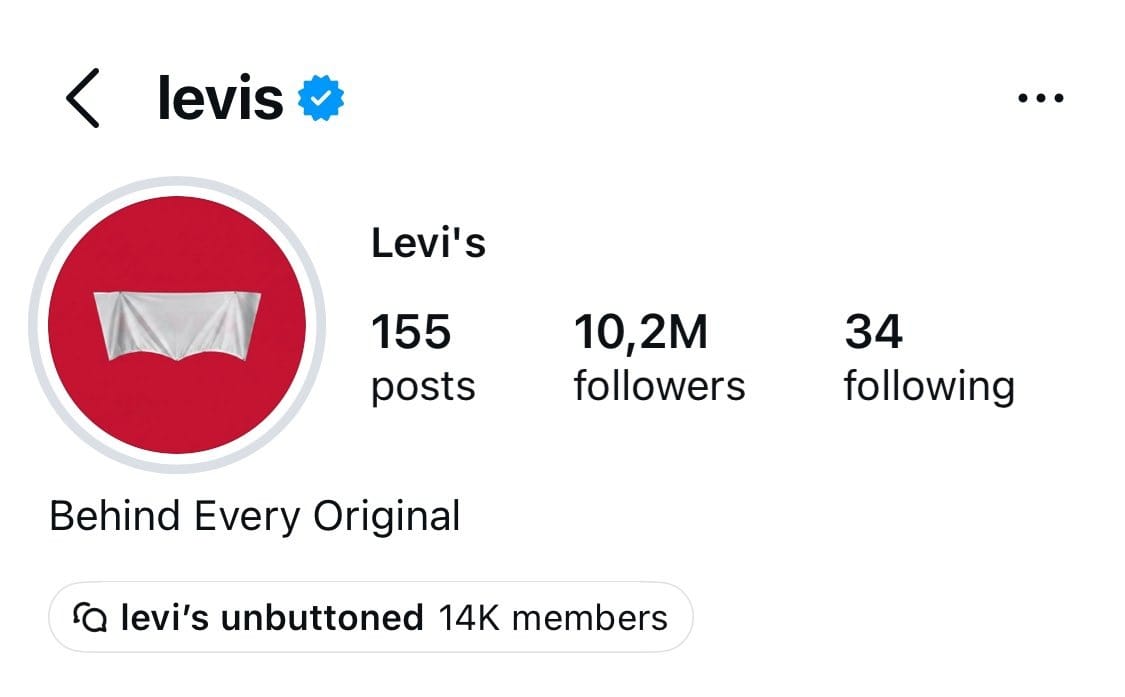
But Levi’s turned the logistical headache into a comprehensive media opportunity. And once again, they’re the talk of the town.
It all started with the brand covering its distinctive logo at the front of Levi’s Stadium, which became inspo for a social post and profile image change, which in turn became a viral moment.
As Levi Strauss & Co. Global Chief Marketing Officer, Kenneth Mitchell, wrote on LinkedIn: “It speaks to the iconic status and distinctiveness of the Levi’s® Batwing, recognizable in any color, nearly anywhere in the world. Strong brand iconography can transcend language and visually cut through in incredible ways. Think nobody’s gonna know? They’re definitely gonna know…”
And oh yes, we know. We spoke with Dr. Marcus Collins about how Levi’s has taken a bold, yet intentional approach to brand marketing after its incredibly successful Super Bowl. Many of the thoughts we unpacked apply here. Listen here.
The Many Who Made Tarjay.
Isaac Mizrahi is iconic for many reasons, but for middle-class consumers, he was the fashion designer who made luxury accessible and turned “Tarjay” into a mainstream turn of phrase. His 2003 partnership with Target wrote the “high-low” collab playbook. Now, the struggling retailer is bringing back the man, the myth, the legend as its first Creative Director at Large. Mizrahi will act as a “creative advisor” for Target’s internal design organization by working alongside Design SVP Gena Fox, which means he’ll be a mentor and the visionary eye to help elevate the retailer’s design credibility. This has been a major strategic focus for Target, which is evidently losing its fashion lunch to Walmart.
We’ve seen this model before. Zac Posen has used his creative flair and stellar reputation to completely reframe Gap’s brand position. Although Old Navy is slower to gain momentum, the namesake brand recently saw a 10% boost in net sales. Mizrahi has the same credibility and strong cultural standing, but we’re not sure whether Target’s organizational culture is equipped to handle his creative rebellion in the long term.

From the Screen to the Store.
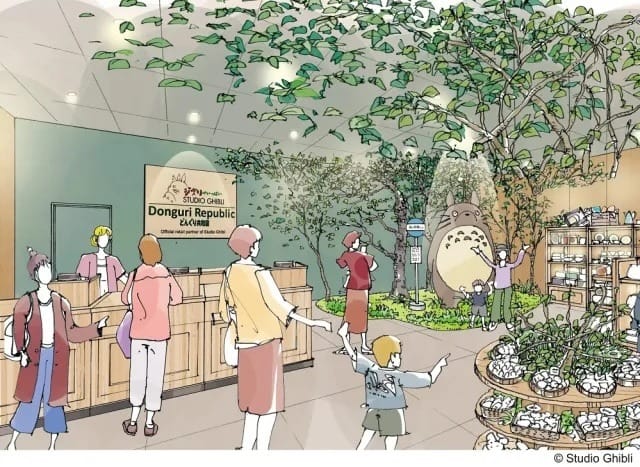
Studio Ghibli, the company behind beloved films like My Neighbor Totoro and Spirited Away, is bringing its retail concept to Los Angeles. Donguri Republic will offer 400 officially licensed items, including exclusive gifts and merch like tote bags and collectible bookmarks. But the heart of the experience is the design itself. It’s meant to be a “warm, immersive environment” made with wood-inspired interiors, whimsical displays from Studio Ghibli films, and a life-size Totoro. This is Donguri Republic’s first entry into the US, and it will be open to consumers from June 23 to December 31, 2026.
Get Your Commerce Fix.
Do you find yourself itching for the dopamine surge you get when you add items to a digital cart? You are the target user (no pun intended) of South Korea’s hottest online destinations: dopamine sites that let you shop without buying anything. Some note that the experience gives them the emotional lift of shopping, without the inevitable comedown of seeing the final receipt. But others argue that going through the journey with no clear outcome makes the experience pointless. Are these sites the safeguards we need now that one-click checkout makes buyer’s remorse easier to catch?

Not So Yum.
After seeing a 2% drop in brand sales, Yum Brands has decided to sell Pizza Hut for $2.7B in a split deal. Private equity firm LongRange Capital will take over the business outside of mainland China, while Yum China Holdings Inc. will acquire the business within the country. Yum Brands manages an extensive portfolio of QSR chains, including Taco Bell and KFC, but Pizza Hut has long struggled to compete in an oversaturated market and effectively update its locations.
Earlier this year, Yum announced plans to close 250 US Pizza Hut locations, a small dent in its 19,974-unit fleet. But between the buzz surrounding the chain’s retro locations and the return of its beloved BOOK IT! Program, we can’t help but wonder if a Pizza Hut Renaissance is upon us, and that Millennials are driving it.


Who Are These SPECS For?
Snap has officially unveiled SPECS, its $2,195 addition to the smart glasses hype machine. The big pitch is that the glasses offer AI “that can see what you see.” What’s missing from text-based experiences, the company argues, is that they hinge on what you write (or don’t write). SPECS acquires the full context, delivering guidance based on what you see and are trying to accomplish. And because they’re made from 132 grams of Swiss polymer, they’re designed to be light enough for everyday life.
SPECS are now available for pre-order, and will ship this fall in the US, UK, and France. Until then, Snap is going hard on positioning. Evan Spiegel told a crowd at Augmented World Expo that these are not “AI glasses,” but “computers,” drawing a clear line in the sand from Meta. The company has been building out the SPECS developer ecosystem over the past year to reaffirm its focus on technological sophistication rather than gimmicks.
The shipping of 10 Snap OS has introduced 40+ new features and APIs, and developers have already published hundreds of Lenses for SPECS. New agentic development capabilities in Lens Studio, combined with SPECS Spatial Benchmark, the Migration Agent, and a Native Development Kit, will make the developer experience more comprehensive. What’s still TBD, though, is how Snap’s technical positioning aligns with the marketing creative. The campaign to unveil SPECS is reminiscent of a high-fashion photo shoot featuring a roster of stars, including Imogen Heap, Jack Harlow, and Jimmy Butler.
The Co-Shopper Has Logged On.
AI-referred retail shoppers now convert 54% higher and generate 53% more revenue per visit. As we’ve seen in our own research, consumers are embracing LLMs’ ability to offload the mental and logistical work for more complex purchases. Once they find what they’re looking for, their intent to buy increases significantly. But are companies seizing the moment? Adobe’s AI Visibility Report indicates that visits to travel sites grew 194% year over year, and hotels lead in content for travel experience, loyalty, and customer support. In traditional retail, cosmetics and electronics lead the way. The co-shopper has logged on. Is your product data ready for the introduction?
.jpg)
.jpg)

.svg)
