


.jpg)
Culture Is What Survives Its Creator

Welcome to Friday, futurists.
This week we mourn the loss of three figures whose work defined, and then transcended, culture to create forms of participatory commerce.
Three people who, had they not passed so suddenly and in such close proximity to each other, would not have given me such depth of thought and revelation. But yet, I’m thinking about them together.
Of course, I’m speaking of Yayoi Kusama, Dolly Parton, and Tim Curry.
Kusama’s work, famous for colorful use of polka dots and pumpkins, created a visual style so distinct that any handbag, storefront, or mirrored room could be “Kusama.” And they were; from the iconic 2011 Louis Vuitton collection to the Fifth Avenue and Champs-Élysées storefronts adorned in duotone pointillism in 2023.
She was still painting until her final days.
Dolly is almost an even richer Commerce is Culture case study. The songs, of course, are karaoke and club standards, but Dolly is now a collectively owned cultural system. Beginning in 1986 with Dollywood’s opening, Dolly somehow built the legacy that Elvis and Michael couldn’t; and she built it on philanthropy, literacy, and mythology around Appalachia. In twenty more years, her fans can hear from her once again. Locked away in a chestnut box at her DreamMore resort is her final song, titled “My Place in History.” An ode to her career, her life, and her impact, the song will remain sealed until January 19, 2046…her 100th birthday.
And we’ll all embody Tim Curry for the next century, in the same way that he embodied his characters. From Pennywise to Frank-n-Furter, he gave us the original archetype of a participatory theatrical experience that now embodies the American experience economy. This Halloween, Americans will spend $4.3 billion on outfits for adults, children, and pets. The roles he created have infinitely more cultural value than we can measure.
In a world where brands wantonly throw about terms like "timelessness," "heritage," "iconic," and "community,” Kusama, Parton, and Curry demonstrated what those words actually meant. For something to be truly iconic, others have to keep it alive.
Culture is what survives its creators. And in that way, the memory of these icons will never pass away.
— Phillip
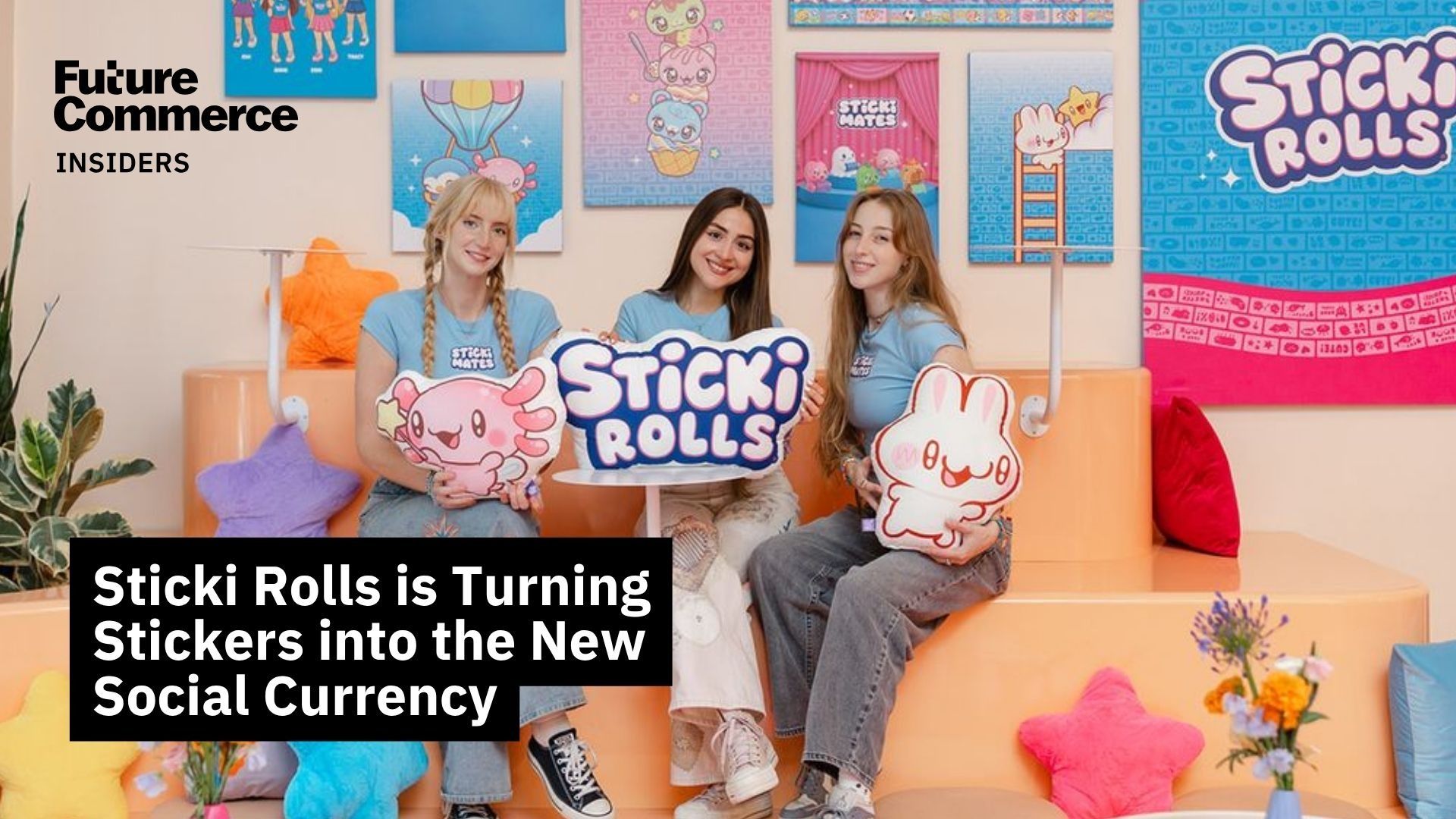
A YouTube Brand Creates ‘Sticky’ IRL Experiences
Sticker collecting has made the leap from your Trapper Keeper into the digital age, appealing to the next generation by blending the creator economy with immersive, physical retail.
Tapping into Gen Alpha’s growing girlhood economy, the viral YouTube-native brand, Sticki Rolls, proves that strong brand loyalty can translate into scalable revenue across both physical retail and eCommerce.
Sticki Rolls’ recent “dopamine roadshow” in New York created a tactile, community-driven experience that drove massive spikes in digital engagement and search interest.

Controversy Loves Company.
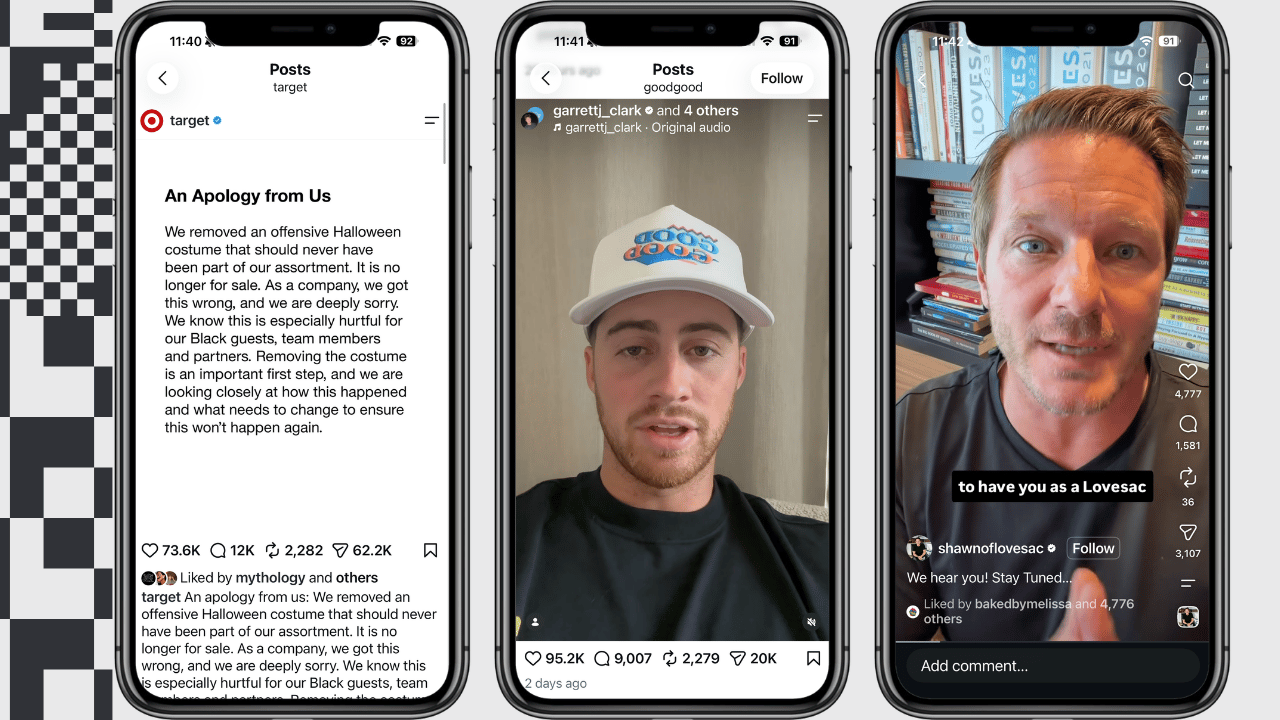
It’s been a no-good, very bad week for crisis comms teams at Target, Callaway, and Good Good. Target was flamed for selling a “clown” Halloween costume that eerily resembles racist minstrel show imagery. The merchandising snafu would be bad on its own, but the optics are only worse following Target’s extreme DEI rollbacks.
Callaway and Good Good, meanwhile, decided to lead into violence against women. The ad featured Good Good’s co-founder, Garrett Clark, showing a woman (Clark’s fellow creator, Alexis Miestowski) to the ground. The goal? To promote its new driver. After sharing a “trust me bro” apology video on social media, Good Good is facing major consequences. Both Callaway and PGA Tour have pulled out of their partnerships with the brand, and retailers are pulling its merch from shelves.
These two examples make Lovesac’s response to a comedy skit look like child’s play.
Commerce Recovery.
Meta is having a week of ups and downs. The company is apparently very close to launching its new consumer-facing AI agent, known internally as Project Hatch. According to an internal memo, it can act as your own makeshift assistant, ordering your takeout, booking a restaurant reservation, and even managing your Instagram account. The news comes the same week Meta settles a landmark child safety case for $17B (including newly required “productive pauses” and “nighttime blocks” for kids) and sees more venues consider banning Meta glasses use over privacy concerns.

Feeling Supreme.
Social media scrolling stopped in its tracks when news broke of Supreme’s Chief Design Officer, Erin Magee, stepping down. After a 22-year run that included several roles, major collection drops, and an acquisition, Magee is heading to SKIMS, where she’ll take her post as the brand’s first Chief Design Officer. Kim K is looking to expand the brand into more territories and categories, so they need a new leadership role to guide creative direction and design workflows. SKIMS has also named Kim Schraub Chief Brand Officer after she served as Creative Director for more than seven years.
Disconnected Connection.
It may seem like a contradiction, but luxury brands are investing in experiences that let customers log off. The shift is largely driven by consumer behaviors—Gen Z and Alpha are leaning hard into intentional tech use with dumb phones. But it’s also about creating an air of mystery, even sanctuary, that warrants a hefty price tag. We’ve argued how inner circles are migrating out of the feed and into Pilates studios and private chats, but now the trend we’ve been tracking for six years has finally reached its tactical era. Trade media is talking more about the “how” than the “why,” and that means brands are looking for better ways to monetize attention.

Give Me Oreos Or Give Me Death.
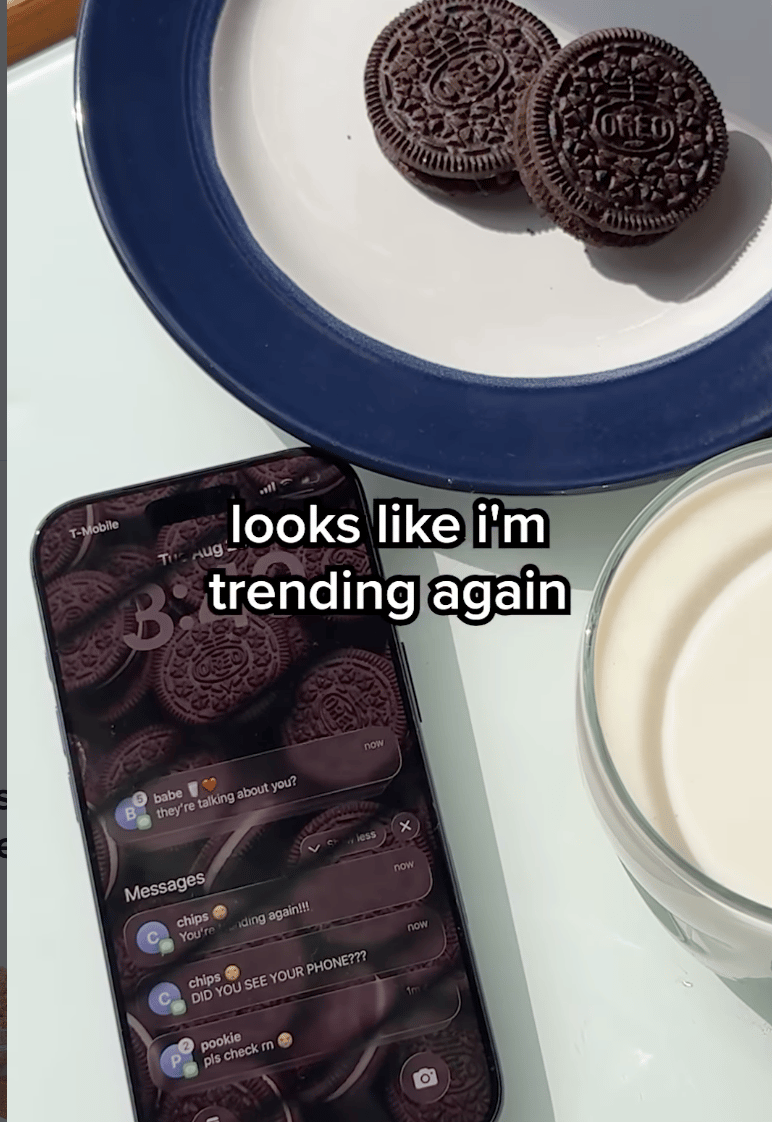
The internet loves a good scandal that pits parents against each other, and Oreogate is the latest example. What started as a multi-part texting saga posted by Instagram creator @ashleighjamz has turned into a full-blown debate about where parental control begins and ends in schools. The text thread went viral for its catchy gospel-style narration, but quickly amplified across parenting accounts and mainstream news outlets.
Internet sleuths (us included) have deduced that this is likely just another Suno brand account making the rounds, but that hasn’t stopped everyone, even Oreo, from weighing in. The situation just proves a point we made during the cultural response to American Eagle’s “Good Genes” campaign: even if we know a situation is intentionally orchestrated to cause backlash, it is our innate human response to participate. Stay tuned for many more spoofs, interpretations, and pile-ons tied to this phenomenon.

The Circle of (Artificial) Life.
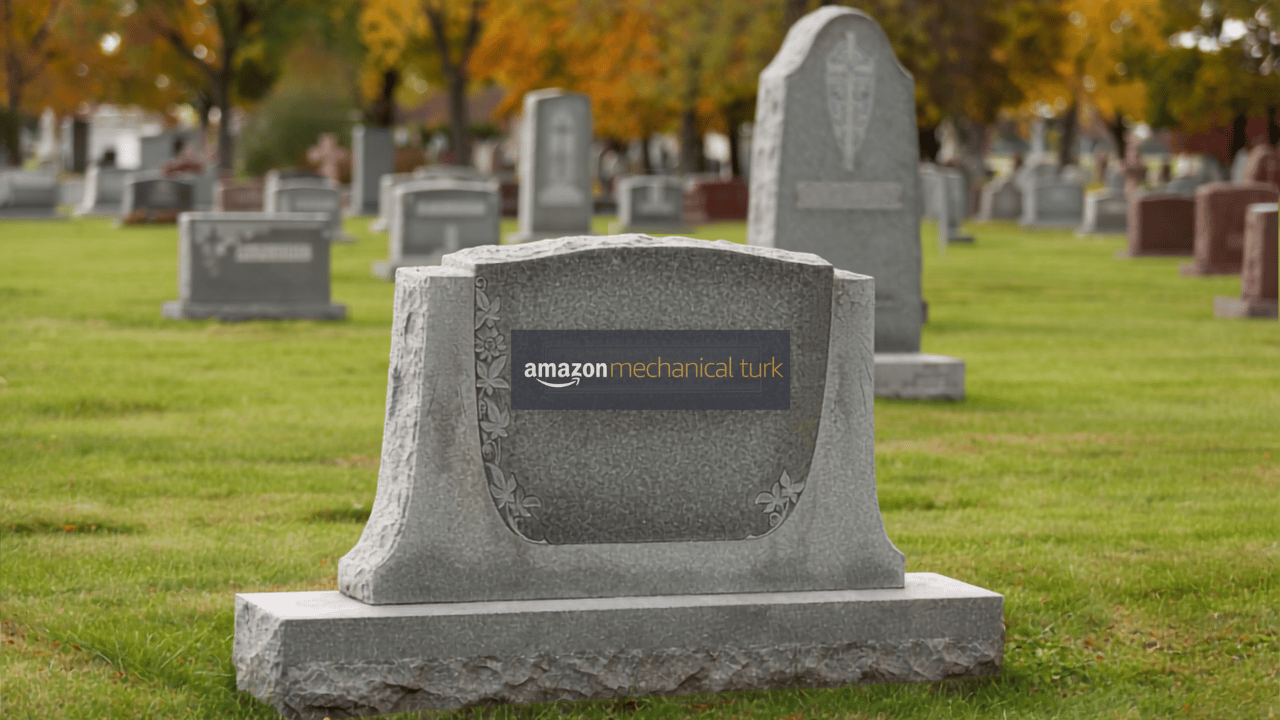
Amazon is sunsetting Mechanical Turk, the platform Bezos once called “artificial artificial intelligence.” But major moves in AI are happening this week. Rumors have circulated about Nvidia buying Hugging Face for $12.9B. The purchase would fold the largest open-source model hub under the chipmaker that already owns the compute. Salesforce has also seen a nice stock market surge after announcing Claudeforce, a new way to help sales teams work within Claude. The SaaSpocalypse has been canceled. And finally, Andreessen Horowitz has announced the $1.1B Machine Age Fund, which will prioritize investment in chips, data centers, robotics, and power systems. This is “AI’s physical backbone,” and it currently makes up 20% of the firm’s deals.
Billion-Dollar Abandonment.
The $53B pursuit of PayPal Holdings is apparently kaput. New reports say Advent and Stripe are abandoning the deal after the acquisition target claimed the acquisition price was too low. But Stripe clearly has money to spend. Just last week, the company announced its purchase of OpenRouter, which gives companies access to hundreds of AI models.

.svg)
