


The Advertising Week Mid-Week Dispatch

Welcome to Wednesday, futurists.
We’re in NYC, and a repurposed shopping mall is officially Mecca for the advertising industry.
It’s Advertising Week New York, and there’s no shortage of discourse on the collapse of the funnel, the state of AI commerce, and the future of retail (erm, commerce) media.
Commerce media may have been on the program, but Meta’s Muse and ChatGPT Ads were the topic du jour this year, both launching within weeks of this week's proceedings.
As an official media partner this year, we were ready to sit in sessions, run meetings, and bop around Manhattan to all the adjacent events we could.
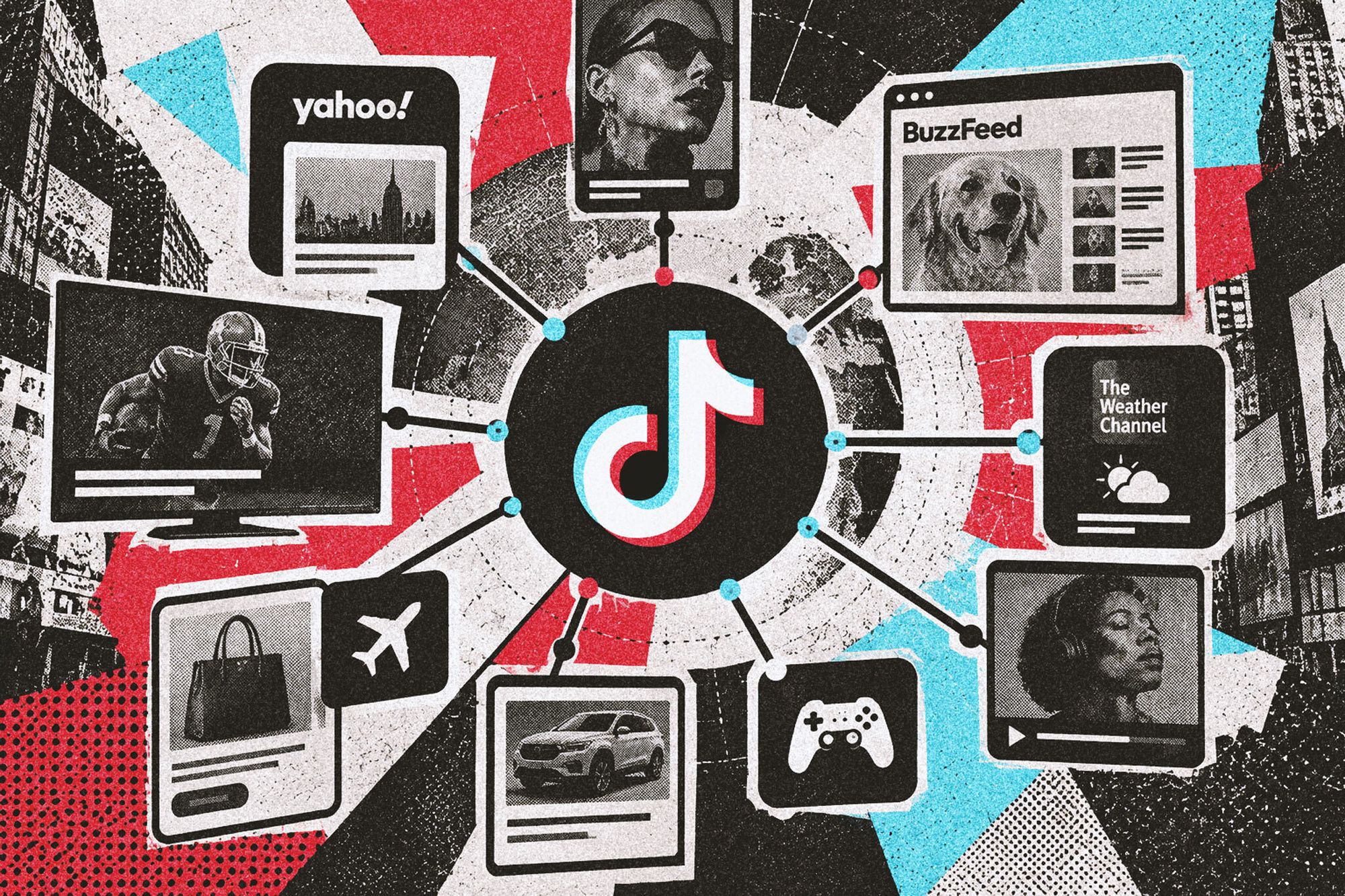
We were able to kick things off at TikTok HQ, where executives gave us a sneak peek of the week’s major announcements, which included the platform’s big play in, you guessed it, agentic commerce and commerce media. But what we found most interesting is how TikTok is empowering the back-end with a new MCP. It’s powering the culture of commerce, both for consumers and for advertisers.

Beyond the Feed.
Jordyn Woods has a knack for getting attention—16M+ social followers are a testament to that. But the most unexpected win for her fashion brand was a campaign launched outside of the feed. Woods by Jordyn ran an OOH billboard campaign in Manhattan that lined the Knicks championship parade route, including on taxis and bus shelters.
The product merchandising and creative matched the moment perfectly, featuring a matching orange bag and clutch and the supporting, very punny tagline: “The W is in the bag.”
“A lot of people in my demographic lean towards digital marketing, but with traditional marketing like billboards, you can see it as you’re walking and know that real people are seeing it and not bots,” Woods said. “We know how many people are walking through Times Square a day. Seeing something in your everyday life, in real life, it does make a difference.”
The power of OOH goes beyond reach. Brian Rappaport, Founder and CEO of Quan Media Group, noted that the channel’s affordability and diversity pack a powerful punch, along with its agility and speed. One Quan client just went live with a campaign in less than 12 hours. With digital channels getting more crowded, real-life experiences are the new premium.
🔮We explored new trends in OOH advertising in our Sensory Marketing Brief.
Is Legacy a Crutch?
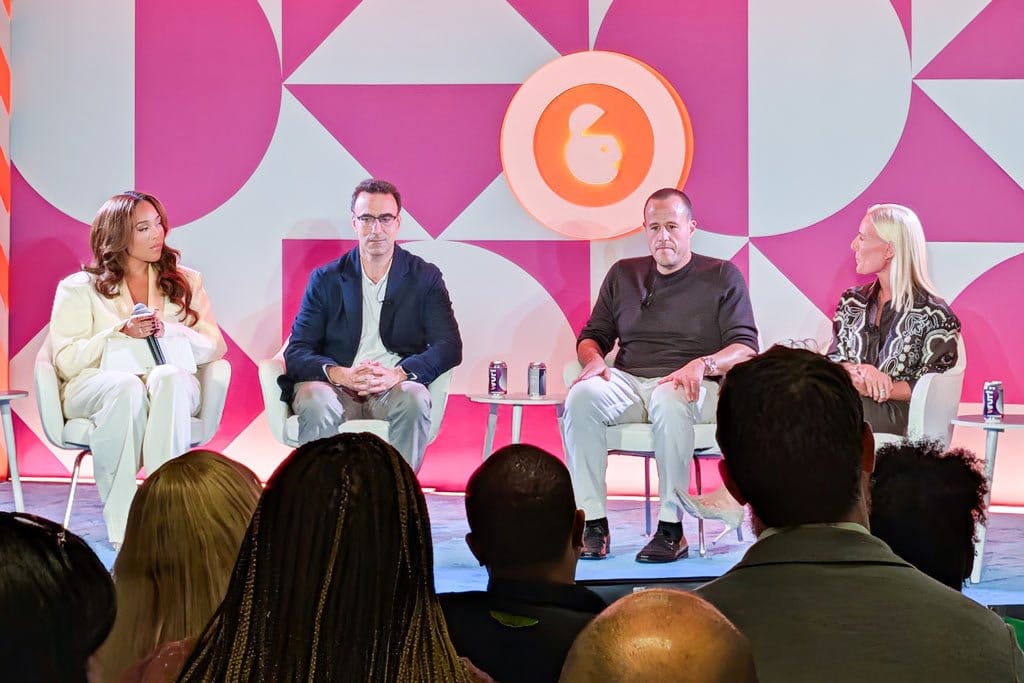
According to executives at The Hershey Company, E.l.f. Beauty, and LinkedIn, it depends. In the age of misinformation and disinformation, credibility is a tremendous asset. For a brand like LinkedIn, credibility builds trust that translates to daily user rates and advertising revenue. For Hershey and E.l.f., it validates product design, formulation, and brand experience, which drives acquisition, retention, and loyalty.
Paolo Provinciali, VP of Marketing for LinkedIn, broke it down simply: it’s about communicating value before asking for anything back. That includes living your brand, applying the playbooks you’re promoting, and applying brand values in your daily life as a marketer and brand leader. E.l.f. Chief Brand Officer Laurie Lam took it a step further, noting that consistency reaffirms values, and that’s what builds credibility. For Hershey’s vast portfolio of brands, that shows up in every new product launch, campaign, and partnership, helping brands stay relevant while remaining credible.

Home is Where the Game Is.
99% of people who watch an NFL game will never go to a stadium. That’s a staggering stat shared by Amanda Evans, Wayfair’s Head of Brand, Insights & Partnerships, and it validated the retailer’s ad campaign featuring Los Angeles Rams quarterback Matthew Stafford, his wife, and four daughters. “Home is where Wayfair has brand equity. Specifically, what we’re looking to own is the living room,” Evans said.
Evans worked with Dayo Harewood and the Paramount Media Labs team to delve into the emotional and cultural levers of the modern US living room on game day. They discovered a “universal experience” that connected families across states and fandoms, and brought in a high-profile family to add star power and authenticity. In this case, Wayfair went with gut instinct rather than rigorous testing, especially around creative decisions. Now, the retailer is working with Paramount to run the spot beyond NFL game day and reach adjacent audiences, including NBA viewers and even entertainment content on Paramount Plus.
“You have to realize they’re not just consuming the NFL; they’re consuming other things,” said Neil Greskiewicz, VP of Sales at Paramount Advertising. “And creating a campaign that touches them on all those levels is what makes the difference and increases the impact. We have to find those through lines and carry it through the entire ecosystem.”
From the Gas Pump to the Hotel Suite.
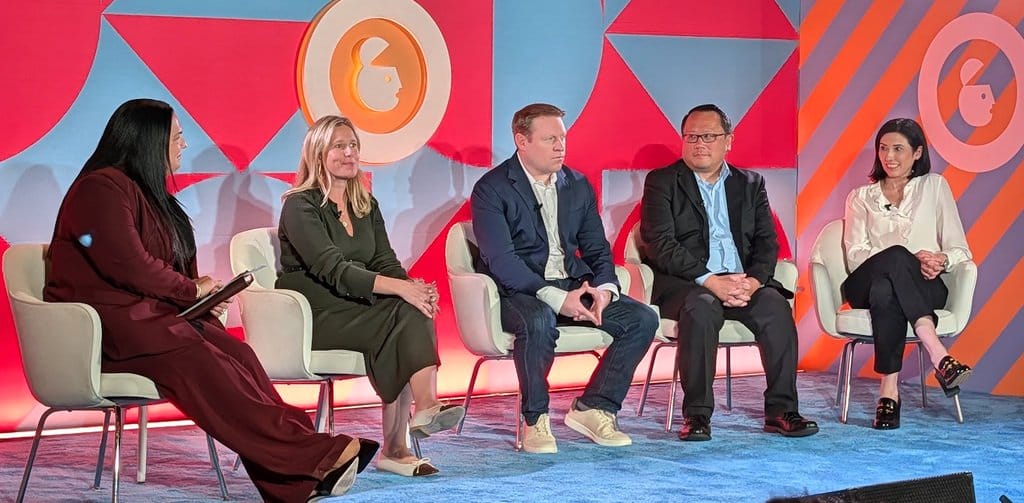
Nearly 300 media networks are now competing for ad budgets, and they’re emphasizing the unique moments and opportunities only their brand experiences can bring. For example, Marriott Bonvoy has more than 300M members with 500-plus targetable attributes. Dollar General’s in-store radio reaches consumers in 21,000+ stores. (You can learn more about that on the podcast.) And ExxonMobil? It has real estate to reach consumers when they’re trying to get from point A to point B.
“When consumers visit an [Exxon]-branded location, it is part of a consumer purchase journey,” said Thomas Chiang, Head of Retail Data & Innovation Strategy for ExxonMobil. “It really then becomes more than just omni-channel within our network. It is omni-channel across different parts of the consumer purchase journey.”
The key takeaway for brands is that there are more ways (and more networks) to reach your customer. They must understand not just who they’re trying to target, but the optimal moments when inspiration and intent form. Each platform may bring something unique to the table, including unique categories of expertise and distinct ad formats, which is why moderator Elizabeth Donovan (Acxiom) predicted more partnerships between networks in the future to create a more cohesive experience.

The Taste of Fandom.
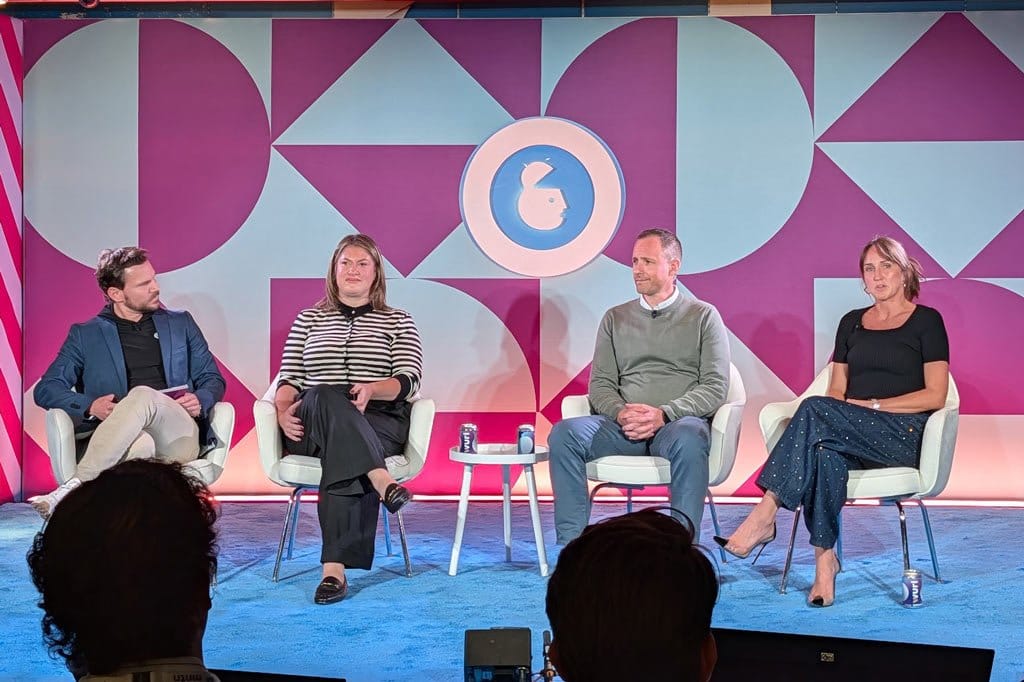
Humans are complex, so fandoms don’t always create a clean line to specific purchase behaviors. Seek and its Insight Cloud provide an interactive analytics environment where data publishers, like Gopuff and Fanatics, can connect to brands. Torie Morris of Fanatics Advertising knows firsthand how hard it is to measure the efficacy of a brand partnership, especially because the business has such a vast ecosystem that encompasses “every touchpoint of fandom.” It used to be challenging to pinpoint how specific fans consumed or engaged with specific brands.
Looking at more than 140M people in the US, Morris and the Fanatics team have “built all of those data sets, all of those models into our fan graph, so we can actually see, minute by minute, day by day, how is your fandom progressing? Who are you investing in? Who are you putting your hard-earned cash into because you care that much about them?” she said. Gopuff also can see the real-time purchase impact of specific tactics like new Super Bowl ad spots.
During last year’s Big Game, “we evaluated across a majority of the brands that we sell in our stores, and we saw an uptick, including Liquid Death and Liquid I.V.,” said JR Crosby, Director of Adtech and Data Partnerships at Gopuff. “What that tells us is these ads matter; they’re driving people’s interest and purchases in real time. It’s not something you’re going to get looking back at a monthly sales report. You have to dig in and understand what was going on for that person at that time. And the Super Bowl is just a great example where we’re all doing the same thing at the same time, and we’re responding in mass to those messages.”
Culinary Escapism.
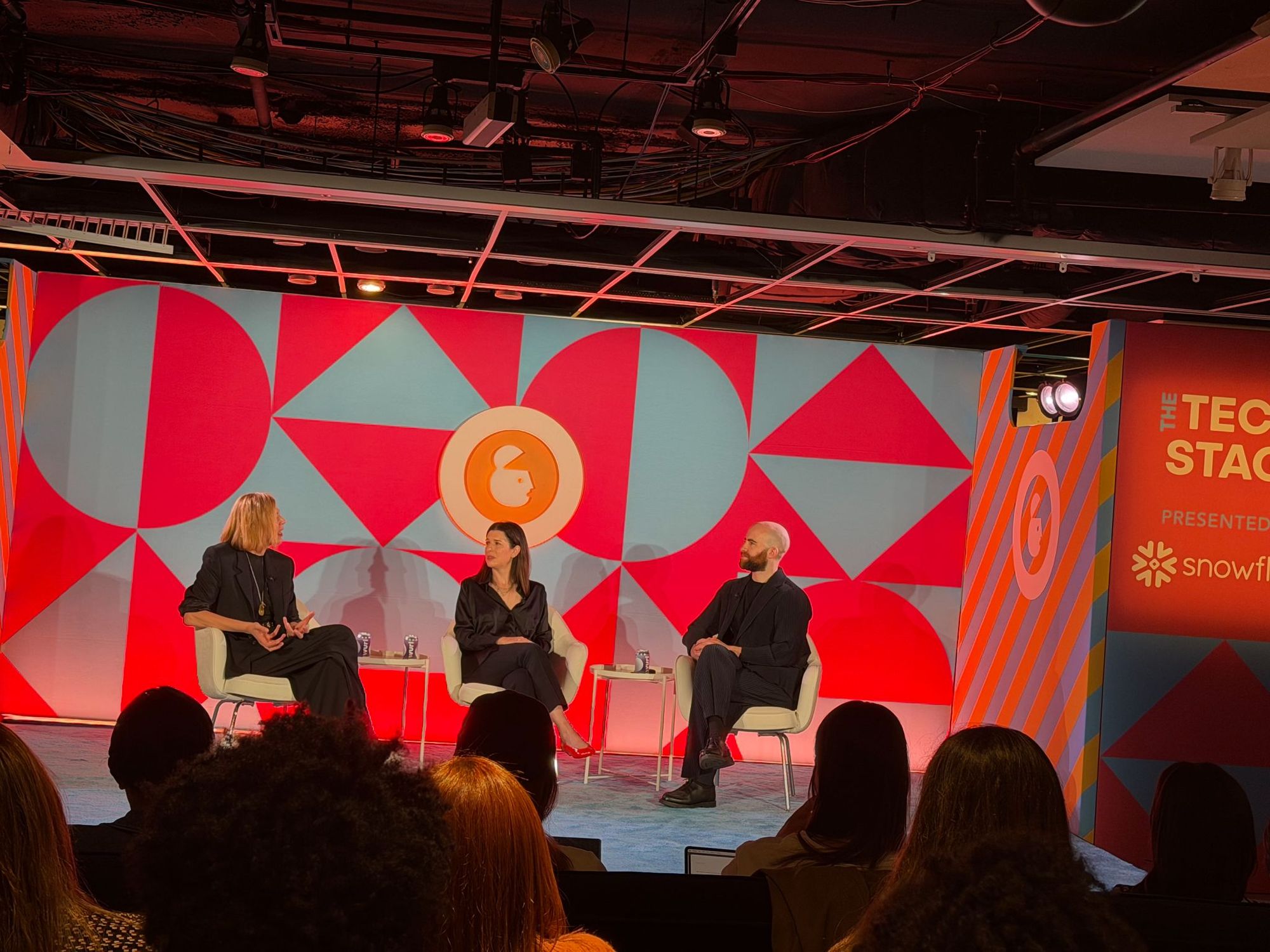
The Bravo-sphere has its fair share of culinary spin-offs, but reality stars Melissa Gorga (“Real Housewives of New Jersey”) and Carl Radke (“Summer House”) are using their personal tastes to bolster their business portfolios. During a live taping of the “Trading Secrets” podcast with Jason Tartick, both TV personalities-turned-influencers revealed how their personal journeys translated into product development. Gorga used her well-known (former) feud with her sister-in-law, Teresa Giudice, to launch a line of sprinkle cookies that sold $500K in the first three months.
But it’s Radke’s journey starting SoftBar that gives brands the most valuable fodder. He used his sobriety journey as the inspiration and now runs the Brooklyn-based non-alc as a “playground for brands.” “It’s very high design, and really thoughtful construction,” he said. “I really believed in investing in the build and the experience, including the feeling you get.” And because they don’t serve alcohol, the bills are lower, and more brands see it as a possible venue. In fact, up to 30% of revenue comes from private events, and even baby food companies want in.

Let’s Get Native.
Benoit Vatere, Chief Media & Digital Commerce Officer for Liquid Death, perfectly distilled how the highly creative company uses AI without losing the soul of its brand culture: “It’s about being able to stay lean and mean, which, as a fast-growing company, is what really matters. We want to be able to manage things efficiently…AI is really about data ingestion, understanding data, and acting off of this data faster.”
When you create your own intelligence layer that ingests brand information, team members can work faster and more effectively. As Vatere noted, AI helps him review data and insights daily rather than waiting for team members to pull them. But Liquid Death is an AI-native organization, which means AI builds on your company “brain” (the intelligence layer) and adds an orchestration layer, so work gets done inside the custom application.
🔮Vatere is showing how AI is turning C-level execs into individual contributors. We explored this idea in a recent Insiders essay.
Bot-Powered Brand Stickiness.
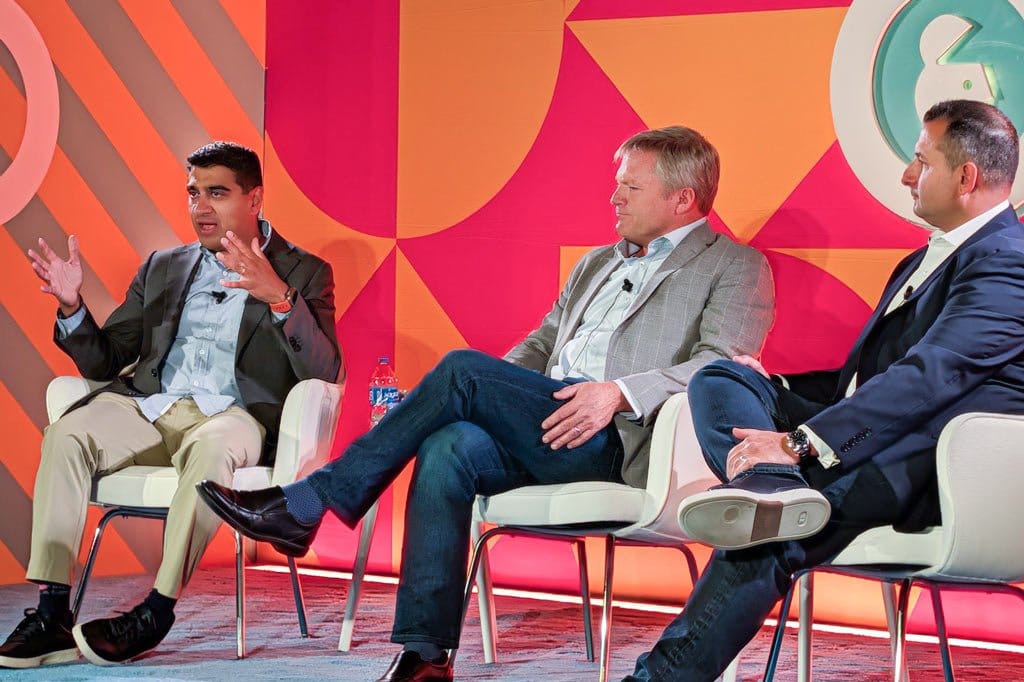
Last week, ChatGPT announced the launch of a Sponsored Agent, where consumers have more tailored conversations with a digital brand “expert.” Meta and Google both have done something similar to connect conversation and context to commerce. This speaks to how paid advertising and, in turn, measurement are still evolving within LLMs.
“We’re on the precipice of what this all is, but you have to be there,” said Jinx Joglekar, CMO of Optimum. “We don’t know how to measure or evaluate incrementality, but that being said, we know the eyeballs are there. And we know, as consumers, we’re searching this way. So we have to think about how we fit organically into LLMs and then play and test with the ad products that are there.”
Brands should test across multiple platforms and ad formats, and create benchmarks to understand how AI chat is compressing the funnel. After all, once an ad appears in a chat session, AI is more likely to recommend that brand later because it is embedded in the context of that conversation.

.svg)
