Tesla Pulls an Aztek

Welcome to Friday, futurists. Tesla is winding down Cybertruck production at Giga Texas by the middle of next year. The reason, in air quotes: it “needs the floor space for Cybercab.”
The real reason is on the balance sheet. Tesla sold 20,237 Cybertrucks in the US last year, down 48% from 2024. Elon had once predicted they’d be moving 250,000 units per year. That’s about 92% off-target.
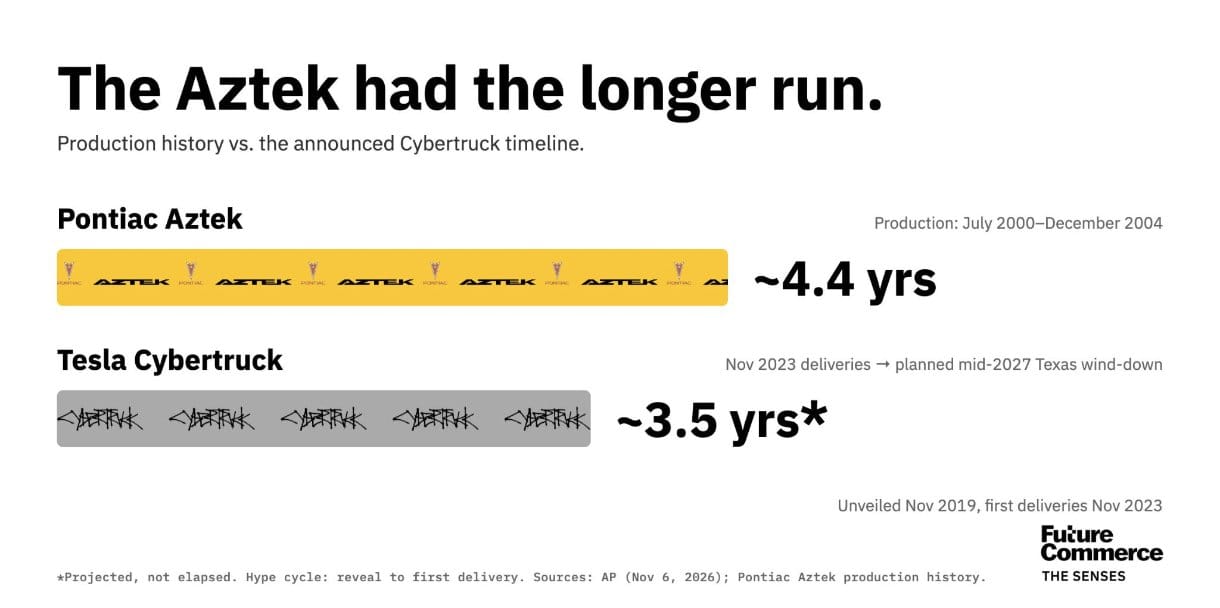
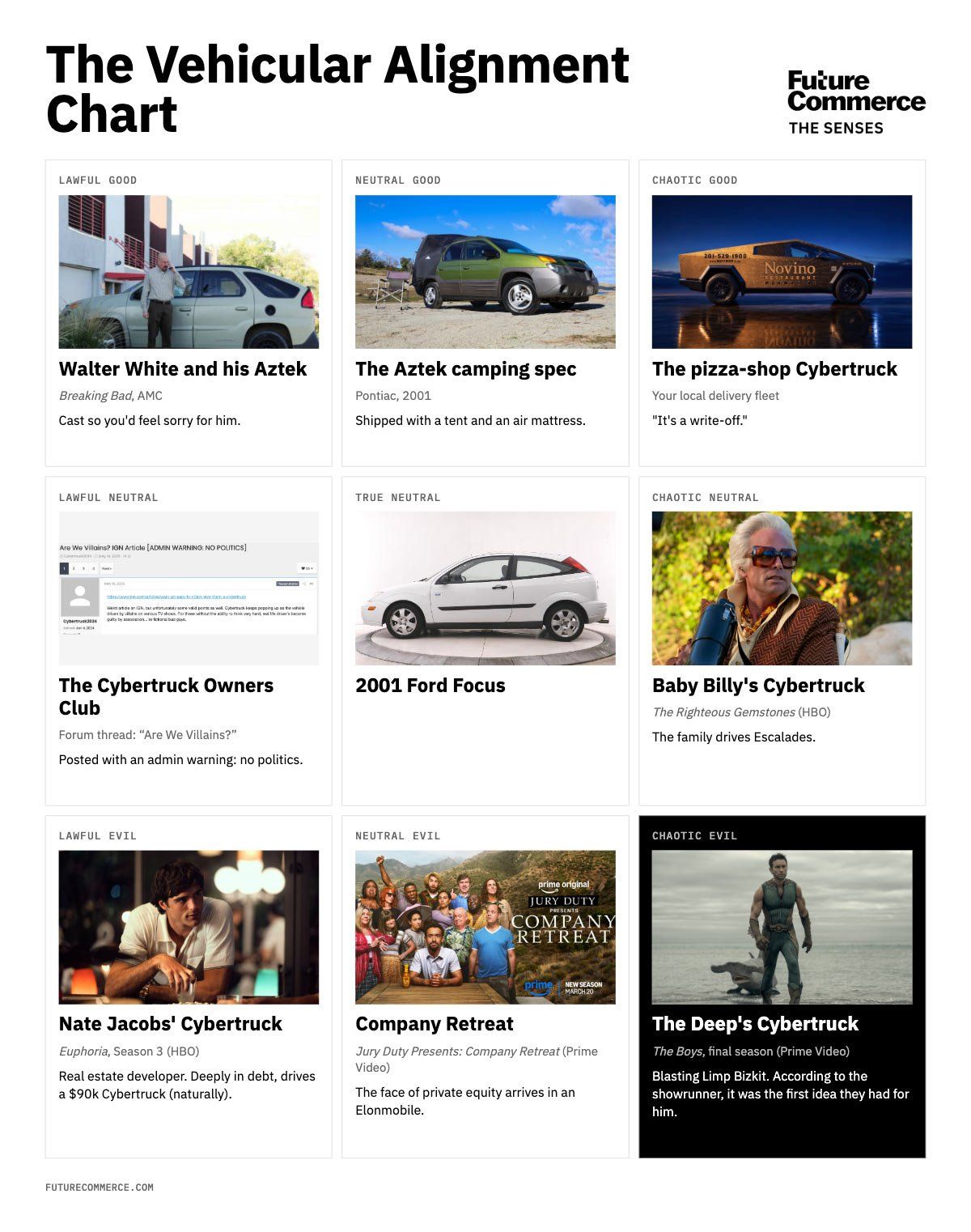
In 2001, Pontiac released the Aztek, a crossover so widely mocked that Breaking Bad put Walter White in it so you’d pity him. GM forecast up to 75,000 a year. Its best year was 27,793. Pontiac shuttered in 2010.
IGN tracked shows using the Cybertruck as shorthand for a loser or a villain. In the final season of The Boys, The Deep cruises around in a Cybertruck blasting Limp Bizkit. (Showrunner Eric Kripke told Nerdist it was the first idea they had for the character, because, of course it was.)
The Overcorrection
I made this argument on stage at VISIONS back in 2024: culture moves in macrocycles of homogenization. Today we’re dangerously close to every car on the road resembling the same wet-putty gray blob. Then something wildly overcorrective shows up to break us out of the rut. The Pontiac Aztek, for instance. It usually flops.
A couple of decades later, when design evolves, in retrospect the overcorrection doesn’t look so wild after all.
The tall, chunky, plastic-clad Aztek crossover for wannabe overlanders is pretty much the average American car now. The Aztek wasn’t ugly so much as it was early.
The Cybertruck is essentially the same thing. It’s futurism for a buyer who doesn’t exist yet.
It has the same problems, too: the original $39k price tag ended up closer to $100,000, followed by a stack of recalls, and a design that was a punchline and shorthand for poor taste. And in true Tesla fashion, it raised prices by up to 10% right after announcing the wind-down.
It probably didn’t help that a terrorist used the truck in a very visible attack on Trump’s property in Las Vegas; though, the Cybertruck contained the explosion.
Down Payment Not Included
The Cybertruck got drivers used to stainless steel, steer-by-wire, and a cabin that is all-screen. But somewhere in Detroit, a design team is sanding off the edges right now, and, however slowly and progressively, the future of automotive design will trend more toward the Cybertruck.
In fact, I’d bet money that by 2035, at least one best-selling crossover resembles a Cybertruck. Because the overcorrection has a way of pulling culture toward itself.
— Phillip
P.S. We’ll dig into craft, scale, and the next big overcorrection at VISIONS Summit 2027, February 10th at MoMA NYC. Early bird pricing ends on Black Friday. Get your tickets now.

The Handmade’s Tale.
This is why we can’t have nice things.
Now that “proof of work” is the ultimate aesthetic, brands are trying to win the holiday season by investing in high-touch, high-effort ad concepts. Since our initial round-up, e.l.f. Beauty and Levi’s both embraced Rankin/Bass-style claymation, and RIMOWA launched a series of stop-motion films that reflect miniature worlds inside a RIMOWA Original suitcase.
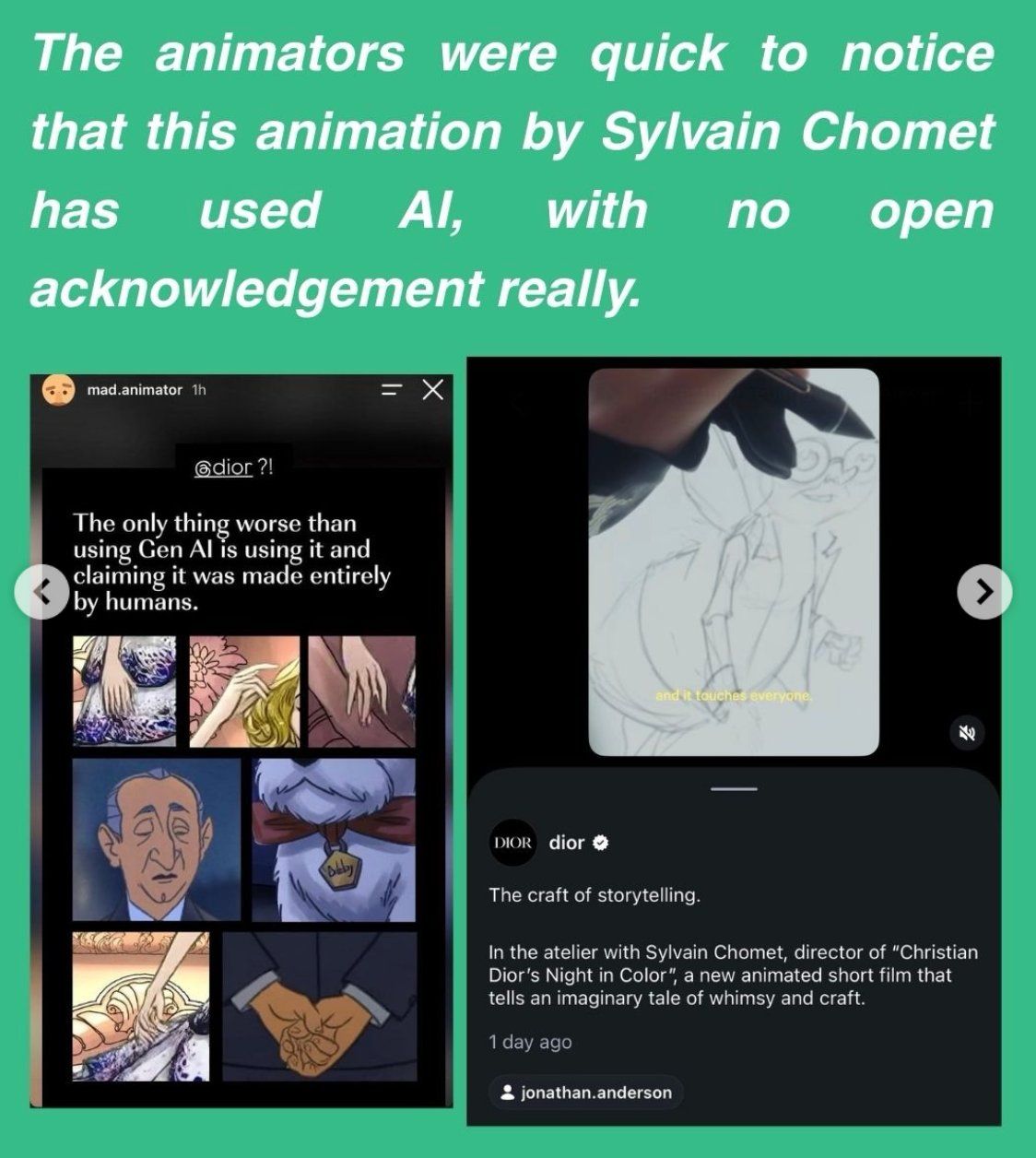
The most powerful example, however, is Dior’s ad featuring Robert Pattinson, mainly because it is a cautionary tale for brand leaders looking to hop on the trend. “Christian Dior’s Night in Color” initially made headlines for tapping Sylvain Chomet as director. It was the perfect move to reaffirm Jonathan Anderson’s love for craft.
Our Take: Upon closer inspection, illustrators found that AI was indeed used to create the short film. (Hands are always the tell.)
Now, the public is rebelling, launching social media critiques of the ad and Dior’s marketing deception, which is said to include exaggerated, even falsified, behind-the-scenes content that almost leans too hard into providing proof of work. This is the new authenticity war, and it’s coming for Christmas.
🔮We’ll be exploring the ongoing tension between craft and scale during VISIONS Summit 2027. Executives from PwC, WGSN, OUI the People, and Hermès will discuss new consumer attitudes, new internal guardrails, and how organizational vision trumps all at MoMA. Get your ticket now to be in the room.
The Blue Wave That Carried Millennial Optimism.
“Millennial optimism” has been a trending phrase on TikTok and Instagram for months. It was initially used as a cultural statement to push against the uninspiring trends dominating algorithmic feeds. But the midterm results show the cultural pushback was about more than aesthetics; it was political, too.
Expect more memes with stomp-clap anthems as background music, more reflections of 2010s-era political moments, and the return of beauty and fashion brands that reflect the “good old days.” Need more proof? Check out this True Religion x Baby Phat collab.

The Nightmare Before Checkout.
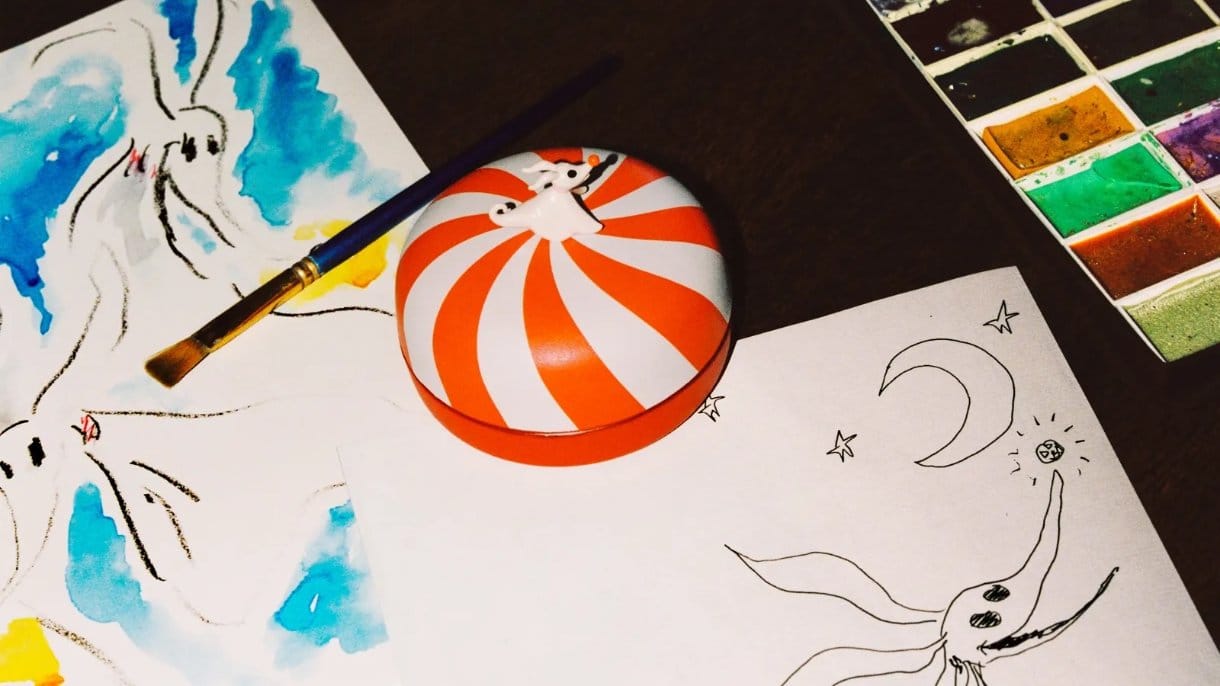
While Dior navigates holiday ad pushback, Anderson’s former house, LOEWE, is getting high praise for its soon-to-be-released The Nightmare Before Christmas collection. Featuring a range of handbags, bag charms, and even candles, the collection reinvents the whimsy of Tim Burton’s beloved film and its characters for a more sophisticated, high-earning consumer, from Disney “cool girls” to corporate goths and beyond.
The collection’s power lies in the launch materials, which include the creative act, done by Burton himself. LOEWE has always led in this space, turning behind-the-scenes content into something so immersive it verges on voyeuristic. But when the content includes a beloved creator and his even more beloved characters, the marketing power only amplifies; this short film on the brand’s Instagram is a great example.
Hire Expectations.
The slew of LinkedIn posts and layoff announcements paints a bleak picture of the job market, especially in tech. But the US added 165,000 jobs in October, far exceeding economists’ initial forecasts. Gains were highest in healthcare and professional/business services.
But signals of weakness remain: the number of people working part-time for economic reasons grew to 4.84 million, while two million people have been unemployed for at least 27 weeks. We’re curious to see how momentum continues into peak holiday hiring time, especially because some sources point to a strong start.

A Sour Day in Court.
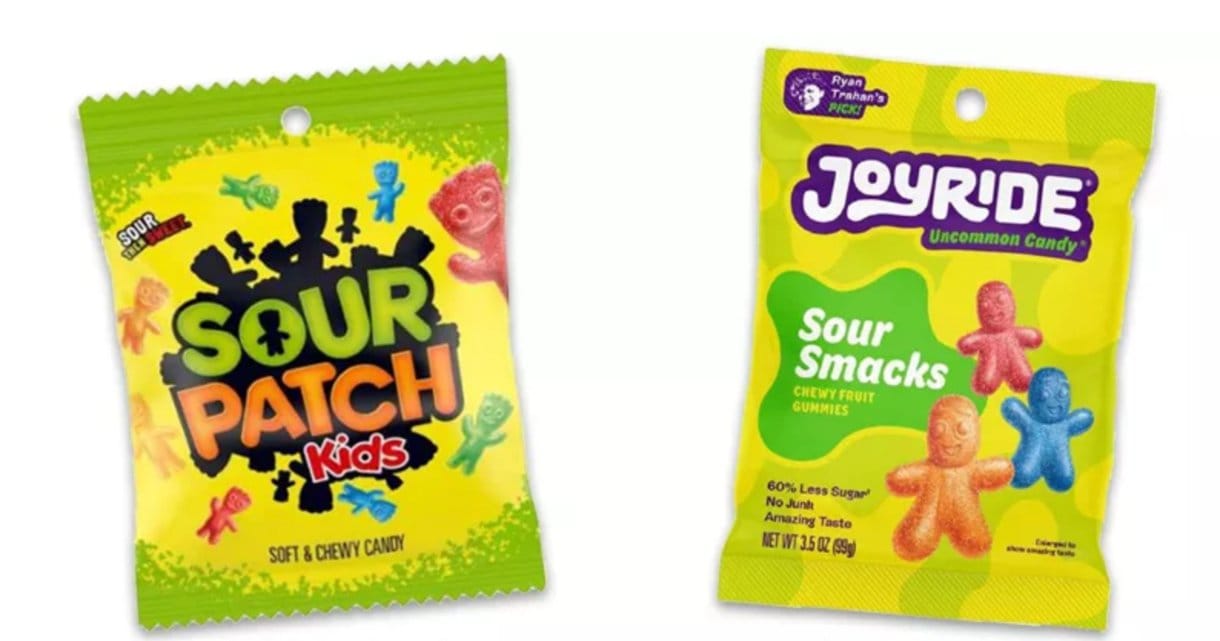
Mondelēz International is suing Joyride for copying its Sour Patch Kids brand for its “Sour Smacks” candy. The snack giant alleges that the kid-shaped candies, coupled with the yellow-and-green packaging, are “intended to copy and cause confusion.”
But the issue runs far deeper than branding. Joyride’s co-owner and Chief Creative Officer, Ryan Trahan, has the power to give Sour Smacks a relevance edge over the legacy alternative.
Our Take: As a prominent YouTuber, Trahan uses his videos to make Joyride announcements and launch campaigns and giveaways. Sometimes, the inclusions are more subtle product integrations. Regardless, he has a content engine that is constantly promoting the candy brand to his audience, which is largely kids and teens.
We’d argue that this isn’t Joyride fully attempting to trick its consumers. Kids and teens are smart and know these are Joyride products. The real issue is Joyride using its founder’s massive audience to gain an advantage in reach and scale. The branding may initially draw attention, but creator attachment drives conversion online and on the shelf, largely through recognition and curiosity.
🔮Want to learn more about influencer influence? We explore whether a well-known face and name can actually lead to a scalable business in our Celebrity Brands Signal Report. Click here to get your copy. (No form required; your click indicates opt-in.)
Carat Cake.
Brilliant Earth and Ring Pop are bringing back their collab in new “flavors” and styles, less than a year after the initial launch. The ad spot is Y2K nostalgia perfectly packaged for the feed: ring stacks on display, young models shuffling through piles of Ring Pops, a paper fortune teller, someone texting on a flip phone, and even a bedazzled portable CD player.
Brilliant Earth just released its Q3 2026 results, reporting 2.3% YOY growth in net sales and a 5.6% increase in total orders. The company attributed its sales and profitability gains to collaborations like this one that reach a broader audience beyond Brilliant Earth’s engagement-ring core. Despite an increasingly “K-shaped economy,” fine jewelry has surged, with younger consumers seeking “little treats” and older consumers investing in high-value pieces.

Agentic Report Card.
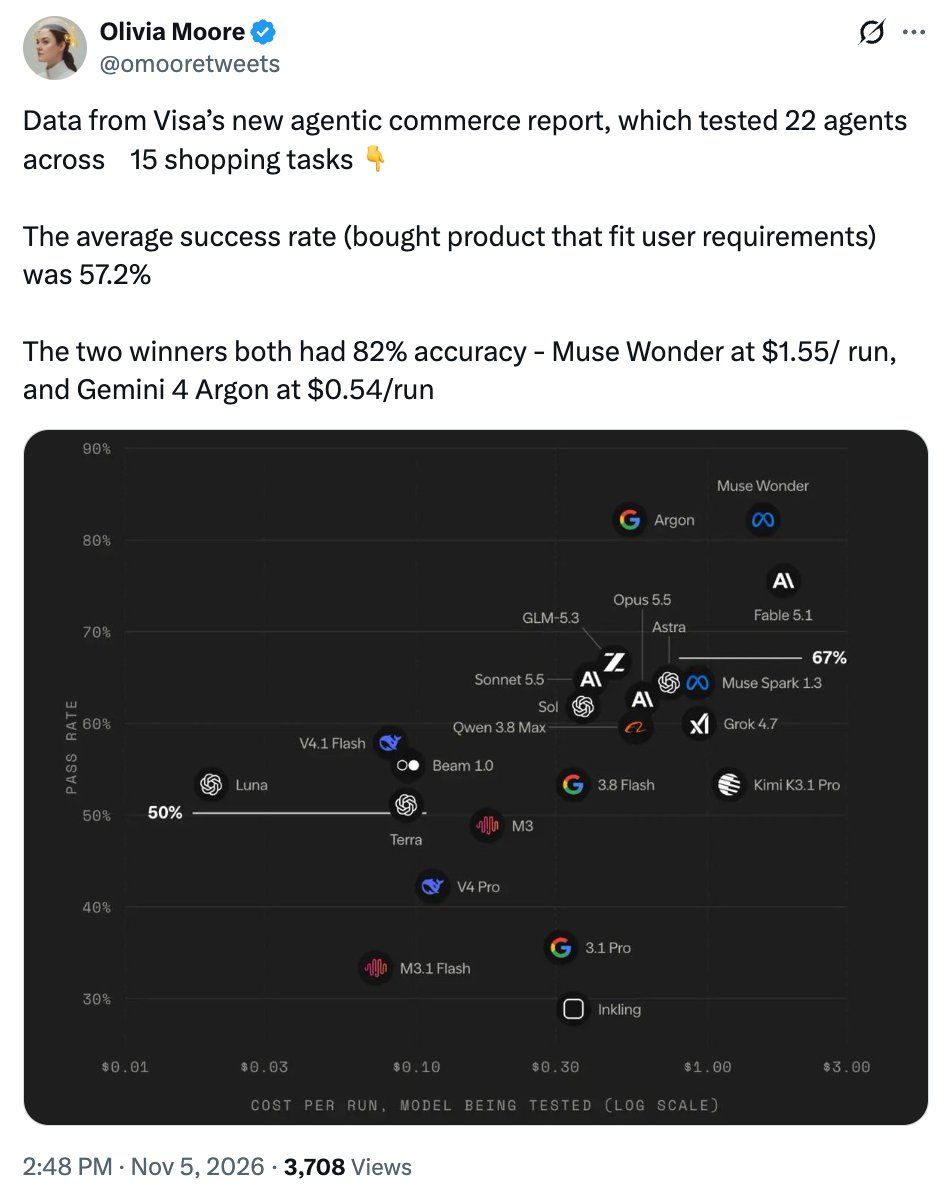
Visa has measured how effective AI tools are with specific shopping-related scenarios. The first benchmark includes 22 AI models from 12 labs completing 15 shopping challenges, from buying a TV to purchasing a personal care appliance. The benchmark pass rate was 57.2%, with the worst-performing models at 28.9%.
Every model got three attempts at each shopping scenario, and all three attempts passed 34.2% of the time. The most jarring takeaway: 54% of failed runs still ended in AI making a purchase.
As we ponder the future of agentic checkout, the market is going haywire, largely because of AI regulation fears after the midterms. We’re already seeing movement in NYC, and will continue to track any new activity in our policy coverage.
The Credibility Quotient.
Muck Rack has released its latest What Is AI Reading? Report, and the data reaffirms that AI prioritizes credibility over ad placements. A staggering 99% of all links cited in AI responses came from non-paid sources, with more than 84% coming from earned and third-party outlets, including journalistic sources, academic research, and third-party corporate content. Although journalism citations fell slightly from 27% to 22%, those citations were redistributed to other earned sources.
The data is incredibly helpful for brands finalizing their 2027 media budgets, especially as they consider how to prioritize content partnerships and thought leadership. The report also explains how different AI platforms prioritize these sources, giving brand leaders a more comprehensive picture to validate their plans.