


Why 20-somethings are choosing pets over kids (and who’s winning)

From guinea-pig soccer to cat food tastings
When was the last time you went to a pet store to watch a guinea-pig soccer tournament or attend a cat food tasting?
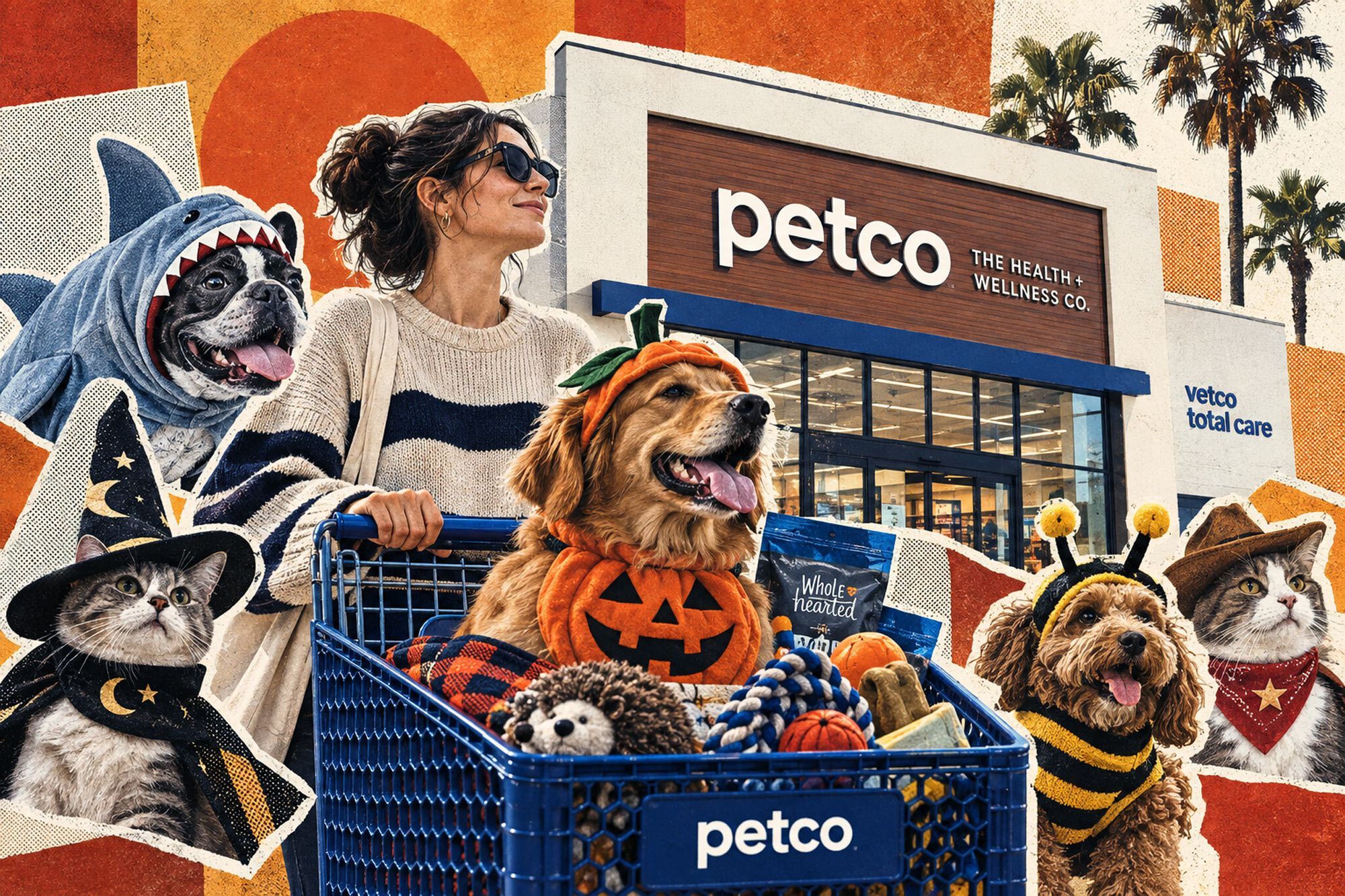
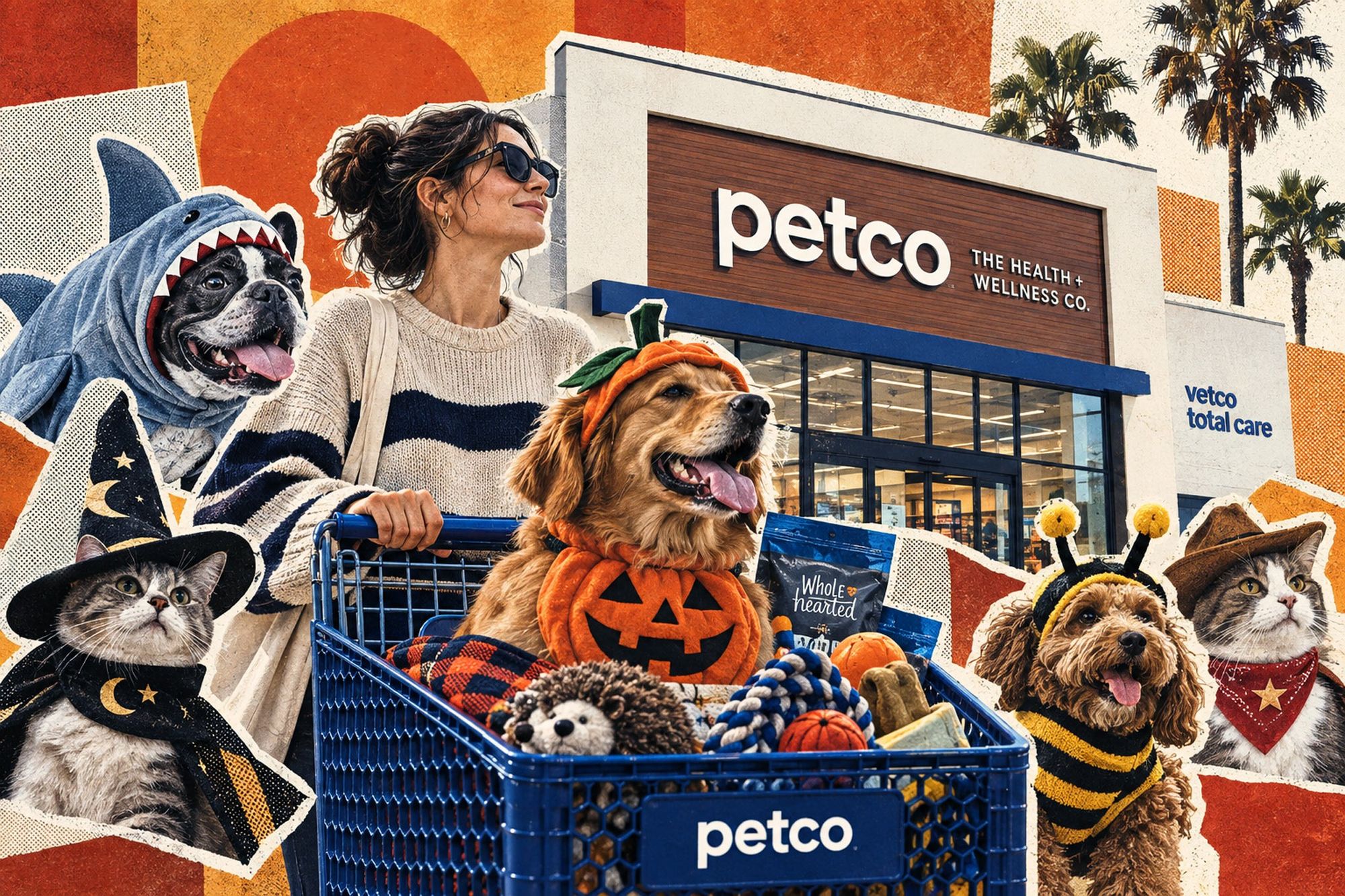
While many legacy retailers struggle to drive foot traffic, 60-year-old Petco is leaning into high-touch “retailtainment” to bring shoppers into stores. With 40% of U.S. adults now choosing pets over children and 73% of Gen Alpha shoppers preferring to shop in physical stores, Petco’s hands-on community hubs are proving that real-world experiences still win.
How is the sixty-year-old brand turning kitschy in-store activations into a key driver of its Q2 profitability? We sat down with Alison Hiatt, Petco’s SVP of Brand and Creative, to find out.
The cultural Venn diagram of retail experience and pet parenthood →

Big Marketing Fumble?
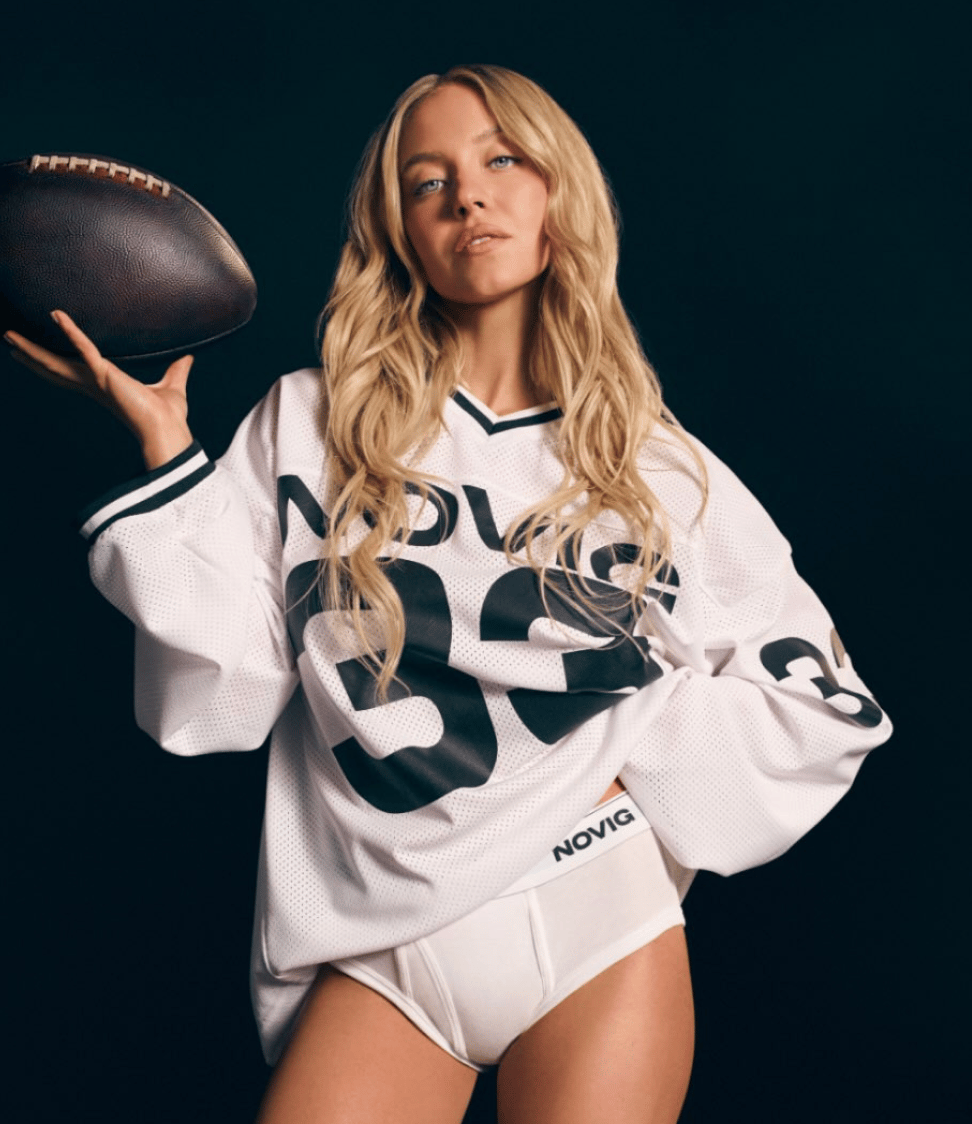
What started as a personal investment call turned into a new wave of social media outrage targeted at Sydney Sweeney. She stepped in front of the camera again, but this time, to show her support as an equity partner and endorser of prediction market Novig. While the ad in question has a clear target (male, heterosexual sports fans), the resulting mushroom cloud has sparked commentary across both marketing and sports communities, along with everyday consumers. Despite the hate, Sweeney still wins, if only because it made people pay less attention to her dumpster-fire of a lingerie brand.
But Novig isn’t the only prediction market seeing backlash. Polymarket dropped a wad of cash to hire LeBron James, Derek Jeter, Eli Manning, and a cast of other celebs for its new NFL-centered ad, and the response has been pretty bleak.
Log Off, Wallet Out.
Fashion Week has become more than a calendar of back-to-back shows and editor meetings. Now, it’s the cultural platform for new store openings and pop-ups. This past week in New York, brands and tech companies flexed their creative muscles, launching everything from a luxury laundromat to a disco-themed birthday party and even an oversized, tote-bag-shaped store. While some spaces were open to the public, others were used as influencer and tastemaker gathering spaces.
During Milan Fashion Week, Prada is opening its new Galleria concept to the public. Located in Milan’s shopping arcade Galleria Vittoria Emanuele II, the space is an eight-floor spectacle that combines retail, hospitality, and art, showing that the master architects of desire are still very much in luxury.

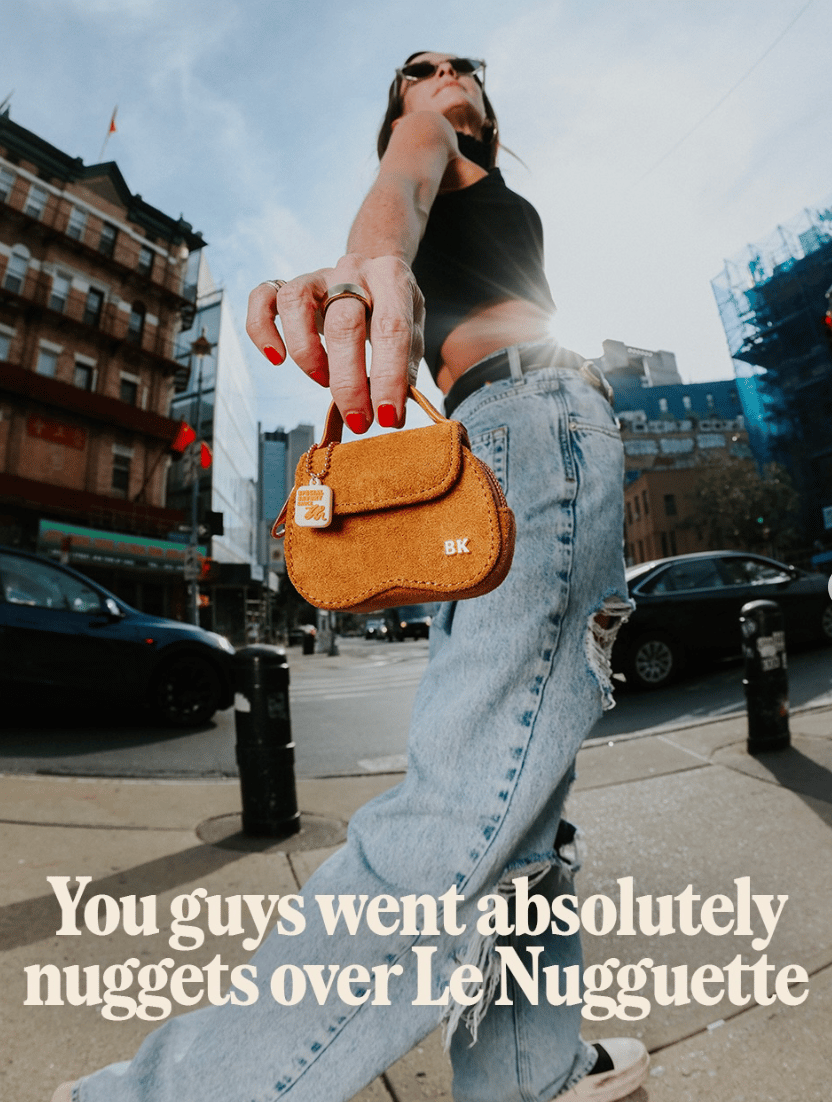
Pantry Pouches.
Since we covered Panera’s croissant clutch last year, we’ve seen a wave of new handbags so deliciously designed you can just taste them. Walmart launched a rotisserie chicken merch line, including an oversized clutch and themed bag charms. Betty Crocker is releasing its own collection of cake purses. Burger King decided to go luxe with the Le Nuggette, a suede, nugget-hued micro-bag that is surprisingly on-trend. If you were lucky enough to get your hands on one—yep, they’re already sold out—you got one of four sauce charm options, which Labubu-fied the whole experience.
Our Take: The obvious trend is food brands getting into the fashion game, but consumers’ incredible response to these drops is more than a psychological response to novelty and urgency. A bigger story is emerging around fashion maximalism. Consumers are using fashion as a vehicle for creative rebellion, with each item serving as a wearable billboard for their cultural identities. For many, that means breaking free from the algorithmic sameness that has seeped into the physical world.
The Girlies Are Fighting.
J. Crew’s Tiny Rollneck campaign was so aesthetically confusing it almost made the algorithm burst into flames. At the foundation was the product, a new take on J. Crew’s rollneck sweater. Emma Chamberlain, the 25-year-old influencer and brand founder, modeled the sweater with Gen-Z-coded looks. It was a jarring departure from the brand’s “return to our roots” strategy, which seemed to be well received. It sparked debate about youth aesthetics and whether we’re over this whole nostalgia thing. CMO Julia Collier told Fast Company that the confusion and infighting paid off.
While J. Crew tried to meld its image around youth culture, W Magazine built an institution to shape its future. The media company’s teen magazine, WYouth, is officially live, and the pub is designed to serve a new generation of tactile media-loving teens. The resulting buzz suggests Gen Z may be sick of seeing its own reflection in brand marketing. Maybe, just maybe, they want to enjoy the thrill of discovering something new.

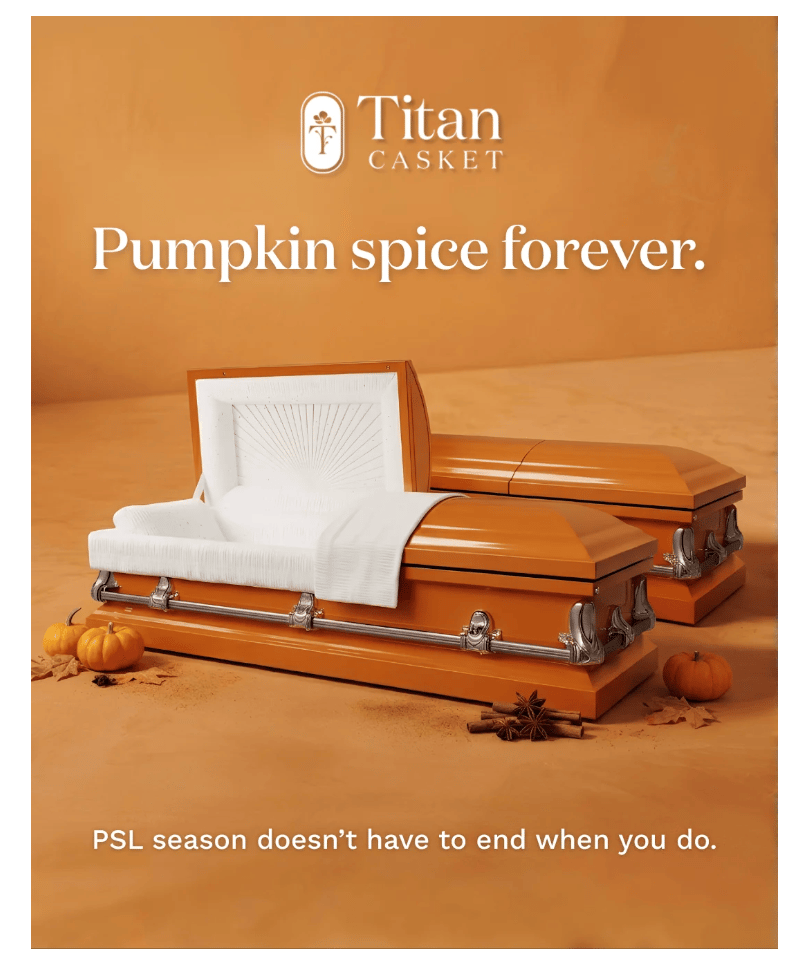
The Stench of Death Has Nutmeg.
We’re no strangers to Titan Casket’s marketing shenanigans (listen to our convo with the co-founders here), but the brand’s attempt at riding the PSL wave is too good not to share. Priced at $1,599, the new casket has the same brand promise (including free shipping and one-to-one support, natch) but with a color palette suited to show your infinite love for fall.
Under the Influence.
Despite research showing the contrary, a new wave of headlines shows that the youth still, indeed, drink alcohol. The rumblings started in the summer, with outlets reporting that Gen Z drinking rates were comparable to other generations. Highsnobiety’s newest Status Economy research goes a layer deeper, showing that for a specific class of Gen Z (cultural pioneers), hospitality experiences are the most critical way to signal authority and expertise: 88% of this community said alcohol is either part of the experience or “the main character.”
These drinking behaviors are trickling down into category sales results. YouGov found that, among key brands, Johnnie Walker more than doubled its Consideration among Gen Z adults of legal drinking age, rising from 7.5% in Q1 to 20.0% in Q2, which is the largest proportional increase in the rising-brands ranking. This demo is also disrupting the ready-to-drink cocktail space by reaching for pre-made cocktails like Cutwater more often than spiked seltzers, a go-to among Millennials.

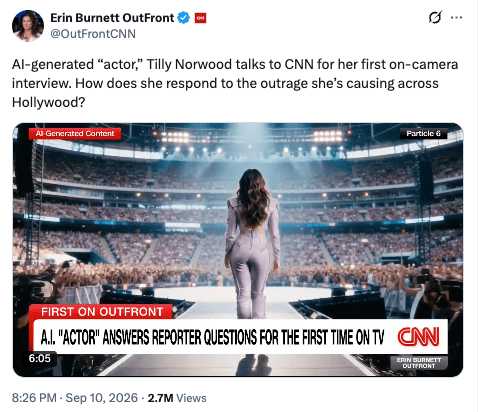
AI Hits the Brakes and the Accelerator.
Within the same week, the people who built AI begged for guardrails, and the president called it nonsense. When Anthropic’s Dario Amodei encouraged the entire industry to slow down, everyone seemed to align. Microsoft launched its own code of conduct for future AI models, and OpenAI delayed its IPO. In his usual fashion, Trump took to Truth Social to reject calls for new AI safety regulation, noting that all we need is a strong, smart president. (Our guess is Tilly Norwood would agree.) Leave it to Meta to shut down the discourse altogether and keep doing its own thing. The company released Meta One, a new subscription tier valued at $499/month that includes, you guessed it, more AI. FWIW, Nvidia CEO Jensen Huang had a similar sentiment.
Cameras are the New Search Bar.
Daydream has rolled out an Apple Intelligence integration that lets you upload a photo of a saved outfit to get shoppable dupes from a 3-million-item catalog. According to CEO Julie Bornstein, the screenshot, not the search query, is the ultimate signal of intent. And with the Siri voice layer on top, a picture literally can become a thousand words. This is the new wave of conversational commerce. Amazon is also doubling down on visual search, but through on-demand video. Shop the Scene, the feature that lets you buy what’s on screen mid-show, is now available on more than 8,000 Prime Video titles, up from 1,300. This isn’t livestreaming as we know it; this is true shoppable media.
.jpg)

.svg)
