

of the United Kingdom’s capitol city.
Over the past decade, optimization culture has hijacked our minds and free time. Self-help podcasters have overtaken our feeds with discourse that ties our personal worth to productivity.
Self-proclaimed Girl Bosses have monetized their communities, building events and courses centered on career progression and ways to “balance it all.”
Gen Z is leaning out—and many millennials are following suit.
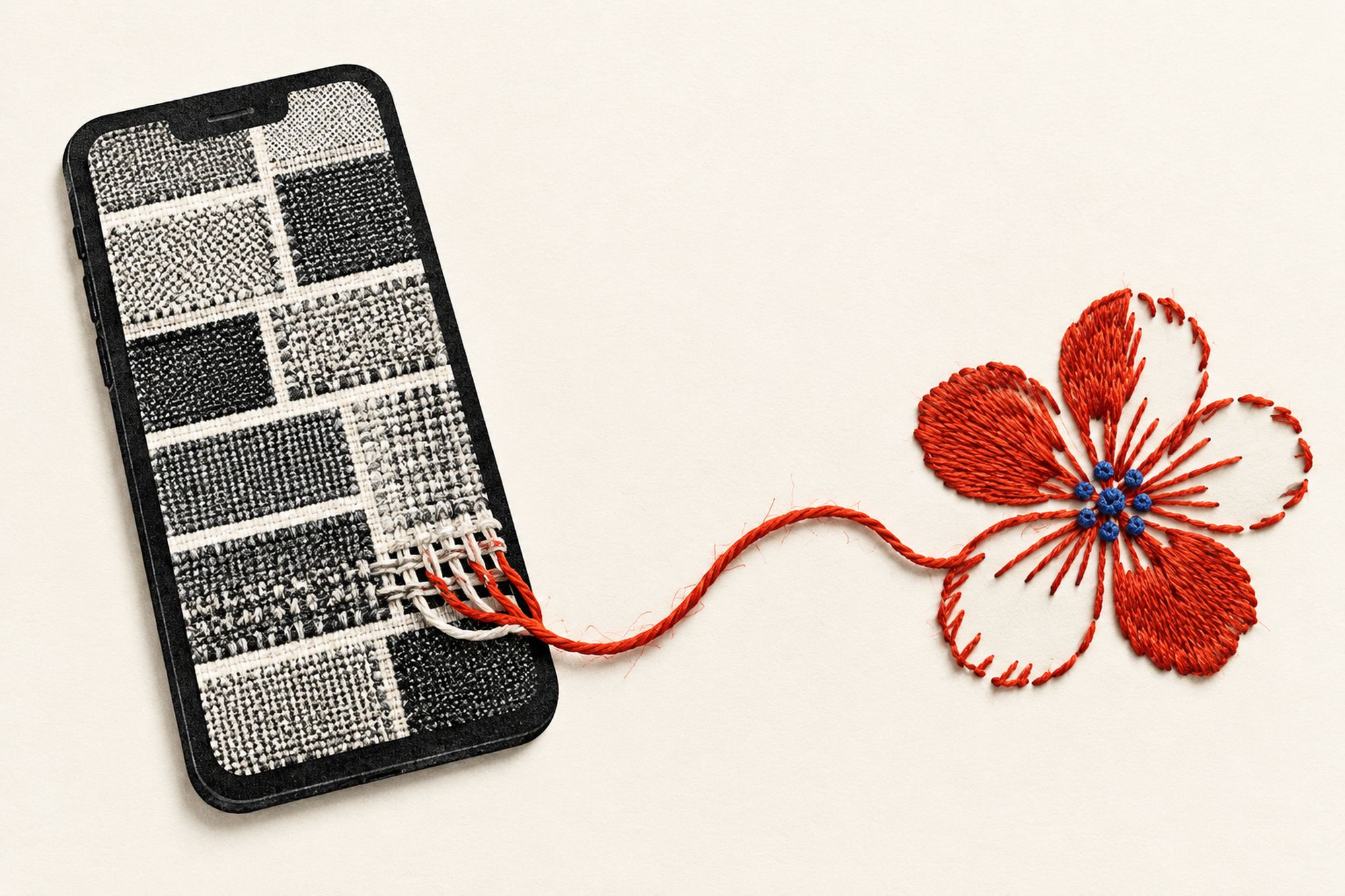
Pinterest data shows the rise of Hobby Culture, which Sydney Stanback, Global Head of Trends and Insights at Pinterest, describes as a natural evolution of Activity Culture, inspiring consumers worldwide to join run clubs, book clubs, and even bowling leagues. “We see people are seeking out these offline, tangible activities on Pinterest and… I think it’s in response to this general burnout we’ve seen rise, especially among Gen Z and Millennials.”
A collective feeling of disgust has emerged from the digital deluge and the pressure to be “always on.” In many ways, it has become a universal force that connects us all, despite our cultural and economic differences. It's a clear evolution of the The New DIY, which we explored in depth back in 2020, and it's a reason why "brain stacking" has become the new hot trend on TikTok.
“It’s something we can all relate to; that sense of being constantly online, constantly on the go, and epically burned out,” Stanback said. Consumers are now using the very platforms that indoctrinated them into being chronically online to find a new “sense of joy and creativity.”
The hobby and craft market is projected to reach $92 billion by 2035, growing at a compound annual rate of 5.61%.
- Precision Reports
This cultural shift gives Pinterest a distinct advantage because its rich data helps contextualize how consumers research and invest in new hobbies. Every action, whether it’s a pin, a share, or a collage, signals intent. And in its latest round of data collection, Pinterest saw new hobby niches and personas emerge that align with specific product categories and brand ecosystems.
This is the Hobby Economy. And it’s not just driving ideation and inspiration; it’s driving sales.
The Price of Participation
Resparked analyzed Glimpse Google Trends for ten selected craft terms and found that hobby search terms like “sewing” (+20%), “needlepoint” (+116%), and even “woodworking” (+14%) saw a substantial year-over-year surge in interest. Yelp saw this interest translating to local activity, noting growing search volumes for needlepoint shops (+173%), crocheting classes (+220%), and weaving classes (+36%).
Consumers may want to spend on these hobbies, but they can be expensive. Bank of America card data revealed that hobby spending has increased about 7.9%, but transactions have grown only 3.4%. This contrasts sharply with 2023, when hobby spending fell nearly 4% while transactions rose 1%.
But there are clear demographic distinctions. BoA noted that Millennials spent the most on hobbies overall, likely as an investment to spend time with their children. A Harris Poll also found that among Millennials who’d invested in play over the past year, 78% spent $100 or more. Conversely, Younger Millennials and Gen Z are spending more on less expensive hobbies like arts, crafts, and board games. Crafts like junk journaling, for instance, use pre-owned items as their source material, which makes one’s “trash” an artistic treasure.
This is an important nuance, especially as we analyze new Pinterest user data on how the Hobby Economy is evolving. More than half of that audience is Gen Z and many of the most popular hobbies center on repurposing existing materials and more cost-effective crafts and media formats.
Handmade Hacker features a vast range of niche projects, including tracking journals (+1,264%), birthday magazine templates (+1,713%), and DIY photo album books (+306%). Casual Crafter represents the more budget-friendly entries to hobbies and crafting, such as “clay bag charms” (+1,499%), “hand embroidery art” (+1,351%), and “hot glue embroidery” (+534%). Analog may be touted as the “big thing,” but some consumers want to repurpose and reimagine technology to better express their personal identities. As an official “hobby trend,” Cyberdecks & Tech Makeovers shows that “cyberdeck” (+1,410%), “bedazzle headphones” (+1,233%), and “terminal aesthetic” (+559%) are piquing interest on the platform.
We’re already seeing these trends show up on eCommerce sites and store shelves. Michaels is redesigning its stores to include “Experience Bars” for personalized crafts, and more community-focused events. The bet is that these new hobbyists will need a space to find their materials, and that the Michaels experience will be easy, accessible, and enjoyable enough to stand out.
New Modes of Spiritual Connection
An overarching narrative in Pinterest’s Hobbies Trend Report is that consumers are no longer subscribing to the religion of big tech. Instead, they’re seeking fulfillment through grounding pauses, personal reflections, and deep observations.
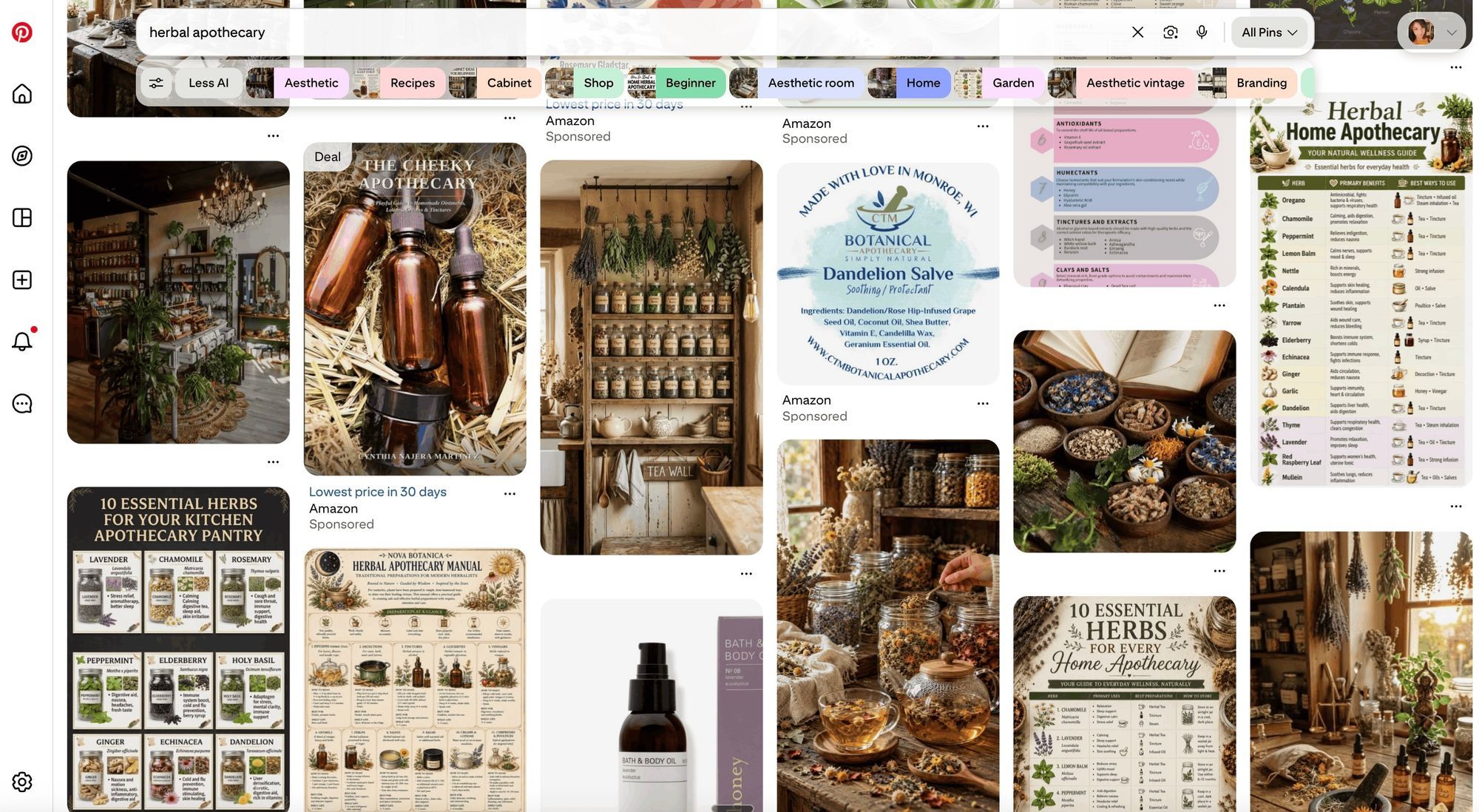
Kitchen Witch represents consumers turning time in the kitchen into moments of personal reflection and connection. Associated search trends like “herbal apothecary” (+595%) and “candle making tutorial” (+118%) show how some are turning interests into valuable skills. Backyard Botanist shows how consumers are taking “touching grass” literally by embracing flower pressing (+457%) and “nature meditation” (+146%). Cosmic Reset reflects how consumers are seeking enlightenment from the great beyond by exploring crystals (+606%), tarot cards (+558%), and astrology (+733%).
“The spiritual nature of some of these hobbies is very fascinating,” Stanback said. “Cosmic Reset landed with me as an astrology girly, and one of the most powerful things about that trend is that it’s a way to learn more about yourself.”
Other trends reflect how consumers are trying to connect deeper emotional and spiritual understanding with tangible action. For example, astrophotography is the practice of photographing celestial objects and the night sky. To get into astrophotography, you need to live in or travel to areas with low light pollution and specific weather patterns. “Even if the motivation is very spiritual, a lot of the sentiment is tied to finding a sense of self,” Stanback explained. “I think brands have a role to play in that.”
Everything Old is New Again
While the commercial ties to some hobbies feel abstract, others clearly relate to purchase behaviors. Secondhand Sidequest shows thrift shopping becoming more tangible, with consumers hunting for quality pieces to repurpose, reimagine, and build their fashion archives.
Stanback broke it down simply: thrifting is a creative practice. “It’s the thrill of the hunt and finding something that feels true to you,” she said. Anecdotally, Stanback shared that she’s personally going to more vintage markets and thrift stores, and that vendors say business has “exploded” because people are seeking fashions from different eras and making them their own.
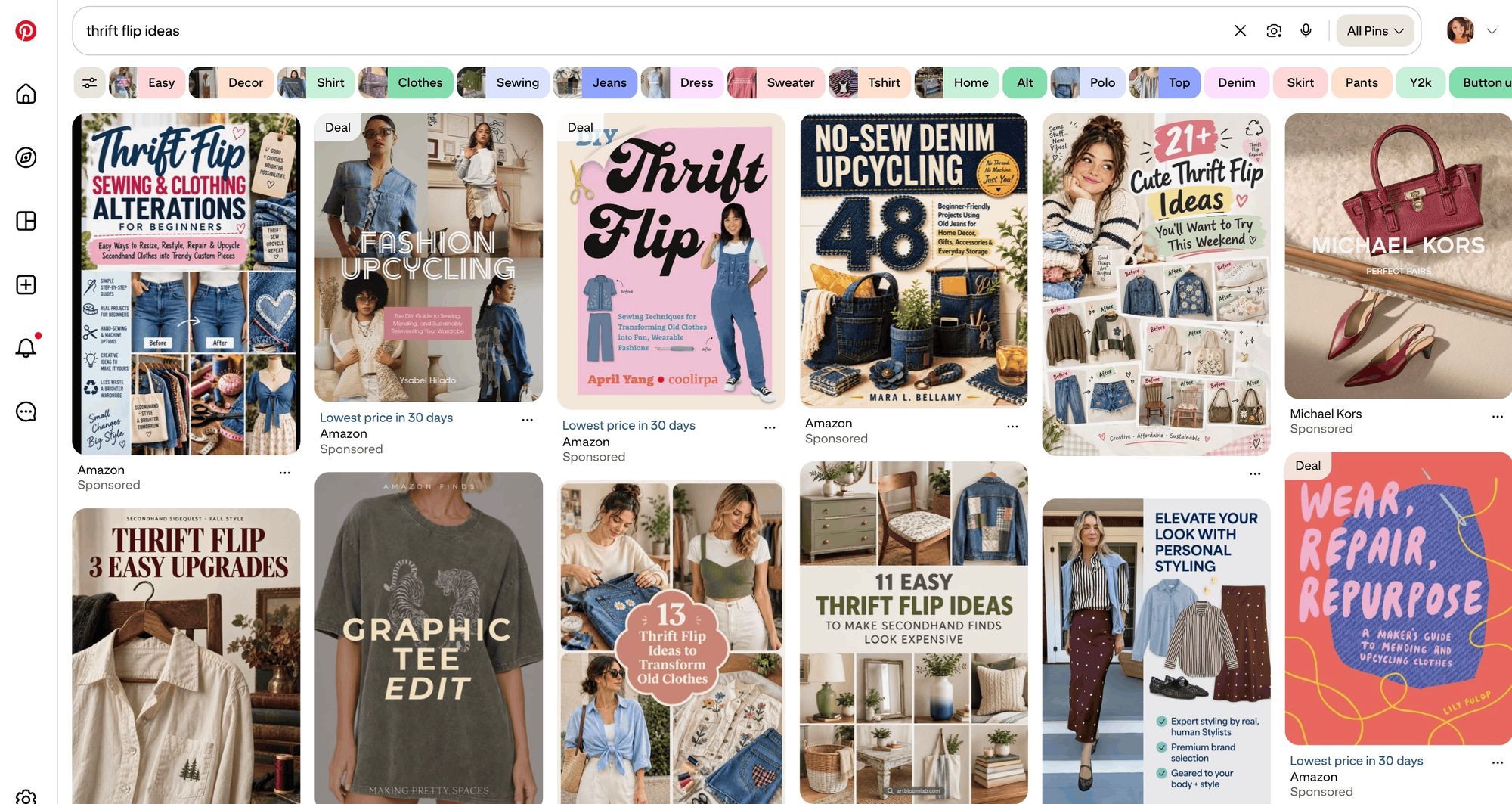
DIY searches like “thrift flip ideas” (+610%) and “repair aesthetic” (+167%) point to specific techniques, such as sashiko and visible mending, crochet upcycles, and patchwork leather add-ons, that make thrifted finds truly unique and reflective of a consumer’s taste.
“This trend is speaking to that conversation around personal style and finding,” Stanback explained. “I think specifically younger generations are trying to seek out things that seem unique to them; something no one else has. We’ve seen that pursuit for uniqueness over the past couple of years, and we’ve even seen it emerge in our Predicts Report through trends like Glamoratti, which is all about ‘80s power dressing.”
Collectively, these trends are a “direct response to that sea of sameness we’ve seen over the past few years,” Stanback said. And it’s not just showing up in our closets; it’s spreading into all areas of our homes. Curated Clutter shows consumers blending upcycling, hand-crafted decor, and even novelty items to express their identity through home aesthetics. Trinket shelf ideas (+852%) show a desire to mix, match, and curate items that suit a vibe or aesthetic. While some items may already be in consumers’ home archive, they also offer a blueprint for future purchase—secondhand or otherwise.
“Collecting is evolving into style identity statements,” Stanback explained. “Curated micro-collections that are very intentionally arranged, but easy to rotate and refresh.” This trend includes intentional upcycling—“upcycle Pokémon cards” (+570%), “framed recipe cards” (+191%), and “DVD collection display” (+41%) were among the media expressions that saw a surge—but it also includes rotating these items throughout the home to create something “uniquely your own.”
Creating with Intention
Many consumers use crafting and analog hobbies to quietly rebel against the algorithms that once trained them to consume. This may seem ironic, even contradictory, but Stanback noted that the numbers hide a more nuanced picture.
“It’s all about having personal touches and showing people you care not just about yourself, but about them,” she said. “It goes beyond crafting for the sake of crafting. This has a bit more meaning to it because people are trying to show ways they care, in big or small ways.”
Over the past decade, optimization culture has hijacked our minds and free time. Self-help podcasters have overtaken our feeds with discourse that ties our personal worth to productivity.
Self-proclaimed Girl Bosses have monetized their communities, building events and courses centered on career progression and ways to “balance it all.”
Gen Z is leaning out—and many millennials are following suit.
Pinterest data shows the rise of Hobby Culture, which Sydney Stanback, Global Head of Trends and Insights at Pinterest, describes as a natural evolution of Activity Culture, inspiring consumers worldwide to join run clubs, book clubs, and even bowling leagues. “We see people are seeking out these offline, tangible activities on Pinterest and… I think it’s in response to this general burnout we’ve seen rise, especially among Gen Z and Millennials.”
A collective feeling of disgust has emerged from the digital deluge and the pressure to be “always on.” In many ways, it has become a universal force that connects us all, despite our cultural and economic differences. It's a clear evolution of the The New DIY, which we explored in depth back in 2020, and it's a reason why "brain stacking" has become the new hot trend on TikTok.
“It’s something we can all relate to; that sense of being constantly online, constantly on the go, and epically burned out,” Stanback said. Consumers are now using the very platforms that indoctrinated them into being chronically online to find a new “sense of joy and creativity.”
The hobby and craft market is projected to reach $92 billion by 2035, growing at a compound annual rate of 5.61%.
- Precision Reports
This cultural shift gives Pinterest a distinct advantage because its rich data helps contextualize how consumers research and invest in new hobbies. Every action, whether it’s a pin, a share, or a collage, signals intent. And in its latest round of data collection, Pinterest saw new hobby niches and personas emerge that align with specific product categories and brand ecosystems.
This is the Hobby Economy. And it’s not just driving ideation and inspiration; it’s driving sales.
The Price of Participation
Resparked analyzed Glimpse Google Trends for ten selected craft terms and found that hobby search terms like “sewing” (+20%), “needlepoint” (+116%), and even “woodworking” (+14%) saw a substantial year-over-year surge in interest. Yelp saw this interest translating to local activity, noting growing search volumes for needlepoint shops (+173%), crocheting classes (+220%), and weaving classes (+36%).
Consumers may want to spend on these hobbies, but they can be expensive. Bank of America card data revealed that hobby spending has increased about 7.9%, but transactions have grown only 3.4%. This contrasts sharply with 2023, when hobby spending fell nearly 4% while transactions rose 1%.
But there are clear demographic distinctions. BoA noted that Millennials spent the most on hobbies overall, likely as an investment to spend time with their children. A Harris Poll also found that among Millennials who’d invested in play over the past year, 78% spent $100 or more. Conversely, Younger Millennials and Gen Z are spending more on less expensive hobbies like arts, crafts, and board games. Crafts like junk journaling, for instance, use pre-owned items as their source material, which makes one’s “trash” an artistic treasure.
This is an important nuance, especially as we analyze new Pinterest user data on how the Hobby Economy is evolving. More than half of that audience is Gen Z and many of the most popular hobbies center on repurposing existing materials and more cost-effective crafts and media formats.
Handmade Hacker features a vast range of niche projects, including tracking journals (+1,264%), birthday magazine templates (+1,713%), and DIY photo album books (+306%). Casual Crafter represents the more budget-friendly entries to hobbies and crafting, such as “clay bag charms” (+1,499%), “hand embroidery art” (+1,351%), and “hot glue embroidery” (+534%). Analog may be touted as the “big thing,” but some consumers want to repurpose and reimagine technology to better express their personal identities. As an official “hobby trend,” Cyberdecks & Tech Makeovers shows that “cyberdeck” (+1,410%), “bedazzle headphones” (+1,233%), and “terminal aesthetic” (+559%) are piquing interest on the platform.
We’re already seeing these trends show up on eCommerce sites and store shelves. Michaels is redesigning its stores to include “Experience Bars” for personalized crafts, and more community-focused events. The bet is that these new hobbyists will need a space to find their materials, and that the Michaels experience will be easy, accessible, and enjoyable enough to stand out.
New Modes of Spiritual Connection
An overarching narrative in Pinterest’s Hobbies Trend Report is that consumers are no longer subscribing to the religion of big tech. Instead, they’re seeking fulfillment through grounding pauses, personal reflections, and deep observations.
Kitchen Witch represents consumers turning time in the kitchen into moments of personal reflection and connection. Associated search trends like “herbal apothecary” (+595%) and “candle making tutorial” (+118%) show how some are turning interests into valuable skills. Backyard Botanist shows how consumers are taking “touching grass” literally by embracing flower pressing (+457%) and “nature meditation” (+146%). Cosmic Reset reflects how consumers are seeking enlightenment from the great beyond by exploring crystals (+606%), tarot cards (+558%), and astrology (+733%).
“The spiritual nature of some of these hobbies is very fascinating,” Stanback said. “Cosmic Reset landed with me as an astrology girly, and one of the most powerful things about that trend is that it’s a way to learn more about yourself.”
Other trends reflect how consumers are trying to connect deeper emotional and spiritual understanding with tangible action. For example, astrophotography is the practice of photographing celestial objects and the night sky. To get into astrophotography, you need to live in or travel to areas with low light pollution and specific weather patterns. “Even if the motivation is very spiritual, a lot of the sentiment is tied to finding a sense of self,” Stanback explained. “I think brands have a role to play in that.”
Everything Old is New Again
While the commercial ties to some hobbies feel abstract, others clearly relate to purchase behaviors. Secondhand Sidequest shows thrift shopping becoming more tangible, with consumers hunting for quality pieces to repurpose, reimagine, and build their fashion archives.
Stanback broke it down simply: thrifting is a creative practice. “It’s the thrill of the hunt and finding something that feels true to you,” she said. Anecdotally, Stanback shared that she’s personally going to more vintage markets and thrift stores, and that vendors say business has “exploded” because people are seeking fashions from different eras and making them their own.
DIY searches like “thrift flip ideas” (+610%) and “repair aesthetic” (+167%) point to specific techniques, such as sashiko and visible mending, crochet upcycles, and patchwork leather add-ons, that make thrifted finds truly unique and reflective of a consumer’s taste.
“This trend is speaking to that conversation around personal style and finding,” Stanback explained. “I think specifically younger generations are trying to seek out things that seem unique to them; something no one else has. We’ve seen that pursuit for uniqueness over the past couple of years, and we’ve even seen it emerge in our Predicts Report through trends like Glamoratti, which is all about ‘80s power dressing.”
Collectively, these trends are a “direct response to that sea of sameness we’ve seen over the past few years,” Stanback said. And it’s not just showing up in our closets; it’s spreading into all areas of our homes. Curated Clutter shows consumers blending upcycling, hand-crafted decor, and even novelty items to express their identity through home aesthetics. Trinket shelf ideas (+852%) show a desire to mix, match, and curate items that suit a vibe or aesthetic. While some items may already be in consumers’ home archive, they also offer a blueprint for future purchase—secondhand or otherwise.
“Collecting is evolving into style identity statements,” Stanback explained. “Curated micro-collections that are very intentionally arranged, but easy to rotate and refresh.” This trend includes intentional upcycling—“upcycle Pokémon cards” (+570%), “framed recipe cards” (+191%), and “DVD collection display” (+41%) were among the media expressions that saw a surge—but it also includes rotating these items throughout the home to create something “uniquely your own.”
Creating with Intention
Many consumers use crafting and analog hobbies to quietly rebel against the algorithms that once trained them to consume. This may seem ironic, even contradictory, but Stanback noted that the numbers hide a more nuanced picture.
“It’s all about having personal touches and showing people you care not just about yourself, but about them,” she said. “It goes beyond crafting for the sake of crafting. This has a bit more meaning to it because people are trying to show ways they care, in big or small ways.”
Continue Reading...

Insights and futurism for executives in eCom and Retail
Those things we shouldn’t say out loud? We say them on the private feed. Bi-weekly “after dark” podcasts and a members-only newsletter, just for subscribers.
Our research reports combine visionary thinking with data-backed findings from our own advisory panel, made up of leaders at brands you know and trust.
Upskill, cross-skill, and future-proof your teams with Future Commerce Learning, the leading digital eCommerce learning platform, created by professional educators.