



Like a Rhinestone Cabriole

Welcome to Friday, Futurists.
Some of our recent installments have explored how and why consumers seek joy. For some, it’s a specialty latte. For others, it’s a new plushie toy. Either way, we’re all just trying to get through the day.
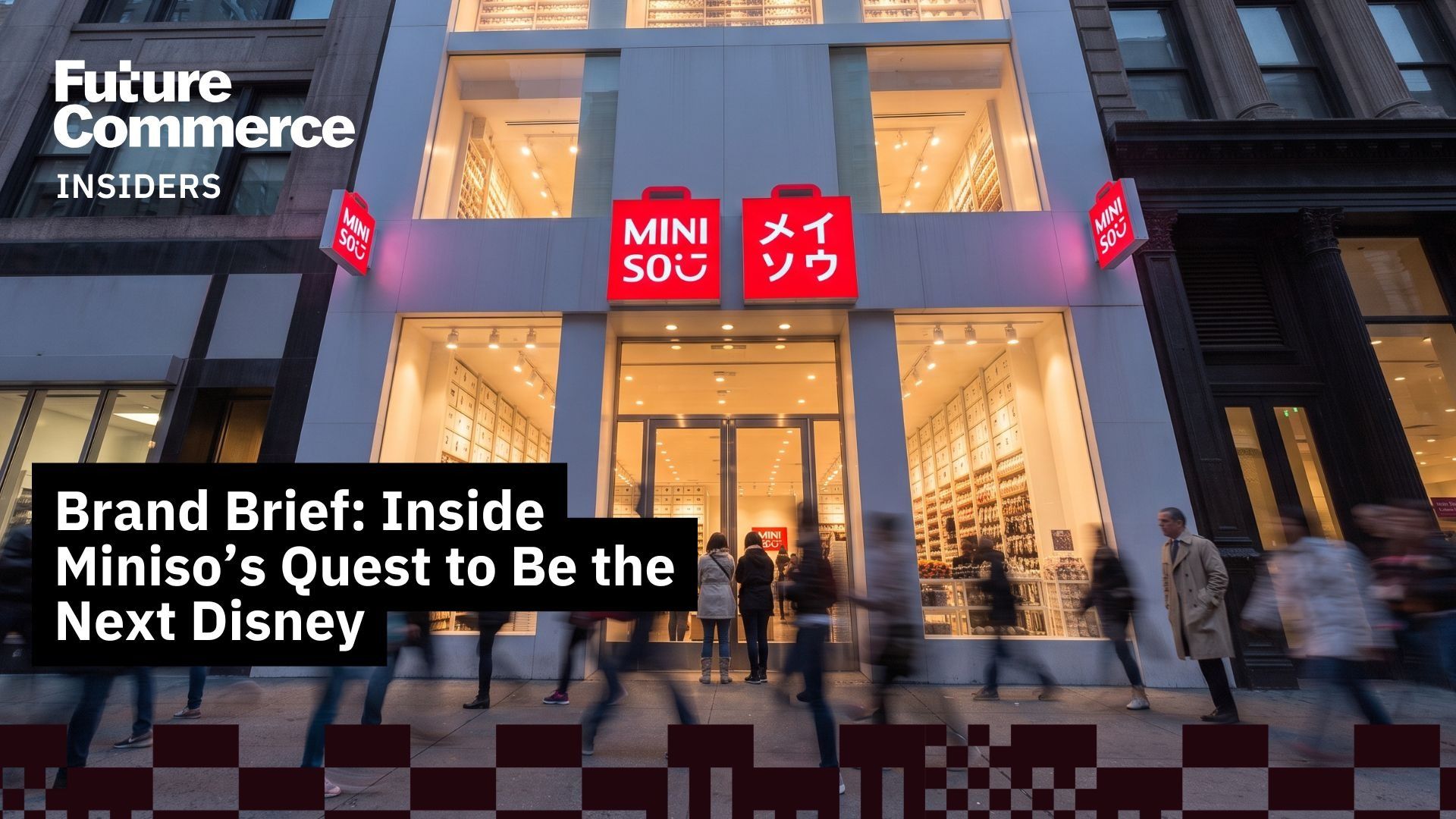
Miniso has turned “Little Treat Culture” into a strategic playbook, and it’s surging dopamine levels worldwide with every surprise box and collectible sold.
But there’s a deeper story: the retailer is going beyond its tried-and-true playbook of leveraging existing IP and is instead building its own IP operating model powered by a global artist network.
Today, Miniso stores are a place for fun (their words). But in the long run, Miniso’s leadership team plans to bring that fun to more doors, more events, and more cultural experiences.


A New Line of Sight.
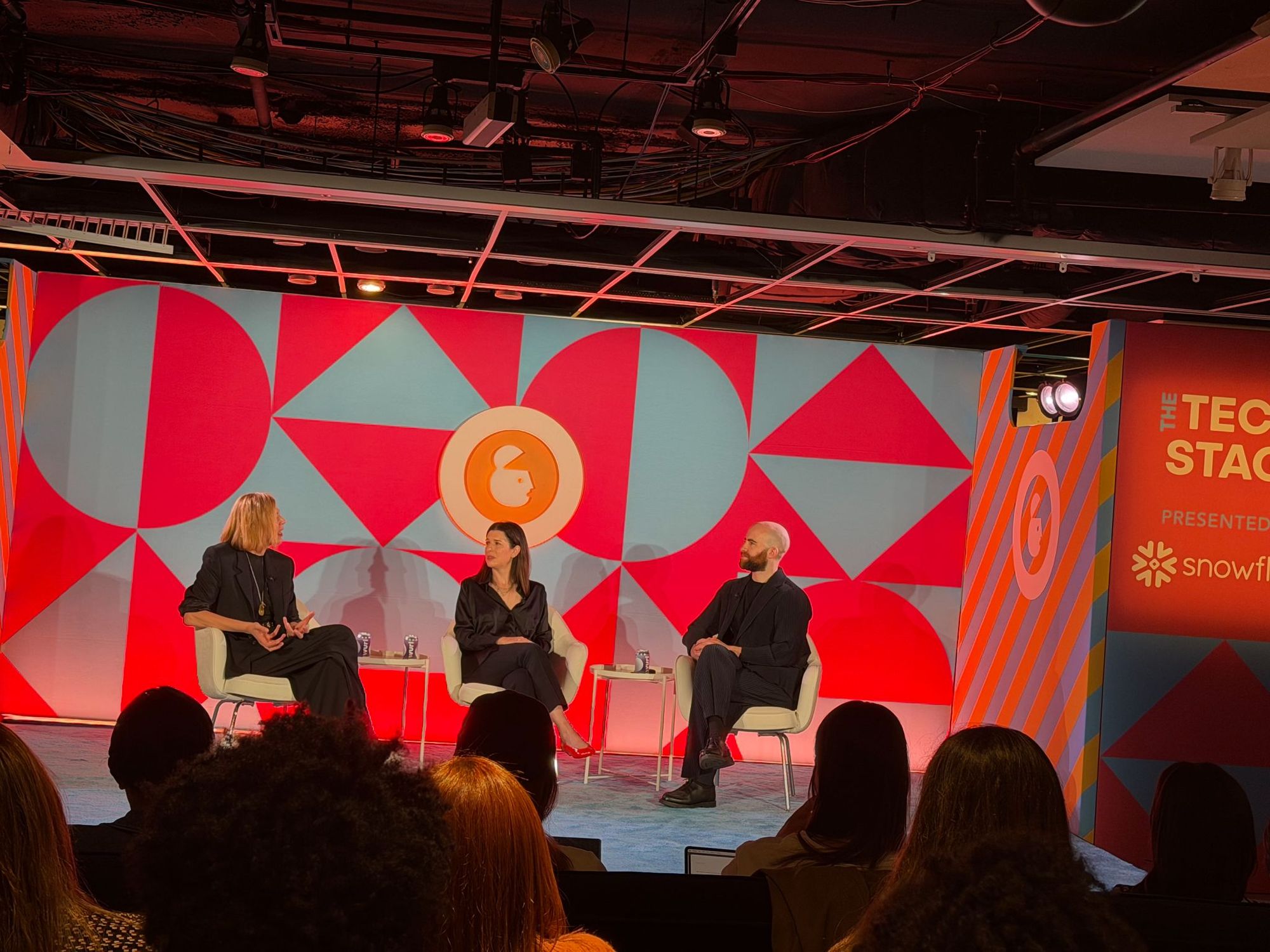
Target has hired a new AI chief to make a clear statement about its next stage as an organization. Chandhu Nair, formerly of Lowe’s, will work to coordinate AI projects and investments across the broader enterprise, but we all know executive appointments don’t always solve problems (just ask Lululemon). That’s why our very own Brian Lange sat down with Target’s SVP of Technology, Brad Thompson, at eTail East to unpack how the retailer is tangibly investing in AI to reimagine the customer journey.
“It used to be that discovery sessions started with a keyword search on the products they were looking for. ‘Organic snacks,’ for example,” Thompson said. “It’s easy to respond to those keyword searches, but now, you’re more likely to see someone describe their problem or their situation, not necessarily the solution that they think they want.”
This shift requires underlying technology that can interact with a retailer’s product catalog and serve the right answers based on business and end user constraints. “Being able to honor those constraints is a very different problem technology-wise,” Thompson explained, “but it presents a huge opportunity to solve a guest problem. It’s an opportunity for the retailer to provide a more contextually relevant recommendation.”
Target started with off-platform projects to meet guests where they were and “co-develop with the premier innovators in the industry,” Thompson said. As a result, the retailer hit major milestones; for instance, it was the first major retailer to build an app inside ChatGPT. Now, Target is attempting to connect those off-site investments to more personalized on-site experiences, especially on the PDPs, that align with a shopper’s initial intent.
Mall Goths and Emo Kids, Rejoice.
Spencer Spirit Holdings is acquiring Hot Topic, turning the parent company of Spirit Halloween and Spencer’s Gifts into a mega-holdco that will include Hot Topic, BoxLunch, and Her Universe. The deal shows that the mall-rat subculture still has cultural draw and enterprise value, especially when bundled under a cohesive vision. With new owners, this may be the perfect opportunity for Hot Topic to return to the aesthetic that so many loyal customers miss.
Elder emos and mall goths are also reeling (and brushing up on their coding skills) over the return of Myspace. Chris and Tim Vanderhook revealed the news in a recent documentary about the platform. The chief criticism from millennials? The announcement post AI-upscaled your default friend, Myspace’s Tom Anderson, into hi-res nostalgiaslop.


Tutus and Rhinestones.
Brands are forging new cultural partnerships to breathe new life into their IP. Athleta has become the Official Athletic Partner of the San Francisco Ballet and is featuring principal dancers Madeline Woo and Nikisha Fogo across all its channels. It’s a strategic move by Athleta to tap into #balletcore aesthetics, which have permeated social media and fashion collections alike. (We can thank/blame Timothée Chalamet for that.) On the other side of the girly-pop spectrum, Betsey Johnson has launched a new collection with Paris Hilton that’s all things sliving: lots of rhinestones, frills, and pink.
Paris Hilton transformed reality TV stardom into an unbelievable commerce ecosystem, making her a model for the creator economy and emerging DTC brands alike. We spoke with her colleague at 11:11 Media to unpack how. And finally, after being spotted on Alo Yoga’s wellness yacht, Kylie Jenner makes her relationship with the brand official.
Heavy Feet and Heavier Pockets
As back-to-school season kicks into gear, so-ugly-they’re-fashionable brands are getting the most attention from young consumers. Birkenstock raised its forecast due to solid sandal demand, while On Holding saw net income jump a staggering 356% last quarter, driven by its DTC business. Despite being the problem child of the group, Wolverine World Wide, which is the parent company of Saucony, Wolverine, and Hush Puppies, also saw revenue increase by about 6.7%.
🔮Three years ago, we flagged bulky and ugly shoes as a cool-kid trend, and that story is still in motion. If you want more data to validate the argument, check out Casey Lewis’ TikTok shoe report.

Literally Unwell.
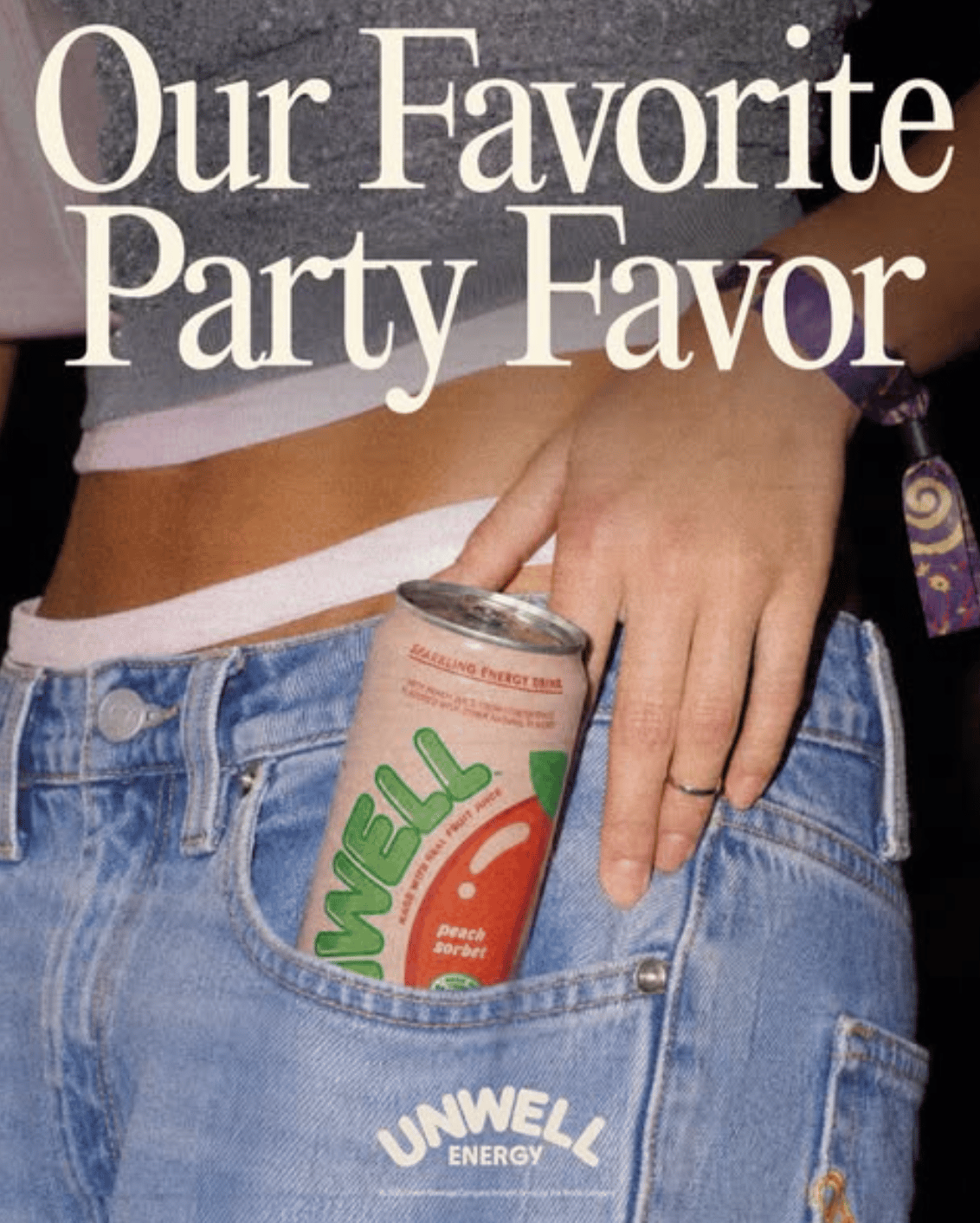
After only two years, Alex Cooper’s beverage business is shutting down. That is, once it rolls out a few final Halloween-themed flavors. But no need to cry for the podcaster, because her media business of the same name has just received some funds from Hollywood agent Patrick Whitesell, valuing the firm at $500M. Shay Mitchell is also taking some money to the bank; Samsonite is buying BÉIS for $178.5M to build out its lifestyle portfolio. This is the fascinating, dynamic nature of the Celebrity Brand Economy, where personality and virality don’t always guarantee success.
The Taste of Victory.
After six years at number three, Burger King has reclaimed its spot as the second-largest burger chain in North America. The former number two, Wendy’s, has suffered an 8.2% sales slump, and new CEO Bob Wright is blaming an inconsistent guest experience. The results come as Reuters reports former chairman Nelson Peltz has plans to take the company private. And cyclosporiasis outbreak be damned, Cava has posted 9.7% same-store sales growth and 5.3% traffic growth while Sweetgreen continues to struggle. Goes to show that focusing on value can even save the slop-bowl economy.

Are We Actually a Livestream Nation Now?
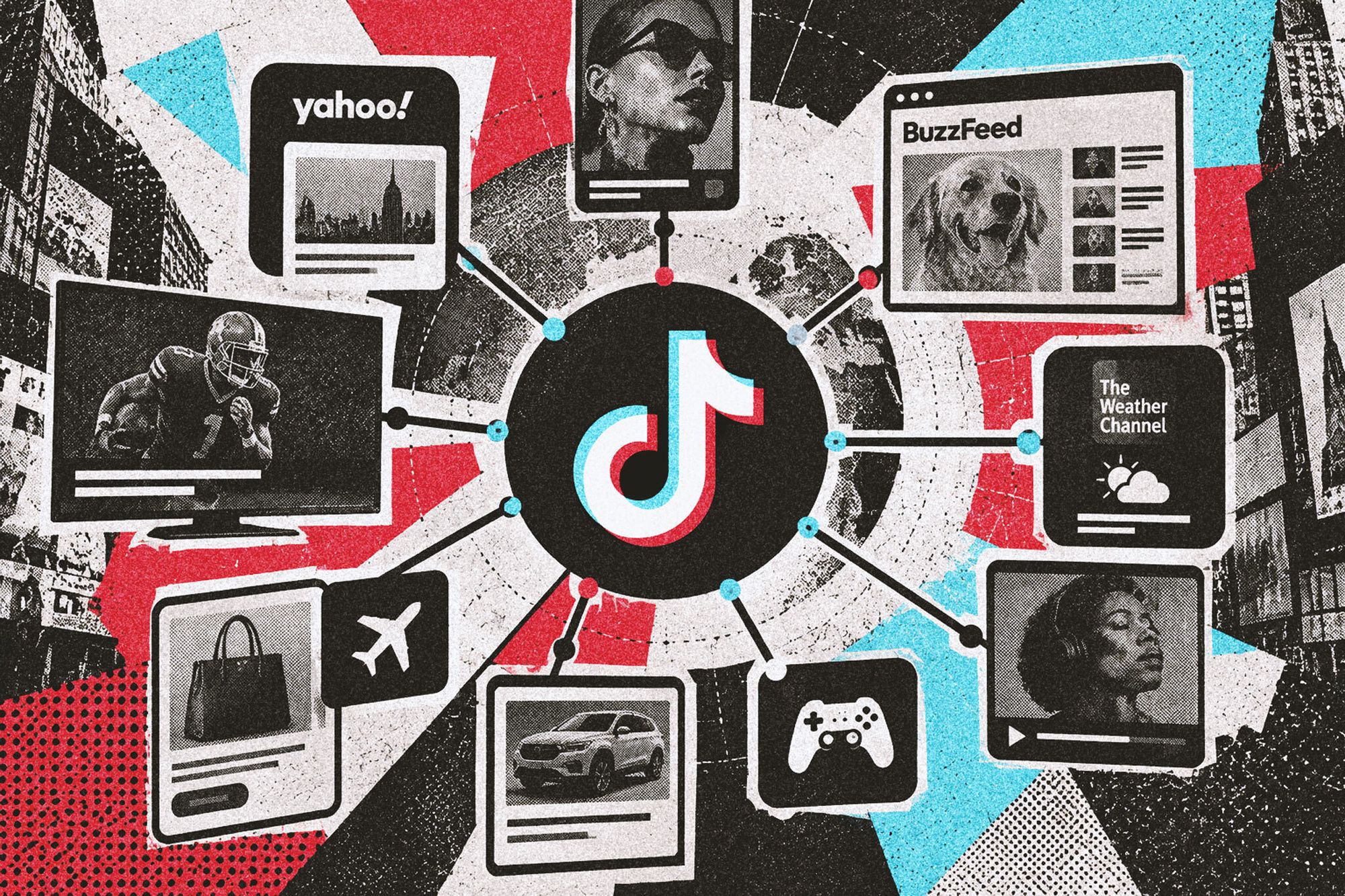
TikTok Shop’s H1 2026 numbers dropped earlier this week, and its GMV has officially hit $50.3B. The US is now its top market and, despite industry discourse, its largest shopper demographic is Millennials, not Gen Z. Days later, Whatnot reached a $20B valuation—double last year’s—after another $545M cash injection. The company has captured a 60% share of the $22B live-commerce market as QVC attempts to transform its business post-bankruptcy. Guess those live-shopping addictions are coming in handy.
🔮We sat down with CRO Armand Wilson during a recent episode of the podcast to explore WhatNot’s unique position in the live-shopping market and why the company continues to prioritize niche collectors. You can listen to it here.
It’s All B2B to Me.
We’ve talked about the lines blurring between B2B and B2C, but new Demandbase data is crystallizing the trend. The research found that monthly ChatGPT-referred visits increased from 645,000 in June 2025 to 2.6M in June 2026. That 303% increase was driven by a sharp inflection in May 2026, when volume more than doubled. ChatGPT is the primary platform for B2B buyers. Usage has continued to grow there, while Claude has remained flat and Gemini has fallen. Shopify is likely receiving some of that traffic. The GMV of its B2B business increased 76% year over year.

.svg)
