Even Rory Sutherland Couldn’t Predict the Tesla Diner

Welcome to Friday, futurists.
In a world increasingly obsessed with precision, Rory Sutherland makes a passionate, and at times hilarious, argument for embracing the chaos of the “Fat Tail.”
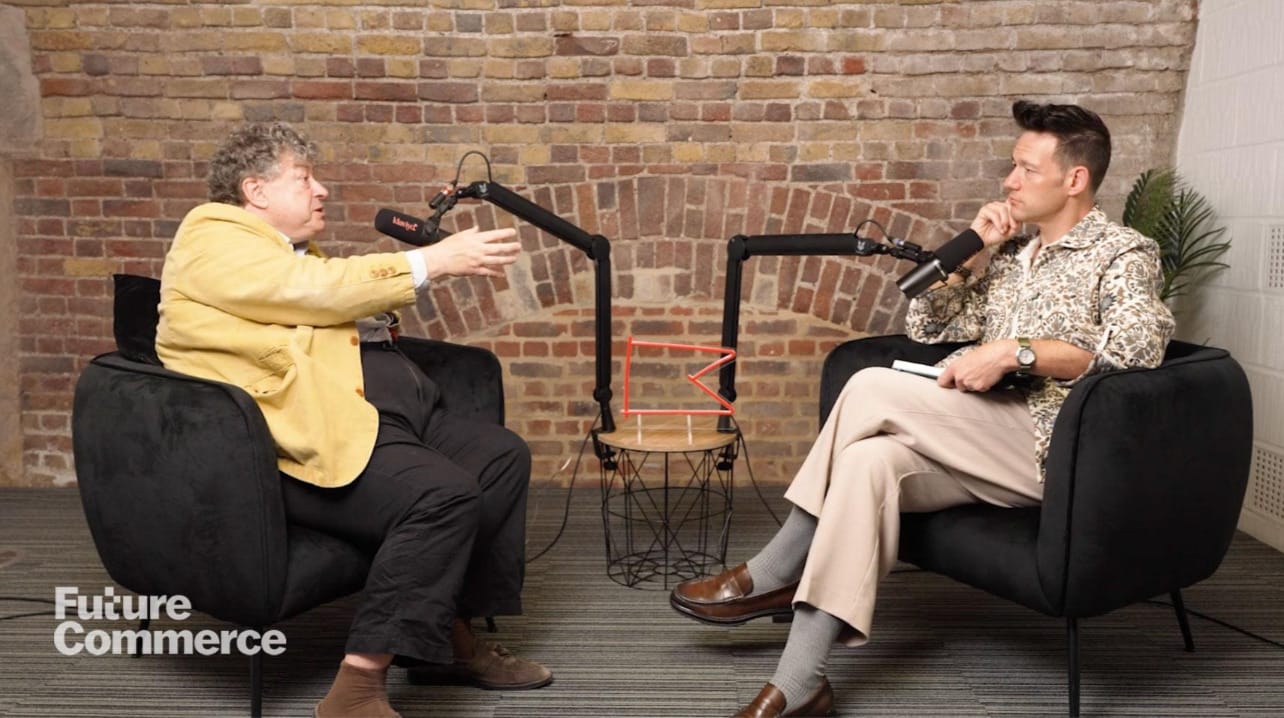
The Ogilvy icon and poet of persuasion sat down with me at Klaviyo’s K:LDN event to discuss “fat tails,” marketing as probabilistic R&D, and how interface design shapes not just experience but autonomy. (He also happened to do so while ripping a fat vape.)
During our conversation, Rory challenged the marketing industry’s addiction to attribution and our blind trust in AI as an oracle.
What if value isn’t always linear?
What if the biggest breakthroughs don’t necessarily fit neatly into a spreadsheet or prove immediate impact?
And what if creativity, not optimization, is the last unfair advantage?
This is far more than a philosophical conversation with an industry legend. It’s a call to action for brands to reclaim the weird, the wonderful, and the deeply human.
And not to toot my own horn, he also said it was the best interview he’s ever had. Listen to the full episode to find out why.
— Phillip

The Summer of Sweeney.
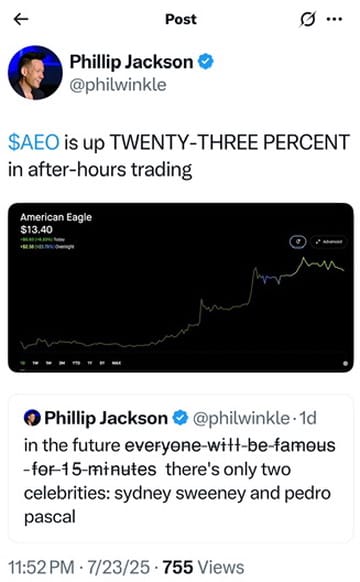
It seems we can’t go a full workweek without sharing news on a new brand campaign featuring Sydney Sweeney, because now she’s locking arms with American Eagle. "Sydney Sweeney Has Great Jeans" is AEO’s most robust celeb partnership to date, anchored by star power, high-tech activations, out‑of‑home advertising, and shoppable “As Seen on Sydney” content across platforms. Sweeney will also have her own custom denim drop (The Sydney Jean) just as consumers are ramping up their back-to-school shopping.
CMO Craig Brommers called this campaign a defining cultural moment and “potentially one of the biggest gets in American Eagle history.” (The brand has previously partnered with athlete Coco Gauff and actress Jenna Ortega.) Apparently, that’s when a bunch of other brands are using the same star. And while we’re not ones to blur the line between correlation and causation, AEO stockholders appeared to reap the benefits of the news.
Booth to Boot Pipeline.
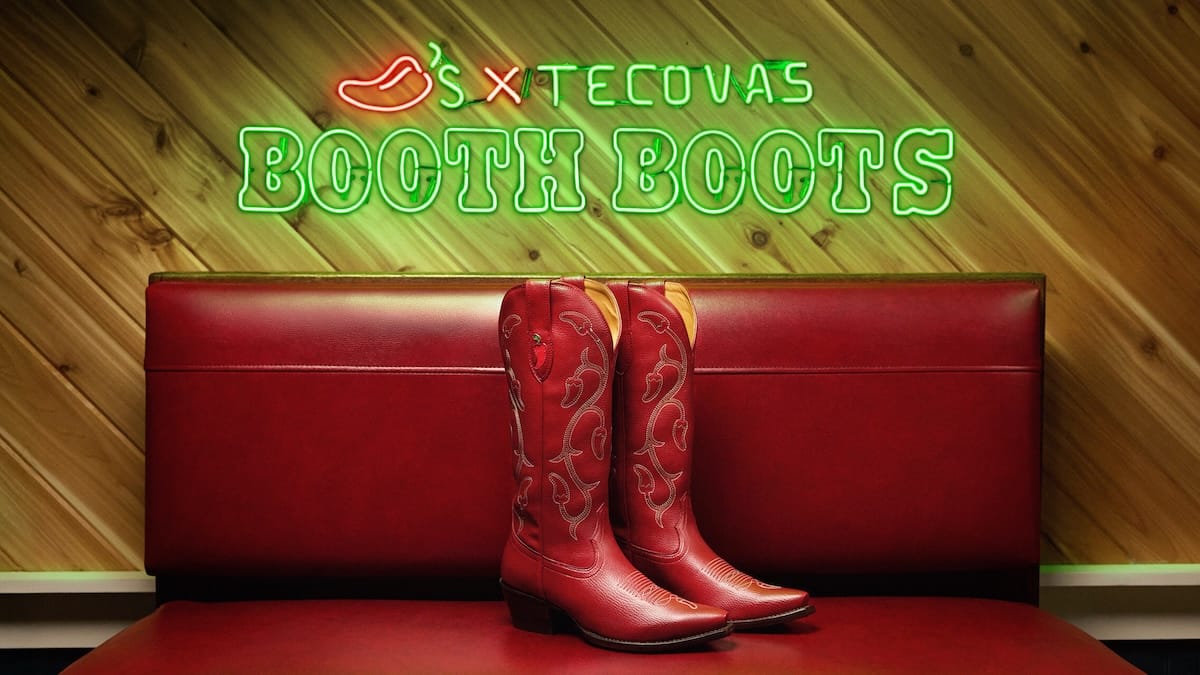
Chili’s and Tecovas have teamed up to turn the restaurant’s iconic red vinyl booths into handcrafted cowboy boots and belts, retailing for $345 and $75, respectively. The limited-edition drop, available July 29 on Tecovas.com, reimagines a symbol of casual dining as fashion-forward fan merch, complete with chili pepper stitching and Texas flair.
This isn’t just kitsch for kitsch’s sake. It taps into a broader trend where food becomes fashion and brand affinity becomes wardrobe. From Poppi’s limited merch capsule at Target to McDonald’s Grimace Crocs, Taco Bell’s Forever 21 collab, and Hidden Valley Ranch streetwear, brands are transforming edible loyalty into wearable love.
🍹 Bonus: To celebrate the launch, Tecovas stores will serve Chili’s margaritas on August 2, along with surprise IRL activations.

Decor to Dinner.
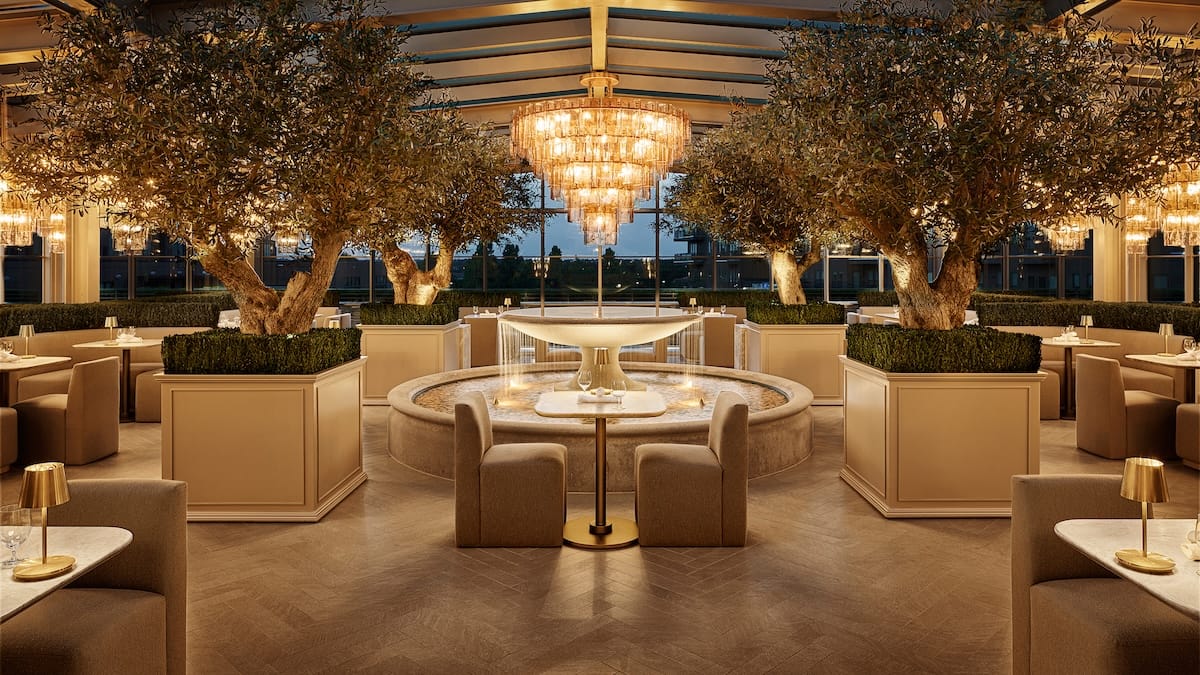
RH has opened its Montreal outpost, The Gallery at Royalmount. The 49,000-square-foot, multi-level flagship features a rooftop restaurant and garden, dramatic architectural elements like a double floating staircase and cascading fountains, and curated installations of RH’s interiors, modern, and outdoor collections. The space also includes a full-service design atelier for private clients.
As RH’s first location in Québec, the gallery reflects the brand’s long-term strategy to redefine physical retail as experiential, sensory, and aspirational. Combining traditional retail with hospitality, design services, and a highly curated, on-brand design under one meticulously lit roof? That’s the new luxury, where the shopping experience is identical to the lifestyle being sold.

Diner Nostalgia, Terminator Style.
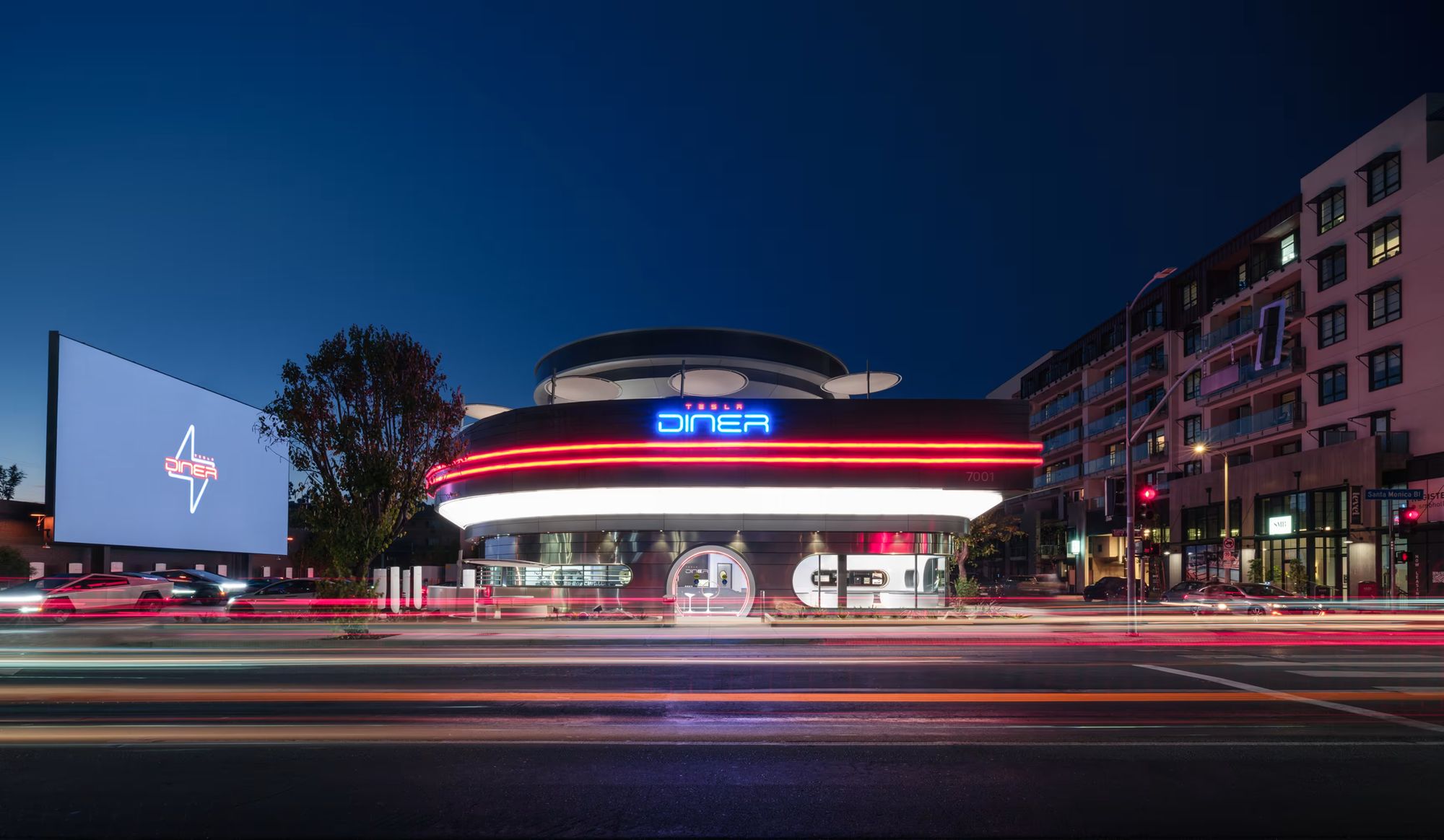
Tesla has opened the doors to its Hollywood diner, an ode to 50s-era American culinary nostalgia and the tech-powered spectacle of its CEO. Through the chrome doors is a cinematic mash-up of EV culture, midcentury kitsch, and Elon Musk fandom, where diners can order burgers in Cybertruck-shaped boxes, have popcorn delivered by Tesla’s Optimus robot, and watch classic films on dual giant LED screens. Visitors can even bring home their very own Tesla Bot Action Figure, complete with miniature fries.
While reviews for the food itself have been fairly positive, the diner is so much more than a restaurant or even a PR stunt: it’s a media format. Within days, the location has become a meme factory and culture war battleground, with Yelp reviewers bombing the listing and Angelenos debating whether it’s “surreal fun” or “a monument to Musk’s ego” on Reddit. With a brand as culturally charged as its leadership, even acts of protest can fuel the marketing playbook.
Gen Z Makes Nescafé Chill Out.
Nescafé is reengineering its product development strategy just for Gen Z, shifting from traditional hot mugs of coffee to iced, wellness-inspired caffeine concoctions. Its new Espresso Concentrate lets young consumers "hack" their drink by adding milk, lemonade, or even soda to turn their brew into more elevated beverages.
Coffee now outpaces alcohol among younger consumers in both frequency and cultural relevance. Gen Z consumes approximately 20% less alcohol per capita, and nearly half of legal-aged Zoomers decided to abstain from drinking alcohol in 2023. Conversely, specialty coffee consumption among 25 to 39‑year‑olds hit a 14‑year high this year.
For Nescafé, the opportunity is clear: position coffee as part of the new “social experience” that blends wellness, flavor, and ritual. (And without the hangover.)

The Copyright Cage Match.
President Trump unveiled a sweeping AI Action Plan this week at a summit hosted by the All-In Podcast, doubling down on deregulation, anti-woke sentiment, and a controversial take on copyright: AI companies shouldn’t have to pay to train on copyrighted material.
“You can’t be expected to have a successful AI program when every single article, book, or anything else you’ve read or studied, you’re supposed to pay for,” he said. His stance comes amid Disney’s lawsuit against Midjourney, and CEO Bob Iger’s meeting with the President to talk through the case and his broader concerns about AI.
The AI Action Plan includes more than 90 recommendations aimed at preserving US dominance in the “AI race,” gutting state-led legislation, and awarding contracts only to “ideologically neutral” models. Some in Silicon Valley praised the remarks as pragmatic; for instance, NVIDIA CEO Jensen Huang noted that the plan will give the US an extreme advantage as AI continues to evolve. However, critics say the administration is politicizing innovation while weakening protections for creators.
Walmart’s New AI Brain.
Walmart has recruited one of Instacart’s top execs to bring its AI vision to life. Daniel Danker is leaving his post as the grocery delivery platform’s Chief Product Officer and will take on the role of Walmart’s EVP of AI Acceleration. The move follows Instacart CEO Fidji Simo’s departure for OpenAI earlier this year, signaling a growing talent migration to companies that are rethinking the relationship between AI and commerce.
The day after announcing Danker’s hiring, Walmart unveiled plans for a suite of AI “super agents” meant to reshape how shoppers, employees, suppliers, and developers interact with the retail giant. The first phase is already live: Sparky, a digital assistant integrated into the Walmart app, can recommend products and summarize reviews. Future updates will apparently help handle occasion-based shopping and reorders.
A back-end AI assistant for suppliers, sellers, and advertisers, unironically named Marty, is still in development. With rivals like Amazon pushing ahead with their AI initiatives, and new entrants like OpenAI exploring commerce, the real battleground appears to sit at the intersection of fulfillment, advertising, and digital customer experience.