




FEEL THE QPR 😩


Welcome to Friday, futurists.
We recorded an episode of the FC After Dark this week, the bonus episode where topics too loose for the main feed hide behind the paywall. Somewhere between me paying $6.10 at the pump and Google Antigravity burning twelve dollars to build a fake Android app in Google Chrome, a single takeaway surfaced: the price of everything is going vertical, and the only number left worth trusting is QPR.
Quality-to-price ratio.
I notice it when I choose steak and eggs at breakfast over the omelet; the price difference is just $4 now. Brian, the king of Costco, has been feeling the QPR for years, but now has a chart from A16Z to tout; once you notice it, you can't unsee it.
Our need to close the value gap in QPR is everywhere. It's why Costco reigns as the king of low prices, and frontier models triple their token costs year over year.
It's also why the future of beverage might be a fake-but-believable ten-liter bucket of Cabernet; it's why Wix just shed twenty percent of its staff, with Webflow in tow behind, blaming AI, which is both a deeply 2026 sentence and, in the announcement, the first confirmed sighting of the “million-dollar employee” in the wild.
Google’s Omni model can render a flawless image for pennies now, so, culturally, the only things that appreciate are the ones it can't fake: a beat-to-hell Birkin with a Carhartt patch, for instance, or Prada charging full freight for iron burns.
And then there’s the prediction of “proof of work,” laced with irony, like the Air Jordan Shoeritto.
AI can generate a perfect image. It cannot generate a hangover earned from a vat of Pinot.
Feel the QPR.
— Phillip
P.S. What other examples are you seeing? Reply, and we’ll feature you in the next edition.


Shoppable Content Enters Its AI Era.
Shopsense AI has unveiled its Shoppable Intelligence Model (SIM), an in-house model that helps shoppers more accurately identify apparel, accessories, and even furniture from editorial images and videos published on media outlets. Every training decision, dataset, and benchmark is grounded in real product details and purchase behaviors.
But the caveat is that these purchase behaviors were actually influenced by content, providing the true context publishers and brands need to turn content into conversions. The result is a better understanding of shopper intent, more accurate product recommendations, and higher click-through rates for native retail media campaigns.
As People Inc. Chief eCommerce Officer, Tory Brangham, noted: "The industry has been measuring progress in AI by how well models recognize content. The real benchmark is whether they can monetize it. SIM raises that standard by tying intelligence directly to commerce outcomes, such as intent and conversion.”
Reliable benchmarks indicate that SIM outperforms the standard. Fashion200K and FashionGen, two public fashion datasets used to track progress in retrieval AI, SIM outperforms all open-source baselines across all retrieval modalities: image-to-image, image-to-text, text-to-image, and text-to-text. SIM outperforms OpenAI's CLIP and Google's SigLIP2 by 25-50%, delivering measurably better shopping experiences and stronger revenue outcomes for publishers.
The GDP Goalpost Moves Again.
The US economy is still “growing,” but not as strongly as economists initially thought.
A new report from the Bureau of Economic Analysis reveals that the US economy grew at a 1.6% annualized rate in Q1, down from an estimated 2%. Major contributors to this increase in real gross domestic product (GDP) were exports and investments, with consumer spending trailing in third.
While people are still shopping, they’re more selective and squeezed, which has left total growth in this area at 1.4%. Inflation remains elevated, with the PCE price index (excluding food and energy) sitting at 4.4%.

Irony Kills Retail’s Token Purpose-Driven Brand.
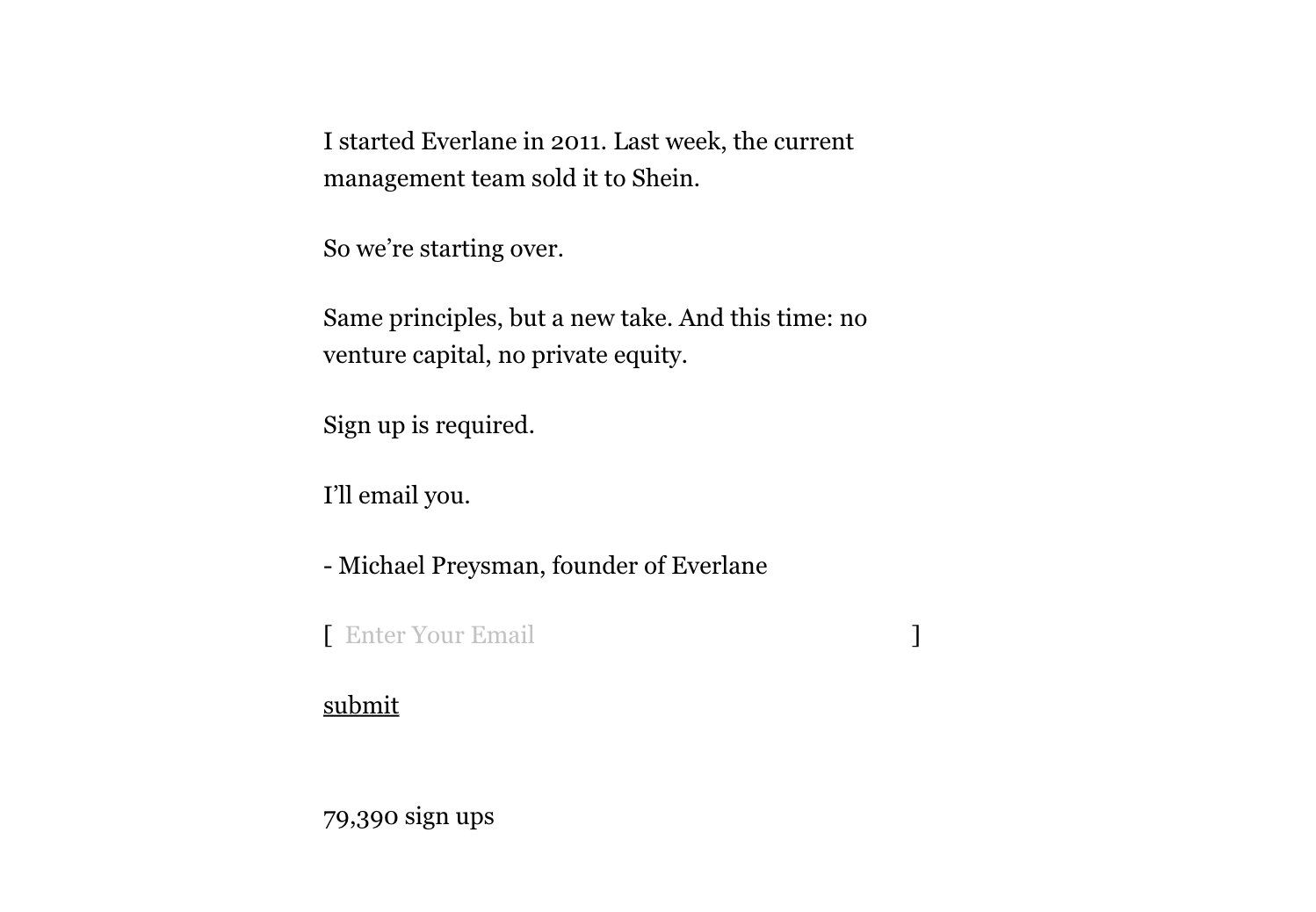
Purpose-driven brands existed long before Everlane, but anyone who covered or shopped with the brand during its peak in the 2010s seemed to collectively stop in their tracks when news of its acquisition broke. It wasn’t so much the acquisition itself—that’s a relatively common outcome, especially for those DTC darlings we all knew and loved—it was who acquired the brand that had us reeling.
Shein, the ultra-fast fashion giant that loves to pretend it’s not, announced its acquisition of Everlane for $100M. (That’s less than a quarter of its peak valuation, in case you’re keeping score.) Therein lies the purpose behind the purchase: Shein wants to use the Everlane brand to build its own clout. More importantly, it wants power by association. If Shein acquired a company with such an intentional and purposeful business model, it can’t be all bad, right? RIGHT?! Likewise, experts argue that Everlane can benefit from Shein's agile operations, as slow supply chains have been a major inhibitor of its growth.
Everlane’s founder and OG CEO, Michael Preysman, took to LinkedIn to reflect on his emotional response to the news and, of course, share a bit about his new venture. Because, in his words, “it’s not over.” While the goal is to stick to the “same principles,” Preysman has vowed that no venture capital or private equity will be involved. We’ll be watching.
The Supply Chain Nerd Joins the Unicorn Club.
Stord, the provider of omnichannel fulfillment and supply chain infrastructure, has received a $250M funding round (Series F) that now values the company at $3B. Guess back-end operations really are the sexiest part of commerce.
LLMs are making brands worry about disintermediation. What we’re actually witnessing is the horseshoe theory in action. Brand has never been less important, as LLMs are introducing consumers to new merchants and products they might not otherwise have known about. However, brand has never been more important, because once consumers enter an eCommerce site via an LLM to make a final decision, merchants need to spotlight their key differentiators. Stord believes the post-purchase experience, from order tracking to unboxing and returns, is the new opportunity to build retention and loyalty.
Autonomation will play a critical role in advancing the post-purchase experience, which is why the company has launched Stord Labs, a dedicated environment for advancing AI, robotics, and operational innovation. Based at the company’s Atlanta headquarters, Stord Labs is where the company will drive “the next generation of physical intelligence,” according to Co-founder and CEO Sean Henry.

Culinary Masochism Hits the Corner Bakery.
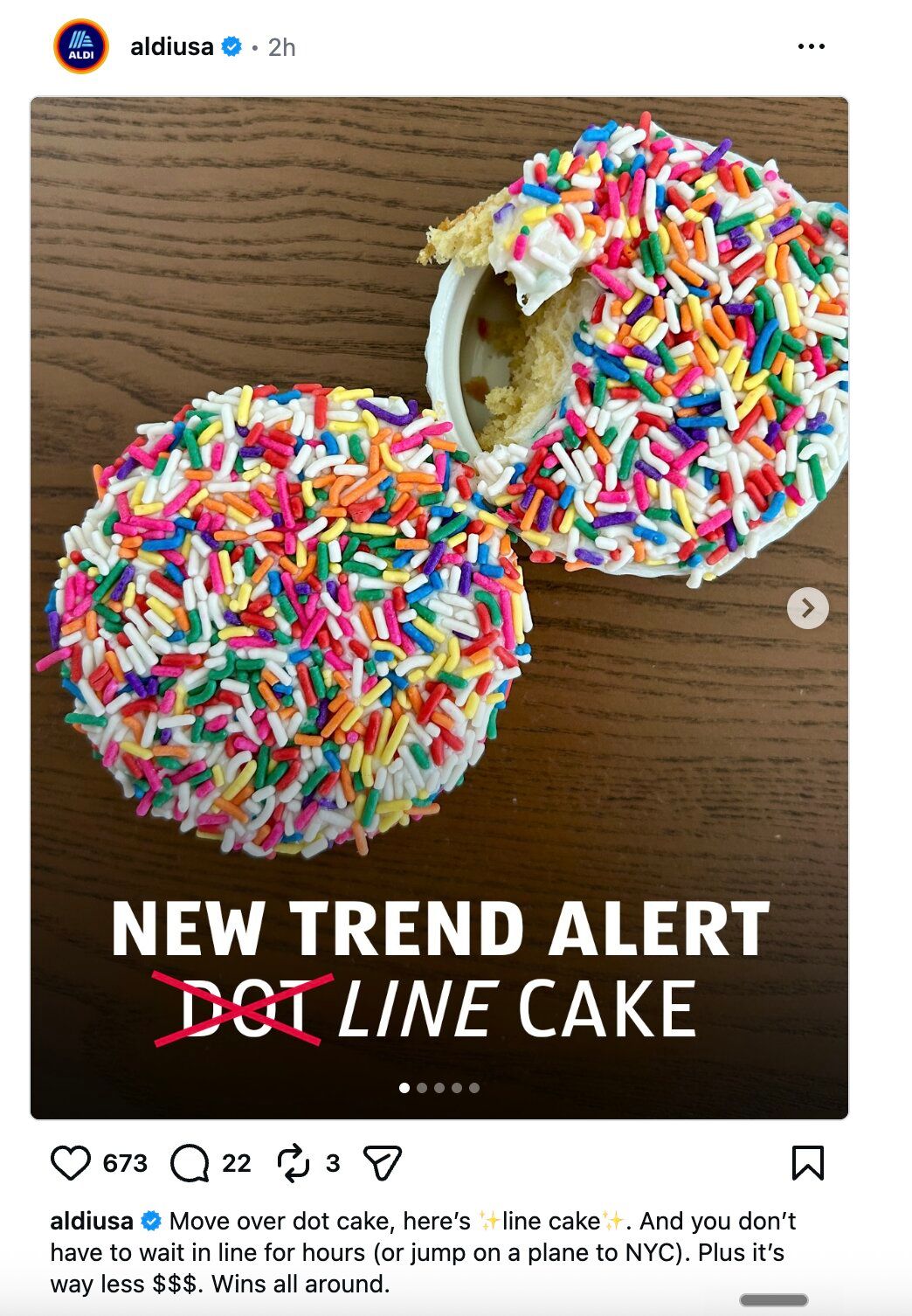
For some of us, food isn’t fuel; it’s pain. Sweet, sweet pain. Dot cakes are the latest social media trend to prove this point, and it’s making one bakery (aptly called The Dot Cakes) go viral in the process. While the Roslyn, NY, bakery is the only exclusive purveyor of the cakes in the NYC metro area, travel sites and influencers are working overtime to uncover bakeries in other cities that offer similar treats.
For some, dot cakes offer the colorful nostalgia that makes us feel a bit less empty while the world is engulfed in flames. It’s why one TikTok recipe video garnered more than 21M views in two days. But for others, they just cause tooth pain, which is why brands like Aldi are trying to sway the discourse in their favor.
Fast Yet Squishy.
McDonald’s is dropping a specialty Happy Meal for the World Cup featuring Squishmallows on June 9. It’s an impressive modge-podge of brands and categories: while the World Cup brings the prestige, McDonald’s brings the mass-market, fast-food appeal, and of course, Squishmallows brings the cutesy kitsch. Is this the ultimate combination for a collab’s success, or is it merely a money grab and desperate plea for cultural relevance?

Remix the Remix.
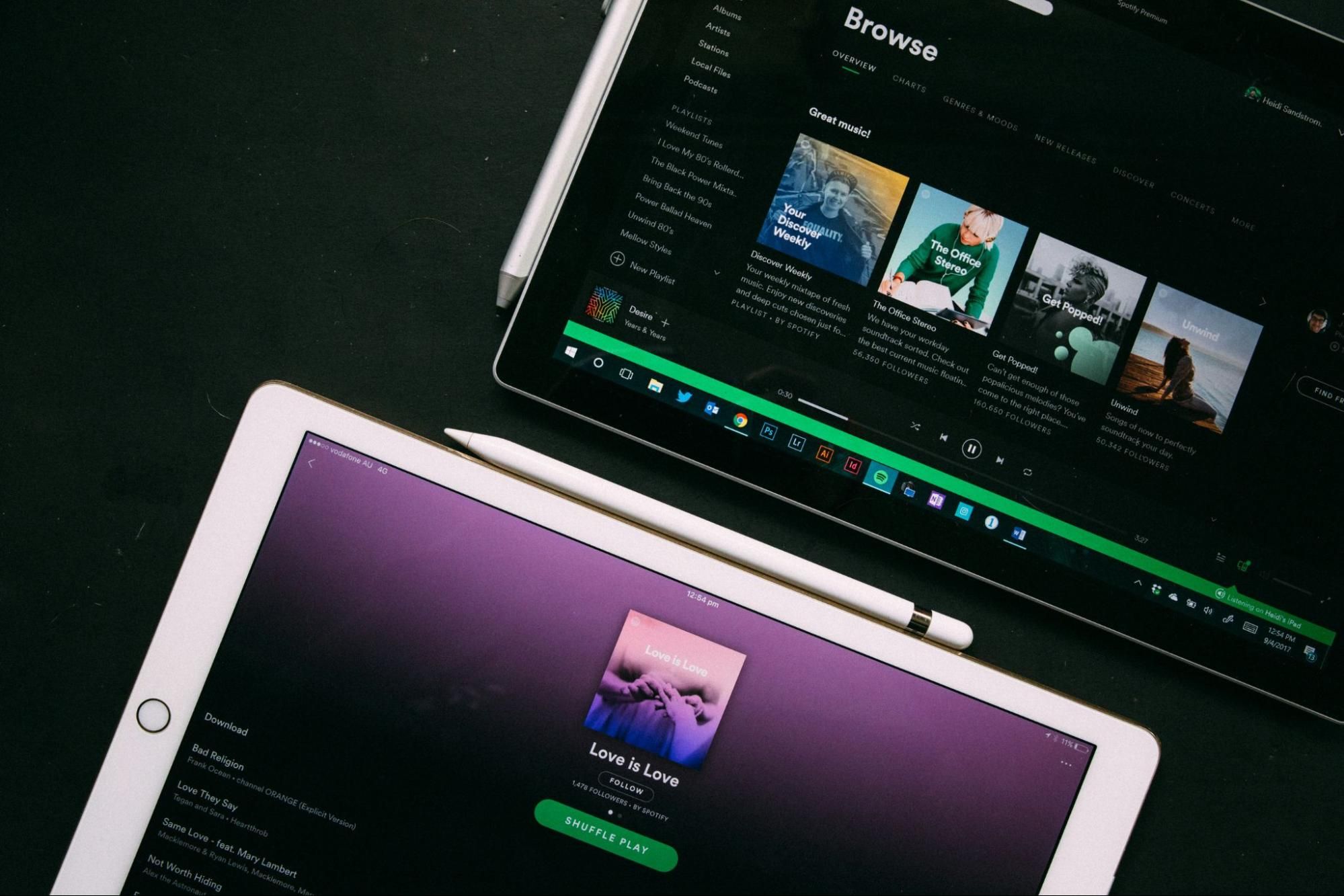
Spotify and Universal Music Group have forged a new licensing agreement that connects to a new tool from the streaming platform. The unnamed tool will allow Spotify users to create covers and remixes of songs by participating UMG artists and songwriters. The goal, at least according to the PR, is to “open additional revenue streams and new ways to drive discovery.” That’s great … or you can just pay artists more?
The Big OMG of WWDC.
Apple is going heavy on AI for its upcoming iOS 27 overhaul. Bloomberg’s Apple Chief Correspondent Mark Gurman shared a first look at the renders, which show a revamped Siri (including a dedicated app) and advanced AI features, such as a “Search or Ask” search bar and Siri integration into the Camera app for object identification. Apple is also exploring ways to open iOS 27 to third-party AI agents installed via the App Store, so users can route queries to their preferred interface. Apple will formally announce iOS 27 during its Worldwide Developers Conference, which will take place June 8-12 in Cupertino, California.

.jpg)

.svg)
