Nike Goes Multiplayer, OpenAI Breaks Advertising, H&M's AI Clone Army

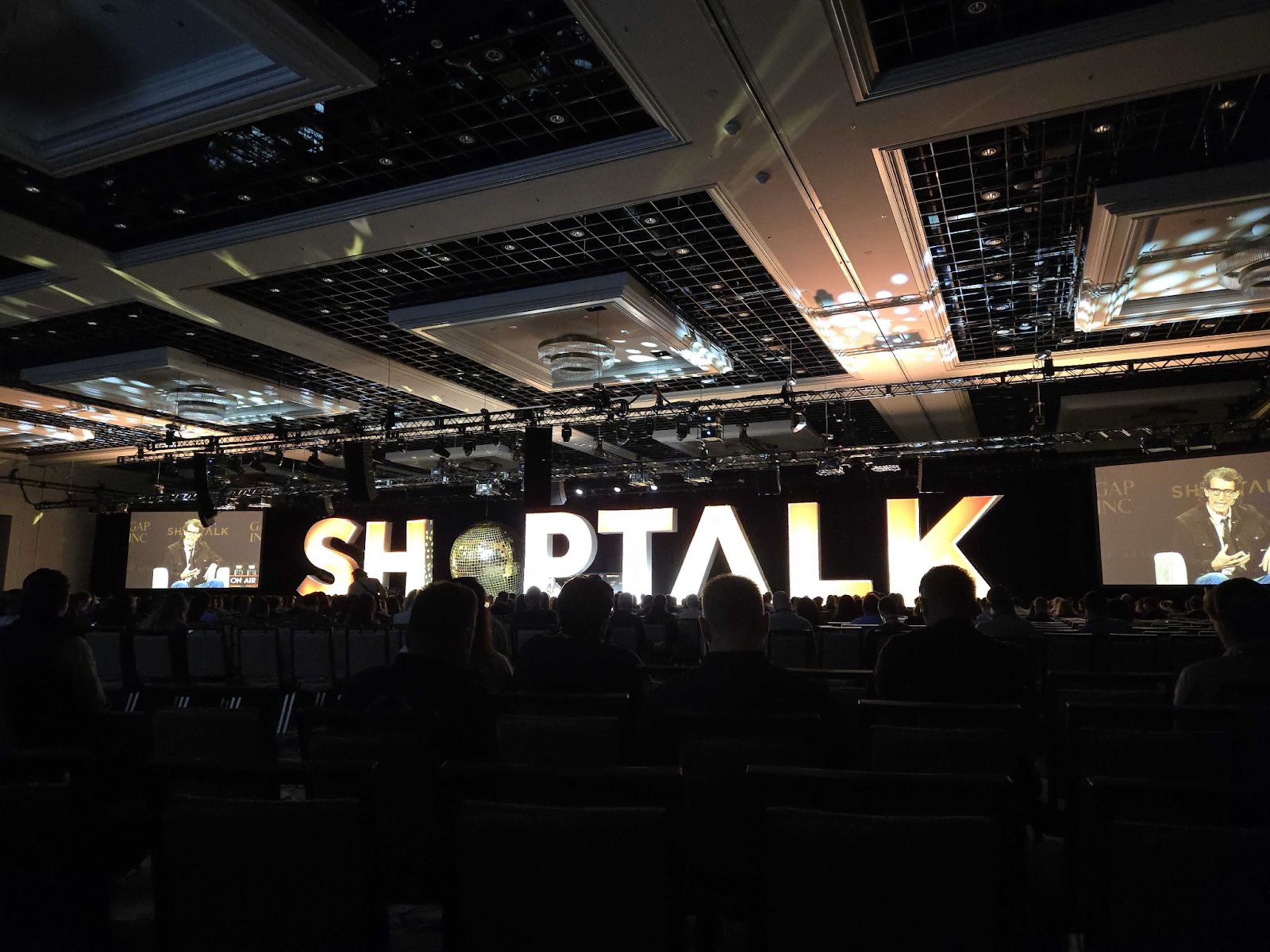
Future Commerce LIVE at the LORE Bookshop Popup at Shoptalk Spring
Welcome to Wednesday, futurists!
We’re writing to you from the LORE bookshop at Shoptalk Spring where we’ve been activating to a vibrant room of retailers and brands.
The content at the show has been overwhelmingly optimistic and uncharacteristically positive given the circumstances (gestures broadly).
We’re recapping the Day One content on the podcast this week Friday, but some highlights so far:
👕 GAP CEO Richard Dickson “ain’t skeered” (my words, not his) of tariffs because “less than ten percent” of their supply come from China and “less than one percent combined” from Mexico and Canda.
🦈Kevin “Mr. Wonderful” O’Leary took the stage to sing the praises of Tatari, the TV and OTT advertising platform. In his estimation, if a brand is spending “$50,000 per month on performance marketing and you’re not investing in television, you’re losing.” That sounds a bit premature for most brands to us, but Mr. Wonderful is purportedly sinking 40% of ad budgets into Tatari.
💰Accenture’s Global Luxury Lead joined Zadig + Voltaire and SSENSE to talk Gen Z + Gen X. ZV are winning mom & dad through their C.A.R.L.Y. (Can't Afford Real Life Yet) psychographic and through their adherence to the Accenture Desirability Framework of Luxury Brands.
More to come from the show floor!
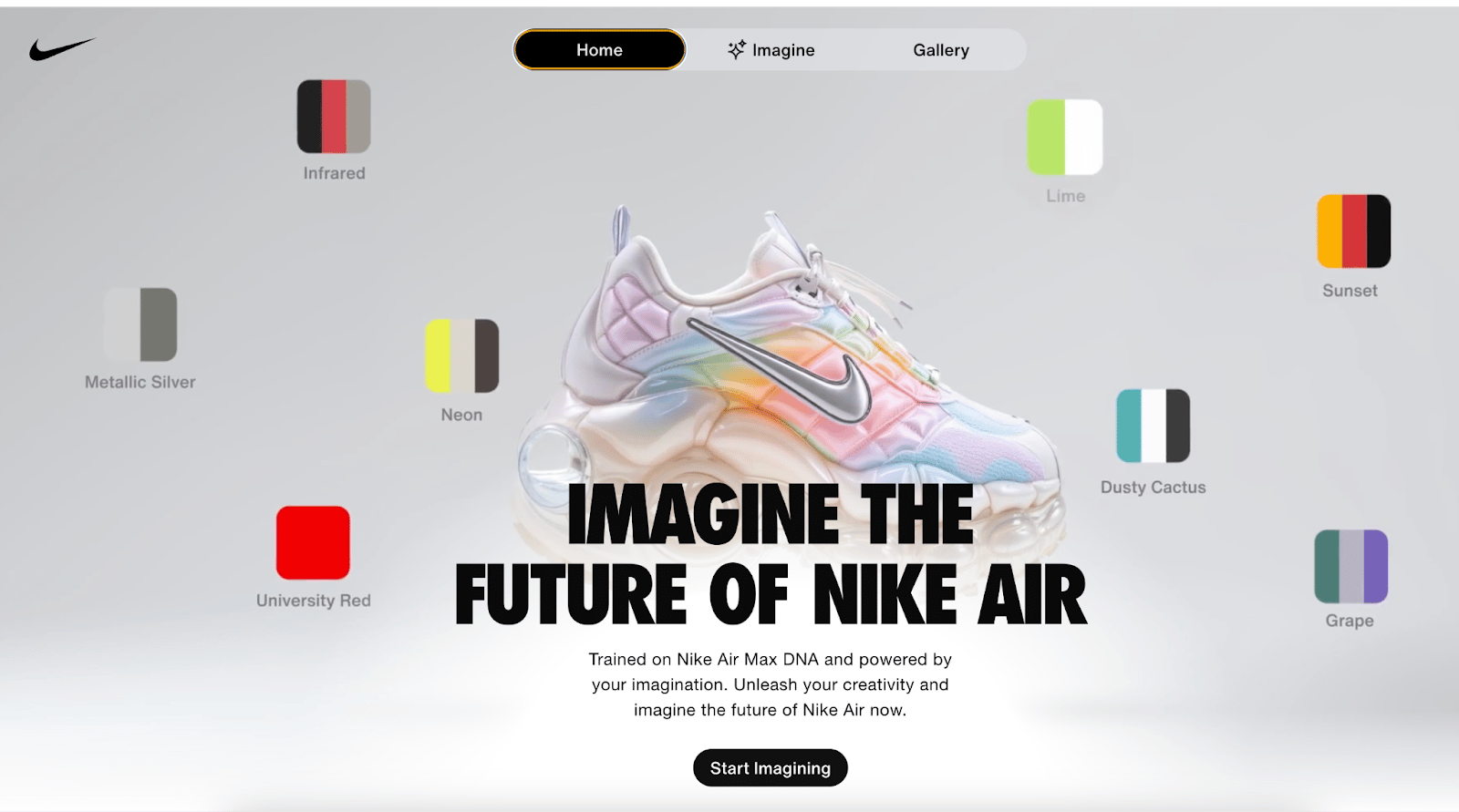
Nike's Air Imagination: A Multiplayer Brand Moment Finally Arrives
In the choreographed dance between brands and consumers, Nike has finally acknowledged what Future Commerce has long prophesied—the era of the Multiplayer Brand has arrived, albeit with Nike's characteristic caution. Their launch of Air Imagination (built by our friends at dotdotdash) represents not a revolutionary leap but a calculated step into consumer-driven design, allowing customers to generate shoe concepts through an AI-powered tool that feels more like a cautious experiment than a bold commitment.
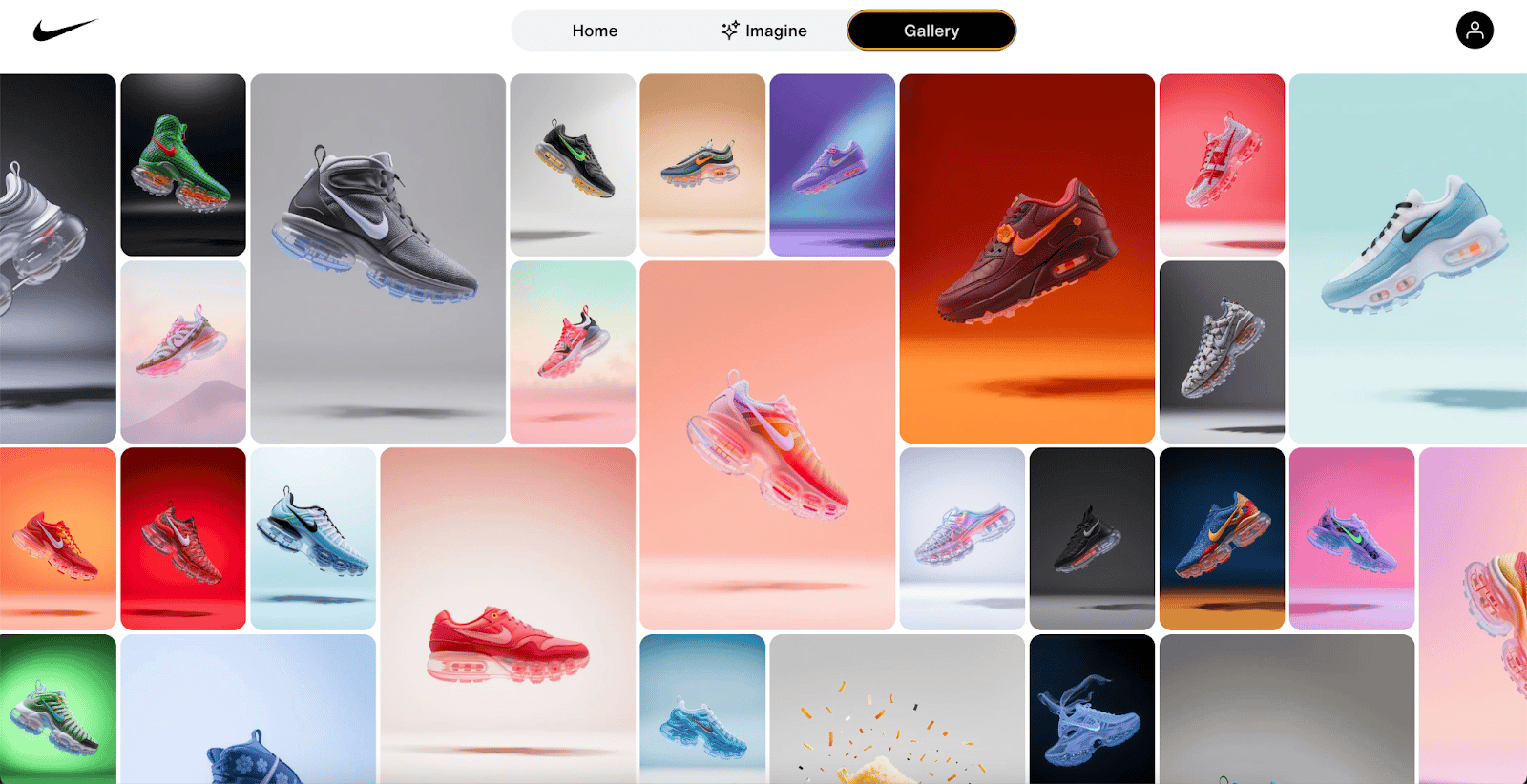
The timing speaks volumes—debuting on Air Max Day (March 26), a date that previously hosted Nike's Web3 experiments including their dotSWOOSH "Big Head Origins" NFT. This follows Nike's strategic retreat from their RTFKT acquisition, purchased for an undisclosed sum in December 2021 when the studio was valued at $33.3 million—a move that suggested ambition but ultimately revealed hesitation.
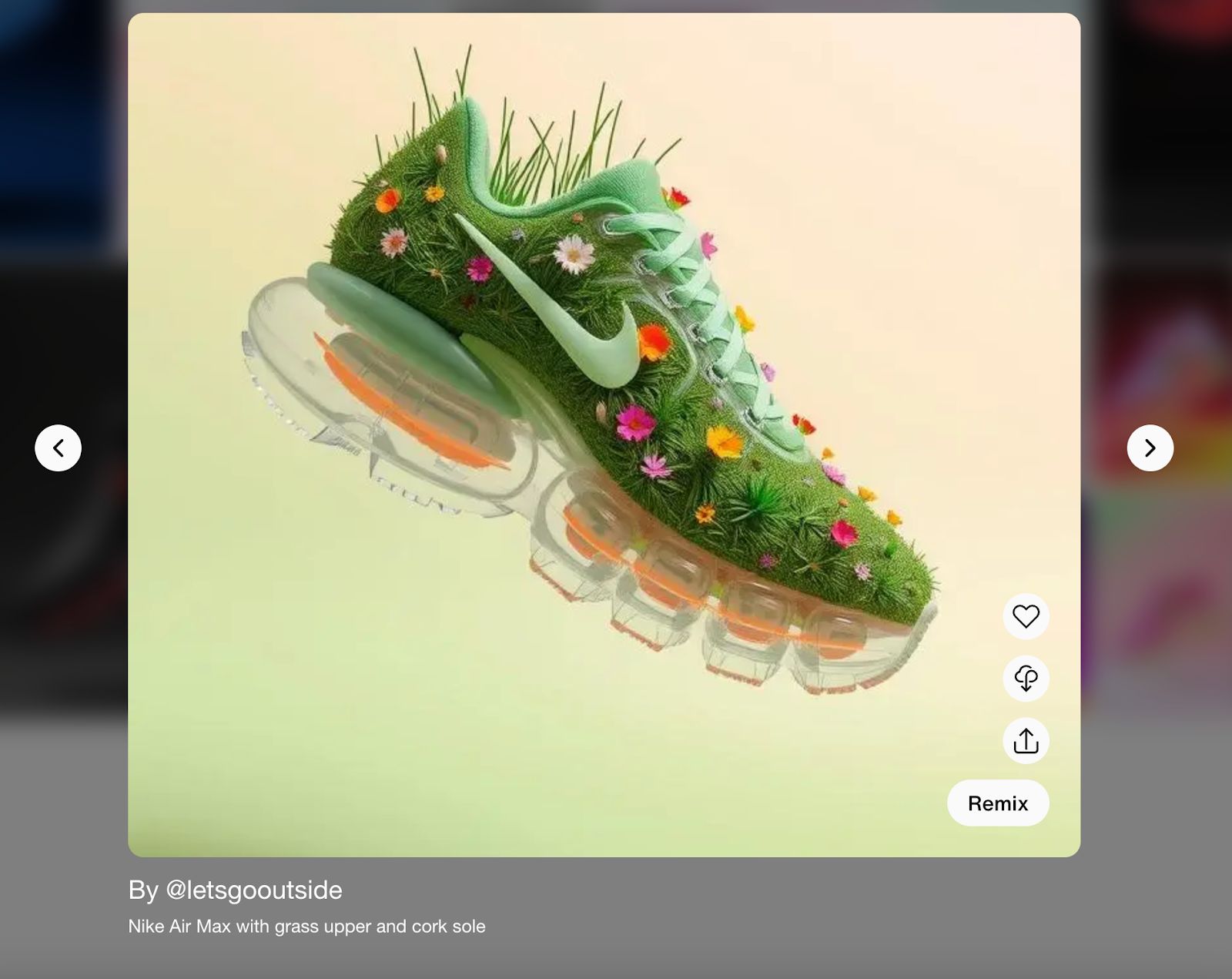
This pattern perfectly illustrates what we identified in our book The Multiplayer Brand: "This is the participatory economy at work: hyperstition—the ability for the crowd to will something into existence. First, the ability to create shoes. Or the ability to manifest ad campaigns. Now, it's the ability for corporations to do our bidding and make us part of the creative process. Customers wield unprecedented (and terrifying) power."
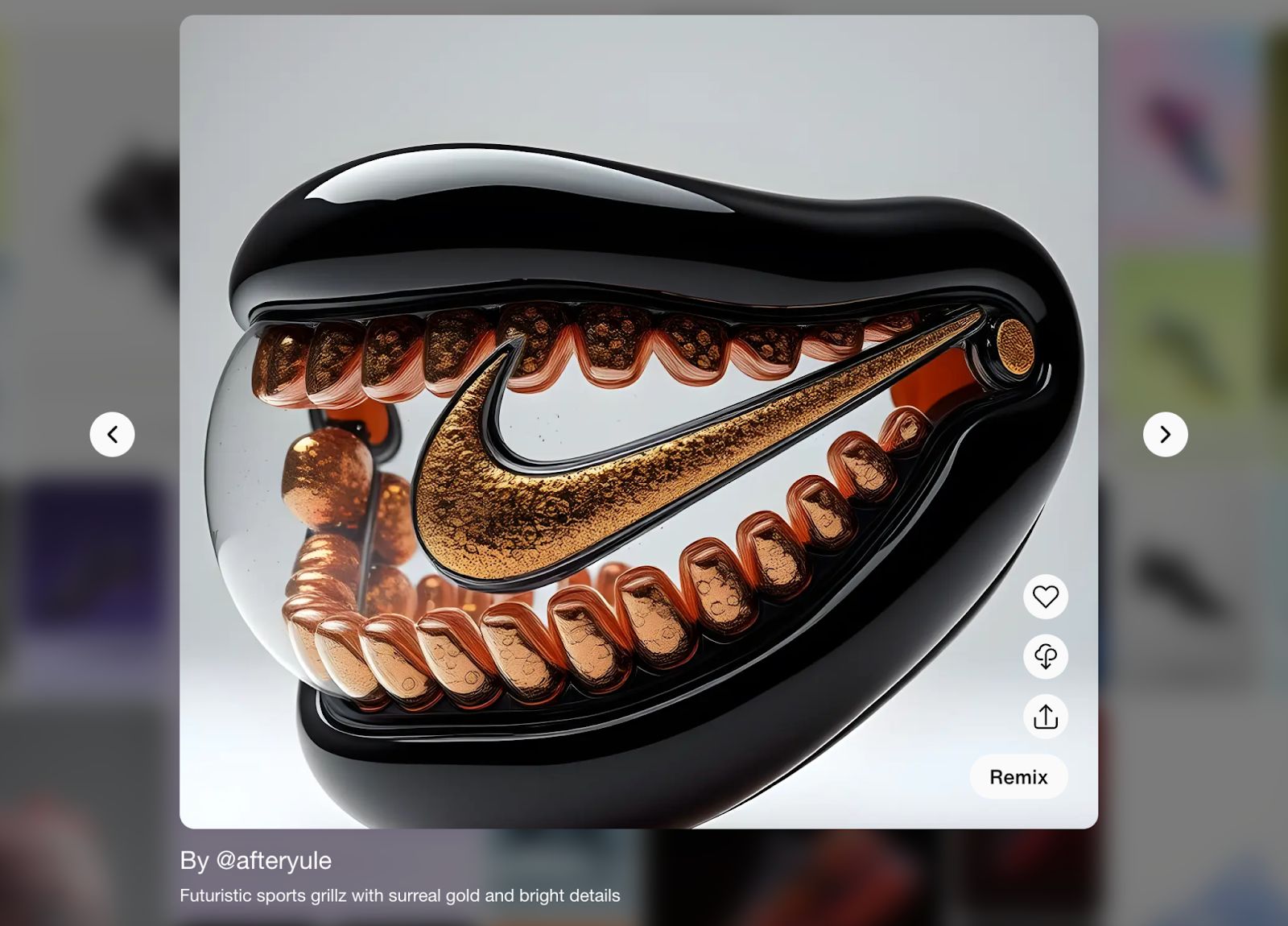
Nike experienced this firsthand when their Tiffany Air Force 1 collaboration disappointed fans who had already imagined superior versions using Midjourney. When synthetic renderings surpass official releases, brands face a new reality where consumer imagination outpaces corporate execution.
While platforms like LEGO Ideas have embraced true co-creation—where contributors receive recognition and royalties—Nike's Air Imagination reveals their understanding that customer involvement in design is necessary, but demonstrates their reluctance to surrender control to the participatory economy we've long advocated.
The gap between AI ideation and implementation remains substantial. As Phillip Jackson noted, "The tub is too small, and the writing falls off." This practical reality check shows that while AI can generate impressive concepts, translating them into manufacturable products requires expertise that resists automation.
Air Imagination isn't revolutionary—it's evolutionary. The future belongs to brands who understand that co-creation isn't just a feature—it's an expectation. Nike has taken a step toward this future, but their cautious approach suggests they're still wrestling with relinquishing creative control to the very customers who increasingly demand it.
—Phillip