



Retail's Q2 Winners and Losers

Welcome to Friday, futurists.
Retail sales fell 0.6% in July, but retailers eagerly shared their Q2 results this week to shape the narrative, especially going into holiday prime time. Here are some of the top headlines, with Target’s turnaround progress as the main story. Then, we get into the rest of the news, from faulty drone deliveries to briny cosmetics:
Target. The retailer’s net income improved more than 100%, largely due to a tariff payment, but overall results were promising. Total sales rose 5.3% YOY, with comp sales (+3.8%), store comps (+2.7%), and digital comps (+8.7%) all increasing as well. Target leadership has been focusing on in-store operations, especially as its partnership with Ulta officially comes to an end. Its hardlines category, branded internally as Fun 101, saw double-digit growth, and an ongoing focus on fandom-focused drops is expected to drive holiday demand. Food and beauty also improved, hinting that Target’s merchandising turnaround is working.
TJX. The parent company of HomeGoods and TJMaxx continues to build momentum as consumers seek value in discretionary categories. Total sales are up 5.4%, but HomeGoods saw the most traction (+9.7%). International sales were another major bright spot (+10.6%).
The Home Depot. Home repair and maintenance projects have helped the retailer beat Wall Street expectations, even as big-ticket spending continues to slow with the housing market. Comp sales were up 1.7% YOY, the best growth rate since Q3 2022.
Lowe’s. Despite being in a similar spot as The Home Depot, this is Lowe’s fifth consecutive quarter of growth. Total sales rose 8.3%, mainly due to the acquisition of FBM and Artisan Design Group.
Walmart. Revenue was up 5.9% YOY for the quarter, with global eCommerce sales increasing 23% thanks to store-fulfilled pickup and delivery, plus marketplace orders. The retailer’s global advertising business also increased 38%. Comp sales were up 2.6%, putting Target slightly ahead, but Walmart has maintained a consistent growth advantage. Like Target, Walmart has received significant tariff refunds ($2.9B) and plans to invest these funds into the customer experience.
Ross Stores. The $253M tariff refund didn’t hurt, but this value retailer still had a strong quarter. Total sales are up 13.3% YOY. Comp sales? Improved by 10%. Ross has remained a stellar example of how to create and fulfill a specific promise to consumers. For many shoppers, especially at this time of year, value through assortment and availability is key. Ross has delivered upon these areas while improving the in-store experience. It’s a mathematical equation that has led to stellar results.
Alibaba. The company is prioritizing its cloud and AI business as it navigates volatile consumer spending. It’s in the midst of a major reorganization and is consolidating its business units into four segments: Alibaba E-commerce Group; AI Cloud and Compute Services; AI Labs and Applications; and “All Others,” which includes its health, gaming, and media divisions. Quarterly revenue was up 9% over last year, with the AI Cloud and Compute Services (+45% YOY) and China Quick Commerce (+45% YOY) units being strong leaders. However, operating income fell 57%, and transaction activity weakened within Alibaba’s core eCommerce marketplace.

Zip While Everyone Zaps.
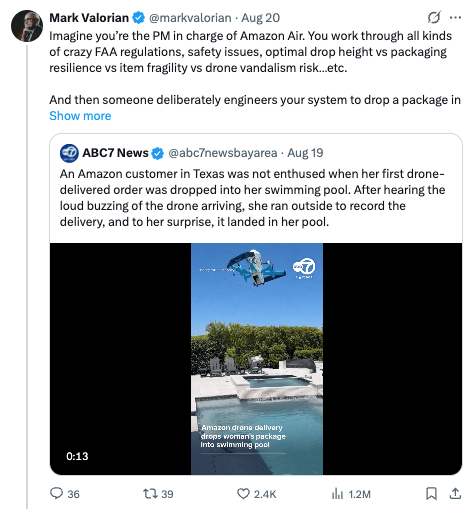
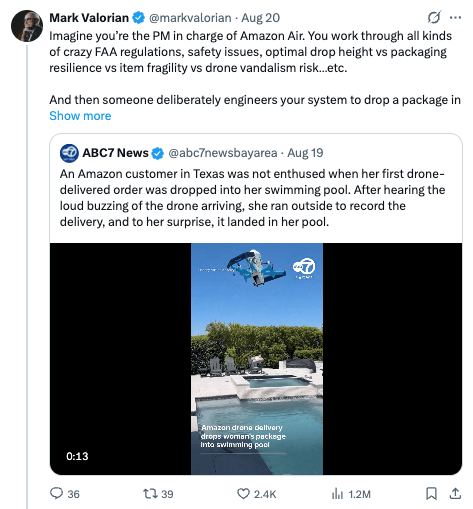
Uber is bringing drone delivery to its Uber Eats platform via a new strategic alliance with Zipline. The first drones will fly food in Zipline’s existing markets by the end of this year, with a goal of expanding into “dozens of US cities” and fulfilling 1M deliveries per day by the end of 2029. Uber is also launching autonomous rides in Zagreb, Croatia, and Dubai with key partners, indicating a clear ecosystem approach to global growth. These major moves come as Amazon makes headlines for a major drone delivery snafu. In the end, though, it shows that even the most sophisticated organizations can’t always avoid user error.
🔮Prediction watch. The expanded availability of drone delivery, from Uber/Zipline to Amazon and Wing, is one of our main 2026 predictions coming true.
Wally World Star Joins the Fashiontainment Cast.
The Walmart exec who helped drive its most ambitious commerce projects and entertainment programming has joined Gap in making fashiontainment a reality. Justin Breton (who is also a friend of Future Commerce) is working with Chief Entertainment Officer Pam Kaufman to drive original content across genres and platforms. He’ll take his post as VP of Development on Aug. 31.
👓 This leader can see around the next corner. Justin’s work reflects our belief that vision can drive meaningful change and innovation in our industry. If you haven’t listened to our conversation with him on the pod, check it out now. You’ll quickly understand what we mean.

Dorm-to-Cart.
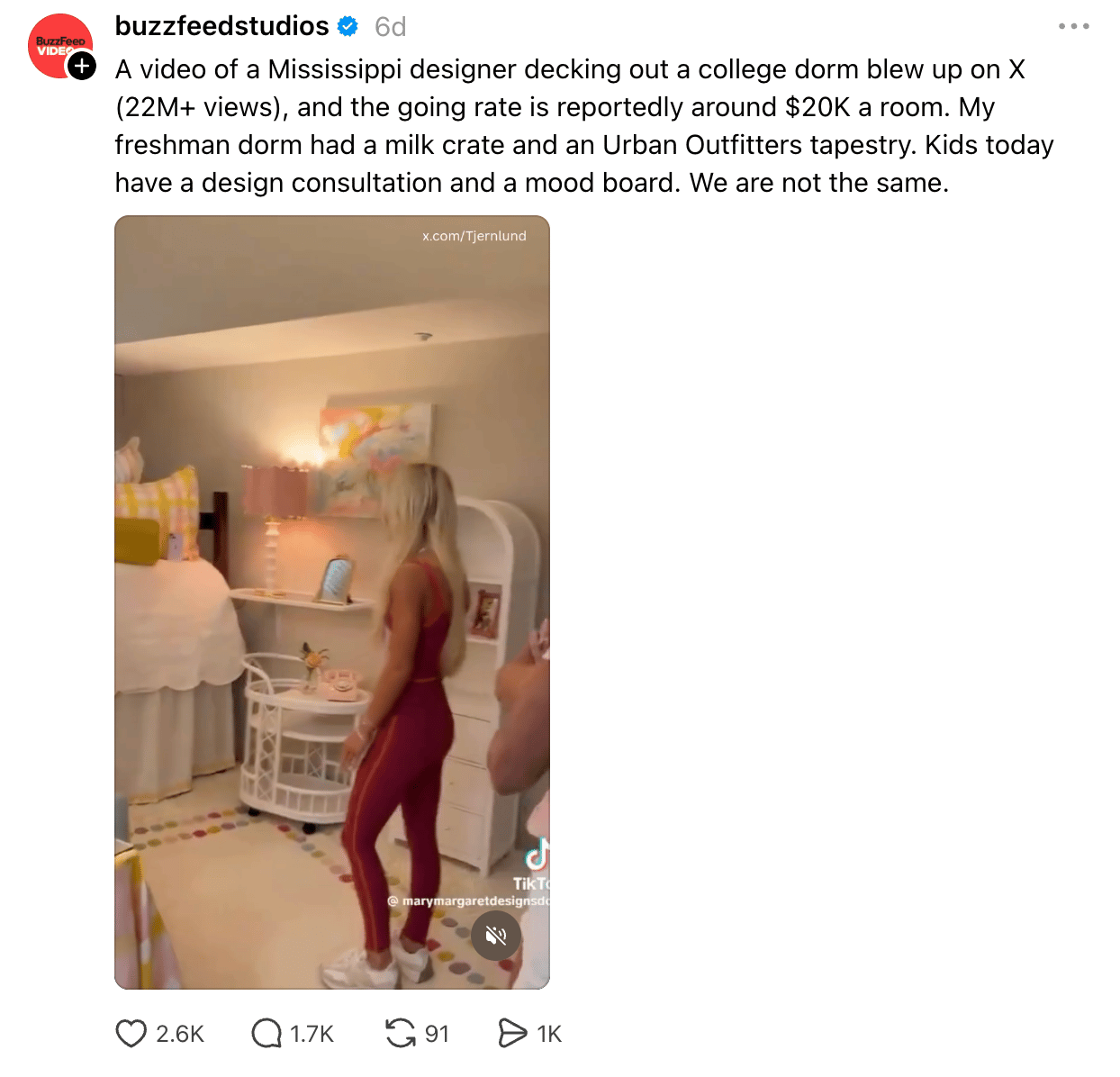
The impending college year is creating its own retail economy, powered by licensed merch and specialty dorm services. Fabletics has expanded its College Shop program to 200 US colleges and universities, doubling its initial spring pilot and bringing more hoodies, tees, and accessories to campuses. Dorm design has also become a new way for students to express themselves. But it’s also opening the door to a unique kind of classism. One interior designer got dragged for bragging about a $20K price tag on a room concept that looks like it came straight from the discount aisle. Look out for more higher-ed tasteslop and AI-generated influencers on social feeds.
The Resale ROI is Real.
IKEA UK is planning to launch a new resale platform after successful pilots in Norway and Spain. The peer-to-peer marketplace scales secondhand into a first-party revenue channel, making it easier for families to resell products they no longer want or use. Lululemon is also expanding its “Like New” resale program to Canada, and will host a special trade-in event in September to celebrate the launch and seed inventory.
🎧 Get the scoop. We had Lululemon’s Alison Buchanan on the Future Commerce podcast with Ryan Rowe of Archive, which helps power the program, to discuss how the brand is turning resale into a branded experience that drives new customer acquisition and long-term loyalty. Listen to the conversation here, and learn how resale is finally driving returns.

Victory Is Brine.
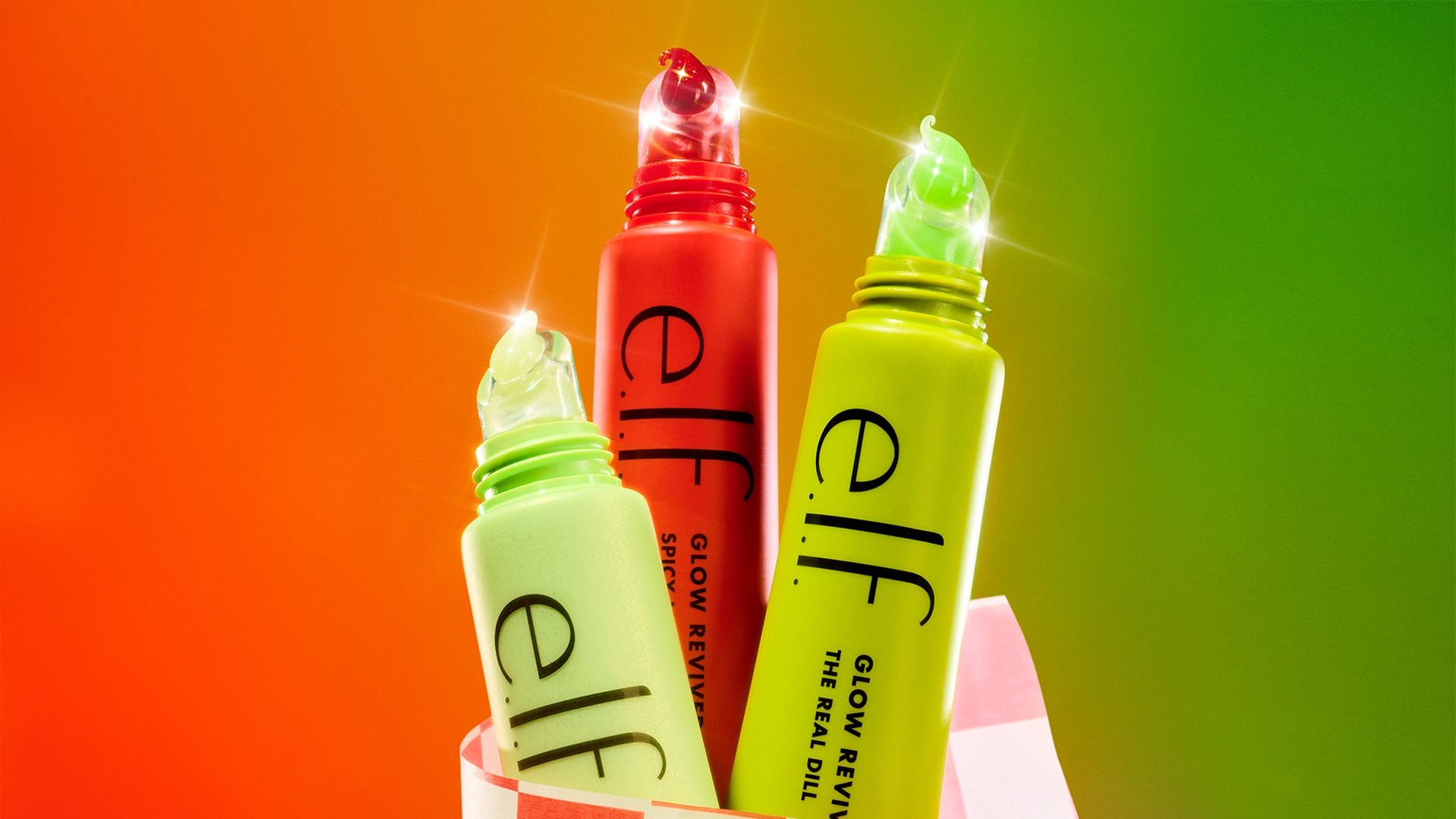
Pickle-flavored everything is dominating the snack aisle, from chips to cotton candy. In fact, this particular niche is growing faster than broader categories, according to The Wall Street Journal. For example, pickle-flavored snacks grew 30% YOY while the overall category grew by 3.8%. The zesty, garlicky flavor profile is even trickling into beauty. E.l.f Cosmetics is bringing back its pickle-inspired lip balms exclusively on TikTok Shop and in Ulta stores after getting a nudge from its community.
The End of Little Treat Culture?
A backlash to “little treat culture” may be emerging on TikTok. Creators are tallying a day’s worth of small indulgences and questioning whether they spent too much. It’s a way to turn the day’s matcha lattes, slopbowl lunches, gym visits, and wellness services into engagement-farming tools. TikTok’s own trend forecast indicated that consumers would prioritize intentional purchases and would be more likely to buy from brands that put honest messaging front and center.

Citation Purge.
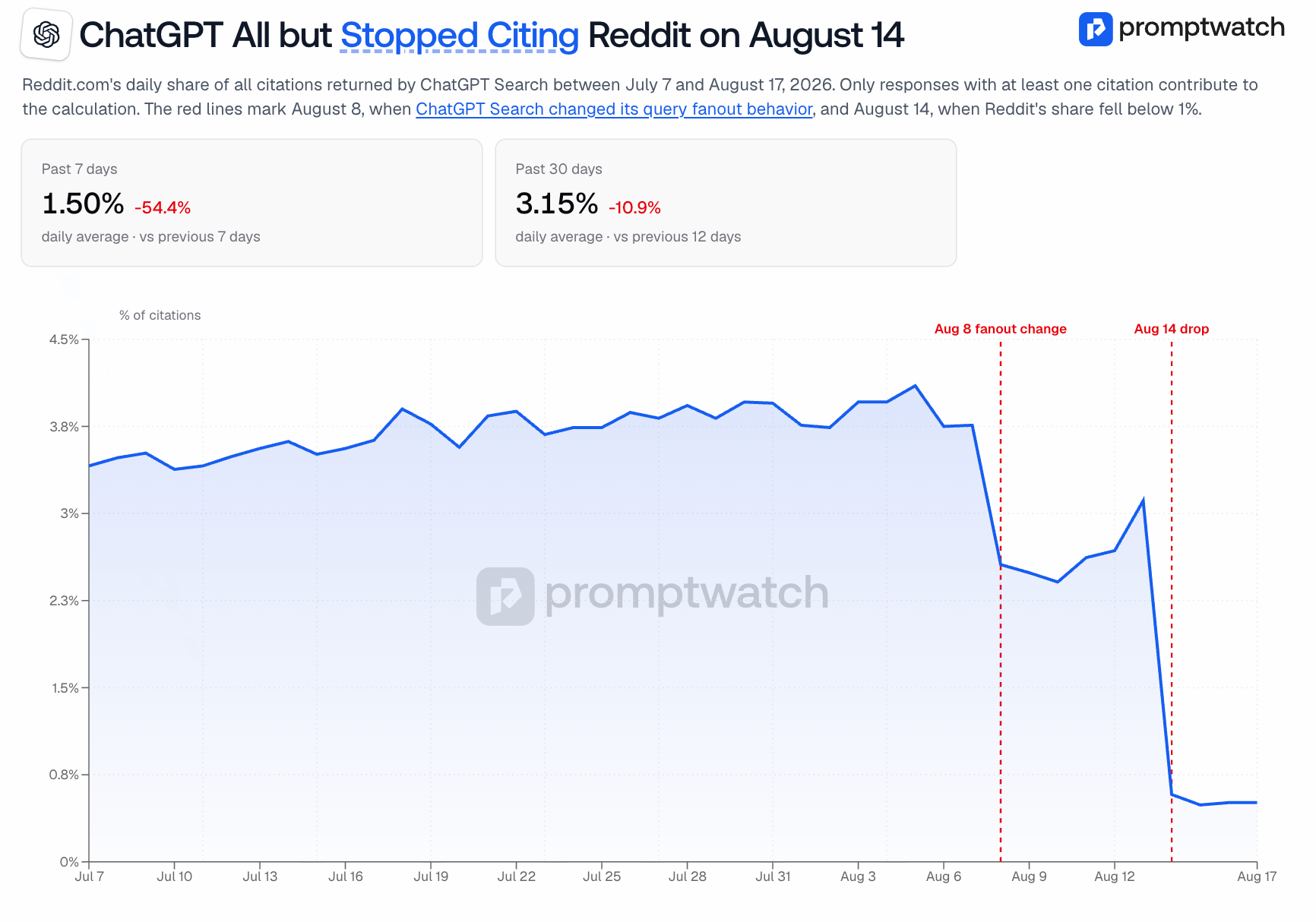
New data from Promptwatch shows that after maintaining a 3.8% share of ChatGPT Search citations from July 18 through August 7, Reddit citations have dropped to under 1%. Reddit is also losing share in Google AI Overviews and AI Mode citations, though not as dramatically. The citation drop follows several reports of the platform’s growing popularity among marketing departments and users’ growing hostility towards AEO spam and over-produced content.
AI-Powered Emotional Manipulation.
In 2024, the makers of Moxie, an AI companion robot for kids, went out of business, and the media has been tracking the fallout ever since. The most recent investigation, an article from MIT Technology Review, shows the highs and very low lows of AI companionship, especially among children.
Future Commerce has been exploring the inner workings of synthetic intimacy, from friendships to romantic relationships. If you want a less agreeable synthetic friend, a new AI Christian streaming tool will send you notifications that denounce you for listening to music that has swear words or refers to suggestive topics.


.svg)
