


.jpg)
Hot monoculture summer


Hot Monoculture Summer
The World Cup. Taylor Swift’s wedding to that one guy. The Odyssey. Spider-Man: Brand New Day.
The summer of 2026 was stacked with major cultural events that motivated consumers to gather, experience, and share. The KPIs included millions, even billions, of social impressions, watch minutes, and dollars spent.
Did the season officially mark the return of the monoculture, or was this a case of four unrelated global moments landing within the same timeline?
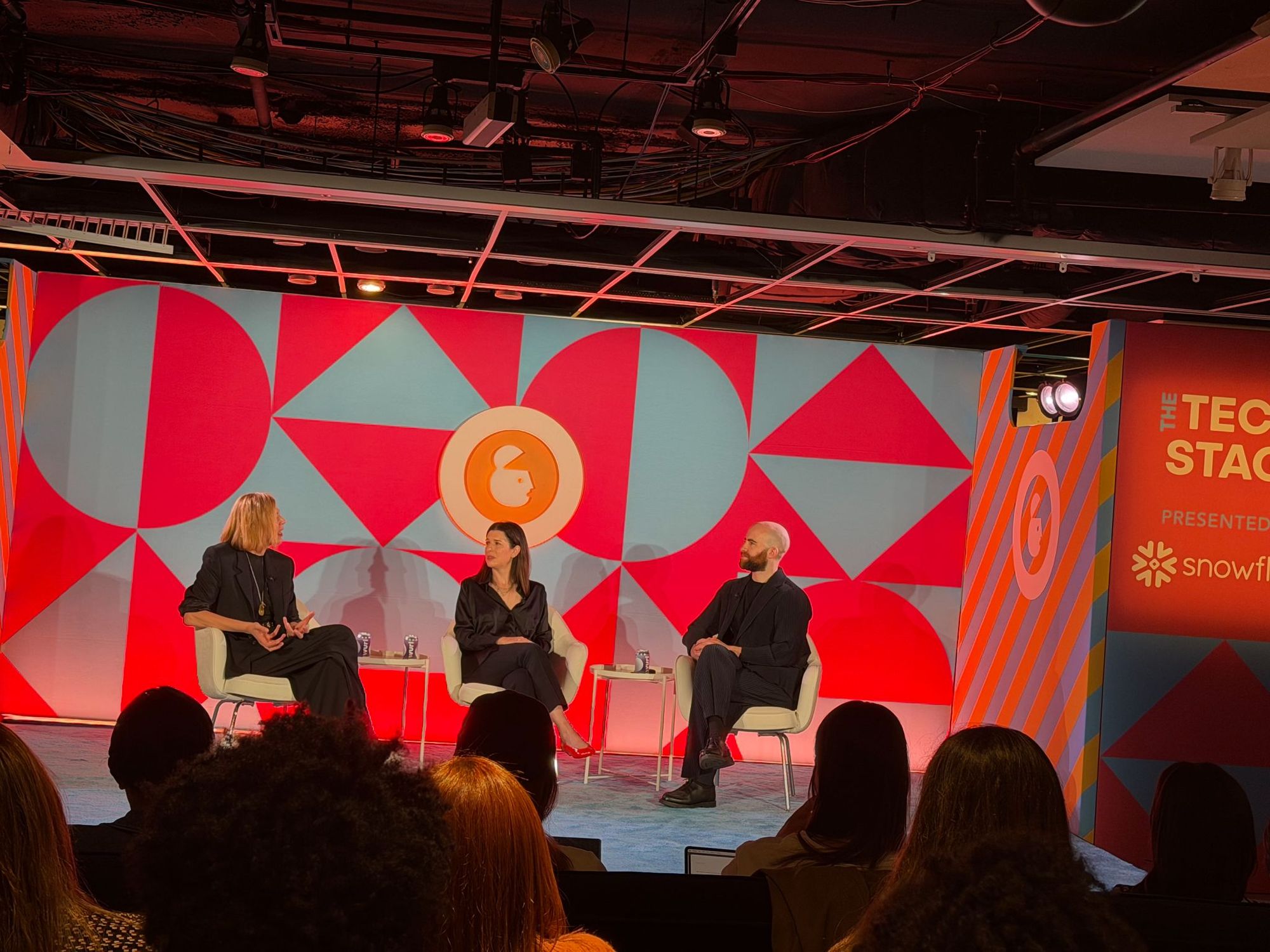
We found three people who study culture and consumer behavior for a living and asked them to break it down for brands paying attention: what happened, why it happened, and what to expect as we head into Q4, the most culturally rich time of year.
Our experts argue that a cultural moment is no longer insular. It’s merely the epicenter of a moment with many possible entry points, and brands must design for the mode.

Order in the Aisle.
European retail has been legislated. More than 40 UK retailers, including M&S, Primark, John Lewis, and Dr Martens, have signed on to support “Opening Shift,” a government-backed retail jobs program. Driven by the British Retail Consortium, the initiative aims to create 100,000 retail jobs by 2029. Meanwhile, China has threatened retaliation against France, which has started enforcing its per-item environmental penalties on ultra-fast-fashion platforms like Shein and AliExpress. We covered when the revised bill passed last summer.
Commercial Canvas.
At Future Commerce, we have a long history of examining the intersections between consumption and creation. CJ Hendry, the focal point of one of our more detailed analyses, is bringing her viral felt floral market back to Manhattan, promising four days of colorful installations that consumers can touch, snap, and take home.
While Hendry is providing the whimsy, artist Tom Sachs is launching an installation that’ll make you ponder. “31 Rue Cambon” reconstructs Chanel’s Parisian flagship inside his studio: a lo-fi, handmade universe made of everyday materials that gives him a unique kind of fulfillment. “This store, for me, is real, even though you cannot buy anything in it,” he said in a New Yorker article. “The lust for consuming things is replaced by making them.”

Even-More-Frictionless Commerce.
Walmart is truly an everything retailer now that you can get your Dunkin’ food and beverages delivered via the retailer’s website and app. This is part of Walmart’s push into delivery services, which started with Subway back in June.
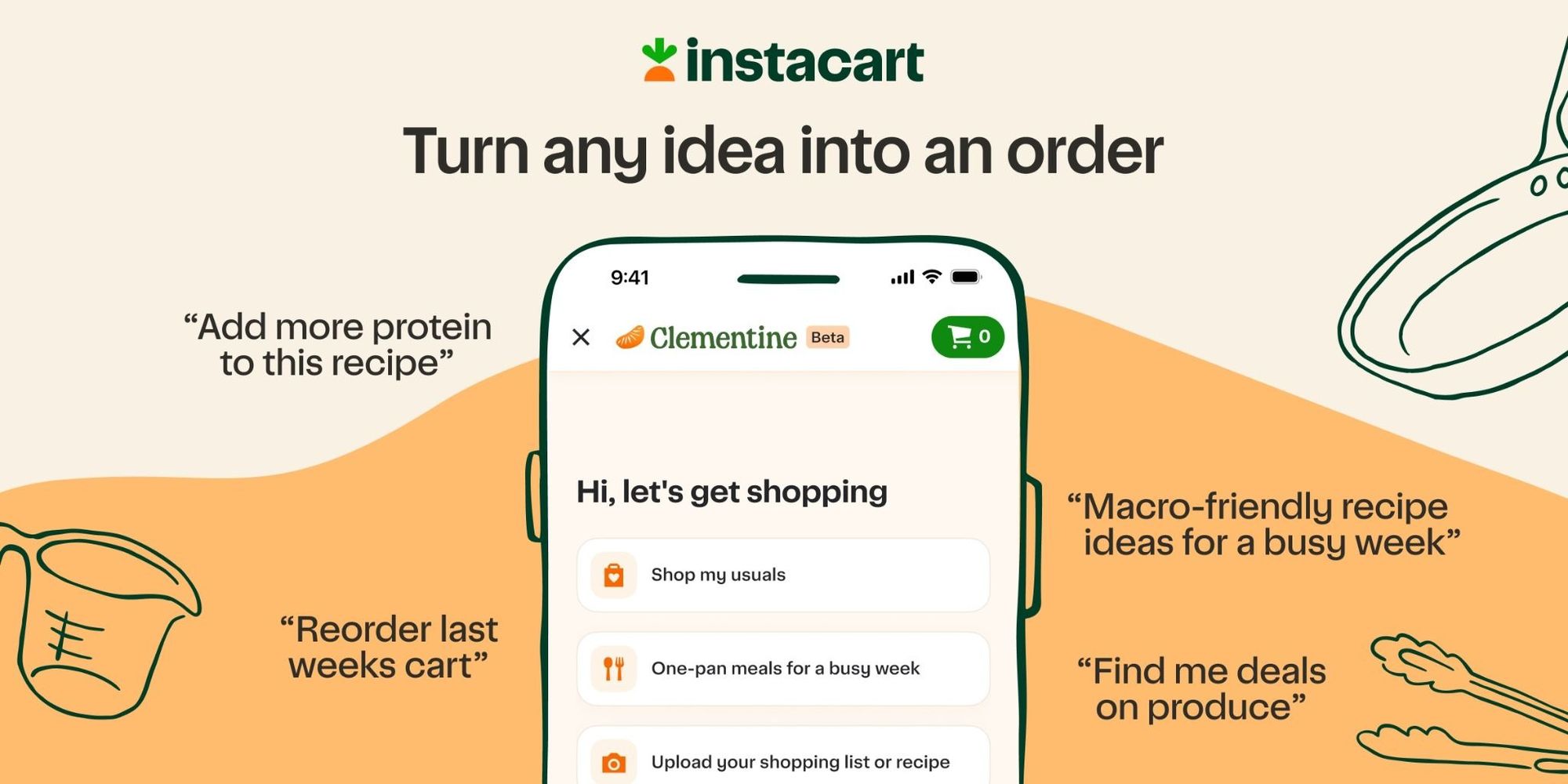
While the retailer is making moves, the broader grocery delivery market is moving faster. DoorDash is providing its frictionless delivery to SKIMS, and DoorDash Ads is bolstering its offerings, including a new partnership with Circana. Instacart launched Clementine, a new AI shopping assistant that retailers can also use for their own agentic shopping experiences, letting them customize the name, tone, loyalty integration, and recipe content for their assortment. And finally, Lyft is giving us a peek into its Waymo partnership in Nashville, which is turning drivers into robotaxi pit crews.
Bizarro Collabos.
The past week has brought a roster of bizarre collabs that make Revlon’s Flavortown lip balm look like a measly appetizer. Pepsi is doling out complimentary cans of its prebiotic soda to more than 200 Drybar shops across the US, while other CPG brands are doubling down on wellness. Jell-O and Tower 28 have launched a limited-edition Lip Jelly Duo and Lil’ Pudding Snack Set, bringing sweet nostalgia to lip care. Duke Cannon and Mountain Dew have launched a limited-edition soap and body wash collection so you can smell like “bold citrus and good times.” And if you want your house to smell like Dunkin’ Donuts, you’re in luck: the company is partnering with Febreze to help you shield unpleasant odors with the sweet stench of fried dough.

A ‘Goodle’ Deal.
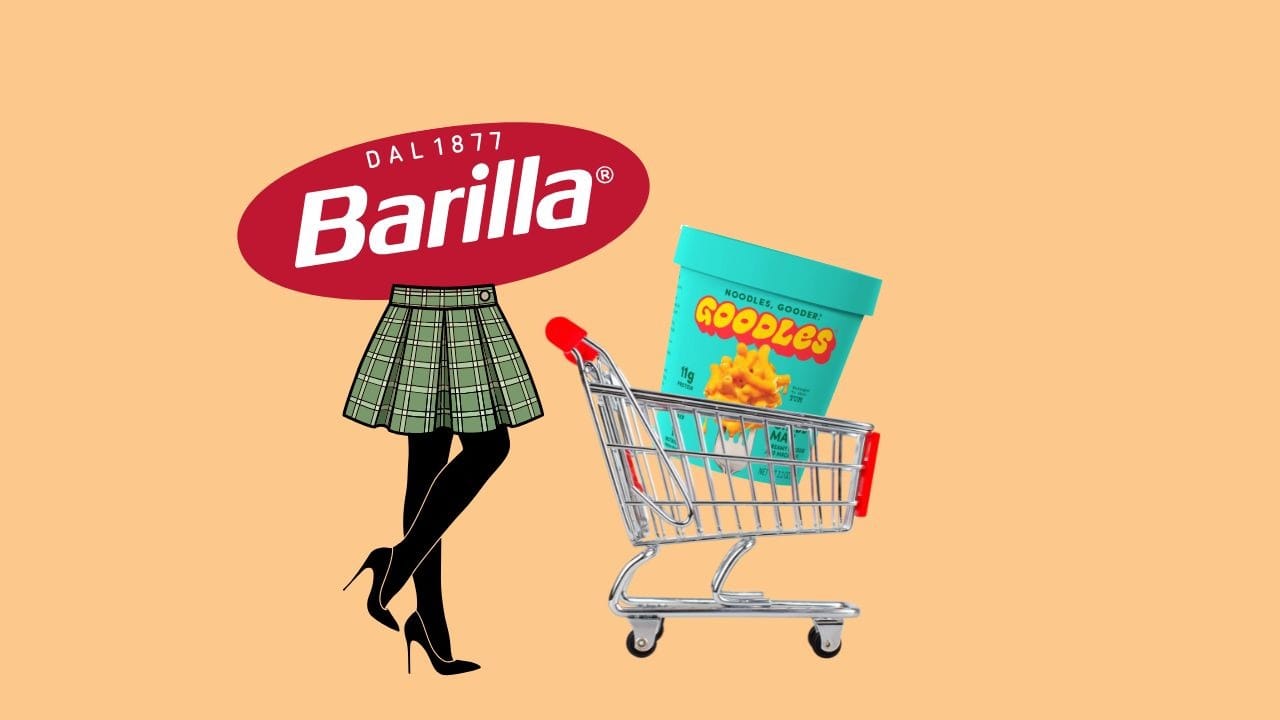
Goodles, the “better-for-you” boxed mac and cheese brand, is being acquired by Barilla. The Gal Gadot-backed company will stay in Santa Cruz with its 73-person team intact, and will operate as a standalone brand under the Barilla umbrella. The brand will be a boon for the pasta giant as it tries to carve out its own place in the wellness food space, especially because Goodles is already outselling Kraft and Annie’s on dollar velocity. The great CPG consolidation continues…
Where’s the Beef?
The DOJ is expanding its probe into eight major grocers to understand how they’re pricing beef. Walmart, Amazon, Costco, Kroger, Publix, Albertsons, Aldi, and Ahold Delhaize must hand over six years of pricing, margin, and purchasing data to address what the government sees as a ground beef affordability crisis. (Brian flagged this issue back in 2025…) But the government isn’t the only one getting litigious. Consumers are now suing Big Snack because their avocado-oil-laden snacks are made with everything but—and the first targets are Campbell’s Co and Utz Brands. This is less than a week after we covered suits against David Protein and Liquid Death for their sugar-free claims.

Agent-as-a-Service.
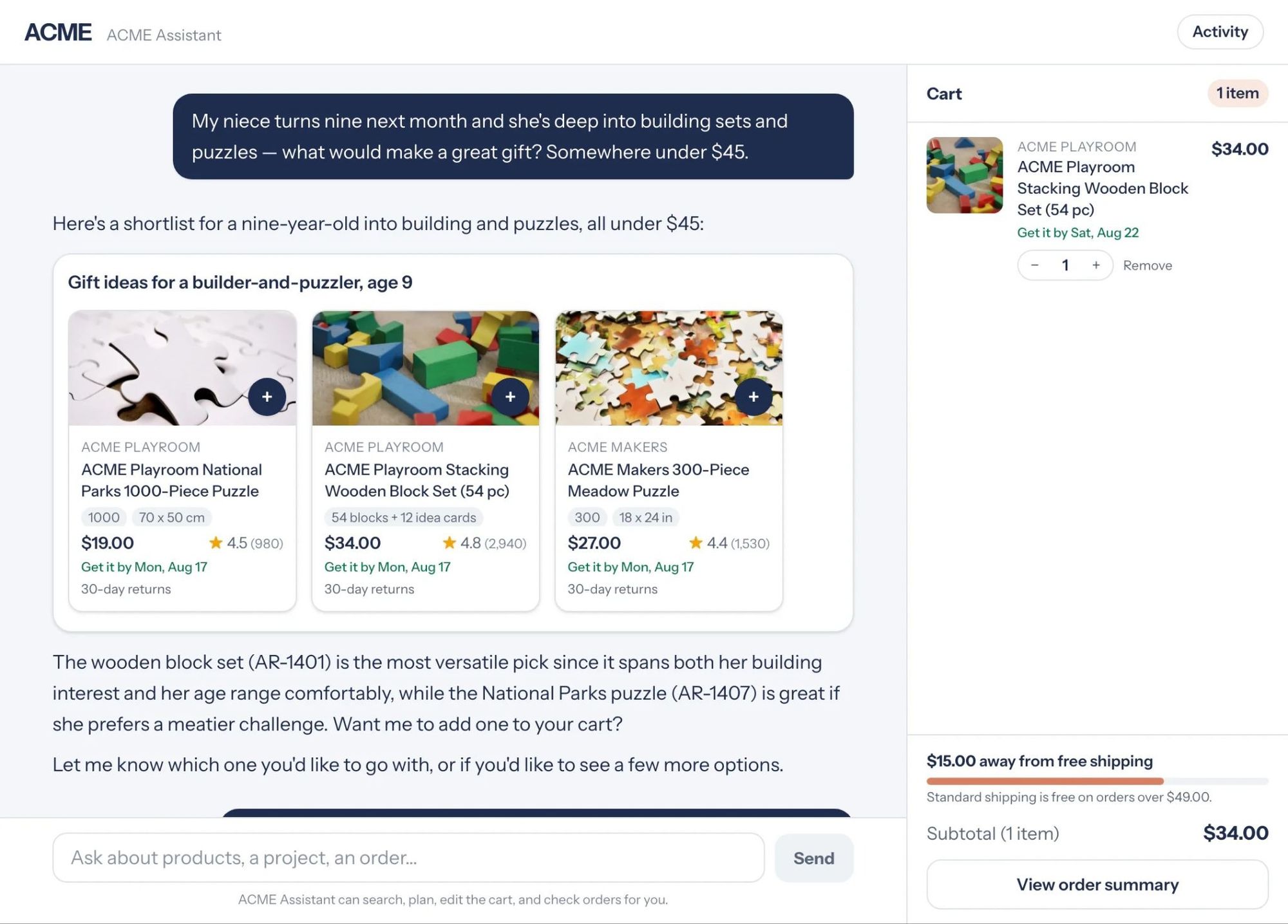
Anthropic is giving retailers the keys to their agentic future. A new blueprint now gives merchants prebuilt code to create their own agents on Claude and lets them tap into an ecosystem of partners, including Accenture, Mastercard, and Visa, to support implementation. Shopping agents live inside a retailer’s app or website, searching catalogs, building carts, answering service questions, and tailoring recommendations to customer preferences. Merchant agents answer back-end questions about sales performance, inventory levels, pricing and promotions, and marketing ideas.
What’s missing is the actual transaction experience, which retailers will continue to manage. This supports our research on consumers’ eagerness to use agents, but mainly as concierges. But who’s really paying attention when the same company just announced humanity’s inevitable extinction due to the very same technology?
If It Bleeds, It Leads.
Two media institutions are bringing OpenAI and Microsoft to court for copyright infringement. The Seattle Times and Newsday allege that the companies are copying their content to train AI systems. An OpenAI spokesperson told Reuters that it trains models on publicly available data and is protected by fair use. But this is about more than defending content quality; it’s about tackling traffic disintermediation, which ultimately damages advertiser value.

.svg)
