Stores have a memory problem

Welcome to Wednesday, futurists.
There's a specific kind of intelligence that lives in your body before it reaches your brain.
The way a store’s scent activates a memory. How the background music makes you linger in the aisle before you even realize it. Or the way a messy aisle makes your shoulders tighten and your pulse quicken.
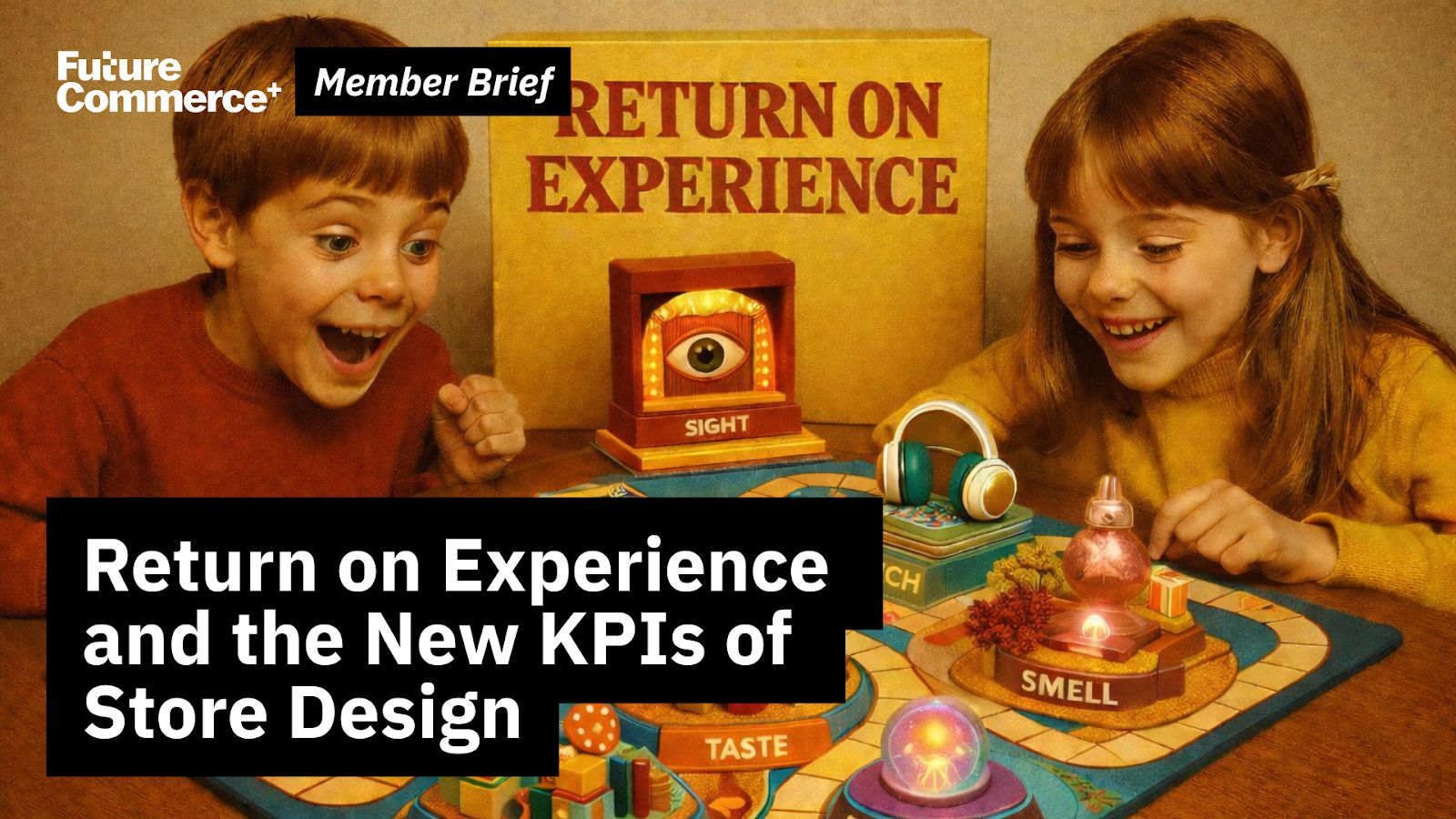
This week's Member Brief is about that intelligence, and what it means for brands trying to build stores that people choose to be in. Kate Fannin, our head analyst for Field Notes, has been doing the work that most retailers won't do: walking the floors, talking to associates, and, of course, buying all the things. And her insights have led to a new concept, Return on Experience, which supports a framework that explores a simple question: If a sale happens in a store, but the customer doesn’t remember it, did the experience actually succeed?
We'd argue no. And so would the 40% of customers who told us they plan to visit stores less because of how good AI shopping has gotten.
The race to relevance isn’t just about quick marketing wins (just ask Ulta Beauty); it’s about meaningful engagement. Read more below.
— Phillip


Marketing’s War Against AI Has an Unexpected Leader.
Pamela Anderson is battling against AI slop in a new partnership with Aerie. The intimates brand and division of AEO has already established a firm stance against AI with a viral Instagram post, but the campaign starring Anderson brings things full circle. Anderson has garnered media attention and new love from the general public after shifting towards a more bare-faced, natural look. She’s the new, albeit unexpected, spokesperson of a much larger movement for brands against AI; a list that now includes Le Creuset and baby brand Coterie.
We’re seeing one of our main 2026 predictions play out in real time. The new battle of authenticity is one in which craft and automation clash. Where brands plant a flag for high-touch, intentional creation or creativity at scale. Now more than ever, consumers want to know where you stand.
The Marketing Clock Stops Ticking.
“FINAL HOUR.” “Ends Tonight.” “2 Days Only.” You’ve likely seen and clicked on emails touting this messaging. More often than not, the deals have continued long past the campaign’s send date. Now, there’s a retail marketing reckoning underway, with Ulta Beauty and Dolls Kill among the most recent brands to go to court over their email marketing. The basis for these suits is Washington’s Commercial Electronic Mail Act (CEMA), which was initially written to combat anonymous and deceptive spam.
Erroneous time limits, artificial scarcity, and other “pranks” to drive attention and dollars should not be part of brands’ standard “email marketing playbook.” They’re a short-term ploy and a long-term trust tax that trains your customers to ignore your messages. Brands have spent years optimizing for clicks while ignoring the cost to their credibility. It’s time to change that.

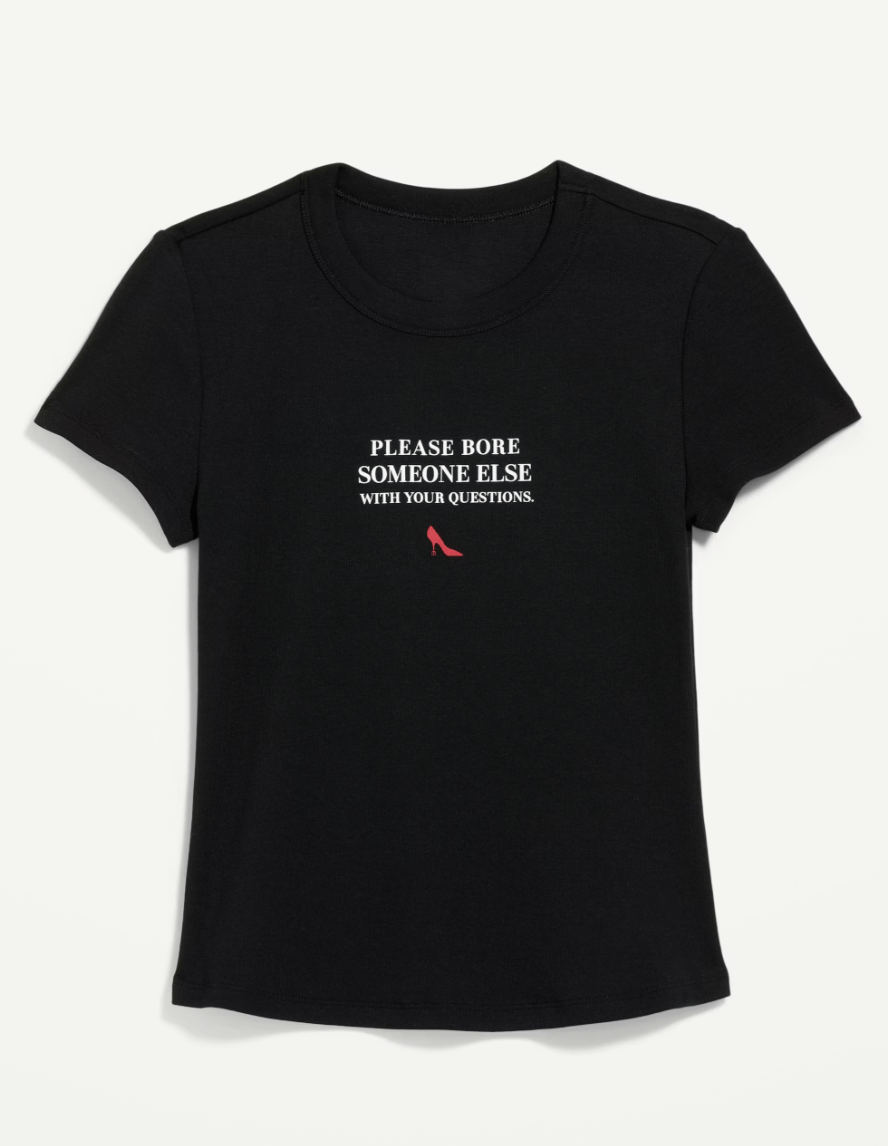
What Would Miranda Priestly Wear?
Old Navy is launching a new capsule collection to celebrate the release of “The Devil Wears Prada 2.” It’s a trove of nostalgic references, from the legendary cerulean cable-knit sweater to quotable lines like “florals for spring?” and “that’s all.” It’s a fun homage to the film, and a love letter of sorts for fans. But does the collection have enough longevity that people will want to buy it?
Fear Sells Online.
We say commerce is culture, and that means political volatility influences not just what we buy, but how we buy. New data from Collage Group proves this out, with 25% of US Hispanic consumers saying they feel unsafe shopping at malls or large stores due to immigration enforcement. Nearly just as many (24%) say they have changed their shopping behavior as a result.
Most of these consumers (30%) are shopping more online and buying more items in bulk. However, this isn’t limited to a specific demographic: 30% of Asian and White consumers, and 32% of Black consumers say they’ve spent more time and money online.


Dirty Mormons.
From “Dancing with the Stars” winner to Roxie Hart, Whitney Leavitt is reaping the rewards of her reality TV stardom. Now, she’s venturing into QSR as the first Chief Creative and Brand Officer of the dirty soda chain Cool Sips. The relationship started as most do: Leavitt discovered the brand while looking for a caterer for her Broadway debut party, and inquired about joining the brand marketing team. Now, as her stint on the Great White Way continues, she has a C-level title to go along with it.
This is a case where the celebrity-to-C-level pipeline does make some sense. Viewers often saw Leavitt and her “Secret Lives of Mormon Wives” co-stars chugging dirty soda, which many members of The Church of Jesus Christ of Latter-day Saints consider their preferred vice. Over the past year, dirty soda has become a must-have menu item for major fast-food chains like McDonald’s and Chick-fil-A, but we’re also seeing new specialty chains emerge across the US. Swig is the clear category leader, with chain visits increasing by nearly 31% year over year and 137% over three years, but Cool Sips is prioritizing NYC-area growth.

You Might Want to Fact-Check That.
Google’s AI Overviews are accurate about 90% of the time, which means you may want to fact-check before copy-pasting your findings. The new analysis from The New York Times shows that, due to the sheer volume of queries Google processes annually, it may produce thousands of misguided or flat-out wrong AI-generated summaries every minute. Plus, because Google pulls from all sources to generate responses, that means it’s pulling all kinds of sources, both factual and, well, unfactual ones. Google spokesperson Ned Adriance was quick to respond. He claimed that the study with AI startup Oumi has “serious holes.”
My Bot Made Me Buy It.
Target has updated its terms and conditions to make one thing clear: if your bot goes rogue and buys something on your behalf, that’s on you. The messaging comes in light of the retailer’s partnership with Google Gemini, which will allow the AI to recommend products and make purchases on consumers’ behalf. A Target spokesperson told Business Insider that items purchased using Gemini will be eligible for returns or exchanges, but they will be subject to the standard return policy. We’ve seen plenty of cases of bots going AWOL, so we can’t wait to see what ends up in Target’s returns queue.