


.jpg)
Walmart’s Feeling the Vibe

Welcome to Friday, futurists.
The heat still hasn't broken in Europe, and neither has the news cycle from Cannes.
The key headline along the Croisette and beyond as we wheels-up out of France: Commerce media ecosystems have consolidated, Creator programs have gotten real budgets (and platforms), and shoppable TV is getting a new home in several million Samsung sets.
AI is as present as ever with new services for marketers, creatives, and ad buyers. And finally, KitKat gets its flowers for handling a supply chain disaster with sweetness.
Below is the recap of the deals and launches worth remembering once the tan lines (and sweat stains) fade.
Next week, we trade the Côte d'Azur for the Thames, reporting live at Klaviyo's K:LDN, providing exclusive coverage and a fresh installment of the London Brief from our annual London bureau.
Follow along on LinkedIn and Instagram.
— Phillip

The Sounds of Relevance.
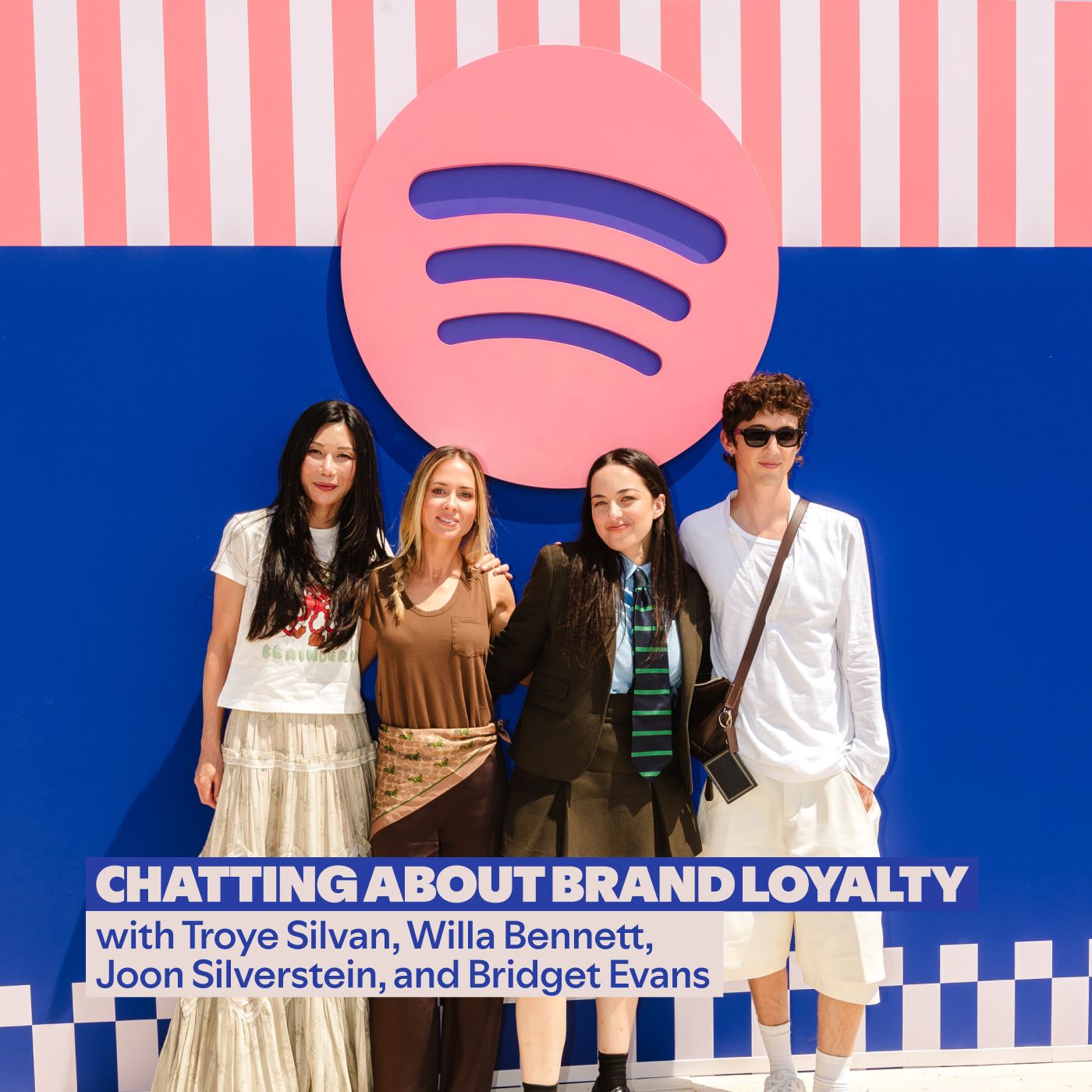
Executives from Spotify and Coach took the stage at Cannes to announce a new partnership that encapsulates their distinct roles in Gen Z’s lives. While Spotify has earned its place in their ears, Coach has recently earned its place in their closets and through identity expression. The companies will come together to create digital and IRL moments that bring fashion and music together, illustrating the fact that consumers don’t think about cultural expression in silos.
As Joon Silberstein, Chief Marketing Officer of Coach, said: “They’re moving fluidly across all of it and building identity as they go…When we think about our job as a brand, it’s not to tell people who to be.” Coach’s SVP of Global Visual Experience joined the Future Commerce podcast to break down how the brand’s stores have become destinations for inclusivity and self-expression. Partnerships, such as the one with Spotify, help bring this mission beyond the brand’s four walls.
Small-Screen Shopping.
Samsung is partnering with Glance, an AI software company owned by InMobi, to bring agentic shopping experience and lock-screen styling tools to millions of smart TVs in the US. Glance’s proprietary platform runs natively on Samsung’s Tizen OS to create two-way, interactive shopping experiences on home TVs.
Through the platform, consumers can use their remote or voice controls to explore fashion, accessories, and lifestyle products directly on their TVs, and even generate personalized shopping feeds and wardrobe recommendations based on their needs and behaviors. The partnership adds to Samsung Vision AI, which aims to turn TVs into truly intelligent home companions. This is the new era of shoppable TV.

Commerce Media Gets the Multi-Brand Treatment.
Walmart used Cannes as a launchpad for two major announcements. The first is a new vision of its global advertising business. Walmart Connect US, Walmart Connect International, and Sam's Club will all fall under the purview of Walmart Inc.’s Chief Growth Officer, Seth Dallaire. The biggest news in this shift is that Sam’s Club Member Access Platform has been rebranded as Sam's Club Connect to better align with the Walmart Connect umbrella. “Alignment” is the message, but the company made it clear that each network will continue to operate separately to meet “the unique needs of their markets.”
The second arguably got the most buzz, with Walmart announcing its acquisition of Vibe.co. With the self-serve CTV ad platform under its belt, Walmart plans to help make advertising easier for SMBs and mid-market brands, making it “more accessible, more measurable and easier to activate,” according to Ryan Mayward, GM and SVP of Walmart Connect US.
Following the company’s 2024 acquisition of VIZIO, this is the clearest indication that Walmart is attempting to own the entire “content to commerce” ecosystem, from the hardware all the way through to measurement. Walmart recently reported that its global ad revenue grew 37%, with Walmart Connecting US increasing by 44% (excluding the VIZIO business).
A Chatty Debut.
OpenAI made its Cannes Lions debut to pitch marketing leaders on the future of ChatGPT advertising and conversational commerce. The company didn’t make any major announcements this week, but its presence is worth noting, especially given that AI’s impact on the customer experience was such a constant topic of discussion in beachside panels (including one featuring CRO Denise Dresser).
OpenAI also hosted a group of reporters to give them a glimpse of the new ad product and experience, while doubling down on a new KPI: taking care of business. “We’re moving from the attention economy to the intelligence economy, and what consumers really want is usefulness,” said Dresser. “And so that’s what we’re all about.”

When Life Hands You a Heist, Win an Award.
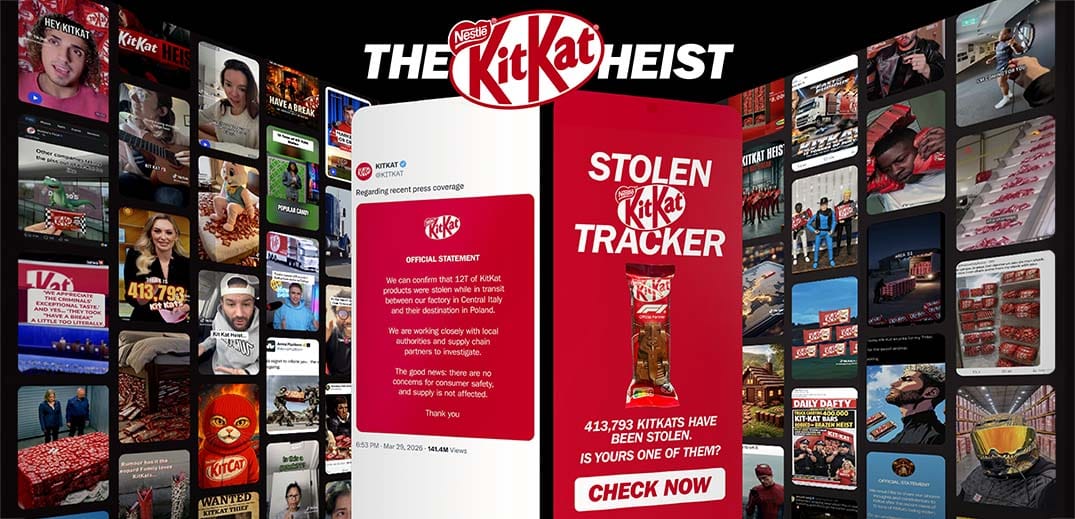
KitKat’s several wins at this year’s Cannes Lions are an extreme case of “making lemonade out of lemons.” The brand won four Silver Lions, four Gold Lions, and a Grand Prix for “The KitKat Heist,” a real-time campaign that turned a viral product theft into a major cultural event.
After thieves stole 412,000 KitKat bars in transit, the brand responded with humor and even encouraged consumers to participate in the story through the Stolen KitKat Tracker. While the campaign won in obvious categories, such as Real-Time Response in Media, Social & Creator, the top prize went to a category worth discussing further: Crisis Communications & Issue Management. Other big winners in food and bev include Uber Eats, Heineken, and Pepsi.
Caffeinated Creators.
Starbucks has launched a new pilot program with TikTok that expands its creator initiative, allowing employees not only to create content but also to earn revenue from their efforts. The coffee chain has been the star of many video tutorials and hacks, with consumers and baristas alike sharing their favorite concoctions. Since 61% of Gen Z consumers and 40% of the general population learn about new products and services directly from employee-generated content, Starbucks is cashing in even more.
The new Starbucks custom Creator Network will launch later this summer and live within TikTok’s Content Suite, creating a clearer line between the brand and every barista sharing on social. Starbucks will be able to share briefs, compensate creators directly, and even repurpose content for ad campaigns. This is the latest evolution of Starbucks’ existing Green Apron Creators program.

Pinterest Takes on the Promenade.
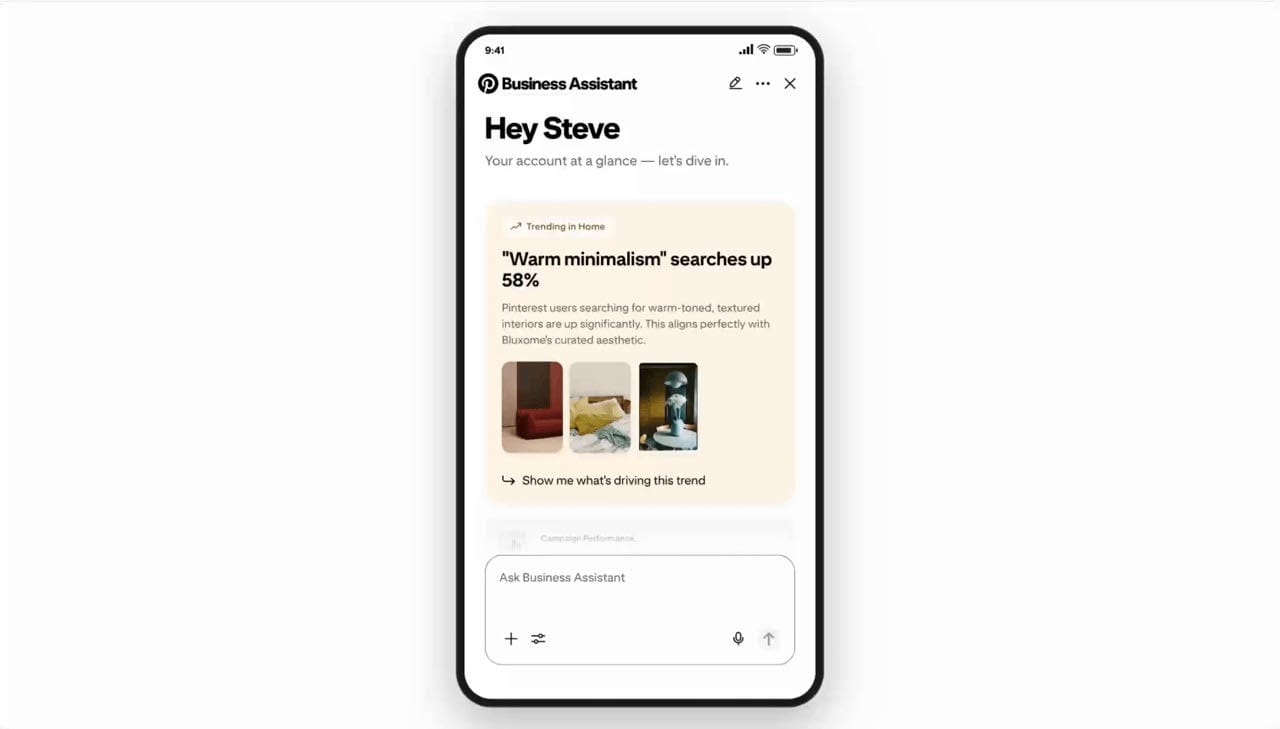
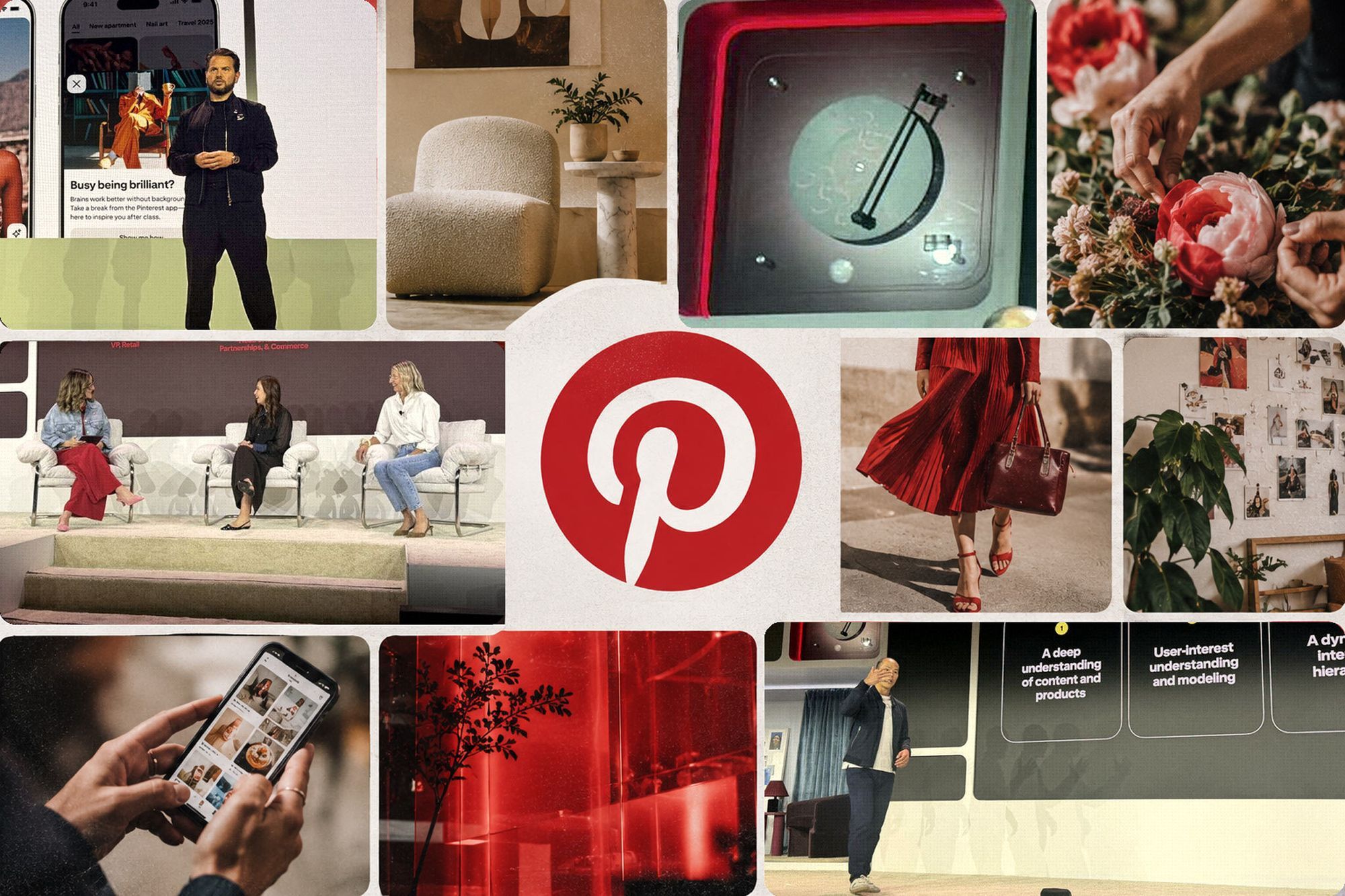
Pinterest arrived at Cannes with a suite of AI-powered tools to empower marketers with more creative, measurement, and management capabilities. At the center of the launch is Business Assistant, an AI collaborator embedded in Ads Manager that surfaces trends visually, and Pinterest MCP, which adds an AI-native infrastructure layer that plugs Pinterest's campaign, analytics, and keyword data directly into the partner tools and copilots advertisers already use, with early partners including PMG, Dentsu, Havas, and Omnicom's Jump450.
On the creative side, the most compelling is Ask Pinterest, a standalone experimental app that explores conversational, visual-first, and agentic shopping for complex decisions like party planning or gift finding (only in the US).
Pinterest featured these new offerings with a very on-brand (and analog) event theme and experience, called Manifestival. The four-day activation featured a branded tattoo parlor, hair coloring services from Sephora, and the Pinterest Patisserie, all using the senses to bring Pinterest’s hottest trends and aesthetics to life.
If the Bot Buys, Who Gets the Bill?
Two-thirds of advertisers say they plan to focus more on agentic ad buying this year, according to the IAB, while even more (78%) plan to use generative AI in media campaigns. Major players in the advertising ecosystem, such as WPP Media, are responding by creating new services and standards.
Buyer Agent for Video, which will be available through the WPP Open platform, will provide agentic buying features for linear TV, CTV, and premium video. WPP Media is working with several publishers and organizations on the launch, including Disney Advertising, Netflix, NBCUniversal, and Paramount, to make sure the agentic workflows are interoperable with publishers.
But the company is also working with these partners on the Agent Standards Initiative to reduce the “risk of agent-to-agent exchanges from agency to DSP and publisher.” The goal is to ensure that any sensitive data shared is governed by all agents involved.


.svg)
