Your $600 Handbag? $1000 Tariff Bill!

Welcome to Wednesday, futurists.
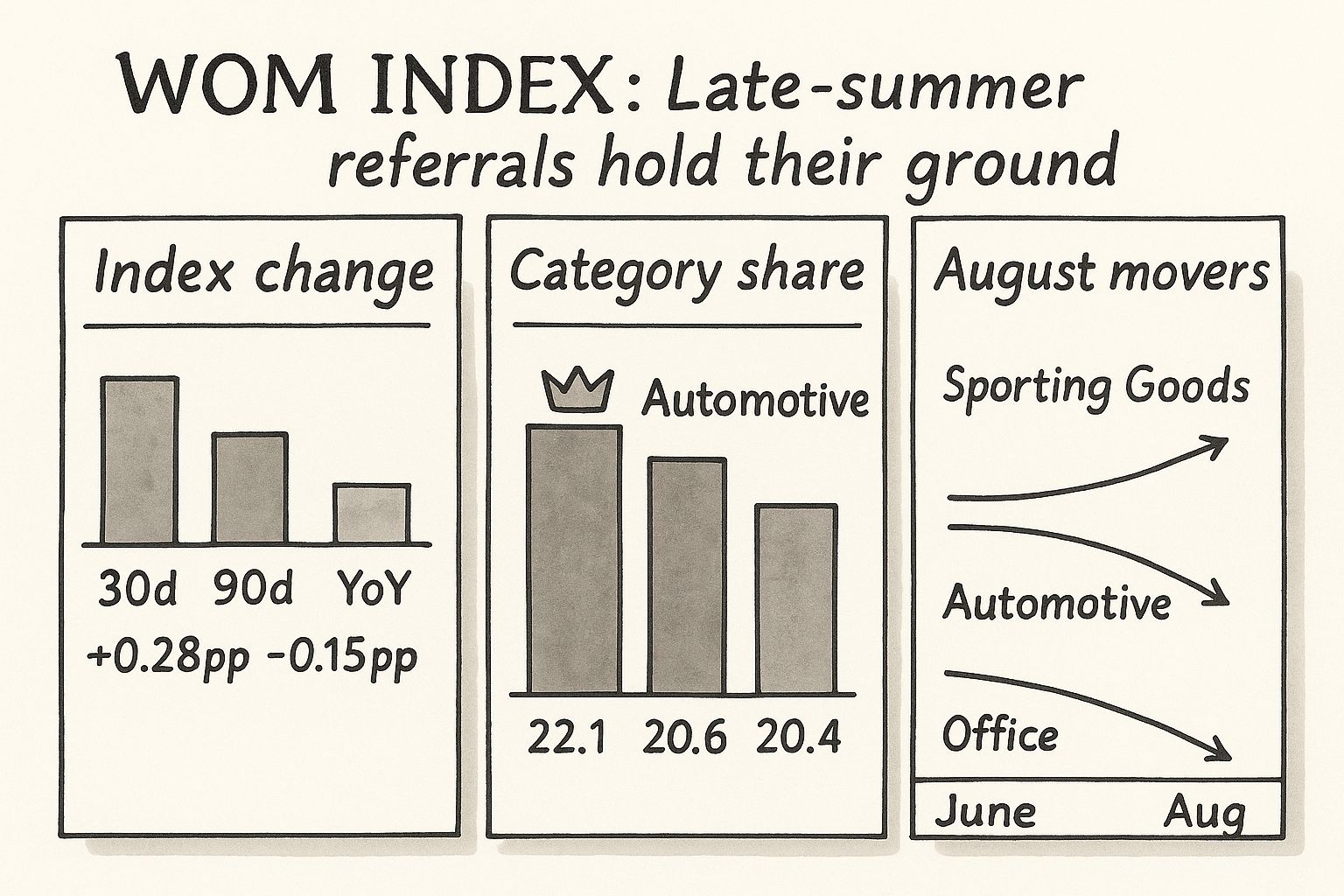
It looks like the group chat is back from vacation. Our Word of Mouth Index remained relatively stable for the most part in August, but increased slightly in the final week.
Translation: Your shoppers are still asking friends, “Should I buy this?” before they check out.
Automotive topped the leaderboard in terms of pure referral power, garnering 22.1% of total word-of-mouth share, with Consumer Electronics (20.6%) and Apparel and Accessories close behind (20.4%). Despite surging sales and foot traffic due to back-to-school shopping activity, word of mouth for Office Goods is still trailing behind.
If you want category-by-category charts, week-over-week timelines, and a full readout on where word of mouth converts, that is all inside Future Commerce Plus. Click here to join.
— Phillip
P.S. Have questions about the Word of Mouth Index and how to apply it to your business? Email [email protected], and I’ll share more details.

Tariff-ic Sticker Shock.
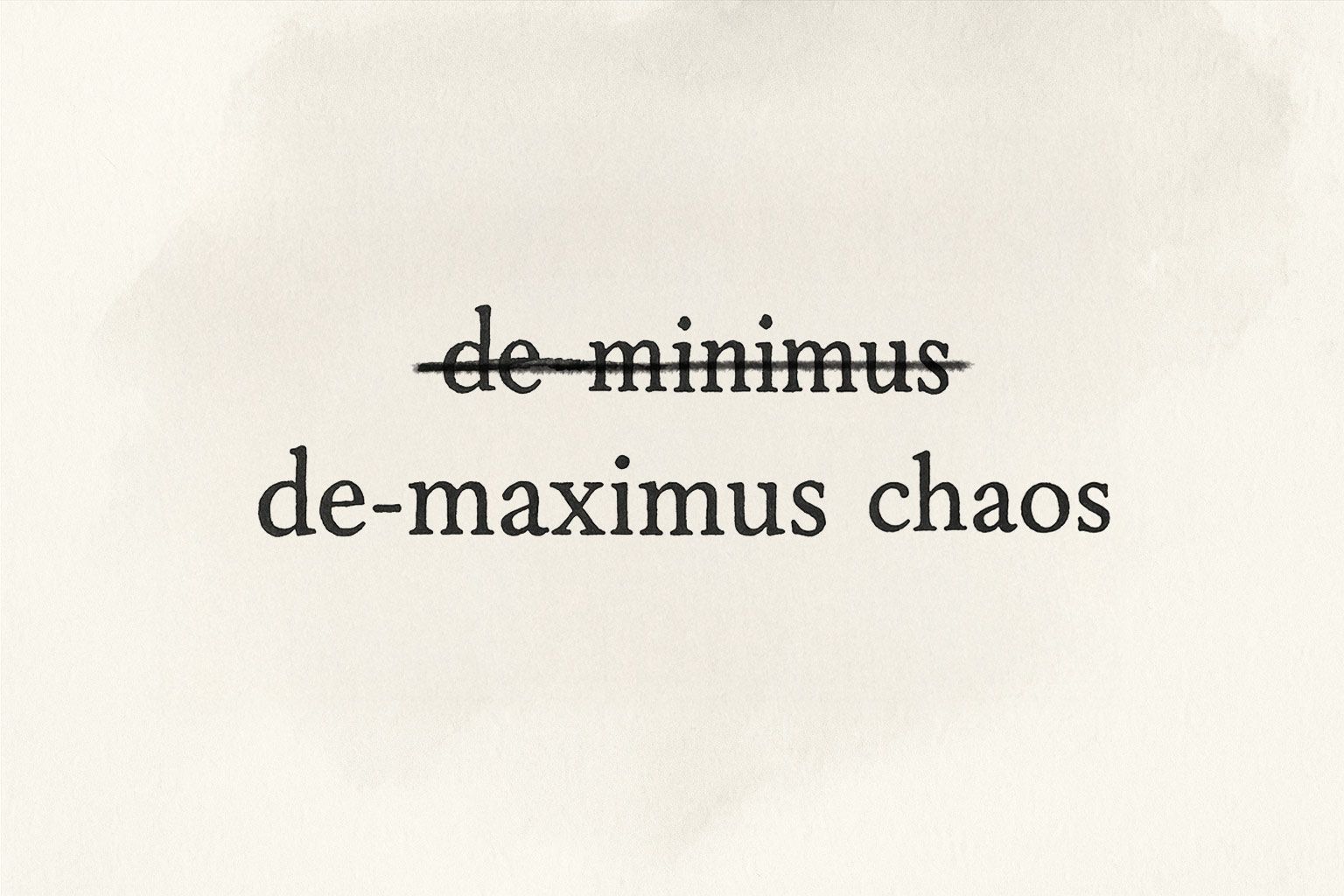
The end of the de minimis exemption has delivered what some experts are calling “maximum chaos.” Shoppers and small businesses are slammed with surprise tariff bills, sometimes double or triple the value of their orders. One store owner who resells European goods got a $1,041.44 tariff invoice on a shipment of handbags worth $600.
Meanwhile, UPS, DHL, and FedEx are all fielding disputes from confused customers, while international postal traffic has dropped by 80%. For resellers with razor-thin margins, these rules could be existential. Tariff policy is reshaping the customer experience in real time, and some merchants simply can’t clean up the mess.
🔮 If you want to ensure your eCommerce operations are prepared for new tariff rules and requirements, check out our five new imperatives for cross-border success.

Silver Screen Slop.
OpenAI is putting its algorithms to work on a full-length feature film. The animated feature, Critterz, has tapped human writers and voice actors, but has relied solely on AI to drive the animation process. The typical timeline of highly sophisticated animated films from Pixar or Disney is three to four years and requires a budget of $200 million. Comparatively, the film’s $30 million budget and nine-month turnaround show a clear benefit to wary film execs, but what does it mean for the artistic integrity of the final product?
Our Take: Sure, the company’s AI tools and image generation capabilities are getting more robust, but they will be put to the test in OpenAI’s quest to create a box office smash. Plus, good quality alone does not make a hit. It is only one piece of the puzzle and only one marker of success. The film will have to win over audiences and get butts in seats, which may prove to be an uphill battle.
We may be relying on AI more in our everyday lives, but we as consumers are still skeptical of AI-generated creative, driving the rise of a counter-movement in which brands and creatives loudly highlight the human hands behind the work. Proof-of-process (and even proof-of-reality) is becoming as important as the product itself. For OpenAI, Critterz isn’t just a test of efficiency; it’s a test of trust.

Bloomie's Has an Art Attack.
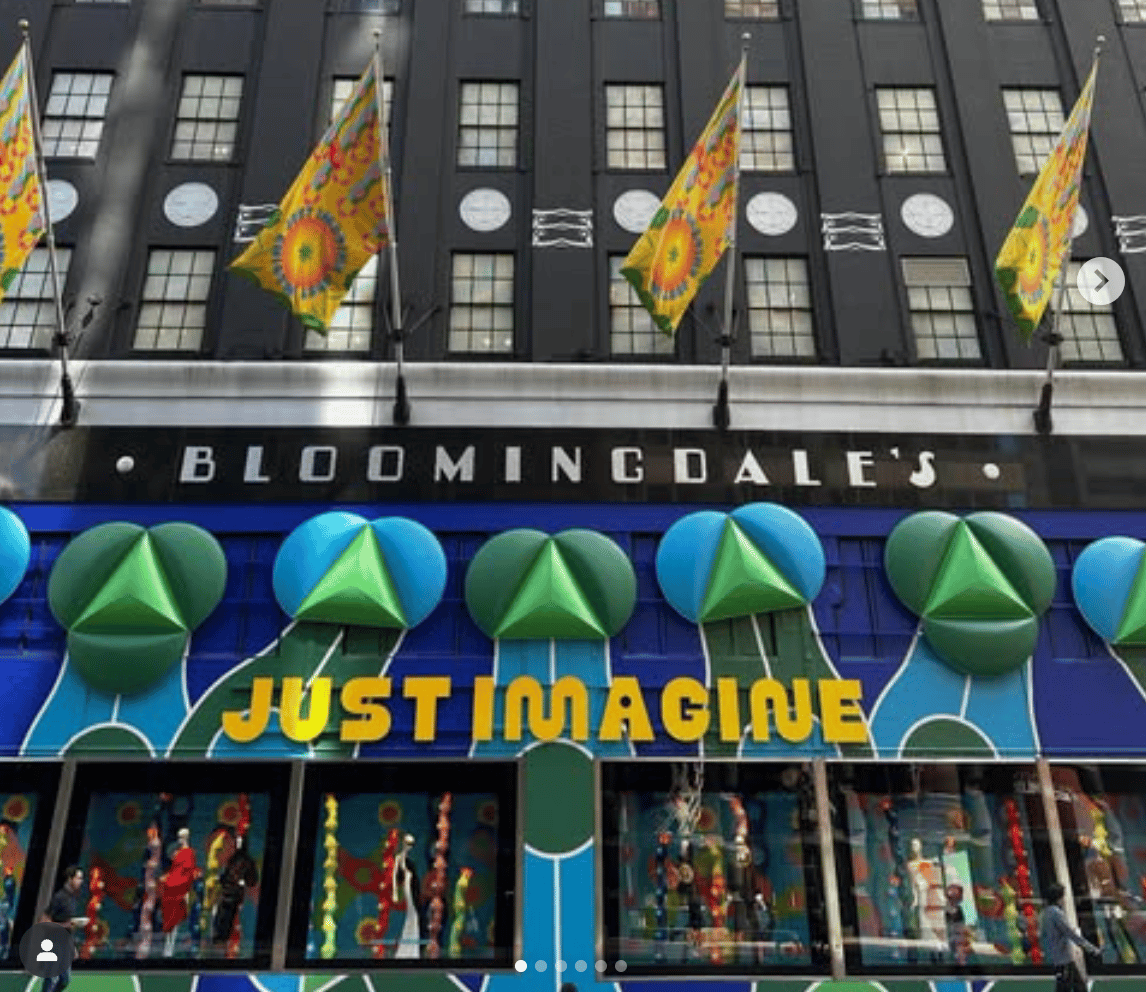
Bloomingdale’s has turned its 59th Street flagship in Manhattan into an interactive playground for art, fashion, and imagination with Just Imagine, a bold campaign led by British-Nigerian artist Yinka Ilori. Vibrant façades, immersive Carousel installations, and a wildflower-inspired interior transform the store into a living, breathing gallery. Exclusive collaborations include Ilori’s playful home and fashion pieces and Angelica Hicks’ irreverent ready-to-wear capsule, which turn shopping into a cultural experience, especially as New York Fashion Week takes to the streets.
The store’s event calendar is also popping with a Scent Studio activation, a Paul Smith installation featuring the work of photographer Saul Leiter, and a denim design studio from Rag & Bone, among others. Across two months, Bloomingdale’s will blur the lines between retail, art, and hospitality, showing that it’s not just selling products; it’s selling identity, creativity, and joyful discovery.
As a major destination in NYC, Bloomingdale’s has invested heavily in its brick-and-mortar experience, including a growing partnership with luxury resale brand Rebag. We spoke with Rebag’s Chief Client Officer, Geronimo Chala, and he shared how the department store is playing a critical role in the company’s ongoing success in brick-and-mortar.
Europe's Latest Export: More eCommerce Compliance Headaches.
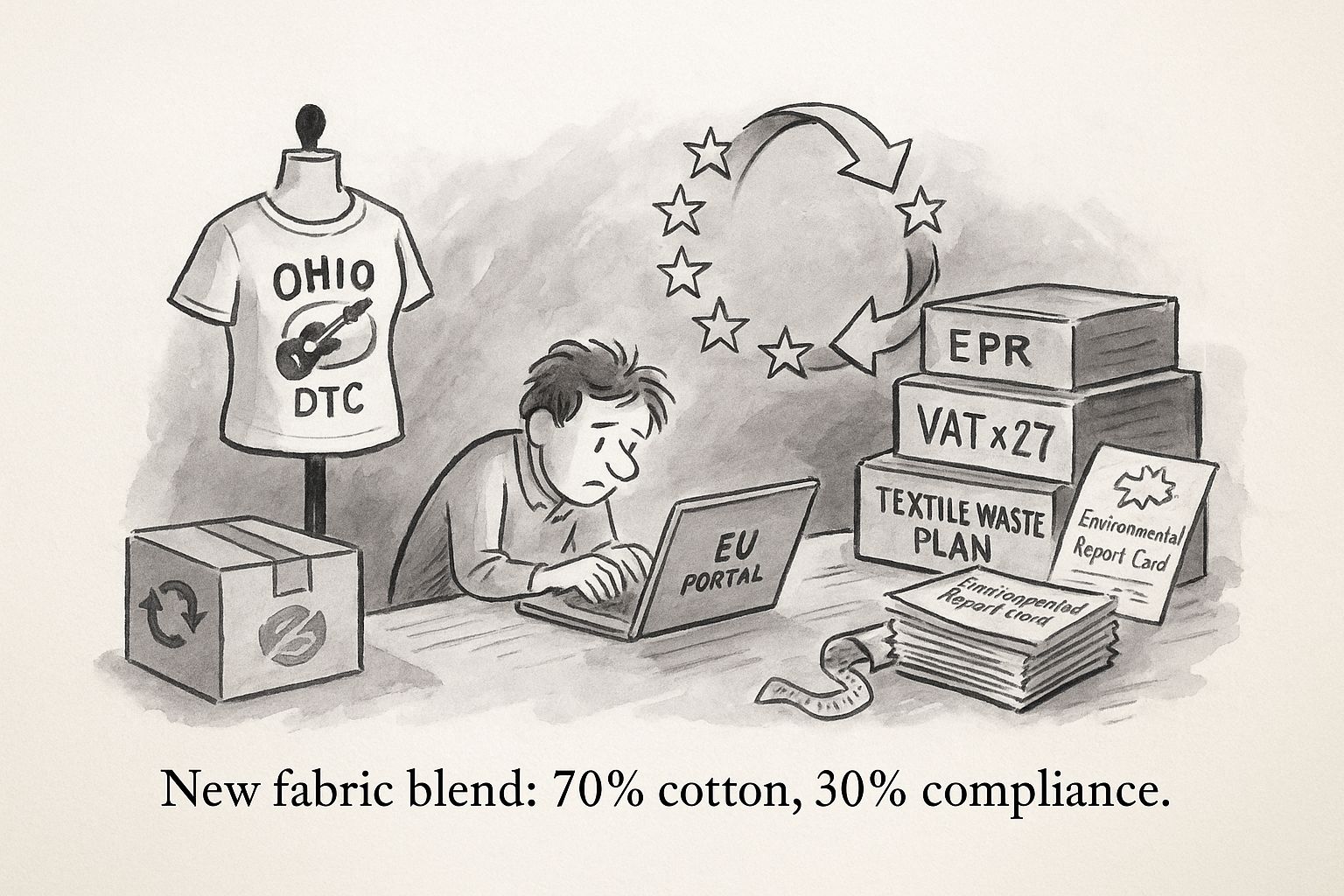
The EU just added another layer to its greatest hits collection of "Laws That Make Global Commerce Annoying." The new Extended Producer Responsibility rules target all fashion brands or textile producers selling into EU countries.
Because apparently 27 different VAT systems weren't complicated enough.
Fashion brands will now pay fees based on how “circular and sustainable” their designs are, turning product development into an environmental report card. The kicker? These rules apply to any company using "eCommerce tools" to sell in the EU, which means your scrappy DTC brand selling vintage band tees from Ohio now needs a European textile waste compliance strategy.
Can you vibecode that in a weekend?

Spooky (but Sweet) Season.
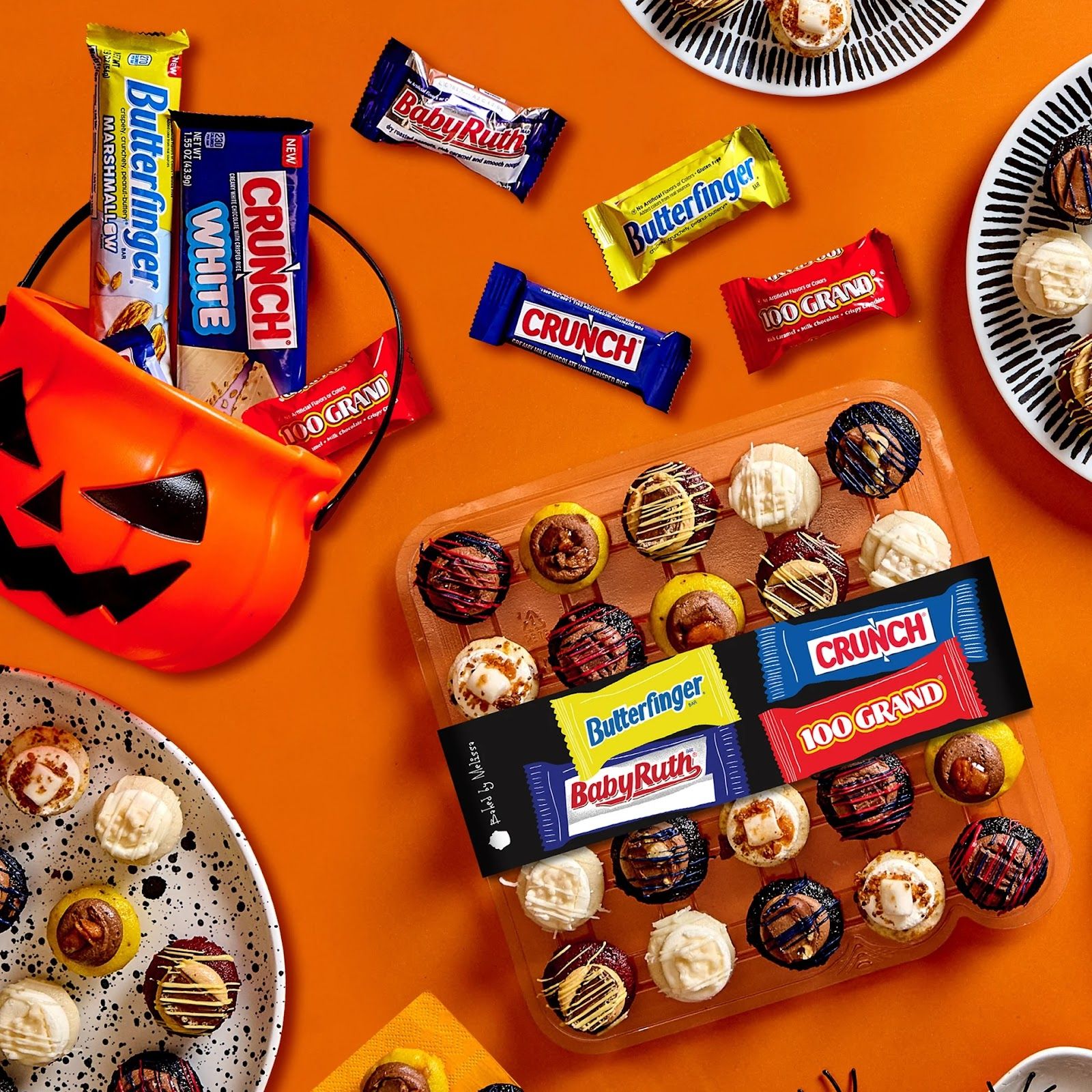
Baked by Melissa has launched a candy bar-inspired cupcake collection developed in partnership with Ferrero. Through Sept. 26, the purveyor of bite-sized treats is offering six new flavors, including CRUNCH White and Butterfinger Marshmallow, in stores and via nationwide delivery, undoubtedly in an attempt to cash in on the spending surge leading up to Halloween.
Baked by Melissa has become known for its pithy brand collaborations, and its novelty-first approach to marketing and product development has helped the brand garner a loyal following. But partnering with such a large and renowned brand like Ferrero for a Spooky Season collab will undoubtedly open the door to more high-demand seasonal drops if this one is successful.
Bowl Movement.
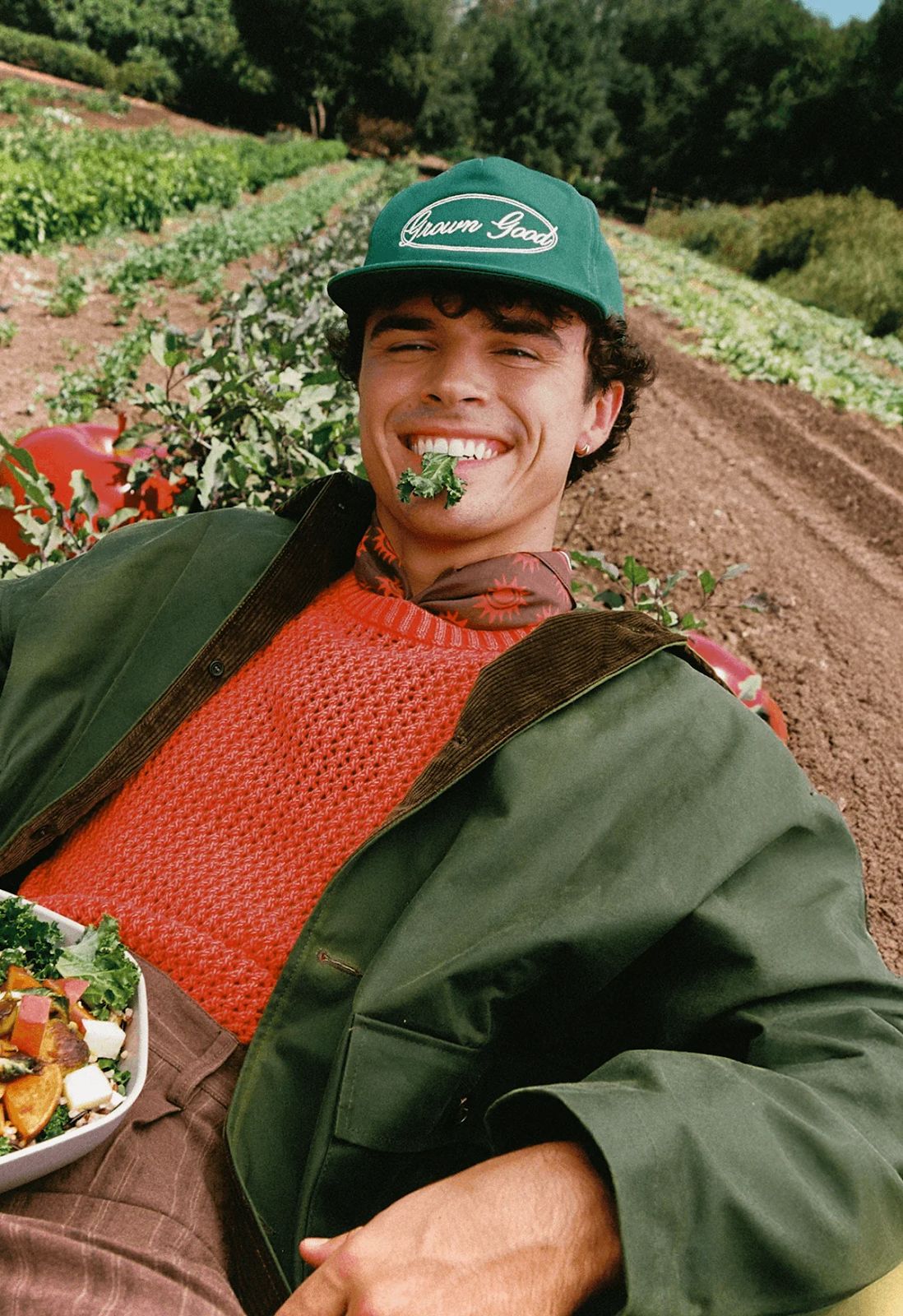
Recent sales results point to a “bowlsop” slump. Following a 7.6% drop in same-store sales in Q2, Sweetgreen is launching a new fall menu and campaign featuring Nic Vansteenberghe of “Love Island” fame.
Hopefully, the reality star brings a big enough draw to get diners to dig into their Autumn Harvest Bowls and Autumn Caesar Salads, but is the campaign strong enough to generate demand for merch? The campaign includes a limited-edition “Grown Good” hat, which has 100% of proceeds going to the Diabetes Research Institute Foundation. Sure, it’s nice when commerce creates good, but this drop has us scratching our (lettuce) heads.

Robot Ralph.
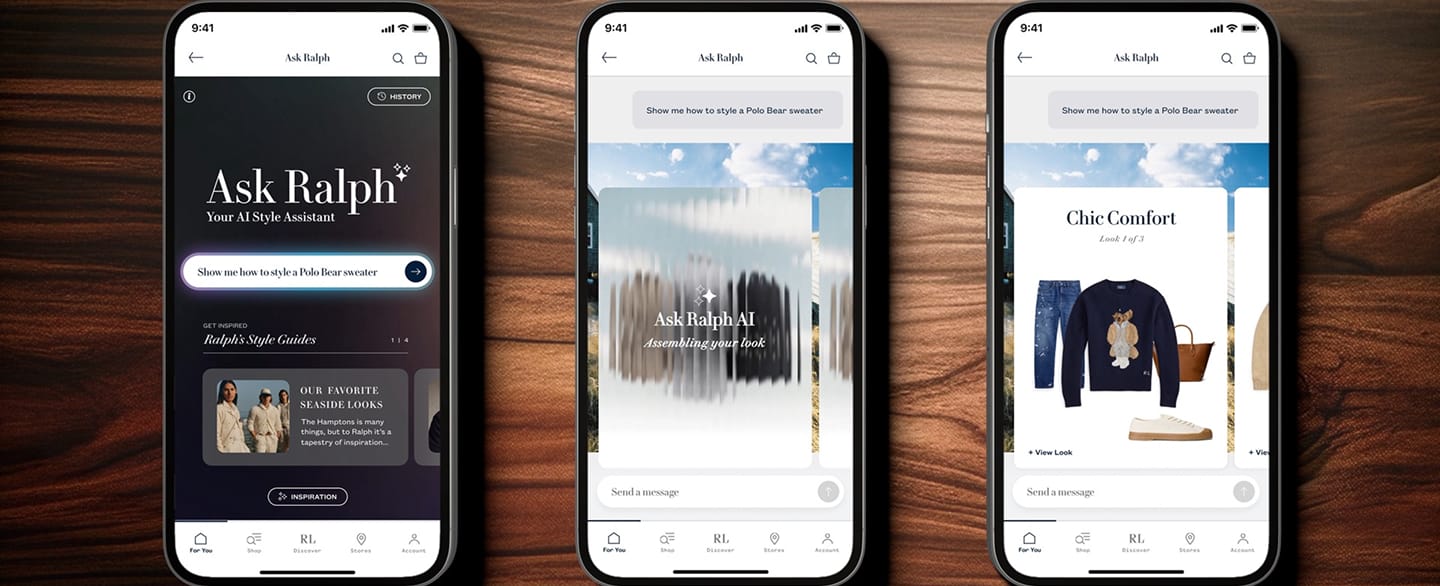
Ralph Lauren has launched Ask Ralph, an AI-powered conversational shopping tool within its US Apple and Android apps. Built on Microsoft Azure OpenAI, the tool allows users to ask contextual style questions and receive customized advice, with input mimicking that of an in-store stylist. Ask Ralph integrates content across Ralph Lauren’s digital channels and allows users to refine recommendations or add items directly to their cart.
Future Commerce’s latest New Modes Research reveals that consumers, especially younger ones, are forging close-knit relationships with their digital assistants and chatbots. By giving its chatbot a known and trusted persona in the form of its namesake, Ralph Lauren will open the door to more in-depth and meaningful digital interactions. Not to mention, by making Ask Ralph’s outputs visual and shoppable, the tool will also significantly reduce the number of steps between discovery and conversion.