[00:00:00] Phillip: Hello, and welcome to Future Commerce, the podcast at the intersection of culture and commerce. I'm Philip, and I'm sitting solo in the chair today. I'm gonna give you a little bit of a fall preview of what is coming up on our docket, but also a little bit of an insight into some of the news, some items that I think are heavy on my mind, some news that I think we've been covering here at Future Commerce, also some stuff that I've been watching and reading that I think are really pertinent right now in the moment. And then we'll look ahead to some upcoming content here as we head into BFCM today. We'll be talking about that, and also a little bit of a preview if you stick around to the end as to what's happening at Vision Summit on November 3. And so a lot packed in here today. And if you are a Future Commerce Plus member, there is a lot on the docket for you here today too because we have a ton of exclusive content and a lot of interesting opportunities for you, so stick around. But the first thing that I just really wanna unpack is there's so much news in the past week or so around economic data that's coming back that's actually quite conflicting. You might have heard in our last podcast episode about some of the wild data that's just been coming out. Shopify had incredible earnings. They had a, you know, what we framed as, like, a monster quarter.
[00:01:28] Phillip: Revenue was up 34%. Shopify had 30% growth of GMV and, like, bested revenue, gross profit, free cash flow. What I think is the real data to contrast that against is US Census July retail report is ecommerce now accounts for 17.1% of adjusted US retail sales. Now, ecommerce is a pretty large basket when you look at how the US Census actually reports their ecommerce sales, but second quarter... so come along with me. That includes a number of things, including, I believe, online car sales. Second quarter ecommerce sales grew 12.2% year over year. Like, let that sink in for a second. And that is compared with a 6.7% growth for total retail overall. So we're shifting our spending more and more into ecommerce. And if you contrast that with a July retail and food service, like, sales decline of about 0.6% from June, we've spent less on food service and retail month to month from June to July. But we're spending more on ecommerce than ever before, and we're spending more on total retail overall year over year. And I just think that... and Shopify is taking the lion's share of all of that. I think all of that is just fascinating because, as I mentioned also in the last episode, there are other countries that I think just do retail, physical and experiential retail, just better. I just think they do. London, for instance, we have an entire slate of field notes that are coming out.
[00:03:24] Phillip: These are our scorecards that we put out for physical experiential retail. You can find out more about that over on Field Notes on the Future Commerce website, futurecommerce.com. Our scorecards break down this return on experience index that we have developed, and we believe that it's no longer enough to just go and go in search of a wonderful, you know, sought after good. Right? It's the experience of the acquisition of the good that is as important or more important than ever before. So this is why you see the proliferation of cafes within retail environments. It's why we have more flagships now than ever before. And we see a lot of that, yes, in the US, but it's mostly in coastal cities. I think the United States especially has transitioned, and we're no longer as bound to retail as we once were. I think we're actually now... it's no longer about the goods acquisition. We are growing. Yes. We're growing in retail, but we're actually growing faster in ecommerce. And I think that's because we're not seeing the goods purchase as a goods purchase. It's... we're outstripping the utility of the purchase, of the acquisition of the good. We're seeing it as the attention that it is due, the attention economy portion of it, as a function of its experience. I hope you understand what I'm trying to say there.
[00:05:02] Phillip: Like, the good is secondary to the experience by which we're purchasing it through. We... we might as well, it could be anything that we are buying. The actual thing that we're buying is unimportant. The experience of buying it online is part of the feeling and the dopamine hit of having bought it. And so the importance there is that is an ecommerce centered channel that it comes through. And so, you know, obviously, ecommerce is thriving. Commerce is growing, but it's growing by disappearing into everything else. Right? This attention economy, this experience economy that we have now, it's like the future of commerce in general may contain more transactions overall, but fewer shopping trips. And if you, like, wanna think about that, like, the consumer's already behaving this way because the NRF recently published this data about value driven back to school shopping and found that 61% of back to school shoppers use generative AI or other AI powered shopping tools for prices and discounts and ideas and recommendations. The way that we're finding value, the way that we're driving our... the style in which we are encountering our needs and wants and goods acquisition are almost entirely attention and experience based now. And so if we're turning to machines to hand off the utility portion of goods acquisitions, then the people and the brands have to then go to experience and to get experience and attention elsewhere.
[00:06:48] Phillip: And then they will compete for that attention, and then the attention will increasingly become organized around shared cultural moments. And that leads me to what we're sort of calling the summer of the monoculture. And we have an upcoming episode around this where we're gonna bring a panel on to talk about the summer of the monoculture. And I believe what we... we have just had... this wild summer where we are having a shared culture and shared experiences. Like, we've declared the monoculture dead. I actually don't believe that the monoculture is dead. I think it's actually come back in a wild way. It might have started a few years ago with F1, but now sport has given it back to us. Right? It might have been... right? It's not just, you know, the World Cup or Taylor Swift's wedding or, I don't know, The Odyssey, the New York Knicks. I mean, I could go on and on and on. There's so many examples here, but it's not just that people are talking about the summer of the monoculture, it's that people are writing about it. There is a monoculture now of people writing about the summer of the monoculture on their Substack. But I digress. We are going to join in the course, and we will have a piece about this. And, you know, we've actually talked a bit about this over the years. Last year, we covered this in detail as we wrapped up our series on Visions and that we've had, you know, Kyle Chayka on the Vision stage in the past talking about the homogenization effect, and we've talked about what I called the hyperculture, which is monocultural effects made hyper... you know, hyperstitious through multiplayer dynamics.
[00:08:38] Phillip: And that, you know, monoculture effects are coming back with shared attention, and in that attention economy, we all want to have our own control. We all wanna, you know, take part in it, and some of that we've written about is like line culture. You know, people want to have these performative behaviors, and people want to take part in product drops, but they want to get in on it with the reseller, you know, ability to gain the upper hand and the advantage to be able to sell something for an appreciated value. If you look at Spotify's summer report, they're talking about how live sports and world tours and film adaptations and BTS and all these other things, they have immediately changed global listening behavior. And so there's a direct impact to how each of these global events are actually changing people's individuality, individual behaviors. So it's not just happening on a mass level. It's... at an attention level, it's actually changing our individual preferences. And so those individual preferences are then changing our consumption habits or consumption behaviors, and then that extends into things like... think about the downstream effects, playlists and memes and then fandom, and then the way that we participate beyond that.
[00:10:10] Phillip: There's a... I'll look it up in the show notes... is that Spotify put out this summer culture stream on streaming data report. And, you know, we're all experiencing now these same moments, but obviously, we're experiencing them through different interfaces. And nothing is more evident than the fact that, you know, we're all fragmented now through X and Bluesky, and some of us send, you know, tweets, and some of us send skeets. I just think that, you know, while we still have this shared vocabulary around this idea of a monoculture and we've got a better vocabulary for culture, I don't think it's a tiered binary of, like, the monoculture is alive or monoculture is dead. But I do think that we do have this connection back to the idea that attention is this economic resource. So brands have to participate in these large cultural affairs, and we saw that. We partnered with Nike earlier this summer, and Nike was pivotal and central to all of the events around the World Cup. And, you know, brands, they don't have to just participate and own a cultural event. They want a credible way to participate in it, but, you know, there's also America250, and there's also, like... you think about the number of things on a global scale that you have to participate in to be part of the discourse, and it's becoming now overwhelming too because, you know, there's the Barbenheimer of it all.
[00:11:48] Phillip: There's always an event, and I do think that brands really are having to pick and choose even more. And I think that that also leads us into the celebrity brand of it all because we are publishing a new signal report. Our newest signal report just landed, by the way, if you haven't picked it up. That one is available to all members. So if you are a free subscribed member or if you are a paying member of Future Commerce, go pick it up. It's available to you right now. Futurecommerce.com/signal, and you can go get that report. That first one is available. The celebrity brand Signal report should be out around September 9, and celebrity brands and creator brands are the purest expressions of this attention economy. And, again, when I'm talking about, you know, the experience and attention economy, we're thinking about the idea that even though we're acquiring goods, it's the experience through which we're acquiring the goods that... you know, the experience is the excuse that we have to acquire the good. Right? And the founder or the celebrity is the means of distribution and the parasocial trust that we have to acquire the product. So now we have, in this report, we are asking and establishing an index through which we are asking how do we get this borrowed attention, and how do we qualify who has, you know, qualified operations and who is most trusted and who has real authority and who still has cultural relevance now? Like, are we still talking about the same creators now three or five years later that really... that have massive distribution, but do they actually have trust still? And by partnering with a research tool that has an incredible amount of social listening and first and second party data that's baked into the platform, we can actually really get down to really mapping out what kinds of brands, and of all different sizes from macro large creators to micro creators who are launching brands, and who has established trust, like who has incredible distribution, but who has really lost the authority within their audience that they... and the trust within their audience that they once had.
[00:14:24] Phillip: And we, you know, we had this interesting guide we had published called Beyond the Buzz, which is sort of a mainstay guide about celebrity brands. If you actually... this is true. If you Google celebrity brands right now, we show up as one of the first one, two, or three results depending on who you are and what your search history is like. It shows up as number one for me. Celebrity brands are really interesting because nearly one third of US adults reported purchasing from a brand that is run by a social media influencer. We've done a lot of research on this.
[00:15:04] Phillip: We published this piece last year, and we found that among Gen Z, that number rises to 53%. 53% of Gen Z have purchased from a creator of some sort, and 80% said that they would do it again. So depending on your age, depending on your generational cohort, you are very, very likely to seek after or to trust that parasocial relationship. I really just believe that celebrity is just a new form of customer acquisition arbitrage. And... but even though customers state that, like, 80% say they would do it again, I don't think that attention is the same thing as retention. So we have to be, you know, really cautious of that, and this new report is going to dig into a lot of that. And I think a celebrity can start a brand. Right? They can lend a brand their audience, but I think the product really has to earn the money. Right? They have to earn the retention, and we've seen that a lot. Right? So many brands have failed. I think we've seen that over and over. I mean, Messi got messy with Más+. And so I do think that, especially in the beverage space, there's so many things to have to sort out there. Check back in futurecommerce.com/signal. The Signal report will be coming out. And then we have a ton of podcast content coming up. We have Austin Leonard of DGMN, Dollar General Media Network, who... they're doing incredible things with first party data, and they're turning audio into a media network within their four walls.
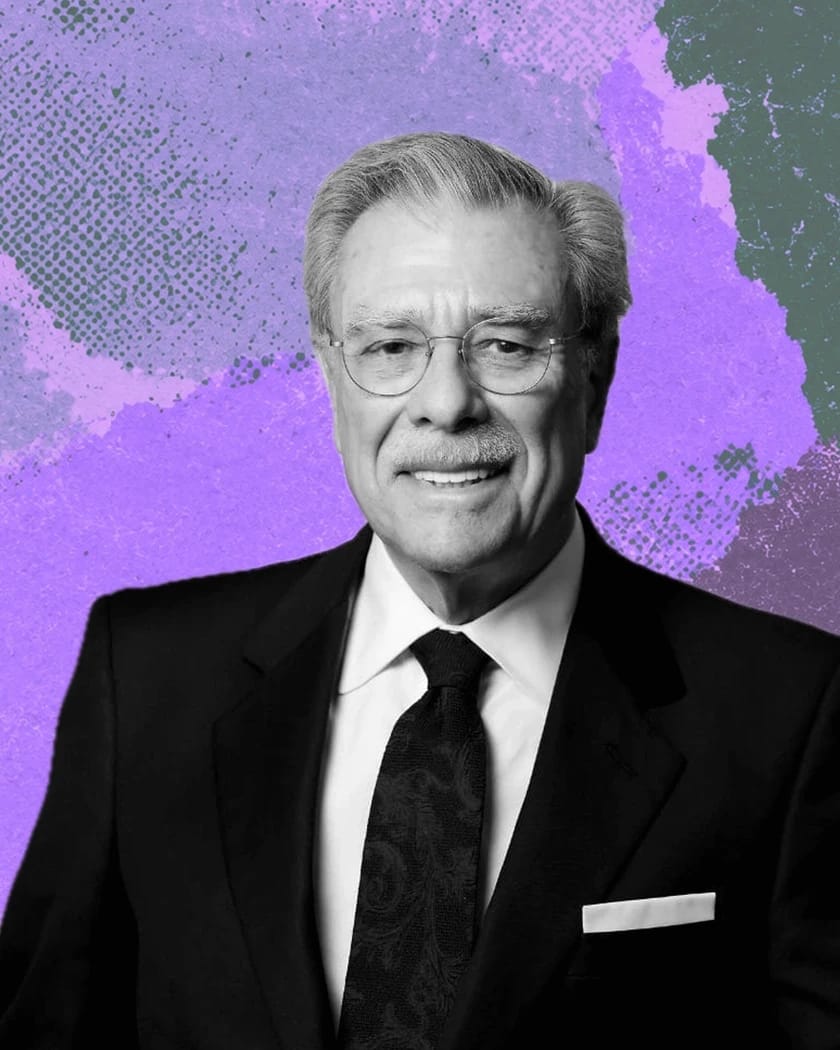
[00:16:45] Phillip: I really think that they have something wild happening, very, very interesting happening beyond just their, you know, the traditional display media networks that exist. And so they're really experimenting. I talked with Austin on the podcast that's coming out in the next week or so about the attention that you give to audio that you never give to information density that happens visually. And so I think that they have something really interesting that I think other retailers will take notice of, and I give some really clear examples of that. Make sure that you tune in to that episode. And then we also have... I'm really excited about... I don't even know how we got this, to be honest with you. The former US Secretary of Commerce, Carlos Gutierrez, is going to be on this show. I can't believe it. I'm very, very excited. The former US Secretary of Commerce under George W. Bush and a former CEO of the Kellogg Corporation will be joining us in just a few weeks' time for the Future Commerce podcast. He has written a brand new book, and that book is called Sheer Will: Learning to Lead When There Is No Path. And Carlos Gutierrez will talk about his personal account of his career, and he'll talk about his road into the cabinet and what it took to lead in a time of great shift and transition in the United States.
[00:18:24] Phillip: I'm really excited to get him on the show and actually talk about the importance and the dramatic changes that the US commerce department has undergone over the last ten, fifteen years, and I would love to hear what he thinks about that. Tune in for that. That's going to be an absolute firebrand of an episode. If we're talking about return on experience, then we have to talk about Field Notes, which is available to Future Commerce Plus members, and that is available to everybody who is a subscriber of Future Commerce Plus. Field Notes will be publishing a lot of content in this back half of the year. From now to the end of the year, you're gonna get Field Notes from a global perspective. And so you'll be seeing Onitsuka Tiger, Paris, RH... that... the whole of the RH, Champs-Élysées, Saint Laurent, and 37 Avenue Montaigne, and that's in Paris as well, Monnaie de Paris. And so we did a whole digest from Paris, and so I can't wait to bring that to you. N.Peal in London and the... Dr. Martens' Soho London flagship, as well as Søstrene Grene, which we talked about on the podcast just a few weeks ago, which is this incredible Danish retail chain that's built around this wild storytelling concept that has, you know, based around two fictional sisters, who go out into the world and they seek all of these goods and they bring them back to you and they sort of push you through this, like, winding pathway, labyrinth, IKEA style.
[00:19:58] Phillip: Really hard to explain. And that's why you're gonna need our scorecard, and you're gonna have to take a look at the field notes. It is awesome. And if you... if you don't live in the United States, you've probably seen these stores, and they are great. There's also Tim's 2020, which I think is an up and coming concept that you're gonna hear a lot more about, and there's so many more. So those are just a little bit of our international editions of Field Notes that are coming very soon. We're talking a lot more about the return on experience, but we're also talking a lot more about how each of these spaces are directing attention through things like hospitality, their architecture, staff behavior, scarcity, and then all of the senses, metrics that we always judge by, which is like scent, sound, touch, history, and all of the neighborhood adjacencies as well. And it comes at a really important time too because I saw this article recently in Le Monde that foot traffic at major Paris luxury boutiques had declined roughly about 11% during the first half of 2026. And I think that that's wild considering that so many of them have been rearchitecting around this idea that luxury no longer has to be inaccessible. This was one of the main points that I went to Saint Laurent's new boutique at 37 Avenue Montaigne because the whole point there is that this is an accessory centered boutique.
[00:21:38] Phillip: They're building a cafe in it, for goodness' sake. Like, the whole point is that they're trying to invite more people in instead of keeping people out. And so this concept that people are coming into luxury less in Paris, where luxury is probably in the highest esteem, is something I find intensely fascinating. So we're turning in our report for our very first report from Paris, something I'd love for you to check out. And finally, that brings me to Visions. Let me tell you what the purpose of Visions is all about. Five years ago when we started Visions, we set out to ask people to think bigger. And when we ask people who are leaders at the highest level of some of the world's most important brands to think bigger, we ask them, who holds the vision in your organization? And invariably, the answer was, we don't know. Or, hey, we have this creative agency that we outsource our vision to. And the truth is that today in the world's most important brands, the vision doesn't really exist anymore. The vision left long ago when the founders left and they walked out the door. So the company is operating on inertia. Right? And the leaders of these businesses no longer can see out beyond the next three months of whatever the shareholders or stakeholders demand as the returns to the business.
[00:23:17] Phillip: We think that that's a real shame. And what TED did for millennials of our culture and said that you have a story, and you need to tell that story, and you can tell it better. We're gonna give you the tools, right, in the community and equip you with people who are on our stage to give you inspiration to tell that story better and maybe tell that story a little shorter because we're all attention starved, and we have shorter attention spans these days. That's what we want to do with Visions. Right? We wanna equip you to have bigger vision. We wanna put people on our stage who have phenomenal, tremendous vision, who have executed incredible things within their companies, within their creative endeavors, within their own creative pursuits in the world, whether they're architects or musicians or they're YouTubers or they are some of the most incredible operators of the world's most culture defining brands. And we wanna bring them into the room for one day to create a community of people who can act as your accountability. So you can create a network of people to help you to think bigger about the world that you operate in. And these are leaders from retail and technology and brand and art and design and media and advertising. And these are people that help you to create meaning and to direct your attention and to help you to build the brands and build the network and help you to build your career for the years that are coming ahead.
[00:24:51] Phillip: And why do you need to think bigger? Why do you need to think bigger and have bigger vision in your business? Because the vision that you communicate right now is not just to your organization. You're not just communicating your vision anymore just to the human capital within your business. You now have to communicate vision to machines and put it into machine language. Because increasingly, we are automating more and more of our vision, and it's going on autopilot. And in fact, the speed and the pace of an acceleration of our operations is at the point now that we need to think bigger. And so you need vision, and you need to be at Visions where we turn this whole thesis into something physical. You need to be in the room, and it's intentionally intimate. We only have about 450 seats. It's not even just in, like, who's on stage. We have Yancey Strickler. He's the cofounder of Kickstarter who's now onto a new venture. He's starting a brand new type of corporation in his new organization. But we're gonna talk about retail media. Right? We're gonna have Sarah Marzano talking about retail media. Yeah. We're gonna have Chay Costello from the MoMA's design store talking about how their retail concepts and how their ecommerce are paving the way for a whole new set of consumers to encounter culture through commerce.
[00:26:19] Phillip: And we're gonna have Adam Domian who thinks up all the ways for Paris Hilton to engage in commerce and all of her brands. We're gonna have the Westfield Labs people, and we're gonna have Syncope Design Labs folks talk about how neuroscience impacts the way that brands behave in the world and how they engage consumers on a brand new level. We're gonna talk about the agentic shelf. We're gonna do all of the AI stuff too. But the thing that you need the most is to enlarge your vision, to think bigger, because your business is moving faster, and you need to communicate that vision better. So get ready. Visions is coming November 3. Would love to have you there, and you can register at futurecommerce.com/events, and I can't wait to see you there. Remember, you need to subscribe to the Future Commerce Podcast. Leave us a review. It'll help others to find this podcast wherever your podcasts are found. You can join FC Plus for the complete Paris and London field notes. You don't wanna miss those. And remember, you can get the celebrity brands and the holiday signal reports and the current GLP-1 report at futurecommerce.com/signal, and register for Vision Summit NYC coming November 3 at MoMA in New York City at futurecommerce.com/events. And the Future Commerce Visions website is coming very soon. You'll have more details there. Thank you so much for listening. Remember, commerce shapes the future because commerce is culture. We'll see you next time.




.jpg)
.jpg)
