[00:00:00] Phillip: Is culture truly accelerating? I don't know that that's actually true. This is a question that I have because we have been covering culture in commerce for almost a decade at Future Commerce. What I do think is happening is that we have insight today into facets of culture that we've never seen before. And if commerce truly is culture, and I believe that it is, it means that we have a unique opportunity in a brand ecosystem to be able to deliver moments of commerce into culture that we have never been able to do. It used to require people to go into a retail experience and actually pull out their wallet. But today, they can be on TikTok. They can be in social media. Now we can be in WhatsApp or RCS. We have moments of inspiration that deliver into a transaction within mere seconds. So the future of the funnel is no longer linear. The future of the funnel is perpetual. And in this series, we have covered so many topics. We started with the age of autonomy, talked about how the consumer is becoming more sovereign from institutions and how they want more control. We also talked about how memory is the moat. We talked about the challenges of owning the social moment and how you need better platform tools to be able to deliver a social promise with your customer.
[00:01:19] Phillip: But it all comes down to whether you can actually deliver on the funnel that you set up. Today, we are going to sit down with Kelsey Capps. And Alicia Esposito from Future Commerce is gonna have an amazing conversation about how technology and tools are not enough. Understanding this moment and how the funnel works is going to help you get the edge. Let's go live to the conversation that took place right here in this room at the Tobacco Dock at K:LDN 2026. One thing I keep hearing from marketers is that the job doesn't get any smaller even though we're using AI. It's actually getting a little harder. You go slow, slow, slow, and then fast. And that makes the job a little strange for marketers because the expectation now is more personalization, more channels, more testing, more speed, and then more relevance. And as we're hearing in this season, more context, more customer context and more automation. But somehow, we're doing it all with less headcount. And that's why Klaviyo's latest release caught my attention. So as you may have heard, Composer is what's allowing these teams to live less in a tool, building every campaign, every message, every workflow, and making CRM more of an operating layer that helps you to get work done. And that super matters right now because B2C teams are carrying more channels and carrying out more customer expectations and personalization pressure and somehow doing it all in the same number of hours in the day.
[00:02:51] Phillip: So this newest release is built to take more of that busy work off of your plate. Composer can audit your campaigns and identify what's missing. And then there's Customer Agent, which can resolve shopper questions across chat, email, SMS, WhatsApp, and now in more than 100 languages. And Klaviyo's social marketing can turn Instagram DMs and comments into profile data that triggers all of your flows. And I think that last one is super interesting because social interactions, they usually disappear into the platform. With Klaviyo, those signals can become part of the customer profile that actually shape what you do with that data next. And so this release is not just more marketing tools. It helps you actually have customer relationships in your system. So no more copy pasting, no more hopping across channels, and no more "did anyone follow up on that" in your team Slack. You need more connected data and more automation, and that's what Composer and Customer Agent and Klaviyo Social Marketing all help you to do. That gives you more time for the work that actually needs a human. So you can see all of this that's available right now from Klaviyo at klaviyo.com/new. That's klaviyo.com/new. Now let's get you back to the show.
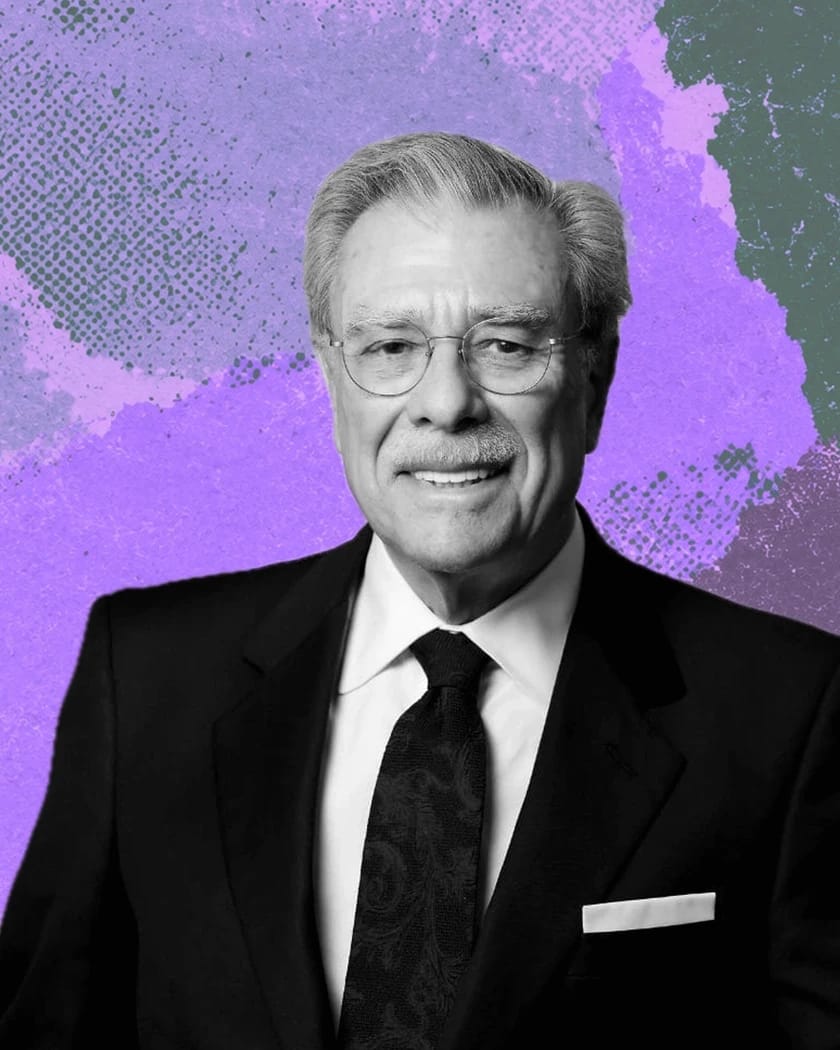
[00:04:09] Alicia: Hello, everyone, and welcome to Future Commerce. I'm Alicia, and I am closing things out with Kelsey Capps, and we are at Klaviyo London. We are gonna run out our five part series where we're really distilling some of the key themes, key conversations, and also incredible success stories that we've been hearing from your champions over the past five days. Kelsey, thanks so much for taking the time out.
[00:04:31] Kelsey: Yeah. Absolutely. So happy to be here.
[00:04:32] Alicia: So your role, you are product team lead of analytics and personalization AI. All things that we've been hearing a lot about over the course of the day. But to ground us, why don't you share a little bit about your role, your purview, and basically what you oversee day to day?
[00:04:48] Kelsey: Yeah. Absolutely. So I am a product area lead. What that means is that I have many different teams that I'm operating across. I have roles of PMs, but also there's different competency areas across analytics, personalization AI. What that means is all of the predictive modeling that is being built to allow these one to one personalization moments. And then additionally, part of analytics is actually building the analytics agent layers that roll up into all the agentic services that Klaviyo offers. So it's not just cool features that you see in the app. It's actually the data infrastructure below it that gives you the power to actually use your data intelligently.
[00:05:23] Alicia: Excellent. And over the course of the conversations we've been having with your team, your champions over the past few episodes, we've been hitting on all of these core areas: social, service, customer experience, the data layer that is so central to enabling this personalization. And I think they all kind of ladder up to this idea that we've been covering a lot of Future Commerce, which is this notion of perpetual commerce. So the customer, whether they know it or not, is always shopping. They're always interfacing with commerce. And that idea kind of connects to this notion of the funnel collapsing. And I'm wondering, in your conversations with partners, clients, how is that coming up, if at all, in strategic conversations or conversations of how do we keep pace with how the customer is changing?
[00:06:11] Kelsey: Yeah. It's interesting you say that about the funnel collapse because I think a lot of brands used to think they just owned this funnel, and they could build these funnel analytics and these reaction moments where you'd have the sequence of events. It was like a customer engages with your brand. They sign up. Maybe they interact with an ad, click on the ad, browse on your site, add something to cart, purchase, maybe come back and purchase again. Like, it was a very clear funnel that they knew and understood. But that, and it wasn't just gradually, this has started to disappear, like, almost overnight as people have engaged more with social and engaged more with agentic commerce. You're actually seeing a moment where a customer might see a brand or see a product inside, like, the comment section of a TikTok. And then they'll go and engage with it and go buy it and then be so excited about what they're about to do, make, like, another video about it. And so they're becoming both a purchaser and an advocate in this moment before the brand might even know that they're a customer. And so you're, like, losing out on these signals. And the brands who have built their entire tech stack and their entire ecosystem of, like, how they do marketing around the concept of this sequential funnel, like, haven't really adapted to this new world order that's happening. And so you hear brands that are concerned about, like, how do I track the right signals? How do I actually meet the customer where they are? Because the customer is the one who's actually controlling at this point what channels they engage in, at what moment, how quickly this is all happening. It's not just what they saw and what they buy, but across all of these different signals that they have. So brands are starting to really understand that they have to be more agile and use a lot of the technology available to them to be as reactive as they need to be in, like, today and age.
[00:07:55] Alicia: Yeah. I'm glad you brought up the nuance of it not always being a brand controlled environment. I actually did see an article that a lot of the conversions or purchases that are happening through TikTok specifically, those are activated through comments and authentic conversations. And brands are not always gonna be part of that directly. Right? I think they are mentioned, but those are intense signals or opportunities that they need to capitalize on. So with all of that, what mental shift is required from, like, the team level to best evolve, like, their process, their culture, their tech? Because I could imagine there's a bit of unlearning that needs to be done, right, for them to steer away from this sequential model that we're talking about.
[00:08:42] Kelsey: Yeah. I think the mental model that customers need to, and when I say customers, Klaviyo customers, the brands that we work with. What they need to start moving towards is, a lot of marketers are thinking of this, like, your campaigns, your marketing calendar, this concept of batch and blast. Like, I'm gonna send it, I already have this concept of what segment I wanna send it to, and I'm gonna send it to them on a Tuesday, or I'm gonna create this Instagram campaign, and I already know exactly who I'm thinking about targeting. But, really, what they need to be moving to is this idea that there's all these signals that they're getting of what someone's clicked on, where they are, what they've engaged with, even what they've ignored, and that it's not about already having that plan in place, but more about building the right operating model so that their system can be reacting, actually, like, acting on those signals as they're coming in. And this is where things like automations and flows, triggers, and especially one to one personalization that's already built into that operating model. And that's the shift that people need to have, is not so much saying, like, I'm already, I have this one campaign in mind. This is who it's gonna go to. This is the product announcement we're gonna do. But really understanding customer behavior, where they're engaging with them, what signals are really coming through, and then building all of the right touch points and action moments around them so that their marketing can actually be working for them. And a lot of brands are like, the creative, of course, still matters. The creative and the brand voice, that is enormously important. But the operating model isn't a marketing challenge. It's a data and infrastructure challenge. And a lot of brands have put off making sure that their data and infrastructure is at the right place and maturity to actually feed up into all of this operating model and marketing systems built on top of it. So I think that's where the shift really needs to go.
[00:10:30] Alicia: Interesting. And so over the course of this mini series, and honestly something we've been covering a lot, is this idea of autonomy. So on one hand, businesses are looking to automate their functions, like you're talking about campaign design and orchestration, flow development. But then on the other side, consumers are seeking and now have that level of control as well. They're accessing AI tools and LLMs to dictate not just when and where they engage with brands, but how. Like, to what level? Like, what do they want that experience to be? What fulfillment or outcome are they looking for? So knowing that, like, I guess the rules of engagement are changing between brands and consumers. We talked about the data layer, but what else does it demand from a cultural standpoint or a team collaboration standpoint for brands to be able to turn this into an opportunity? Because, I mean, Klaviyo has announced some incredible new innovations and offerings to kind of help address this. But has it all kind of come together, I guess, knowing that consumers are engaging with brands with a very specific mindset?
[00:11:43] Kelsey: Yeah. Actually, it's interesting. I just did a segment earlier today at K:LDN that was all about agentic shopping. And this is what you're saying about the customer autonomy of, like, they're now controlling, like, where they're engaging with the brand, to control the channel, the moment, the time, and way more than the brand does because that person is in this moment of, I'm seeking out a product. I'm seeking out a solution to a problem that I have, and brands are what have those solutions. Right? And so in our agentic shopping, one of the things that marketers, and especially, like, the marketers within brands, is understanding that customers more than ever are seeking out things in a very personal way. They are asking an agent, not just typing "red sweater" into Google to look for a product. Right? They're saying, like, I want something that's gonna fit winter. What's the color of the season? Also, I think wool is itchy. And what do you got? And so it's very, like, these "I" statements, it's very personal. And they're the ones who are saying, this you need to come to me. You need to meet me here. And that's where our marketing teams need to think about, are you actually giving that level of granularity and detail to your product pages? Does your website have all of that, like, beautiful color to it so that as things are getting scraped, are you involving, like, an agent, a customer agent on your site that can be also taking in those signals from customers, because customers now expect a lot. Before, people were like, oh, I don't want your AI bot on your site.
[00:13:08] Kelsey: Yeah. But it's normalized a lot. Right? Like, now not only do they think this is normal, but they actually expect a certain level of quality from that agent, to be like, I need you to actually already know a lot about me. You need to know that I have an order that's in, like, shipping to me right now and that I already, like, what that is and have this history. And so where marketers can bring this all together as teams is understand, and I know I keep coming back to the operating model, but it's not just, like, creative teams that are planning a campaign and putting it on a calendar. It's actually teams understanding, like, who their customers are, digging into that consumer behavior, understanding, because customers don't wanna be just targeted. They wanna be understood. And I think that's always been, like, a slogan someone could put on a banner. But now more than ever, that's actually so important into how brands show up to those customers, and marketer teams need to think that way and then build their entire system and infrastructure and operating model around making sure that you're pulling in all those signals to personalize that experience one to one.
[00:14:06] Alicia: So we talked a little bit about the customer experience, but part of it is being found and being part of the conversation. And, you know, what's really interesting about this whole notion of funnel collapse is that, you know, inspiration, discovery, comparison, conversion, like, it's all happening in one place. It can all happen at the same moment, essentially. So with that in mind, I mean, what does the next generation of brands and even brand building look like? Like, what is that going to require for a brand to not just be found, but create meaning, I guess, in consumers' lives?
[00:14:46] Kelsey: And this is going back to what I was just mentioning a moment ago about really optimizing your site and your brand voice to all the systems that kind of pick up on that. But where brands need to, I think, shift thinking about, like, if this is all actually happening all at the same time, the discovery, the purchasing is now potentially all happening inside of an LLM. Of, again, making sure that they have optimized their own products and are thinking about how they show up to customers in that way, that, like, do I understand where discovery is happening? Am I staying on top of, like, the newest discovery moments? But even more so is making sure that they're using the right tools and technology to automate their teams, because teams, like marketing teams, having all of this advanced time to prepare for what that consumer is gonna do next, that's really collapsed in, like, it's compressed a lot. And so this is where we're telling a lot of, and just very tactically, even in Klaviyo, we see a lot of marketer teams, the concept of a campaign and an automated flow. You'll actually see a lot of the effort that marketing teams and brands are putting into that is like 80% campaigns and only 20% are often, less, into these automated workflows that are reacting to customer signals in the moment, that discovery moment of, did they come in? Because you are able to see when someone came to your site from, say, ChatGPT.
[00:16:05] Kelsey: Like, that's just a UTM source on an event, and I'm getting a little data heavy. But, but really, that's very tactically, like, visible to a brand that they could automate a workflow around. Like, if I know where they discovered me, can I react in that moment with a triggered flow that'll send within minutes to that customer and react to knowing how they discovered me, where, what content they engaged with, and the brands that are actually building those systems and building all these triggers and using things like our next best product, which is, like, finding that product based on what the customer purchased last, using personalized send time, which is understanding when does this, like, you might look at your inbox and kinda engage with marketing emails when you wake up in the morning? I might be someone who ignores my inbox until 3PM or maybe on my lunch hour. And capturing that attention in that moment, these are all the kind of personalization and, like, automation of your own team and your systems that will make these brands very, very successful. And that's where I see, like, even tactically, newest brands that feel like they're on the cutting edge still have a lot of work to do.
[00:17:08] Alicia: Yeah. That's very interesting. And all of the work that the Klaviyo team has put in and all of the announcements that we saw come out of Klaviyo London, Composer, the social side, the service side, they're all kind of working together to make that orchestration a reality. And again, it's just serving that data lever that we've heard so time and time again around, you know, we have so much data, but we don't know how to use it effectively.
[00:17:36] Kelsey: Yeah. And that's where at Composer, we're really planning, like, what we're building into the system. We know that, I'm gonna mention all these signals and all of this data. The thing is that that's there. And a lot of times we're pulling that in. But, again, marketing teams just don't have the model already set up or even the time to think about it much. And so what we wanna do with Composer is give you that orchestration moment where you can say, hey. I need to, I have this one particular push, this one campaign, this one moment I want to build and automate. And Klaviyo system itself should know all of those personalization tools I mentioned, all those different signals that you can either trigger a message send or personalize timing or content or even the audience itself of who gets it and when and why. All of that, that's a lot to keep track of in a marketer's head. And so the whole point of Composer is that it actually has all these tools in Klaviyo available to it. As a marketer, I can come in and say, this is like the program I need to build. This is what I want my customer's experience to be, and then it can help pull in all the right ways to actually leverage that and build it, and making them smarter too, giving them insights, helping them understand the performance and test and optimize a lot of things that marketers have traditionally wanted to do, but not always had time for. And so now that agents are just so ubiquitous and more and more native to platforms, especially in Klaviyo, which we're putting a lot of our attention and effort into, is that it's meant to make this easier for customers. And when I say that, I mean the brands.
[00:19:03] Alicia: So we've been talking a lot about how teams must reorganize, reorchestrate, and how technology is kind of helping facilitate all of that. But it all kind of ladders up to what we call the brand vision. And I'm curious because we've heard vision come up quite a bit in some of the sessions, especially the morning general session. Do you think this era of autonomy is kind of creating urgency for brands to take a hard look at their vision, almost like reassess, maybe reset it in this new age? Or is AI essentially just making the vision stronger and more important than ever before? Like, I'm curious how you think about the juxtaposition between those two things because we've talked a lot about strategy and tactics, but we believe that those two things will always kind of fall a bit short unless there's a really strong vision. So how do you think those things kind of play together?
[00:20:00] Kelsey: I think that, I mean, what I see a lot of from brands is that if they have whatever product line they're bringing to the world, there's someone somewhere who's super passionate about it. That is like, this is, I've made hiking boots because I want people to be better hikers, or I am making this coffee line because I'm super passionate about, like, coffee beans and exactly how they're roasted. But whoever these brands are, their vision is really like getting that product built and out into the world. And I would say that the vision, like really focusing on your brand voice, who you are, your story, building that relationship with your customers, where AI can help is that it's giving them the insight and the ability to get to, via our analytics and that data infrastructure we talked about, not just tactically and strategically of how you act on it, but just helping them understand who their customers are can help them build better vision. Because if you know where your customers discover you, what products they're interested in, what products they've tried and liked or tried and not liked, where also trends, macro trends, are going. AI is actually making it, I'd say, more accessible than ever for customers to get at that data, both first party data, which is their most powerful type that lives in Klaviyo.
[00:21:08] Kelsey: But even, like, trends and macro events and things in the world, like, how do I use all of this to make my product lines, where I'm building my merchandising strategy? What new countries am I going to expand to? Am I actually targeting the right demographics? Am I treating my customers the way they need to be treated for them to feel, like, most likely to buy, but also that I feel like I'm being successful? That's where I think all of this can come together to help them build the vision. And when that's really, really strong, all of this operating model and data infrastructure is what allows them to now act on that, but also act on that in a scalable ongoing way that still, as they scale, allows that experience to feel personalized for every single consumer. Because you don't wanna just be, you know, batch and blast where everyone's getting the same message. They really do. They feel it. And I think even when consumers, and I know that there's always concerns about privacy, but even when they are concerned about privacy, at the same time, if they get a message that's about something that they've never been interested in or about a product that they would never have bought, there's a certain trust that's been broken there where customers actually expect more of brands now.
[00:22:18] Kelsey: Like, I got a message from a sandwich shop near me in Boston. I'm based in Boston, and I always get the turkey sub because I love turkey, and they sent me like a thing about their, like, oh, get another meatball sub. And I'm like, okay. First of all, I've never bought meatball. I've never had that. Excuse me. I would not buy that because that's very messy in the middle of the day. But there was a moment where I was like, and of course, I'm in the industry, but I think even regular consumers were like, I've never bought that before. And all of a sudden, like, that was first party data they potentially had that wasn't used well. And, like, that's where the vision is still owned by the marketers, the creatives, that's enormously important, but they could have been doing way better job of just feeding that now into the system that is working on their behalf to make that all feel right for every single customer at the right moment, right time.
[00:23:02] Alicia: It's pretty incredible. I feel like this type of conversation has always been confined to talking shop, so to speak, in the four walls of industry events and interviews. But now you're talking to everyday people, like your family, your friends, and they're having very similar conversations around data collection and how their data is being used, the level of personalization. So it just goes to show that that sophistication is not just happening in, like, the actual, like, searching of a product. It's in the conversations and the word-of-mouth that they're sharing about brands for better or for worse. But, as we kind of close things up, you know, we have seen so much change and innovation happening within the past year alone. If we were to look out, maybe, I was gonna say five years, but I got too aggressive. Maybe three. What is one thing you're feeling especially optimistic about, excited about? And how does it almost raise any urgencies or alarms for the folks in the audience that are having to keep pace with all of this.
[00:24:05] Kelsey: Yeah. I mean, I mean, I didn't even go as far as to say within the next twelve months. I mean, things are changing so fast. What I say I'm really optimistic about is that, so I've been in data and analytics for, like, fifteen years. And what I've seen is that often really, really big enterprises have been the only ones with, like, the budget and resourcing to really leverage it. And with all of the new technology that's been coming out, these LLMs, these AI tools, the more and more even, like, SMB to entrepreneur level platforms that are supporting these kinds of businesses are building their own agents and building all these, like, ways of giving folks access to this technology. I think what I'm most optimistic about is that the ability to actually use the data that they have, the first party, because even your smallest mom and pop shop, little coffee shop, or a retailer. I was just talking to a perfume seller out at K:LDN who's very, very new, has been less than a year live. They have a very small catalog. They're like, how do I really get up and running? Even a brand that small can actually take advantage of their first party data of this technology in a way they just never could before or wouldn't have had the resourcing to, and it's been made easier to them ever.
[00:25:16] Kelsey: So I think that's exciting, is that this, like, gap in enterprises being able to leverage the most cutting edge technology and smaller businesses are sort of left to fumble and figure it out on their own. That gap is closing so much. It's actually, I think, compressed to almost nothing. What I think, where the urgency that builds is, that for brands who are, like, especially agencies and brands where, like, marketing is a huge part of their revenue, of, like, the revenue they bring in is really driven by marketing. If they're not already on top of these tools, especially within the next six to twelve months, then they're gonna be left behind from their competitors because there are so many people that are just diving in and adopting and building these operating models. And the thing is, is that it's a continuous learning loop. It's customer intelligence, really. Once you've built this model, every new signal that comes in can be added to, can be acted on, and the folks who build those models first, like that internal operating structure, are gonna be the ones who continue to compound on that value. And so the folks who aren't jumping on that are gonna miss out, and they should feel the urgency if they haven't done it yet.
[00:26:20] Alicia: No. Great way to close out because it's not just consumers who are empowered by this age of AI. It's really providing this leveling of the playing field, so to speak, that we saw in the early days of e-comm.
[00:26:30] Kelsey: Right? Yes, exactly.
[00:26:31] Alicia: Opening it up to, you know, entrepreneurs, brands of all sizes to really seize those new growth opportunities. So Kelsey, thanks so much for taking the time to chat with me. Really appreciate it.
[00:26:41] Kelsey: It was great. Thanks so much.





.jpg)
.jpg)
