[00:00:00] Brian: Hello, and welcome to Future Commerce, the podcast at the intersection of culture and commerce. I'm Brian.
[00:00:05] Alicia: And I'm Alicia.
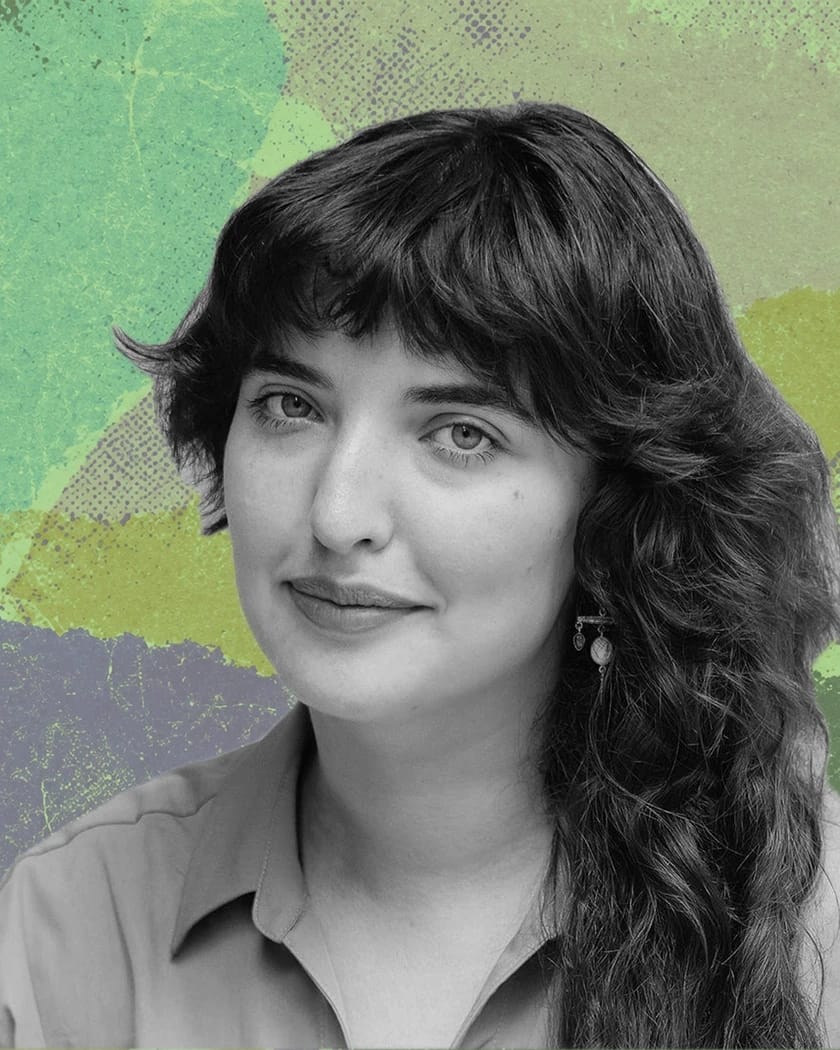
[00:00:06] Brian: And today, we have a very, very special guest with us, Natalie Dillon, who's a partner over at Maveron. Welcome, Natalie.
[00:00:13] Natalie: Thank you. I'm super excited to be here.
[00:00:15] Brian: We're super excited to have you. Maveron, obviously, a legend, legend in consumer, which is a storied history, and investing in consumer and tech. And so, Natalie, I would love to hear a little bit more about where Maveron's at today, what you're interested in and focused on right now.
[00:00:37] Natalie: Sure. So Maveron has been around for twenty-seven years. The firm was founded by Dan Levitan and Howard Schultz. Howard Schultz founded and ran Starbucks many years ago, and so a lot of our roots are very commerce and retail focused. Over our twenty-seven years, our focus has expanded from, you know, just retail to real estate to finance to sort of all aspects of consumer life. We invest in the earliest stages, so we'll invest as early as pre-product, when it's just an idea, to early signs of product-market fit. And we love partnering with founders sort of in their earliest stages and taking them from obscurity to ubiquity.
[00:01:21] Brian: It's incredible. Yeah. I feel like just over the years I've had such a respect for what you've accomplished, and I think, you know, there's still so much opportunity. We were just talking about this in the pre-show. Any consumer, oftentimes, I think a lot of investors shy away because they're just like, they don't understand it. They don't know how consumers work. They don't. It's too diverse, it's too complex, there's too many systems. It's like, how - you have to have the right mix of systems, talent, timing, cultural knowledge, all of the above. Yeah.
[00:01:55] Natalie: I think there are a lot of misconceptions when it comes to consumer, and I think you're right that people get scared away from it. I think right now we're also operating in a period where you can see a lot of headlines about consumer sentiment being really low. It's the lowest level since 9/11, the Great Recession. Two-thirds of consumers believe we're in a, you know, we're in a recession ourselves. And I think the reality is that consumers are actually quite healthy. It's like, we're seeing Prime Day just happened and, you know, over $24 billion was spent, and that was the biggest Prime Day ever, grew 9% year over year. And so I think often in consumer, because everyone is a consumer and there are a lot of loud voices when it comes to this space, many of those voices are not, I think, as analytical and rigorous about truly what's happening underneath the surface. And so I think for me, as I think about what makes - what I hope will make a great investor - is someone that sits at that bend of observing all the sort of cultural moments that are impacting the consumer, and truly the analytical rigor and the objectivity of, where is behavior shifting? Where are demographics shifting? Where are there market opportunities? And I think it's this kind of combination of sort of deep analytical and intellectual honesty while also being an observer of culture and where that's heading. I think that impacts the types of brands that consumers resonate with. I think it impacts the way people show up and how they want to spend their time. And so it requires, you know, I think, a multifaceted study of sorts. And if your brain likes to operate in that way, I think it's a fabulous field. More people should be investing in consumer. But it's not a direct formula, which is part of why I sort of enjoy the work that I do.
[00:04:08] Brian: Yeah. We like to say commerce is culture over here. And I think that, you know, it is such a pattern-matching sort of thing, and it's not a straight line, as a lot of investors like things to be. Like, they need to see that path. And the truth is that it takes a little bit more, like, instinct, intuition - what I like to call quantum intelligence. I wrote a whole piece on this. Being able to work backwards from things that are out, almost like a quantum computer, like, where it's way superior to typical linear processing. It's, like, very, like, add these things up. Yep. You can't do that in consumer. You have to be able to look at the whole, then work backwards from it. And I think that's what makes it so hard and takes really special people like you to be able to sort of do that work and quantify what those things are. I also think you said something, and I completely agree with this, like, the vibecession just continues. And I think something I've been thinking about lately and I haven't really said on the podcast, I'm just going to say it now, is whenever things are in, like, periods of great shift and change, like, you're going to naturally have a vibecession, because when you're shifting from one thing to another thing, the thing that was left behind is gonna feel really bad.
[00:05:34] Brian: And so you're guaranteed, when you have a quick pace of change, things are always being left behind at some level.
[00:05:42] Natalie: Yeah. Completely. And we've had, I think in the last seven years, like, all consumers have lived nine lives. We had the pandemic, we had the ZIRP era, we had the hangover from the ZIRP era. Now we have this AI boom, and the agility that's being forced onto consumers is just - is overwhelming. And so I think a lot of that is, you're totally right, a reaction to so much change in such a short period of time that it can feel really destabilizing.
[00:06:16] Alicia: Yeah. Well, I think it's a good time for us to connect with you, Natalie, because your firm did your own research around consumers, where their heads are at. And what really intrigued me about the findings is this notion that the consumer collapse was greatly overstated. You kind of alluded to that earlier. And it's not so much a pullback, but more of a reallocating, right? Like, we're kind of reprioritizing, rethinking, you know, what is valuable to us, where do we best spend our - not just our money, but our time as well. And how does that represent where we are at mentally, emotionally, culturally? So I would love to dig a little bit further into that, because, like you mentioned, you know, Prime Day just happened and now we're really accelerating towards back to school and, believe it or not, are already thinking about holiday, right? So this is kind of the, like, pivot point, I guess you could say, where we're reflecting on, you know, the initial data for 2026 and those initial predictions, and also forming our ideas and our hypotheses for the remainder of the year. So let's kind of unpack that reprioritization a little bit, and I guess what it means right now, and if anything has changed.
[00:07:34] Natalie: Yeah, yeah, no, it's a good point. You know, when we did the research, that was December of the past year, so 2025, and what we found, you know, in subsequent - sort of in January when all the holiday sales came in - is holiday sales hit record numbers. It was up again 7%, very similar to Prime Day recently. And in actuality, people were actually trading up for items, so high-ticket, like furniture, electronics, actually performed quite well during the holidays. They had to be catalyzed by discounts, but you saw that when discounts were offered, folks were actually spending more. And to me, that was so counter to the, I would say, prevailing narrative in consumer. All that being said, you know, I think that needs to be looked at in parallel of, again, consumers are feeling bad about the economy. Inflation is very real. Inflation, you know, is often hitting the most everyday items. It's still up 24% from sort of pre-pandemic levels. And so the lowest-income consumers are hurting the most. That's where wage growth hasn't outpaced. But overall, the overall picture of consumer, I think, is much more resilient, is actually performing better than most economists have expected. And so on that lens, you know, feel really - I'm excited to keep investing in the space. And then I think most recently, with Prime Day, again, you have consumer sentiment at, you know, lowest levels since, like, post-World War II, and it's record sales. And in Prime Day in particular, what was interesting is there - we did see basket size shrink a little bit, so there was more of an interest in value and lower-ticket items. And I think it will be really interesting to see sort of how that plays out in the holidays. My guess is it will be a repeat of last year, where people will save up for the holidays. The consumer has been now trained on Prime Day and Black Friday. Consumers are so smart, like, they're going to save up for those big moments. And I think, very similar, they're going to trade up for higher-ticket items kind of going into the holidays.
[00:10:01] Brian: It almost feels like - and I know I do this - like, sometimes consumers will hold off on spending and wait for a spending holiday. Like, and so what happens is, the reason why it looks like they're buying when things are on sale is because they actually already had made the decision to purchase.
[00:10:22] Natalie: Yes. It's been in their cart.
[00:10:25] Alicia: It's like discount chicken. That's how I've heard it being described. It's like, when is it gonna happen? When's gonna be the right time? Because people know that this is kind of a gamified system, and there's a process that a lot of retailers go through as far as their discounts and their deals. Like, there's a cadence that they've recognized. So they're trying to play that out, I think.
[00:10:44] Natalie: Completely agree. Completely agree.
[00:10:46] Brian: Yeah. And it does feel - interestingly enough, and this is a little bit anecdotal, I've said this for maybe a couple months now - but it does feel a little bit like inflation slowing, even sort of at the grocery level. And, you know, some of the down-market restaurants, you saw introductions of new value meals to, you know, the fast food category. You're seeing, like, anecdotally again, like, a gallon of milk, a carton of eggs, they all seem to be sort of price-stable at the moment. And even at the high end of restaurants, like, it feels like maybe we've kind of topped out. And I know this because I - like, I have a pretty large family, at least by American standards. And so we buy a lot of groceries at Costco, which we -
[00:11:43] Natalie: Which we love.
[00:11:44] Brian: We love Costco. We established this pre-show.
[00:11:47] Alicia: We've established this. Yes.
[00:11:50] Brian: And also, you know, we end up eating out, and, like, I do stuff for - you know, dinners for Future Commerce and things like that. And so, like, I kind of see, like, pricing up and down the whole, like, scale. And it, to me, it feels like some of the inflation we saw just recently had a lot to do with certain types of purchases. But at the down - but sort of the, like, broad level, starting to see a little bit of flattening. And maybe I'm wrong about that, but that's how it feels to me.
[00:12:25] Natalie: Yeah. No. I think that's right. I mean, I think there was a huge spike in gas prices when, you know, there was sort of turmoil overseas, that seems to have stabilized. But I think that was the biggest spike in sort of recent months. But I think that you're right that the rest of the categories have stabilized a bit.
[00:12:46] Brian: And so what does that mean? You know, I think you described a consumer who's constrained, selective, and still showing up. They do wanna buy things. They're ready to purchase, but they can't afford mistakes. And so where now can brands, like, start to target and win for a consumer that's, like, thoughtful, but does want to buy things and has money to spend? It's just, they're not going to spend on everything.
[00:13:16] Natalie: Yeah. I mean, I think it also comes down to some of the marketing tactics. You know, I think for a long time it was, like - and I'm a new mother of a 21-month-old - and so I get hit up with, you know, the 30 items you need for your nursery. And I actually think those miss the mark. I think it's rather, like, fewer, better, really thoughtful purchases. And so I think both marketing and products need to be, you know, here are the five essential items that you can grow into. And I think that the consumer is, yeah, just - I think being smarter about the types of purchases. They have more information at their fingertips. I mean, you could use Claude and ChatGPT to do all this sort of price-matching and research on which products to buy. And so I think they're still spending, but they are being much more disciplined, informed on when they're buying, so during those sort of expected discount seasons. And I also think they're doing a little bit more work upfront. There's less impulse buying. You know, maybe you're impulse buying on TikTok Shop when it's discounted by 80% and you love the creator, but largely I think there's less impulse buying, more intentionality, products that, you know, have sort of more of a longer shelf life.
[00:14:46] Alicia: I really like that idea of marketing being a bit more intentional and not just focusing on how quickly can we get a consumer to convert and buy as much stuff as possible, but ensuring that we're framing campaigns, conversations, relationships with consumers. So it's about, how do you find meaning in the things that you're buying from the brand? And I think that ties to this notion of personalization at scale. And you noted in the report that this was a defining shift in the next consumer era. So, I guess, to that end, how does personalization at scale kind of play into this idea of being a bit more intentional, knowing that consumers are turning to, like, ChatGPT or their LLM of choice, and they're doing all of this research upfront and on their own terms? Like, how does a brand seize that opportunity and try to reframe the experience around their world, so to speak?
[00:15:48] Natalie: Yeah. I'd say we're still in very early days of brands leveraging the power of AI to deeply personalize an experience for consumers. We're seeing a lot of companies that are selling platforms, AI solutions to brands where they could completely sort of retrofit a brand's website. So when I go onto Amazon, it is a very different experience than what Brian sees. You know, a chatbot that's on the website will remember that I purchased, you know, formula twelve months ago and is now going to upsell me the appropriate product for my daughter, you know, at that right stage. We've seen a lot of those companies, we've seen a lot of personal shopping, we've seen a lot of sort of personalized verticals - so, you know, personalized travel agents who understand your family, know that, you know, I prefer a window seat and I have x, y, z status on United. And I think, you know, those are all exciting prospects of where technology can show up and deliver a truly personalized experience. I think we're still kind of in early days of how impactful and how entrenched those companies are, but as a technologist, like, very excited to see, you know, personalization start to enter sort of what that retail experience could look like more deeply. But truthfully, I think we're still quite early sort of how that shows up.
[00:17:26] Brian: Do you feel like it'll happen through, like, more of, like, not retail-centric tools, but, like, through personal AIs, or, like, places where more consolidated data is being shared in a more opt-in way? Like, and then retail will be able to tap into that, as usual, through ads. But, like, do you think it's gonna be a direct relationship with the brands that enables those types of experiences, or do you think it's gonna be off-site, off-brands, like, you know, consumer apps or consumer experiences that allow retailers and brands access to that kind of data?
[00:18:11] Natalie: Yeah. My hunch is, I think it will be consumer apps first that are deeply vertical, have trust in a sector. One of the questions that we asked our survey respondents was what were the areas they're most interested in using AI to sort of personalize their life but have yet to do. And sort of the biggest gap between interest and curiosity and trial was health and wellness, which I think is somewhat interesting. And obviously we're seeing a boom in biohacking and cold plunging and, you know, getting your lab work done and, you know, all that. But I think there is something there that, you know, often a lot of the sort of power users of these AI tools actually tends to be a little bit later - it's like 35-plus. We should chat about Gen Z's views of AI. Probably not what most people expect. But I think it's, like, that power-user cohort, I think, is also entering sort of that classic midlife crisis. They're confronting their mortality at this, you know, for the first time, you know, maybe they have an aging parent. And so I think this - I think where AI and personalization will show up and be sort of driven by the consumer, not, you know, Facebook is making me download this chatbot alongside, you know, the messaging experience, or Amazon is making me use Alexa - I think where consumers will sort of drive that personalization as an agency is in health and wellness. And I think that there's actually more willingness to share your personal health data. Not all consumers, but there's a growing number of consumers that - they don't understand the doctor reports that they're getting back. They don't understand the, you know, the, like, medical jargon. And I think it's actually - AI is a great sort of translator within health and wellness. And I think that, to me, that's kind of where it will show up, and then brands will start to sort of integrate into those platforms in some way. But I think it has to be sort of driven by the consumer on a separate app.
[00:20:35] Brian: I love this. Yeah. I think that's dead on. And I think it's interesting. So back in 2017, I published one of our first pieces on Future Commerce of all time, called "Your 2020 Body Is A Dataland."
[00:20:48] Brian: Yep. And it really was all about kind of the moment we're in now, which is -
[00:20:53] Natalie: Because you were early. I mean, WHOOP and Oura, they hadn't quite had their, like, pandemic moments -
[00:20:59] Natalie: - that I think skyrocketed them, but they were still early days of kind of folks that were using them.
[00:21:07] Brian: Yeah. Totally. And the opportunity - I mean, if you think about all technology as an extension of our human capability in some way, right? And so it's very natural now that we would be looking for ways to be able to extend ourselves in every possible way. And we talked about this at the beginning of the show, like, the cultural impact on consumer cannot be understated. It's not just technology, although technology is giving us means to have new status indicators. And I think this is, I think, kind of the moment we're in right now, where it used to be - and this is even for millennials, certainly for, you know, boomers and X - I think experiences and life experience was the status indicator, right? And now the status marker is your health and wellness.
[00:22:09] Natalie: Yep, your strength, your - yeah.
[00:22:12] Brian: Used to brag about how many places you had been, or, like, what, you know, sort of food experiences you've had, or, like, concert experiences you had, or whatever it was. And now it's like, no, actually, I don't care about any of that. I care about how healthy I am. And I can use -
[00:22:28] Alicia: That - what's your biological age, right? What are the data points telling you? Like, I'm ten years younger than I actually am. Yeah. You bring up a good point about, like, that connecting point to consumer and retail, because I know in my own personal conversations with my LLM, like, a conversation about, you know, oh, I strained myself running, or, these are my blood panel results, what does it mean? - it very quickly leads to, well, if you want to address X, you should invest in Y, whether that's a new routine, whether that's a new supplement or a new product. It very easily goes from a medical recommendation or output to a tangible thing or service that you should invest in. So it just seems like a natural progression.
[00:23:23] Natalie: Yep. No, the algorithms are certainly trained to optimize sort of that next step that you're going to take and continue engaging. And so I think a lot of folks are sort of turning to their LLMs as a fitness, health, wellness, longevity companion.
[00:23:45] Alicia: And we've found it in our own research that concierge-type experiences are very much alive and well. I think mainly the data pointed to millennials as kind of, like, the ones that, once they started using it, they realized how valuable these platforms can be in all aspects of their lives, not just weighing a possible purchase or finding the best deal on an item. The data was collected during the holiday season, so it was very commerce-oriented. But it got into logistics and scheduling and learning about which item is best for me. And basically what we uncovered was that that cohort in particular was using LLMs as a vehicle to take some of the mental load off of all of those decisions that they make during the day, like all of the mental tabs that they had open, whether it was, like, caring for the people in their household, or completing their holiday shopping list, or caring for their parents. So it's, like, that sandwich generation, so to speak, is really seeing that type of value. So it's just interesting to dig a little bit deeper into those psychological behaviors. So, to that end - noted the nuances of the power users for AI versus everybody else - what else have you been able to uncover about how people feel about using AI, when they use AI?
[00:25:16] Natalie: You know, reading all the results, I think what was surprising for us was, like, how vehemently negative a pretty big base of consumers were against AI. Like, the written responses - it was a vitriol, anti-AI, like, you know - and I live in San Francisco, born in the Bay Area, like, I am a trope in many, many ways, I live in a bubble, but I think seeing that kind of - the AI elicits such a strong emotional response was fascinating. And then, two, in the most recent survey that we did - and our results are now, I'm excited to share it when they are - Gen Z actually spikes the most negative on AI across different age groups, which is shocking. I think we've always viewed, you know, young consumers as the earliest adopters of technology, the most sort of, like, avid enthusiasts of technology. But I think, you know, on the point on culture, youth are also the torch carriers of culture, and I think that there's a moment right now where maybe it's, you know, too much change, maybe it's, you know, the environmental concerns, maybe it's the, I don't know, lack of creativity that AI may be, you know, coming for us all, but there's something about the AI advancement that does not sit right with many Gen Z. And I think you see, you know, there's, you know, like, vinyl records are, you know, having all-type sales.
[00:27:02] Natalie: There's, like, the return to analog is also this, like, interesting cultural movement. And the way that I sort of view this is, I think as, like, one culture movement becomes mainstream - and I think now AI has certainly become mainstream, I mean, over 90% of consumers know what AI is, have used AI in some capacity - it's counterweighted by analog, you know, as the kids say, like, go touch the grass and being out in nature, I think has also become even more powerful sort of as a direct or indirect result of AI becoming mainstream. And so I think that's a trend that I'm observing. I don't know how it will show up. I mean, I think companies like Tin Can have nailed it, where it's just a very simple phone, doesn't have sort of the digital sophistication of a smartphone. But I think there will probably be more winners in this, like, analog, digital-detox area, and I think, surprisingly, Gen Z is going to be big proponents of that. I think the other sort of interesting thing about our research that we found is just this dichotomy of, like, what I hear and feel and see in the Valley of, like, it seems like everyone is automating their life, like, people are trading crypto while they're asleep and building apps while they're cold plunging and working out. And the reality is, like, that's just not what's happening in, like, everyday America.
[00:28:42] Natalie: Like, it is so far from the truth. It is, you know, everyone is aware of AI - that is, it's ubiquitous. It is not a daily habit. Only 30% of consumers are using AI in a daily way. It is not a trusted habit - so over a quarter of consumers do not trust AI whatsoever. And it's a very shallow habit - so when I say shallow, it is right now still very simple in its utilization. People are - most consumers are just using it to replace traditional search and using it for kind of simple utility and productivity. 92% of consumers have never run an agent, have never had AI perform an autonomous task. And so, in that way, it feels like - where we are in the Valley, how much capital has been raised in sort of the last six months, and then when we look at how has behavior changed, how has adoption changed with consumers and AI, it really hasn't. So when we ran that report in December to when we ran it in June, daily habits are the same, trust is the same, utilization is the same. And for me, that was surprising, given sort of how much excitement there's been about the model advancements and how much capital has been raised. But, you know, I think we're still in very, very early innings of how AI is integrating into the lives of everyday Americans.
[00:30:18] Brian: I think it's a really great point. And I think that, you know, to your point, a lot of people are using it like they would use Google, or would have used Google. And I do think that, like, sometimes they don't even know really that they're using AI, or, like, what the difference is, especially with Gemini. It feels like, in some of this survey, like, I feel like sometimes people are leveraging the benefits of AI without even recognizing that they're using it. And so sometimes, like, survey data is a little bit skewed as a result of, like, this sort of unintentional, oh, wow, I'm just looking at the top of the Google results and clicking the "see more" button, and, like, I get the answer that I need immediately - which is, again, to your point, shallow behavior. It's not like they're running agents, they're not doing, like, all of this, like, letting, you know, an AI run their bank - like, a bank account, or, like, trading crypto or whatever. And, you know, and so it seems like what it's done for the immediate public is give them more information at their fingertips quickly.
[00:31:21] Brian: But it's also distilling it faster, and it's sending people down specific paths that are a little bit more narrow than maybe the clicking they did through Google before. And so it does feel like consumer behavior is changing, at least from, like, a shopping perspective. Actually, I feel like AI is maybe having its biggest effect for the general consumer. I mean, aside from all the things that are happening in the background that they're not aware of, but for their daily lives, it might be having as big an effect in this sector. And so what are you seeing in terms of, like, how AI is changing shopping habits? You mentioned health and wellness, but are there any, like, indications of, like, what they hope? We saw concierge as, like, sort of part of it - they're using it as a way to kind of - they shop along, they have it as a little bit of a shop-along as they are doing research. But what have you seen, Natalie?
[00:32:20] Natalie: Yeah. So I've seen it more on the how brands are leveraging AI to optimize their operations. And so, you first saw the - so the first cut was automating and personalizing customer support. That's where there's a lot of sort of data-rich customer interactions, and so that was sort of the first layer that I think AI has sort of deeply integrated into brands. The second layer, marketing - and that's anywhere from what's the right creative copy to what's the right, you know, what's the right campaign, can we identify, you know, psychographics even more, with even more precision. Can we know, you know, should we be emailing versus texting? Like, I think AI in that way has been very powerful to brands, and I think marketing groups within brands tend to be sort of the most experimental, so they're often trying many of these sort of different AI products. Where we've started to see more movement sort of in the last six to twelve months is AI entering more the operations of how a brand functions. So, anywhere from AI-native ERP systems for brands, which previously would have been very difficult to do - I think those companies are actually getting a decent amount of traction - to how can AI better manage my finances, how can it better help me understand what my inventory looks like.
[00:34:02] Natalie: And so, those areas - AI is not fully automating those functions, but they are superpowering folks that are in those seats and giving them much more insight, much more transparency. They're able to be more proactive, it's saving them time. To me, that ends up being exciting, because I think the brands that are able to stay really close to their customer, listen empathetically, build amazing products - and then if AI can help you get product from point A to point B in a faster, cheaper, more efficient way - I think it's actually, you know, a great win for consumers. So I'm excited that, you know, brand leaders will both focus on building a great product, getting it in front of the consumer at the right time. Hopefully it means lower prices, more personalized products, better products. Like, that's my optimism view on sort of where AI shows up for brands.
[00:35:07] Brian: But I think -
[00:35:08] Natalie: Yeah, it's still - I don't think consumers want to chat with a bot yet, or, like, want to use a bot to, like, buy something on their behalf. I think it needs to feel seamless sort of in the background for them.
[00:35:22] Alicia: Yeah. As, like, the silent enabler that, like, moves things along for the organization and even for the customer - like, they just don't wanna know too much about it. They're actually, to your point earlier, looking for those more cultural and community-centered experiences, which was why we've seen the rise of, or, like, the return of, like, the mall experience, right? Like, we've talked quite a bit about that, and, you know, more analog community-gathering moments. I mean, arguably, even live streaming, like, even though it's, like, inherently a digital experience, it comes down to interfacing with someone who I know virtually or in real life, I respect, or their aesthetics align with mine. And I just wanna learn a little bit more about what they like and how they style things and what I should get. And it's inherently a community-centered experience. So I would love to kind of round out our conversation to go back to some of these fundamentally analog and community-driven experiences and what opportunities exist for brands. Because everybody's talking about AI, right? But I feel like things like live streaming, creator-led commerce, even entertainment-based commerce experiences, right?
[00:36:51] Brian: Cold -
[00:36:52] Alicia: School. Those go back to storytelling and community and culture. So, I mean, what are you seeing and tracking in that space? Because it seems like, despite, you know, Gen Z being so anti-AI, they are still very much pro-creator and entertainment-led commerce. So how are you seeing that space shake out right now? Yeah.
[00:37:15] Natalie: Yeah. You may need to cut this because it sounds very unhinged, but - it's not a space that I'm looking at, but just a trend that I think will happen - I think cults are gonna become way more popular. Oh -
[00:37:28] Brian: There we are.
[00:37:29] Alicia: Oh, yeah. That's interesting. Oh, do we have to cut this?
[00:37:32] Natalie: You could keep it if you want. Yes. But I think it - and again, it goes back to, like, this vehement anger with AI, I think with, like, institutions. Yeah. I think people are really angry, and I think there's going to be a percentage of folks that just go completely off the grid. And I think you see some of this in, like, the popularity of homesteading and, you know, even during the pandemic, van life. But I think there is this, like, I don't know, aversion to technology that's leading people to live a more traditional life. And then I think the extreme of that is, like, people go off the grid and they're in cults. They're not gonna be called cults, because "cults" has sort of a dirty, you know, tainted word to it, but they're gonna - yeah, be communal living, I don't know, whatever it may be, but -
[00:38:33] Brian: Heredity... without all of the human sacrifice.
[00:38:40] Natalie: Yeah. Exactly. They're gonna look different. They're gonna look different, but there's gonna be - there's gonna be a movement there. And if it - it already feels like there is some of that that exists today. So that's not a space that I'm actively investing in, but as a, like, cultural observer -
[00:38:58] Brian: Yeah. Cultural observer.
[00:39:02] Natalie: Yeah. I - you said this a little bit earlier. I mean, I think the health and wellness space is where I get excited. And, you know, I don't know if that looks like running clubs or platforms that are encouraging meetups, you know, in different spaces. I'm not sure, truthfully, what it looks like, but I know that you're - both of you are right that people want to show up in real life. I hope that that becomes the social flex of, like, this Gen Z generation, of, like, it's cool to go to a party and not have your phone, or it's cool to go to a party where there are no phones and no one takes photos and no one's talking about it. How that manifests into a company, I'm not sure. I think, like, a much smarter, more brilliant founder is gonna come up with the idea. But I think there is, yeah - there's absolutely something.
[00:40:02] Brian: I'm biting my tongue so hard right now. I think you're dead on. Like, I think this is - the next billion-dollar brand is actually in the words that you've just spoken.
[00:40:12] Natalie: I hope so.
[00:40:14] Brian: And I think that, you know, let's get back to where we started before we even got on the air. A brand that seems to be doing all the things that no one else is doing, or, like, not doing all the things everyone else is doing - and that's Costco. If there is one uniting brand in this country right now, it's Costco. And they have basically no marketing. Like, they don't advertise. They don't do anything on social, really. They don't really do anything that anyone else is doing. And they have one of the strongest brands, not just in America, for the US consumer, but in the world. Yep. Why? There's a lot of things we can get into here. Obviously, Future Commerce has commented on this quite a bit over the years, but it feels like that mix of analog and, like, sort of anti-adoption, like, just doing things sort of the old-fashioned way. Yeah. Providing good products at a good price and being available and, you know, continuing to evolve assortments and improve things on a consistent basis and let people sample things and try things along the way and, like, just enable a lifestyle that people wanna live. Costco changed my family's life growing up in so many ways. Like, it empowered many of the main moments of my experience as a child. And it's doing the same thing for my children, and I have a feeling it's gonna do the same thing for their kids. So what does that mean for the rest of companies out there? Like, should they be looking to Costco as an example? It doesn't feel like they do. It doesn't really feel like they do. What do you think, Natalie?
[00:42:10] Natalie: Yeah. I do think some companies do look to Costco, but I think no one has disciplined themselves to the extent that Costco has. I mean, its commitment to only 20% markup profit on every single product, their commitment to their employees, which is incredibly rare in retail - I mean, they have such amazing retention of their employees and they grow so much of their talent from within. I think they are constantly listening to what their consumer wants, and now that they have so much pricing power, they can match, you know, the exact products that they know consumers want with suppliers that are willing to sort of offer at the right price. I think the annual membership is also brilliant - you know, both it locks people in, it makes them feel like they're part of something. And like I said earlier, I think that there's certain companies that have tried to take pieces of Costco. I think Amazon, to me, is, like, the most obvious example. Also, you know, in the backyard - both are Seattle-based companies - and Amazon Prime, that annual membership, is 100% influenced by, you know, what Jim Sinegal did at Costco. And Bezos has given credit to Jim Sinegal. I think, you know, pricing is interesting right now in sort of this AI world and app world, where we are seeing a move from, you know, seat-based pricing or token-based pricing to this sort of annual membership. But I think the lesson that folks need to sort of really take from Costco is there was just - there was such discipline on price. Like, I think every consumer that walks into Costco doesn't feel like they're getting price-gouged.
[00:44:03] Natalie: If anything, they feel like Costco's on my side. They are, like, trying to deliver value, you know, they're never gonna raise the price of that hot dog, you know, more than $1.50. And I think doing things like - and again, the hot dog that I just - I love - but I think doing things that are clearly so in service of a consumer, even if that item is a, you know, loss leader for Costco, I think it shows sort of that trust, their position as a retailer that many companies I think can learn from. And it's hard. Also, I deeply empathize with a lot of startups in the space. They have to grow at a certain cadence. There's a certain revenue expectation. And I think in this - frankly, in the world of AI where companies are growing zero to 10 million in six - like, that expectation, it's really hard to grow that quickly and not increase prices or do things that really aren't building enduring trust with the consumer. I hope that, you know, more companies take, I think, a longer-term view of what does it mean to build an enduring business like Costco. And I think some of that is growing, I think, a little bit more carefully, growing with your consumer, building trust, being highly disciplined, even if it's at a cost to your own profit. But in the end, that engenders so much trust that you build a business that's even far more valuable than if you were growing as quickly as you could have in those first early years.
[00:45:49] Brian: I mean, this is coming from an investor. I mean, are you able to - when you talk to brands and you're looking at brands - getting attention is so hard. It's everything's so noisy, especially online. I mean, in-person's hard too. Everything's hard. How is - as you, as an investor, like, take what you just said, and when you analyze consumer brands, feel good about someone who might take a slower approach? Is that possible even?
[00:46:20] Natalie: Yeah. It is possible, but I do think it's harder. Like, fully transparently, I think there is so much attention and chasing AI that if you're not growing at a specific clip, you will not be interesting to many, many investors. Like, that's fact, just the reality.
[00:46:42] Brian: So let me take this a step further. Yeah. So you talked about the cultural movement towards analog and analog purchasing channels and analog experiences, and that's what Gen Z is interested in, and they're quickly marching towards becoming the most wealthy generation that, you know, America has ever seen. How can you find markers of that - the kinds of markers you're looking for in a cultural landscape like this - and be able to go back to the rest of your team and say, I have something here?
[00:47:24] Brian: I know it's real. I don't know how to, like - what, is there any way to quantify it?
[00:47:31] Natalie: Yeah. Yeah. I think you have to be able to quantify it a little bit. And the markers that I look for - and, you know, I'm an early-stage investor, so I have the benefit of, you know - I think the later that you're investing, you have more historical data, you are looking at growth. But what I care about in the early stages is, is there true customer love? And I think customer love can be calculated both from a cultural standpoint of, like, is it showing up in the zeitgeist, like, are these the themes that I'm seeing on TikTok and YouTube. And, you know, I think that there's a certain measurement there. And then I think the more, you know, qualitative or quantitative is, you know, are consumers coming back, how often are they spending time on this app or thing, are they telling their friends about it? Those are sort of, to me, the markers of, like, there's something here. And again, at my stage I care more about that stickiness, that retention, versus is this growing - you know, but again, that matters, I think, for sort of the next stage of investors. That's something I work with our companies to say, like, all right, we gotta make sure we could scale this, like, beautiful consumer love that you've built, and continue to find, you know, other pockets of consumers to serve this to, or widen sort of who this is, you know, where this connects.
[00:49:01] Natalie: But for me, it's, like, it's that customer love. And I think - if founders - part of the job of the founder too, I think, is they should be measuring that. So they may have also other metrics. Like, when we invested in a company called Co-Star, which is a very popular astrology app, particularly among sort of young users, one of the things they measured was, like, how often was Co-Star screenshotted? And what we saw too is, like, people were screenshotting Co-Star, posting about it on their Instagram story. And that was a measure of, like - it was both quantitative and qualitative, and that that was showing up in the cultural zeitgeist. This is the art and science of consumer.
[00:49:45] Brian: Absolutely. And I think that nails it, and I know we're at the end of time here. Natalie, thank you so much for coming on and speaking to us about your study and just your perspective on consumer and where things are headed and sort of what the cultural moment is. I think you hit on some really, really important points, and I'm so thankful that we got to chat. Thank you so much for joining Future Commerce.
[00:50:08] Natalie: Thank you. I had a blast. Really appreciate it.


.jpg)



.jpg)